Artwork
Portfolio XVII, Plate 588: Tablita Dancers and Singers - San Ildefonso
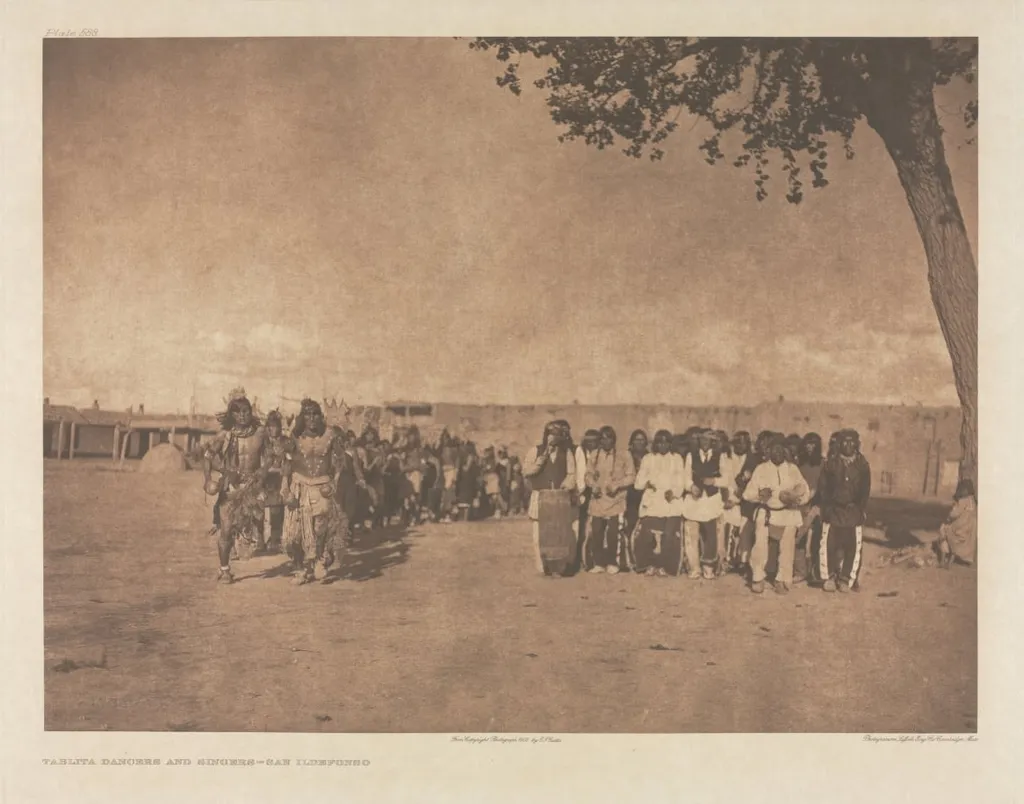
Portfolio XVII, Plate 588: Tablita Dancers and Singers - San Ildefonso is a work on paper by Edward S. Curtis. It dates from 1905 and is held in the collection of the Cleveland Museum of Art. This image is Plate 588 from Edward S.
About this work
The title says these are "Tablita Dancers and Singers" from San Ildefonso, which was likely a Pueblo community.
This photo shows a group of people outdoors, standing in a line under a tree. Two men in the front are dressed in decorated costumes, holding what look like drums. The rest of the group wears simpler clothes and stands quietly, watching. The background is flat and dry, with a few buildings far off.
The title says these are "Tablita Dancers and Singers" from San Ildefonso, which was likely a Pueblo community. The photo feels like a moment frozen in time, showing daily life and tradition.
Look up Edward S. Curtis (American, 1868–1952) to see more of his work.
Overview
This image is Plate 588 from Edward S. Curtis’s Portfolio XVII, produced in 1905. It documents a group of individuals from San Ildefonso Pueblo, captured outdoors beneath a tree. The photograph is part of Curtis’s broader ethnographic project to record Indigenous life in the American Southwest. The composition emphasizes stillness and ritual, with figures arranged in a quiet, formal line against a barren landscape.
Subject & Meaning
The central figures are two men in ceremonial attire, holding drum-like objects, suggesting participation in a ritual dance or song. The surrounding individuals, dressed more plainly, observe silently, indicating a communal event. The title references 'Tablita' dancers, a term associated with specific Pueblo ceremonial practices. The image conveys continuity of tradition, presenting the event not as performance but as lived cultural expression.
Technique & Style
Curtis used large-format film and natural light to achieve fine detail and tonal depth. The composition is carefully balanced, with the tree framing the group and the flat, arid background minimizing distraction. The subjects are posed deliberately, reflecting Curtis’s preference for staged authenticity over candid capture. The soft focus on distant buildings enhances the sense of isolation and timelessness.
History & Provenance
The photograph was taken during Curtis’s expedition to the Southwest as part of his monumental The North American Indian project. It entered the collection of The Cleveland Museum of Art through acquisition, likely as part of a bound portfolio issued between 1907 and 1930. The image has remained in institutional hands since its creation, preserved as a document of early 20th-century ethnographic photography.
Context
Curtis worked during a period of intense cultural disruption for Native communities, as federal policies sought assimilation. His photographs were intended to preserve what he saw as vanishing traditions. While his methods have been critiqued for romanticization and staging, the images remain vital records of Indigenous practices at a time when oral and ceremonial knowledge was under pressure from external forces.
Legacy
This image contributes to a vast archive that continues to inform discussions on representation, cultural preservation, and colonial documentation. Though later scholars have questioned Curtis’s approach, his photographs are still referenced in academic and Indigenous-led efforts to reclaim and reinterpret ancestral practices. The work endures as both historical record and contested artifact.
Artist & collection

 Portfolio XVI, Plate 573: Acoma Water Girls
 Portfolio VIII, Plate 264: Lawyer - Nez Percé
 Portfolio XVI, Plate 568: Acoma Water Carriers
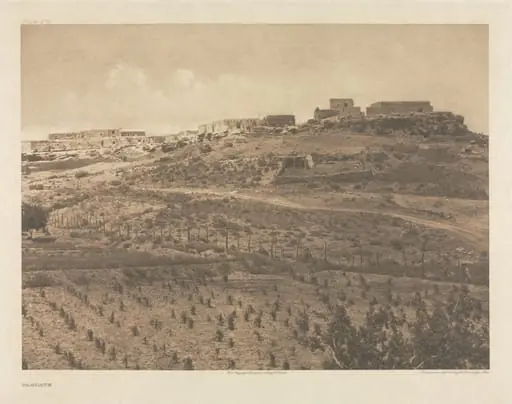 Portfolio XVI, Plate 574: Paguate
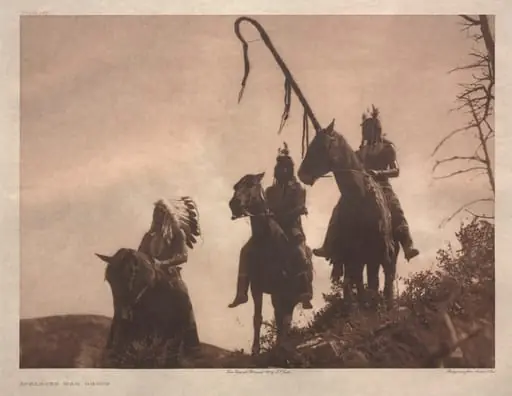 Portfolio IV, Plate 147: Apsaroke War Group
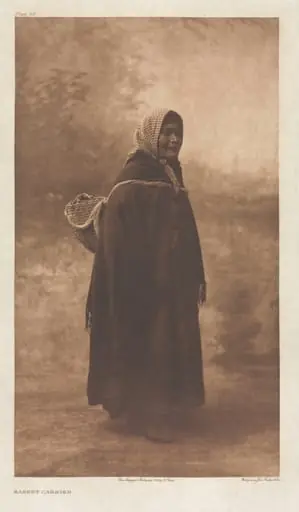 Portfolio IX, Plate 311: Basket Carrier
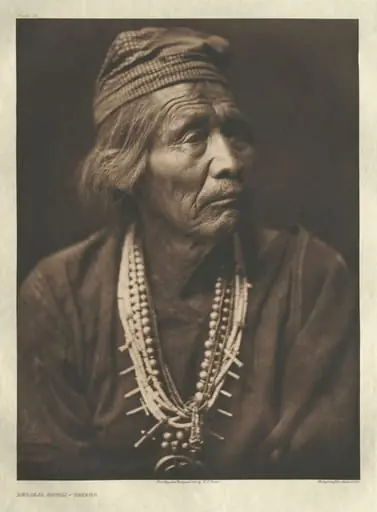 Portfolio I, Plate 31: Nesjája Hatáli-Navaho
 Portfolio IV, Plate 140: A Mountain Fastness--Apsaroke
 Portfolio I, Plate 3: Desert Rovers-Apache
 Portfolio I, Plate 19: The Lost Trail-Apache
 Portfolio IV, Plate 137: The Chief and His Staff--Apsaroke
 Portfolio VI, Plate 193: Travaux--Piegan
 Portfolio III, Plate 95: In the Land of the Sioux
 Portfolio I, Plate 38: Sunset in Navaho-Land
 Portfolio I, Plate 25: Jicarilla Women
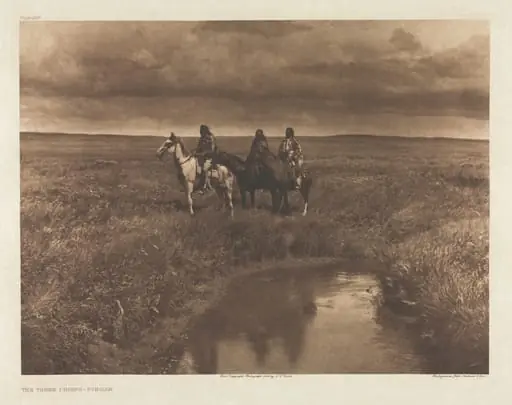 Portfolio VI, Plate 209: The Three Chiefs - Piegan
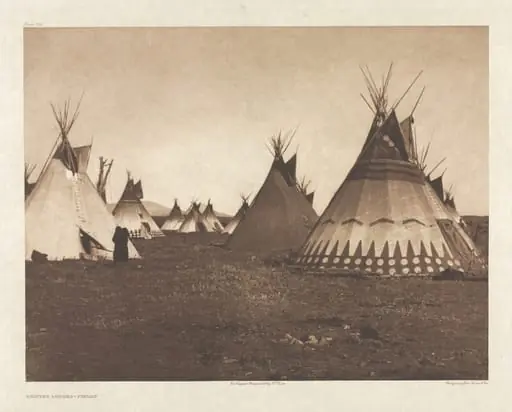 Portfolio VI, Plate 186: Painted Lodges--Piegan
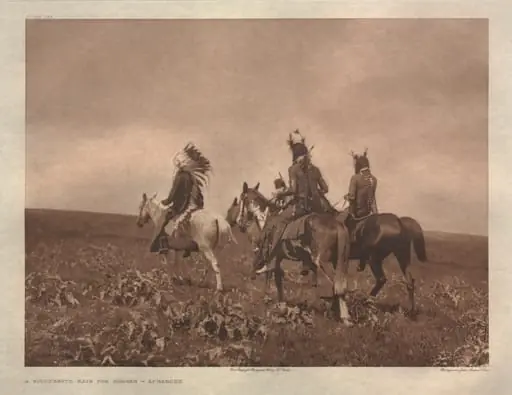 Portfolio IV, Plate 138: A Successful Raid for Horses--Apsaroke