Artwork
Portfolio XVII, Plate 609: The Terraced Houses of Zuñi
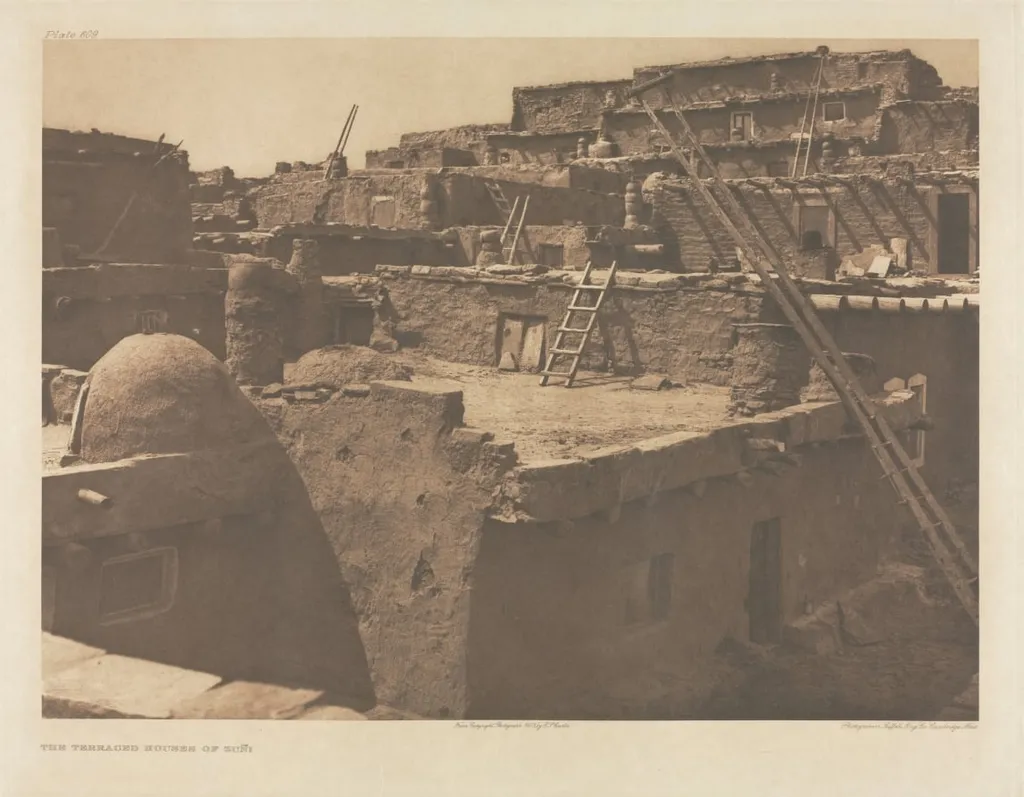
Portfolio XVII, Plate 609: The Terraced Houses of Zuñi is a work on paper by Edward S. Curtis. It dates from 1903 and is held in the collection of the Cleveland Museum of Art.
About this work
Overview
Portfolio XVII, Plate 609: The Terraced Houses of Zuñi is a photographic print from Edward S. Curtis’s larger ethnographic project, completed in 1903. It documents the architectural form of a Zuni Pueblo settlement in what is now New Mexico. The image is part of a series intended to record Indigenous lifeways, and it is currently held in the collection of The Cleveland Museum of Art.
Subject & Meaning
The photograph captures the layered, cliffside dwellings of the Zuni people, constructed from local stone and adobe.
The photograph captures the layered, cliffside dwellings of the Zuni people, constructed from local stone and adobe. The absence of human figures emphasizes the structures themselves as enduring expressions of cultural adaptation. The arrangement of homes along the natural slope reflects a deep integration with the landscape, suggesting centuries of accumulated knowledge about climate, materials, and communal living.
Technique & Style
Curtis used large-format film and long exposures to render fine detail in the textured walls and shadowed recesses of the terraces. The composition is deliberate and static, avoiding dramatic angles to present the architecture with documentary clarity. The muted tonal range and sharp focus convey a sense of stillness, reinforcing the quiet permanence of the built environment.
History & Provenance
Created during Curtis’s expedition to the American Southwest, this image was produced as part of his multi-volume work The North American Indian. The photograph was later acquired by The Cleveland Museum of Art, where it remains as a key example of early 20th-century ethnographic photography and a record of Zuni architectural heritage.
Context
At the time of its creation, the Zuni community was navigating increasing pressures from U.S. government policies and cultural assimilation efforts. Curtis’s images, while often romanticized, preserved visual records of places and structures that were central to Indigenous identity. This photograph contributes to a broader historical archive of Puebloan settlements during a period of rapid social change.
Legacy
The image endures as a reference for architectural historians and Indigenous communities studying ancestral building practices. Though Curtis’s broader project has been critiqued for its editorial framing, this particular photograph is valued for its unembellished depiction of Zuni terraced housing, offering insight into sustainable, place-based construction traditions.
Artist & collection

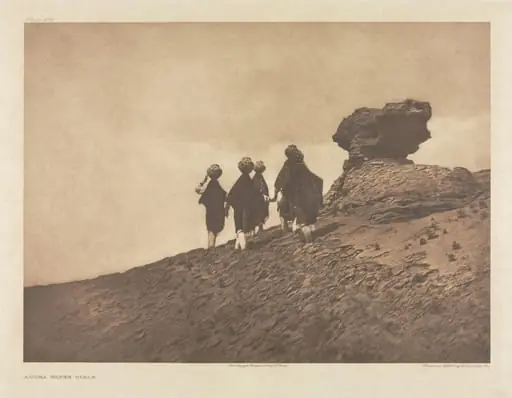 Portfolio XVI, Plate 573: Acoma Water Girls
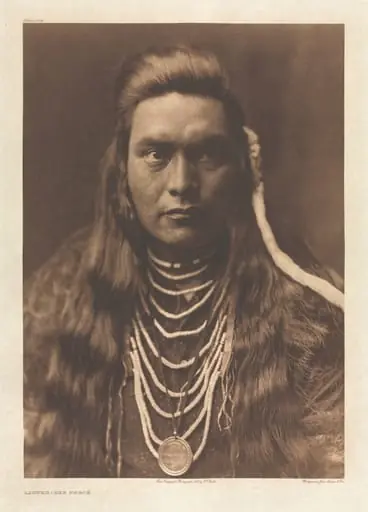 Portfolio VIII, Plate 264: Lawyer - Nez Percé
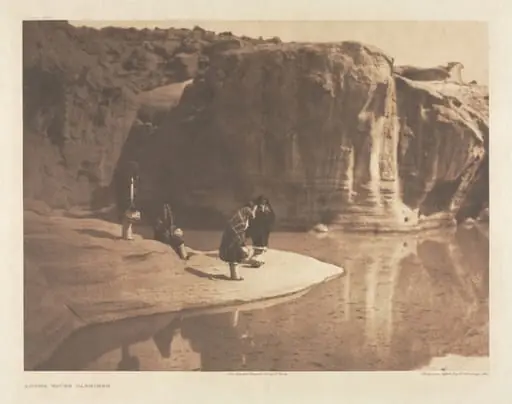 Portfolio XVI, Plate 568: Acoma Water Carriers
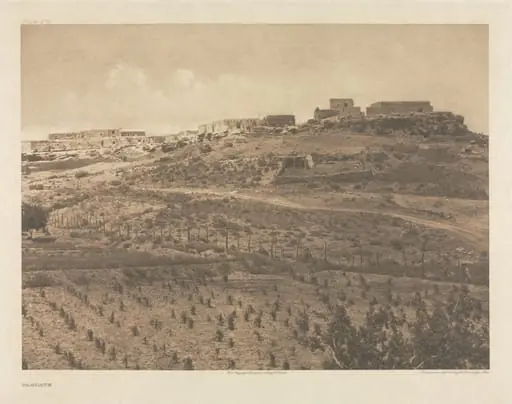 Portfolio XVI, Plate 574: Paguate
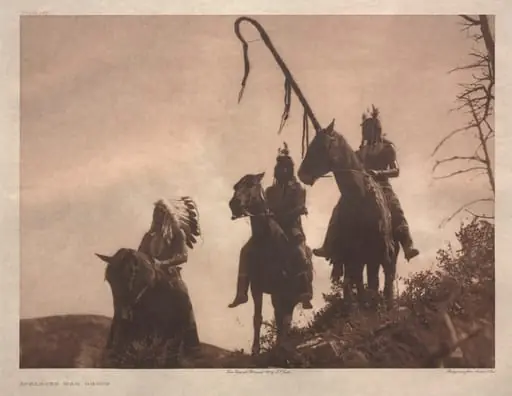 Portfolio IV, Plate 147: Apsaroke War Group
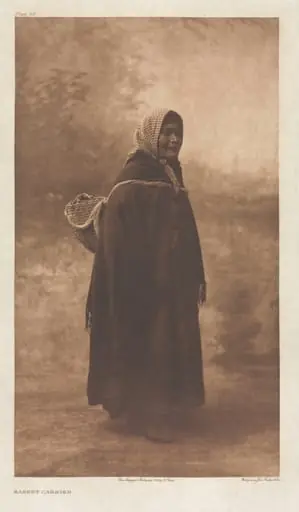 Portfolio IX, Plate 311: Basket Carrier
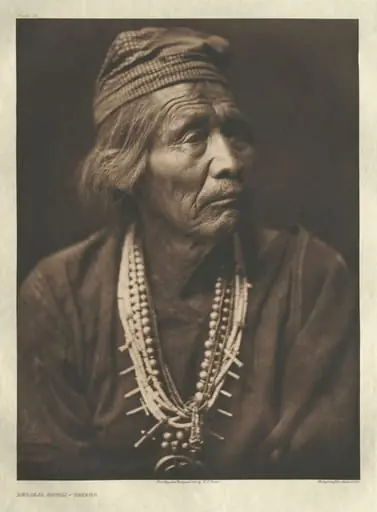 Portfolio I, Plate 31: Nesjája Hatáli-Navaho
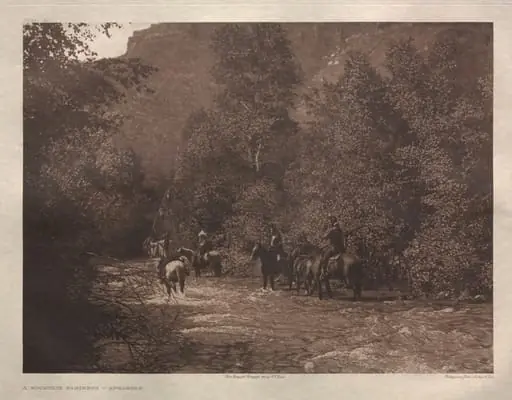 Portfolio IV, Plate 140: A Mountain Fastness--Apsaroke
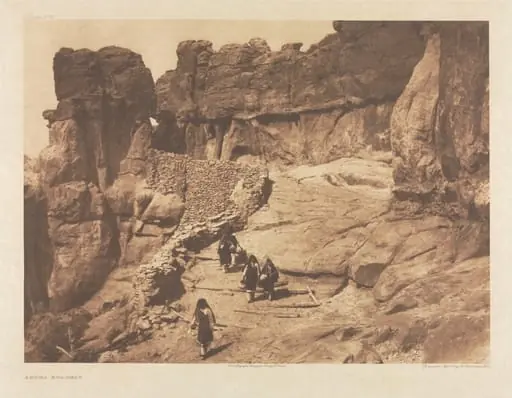 Portfolio XVI, Plate 570: Acoma Roadway
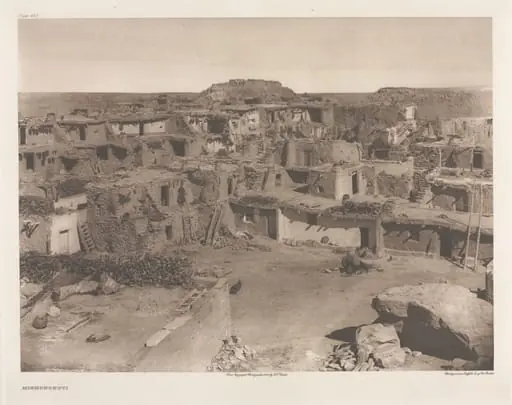 Portfolio XII, Plate 425: Mishongnovi
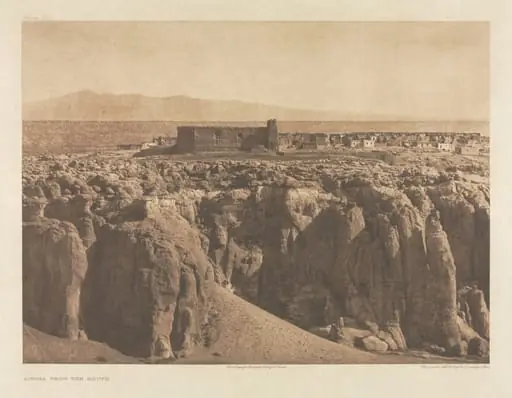 Portfolio XVI, Plate 566: Acoma from the South
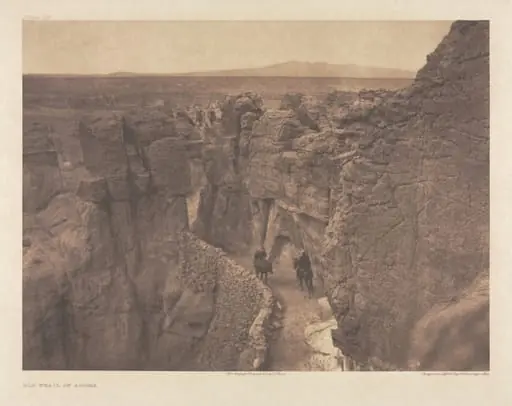 Portfolio XVI, Plate 567: Old Trail at Acoma
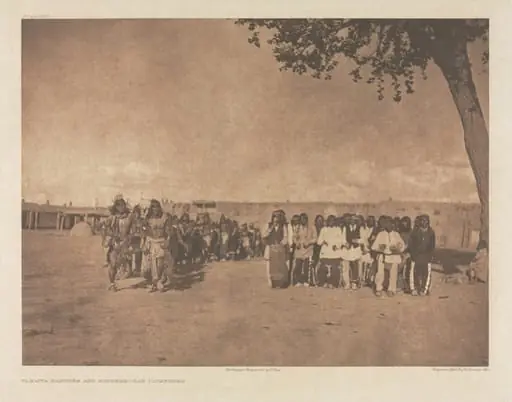 Portfolio XVII, Plate 588: Tablita Dancers and Singers - San Ildefonso
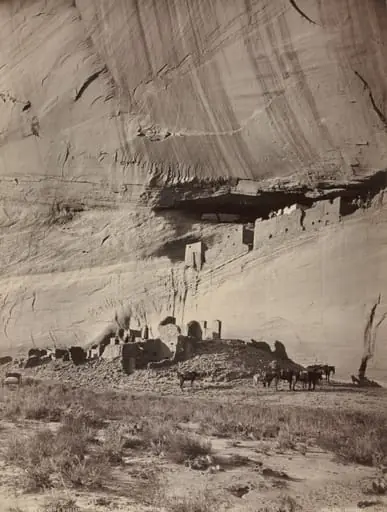 Ruins of Cliff Dwellings, Cañon de Chelly, Arizona
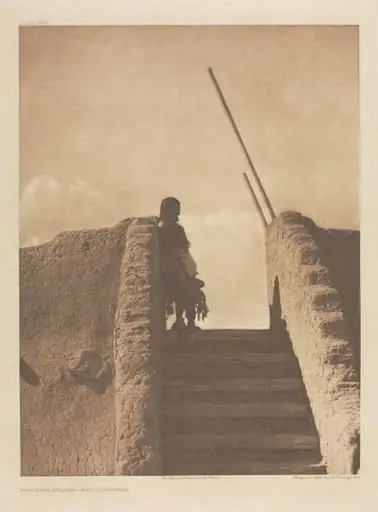 Portfolio XVII, Plate 585: The Fruit Gatherer - San Ildefonso
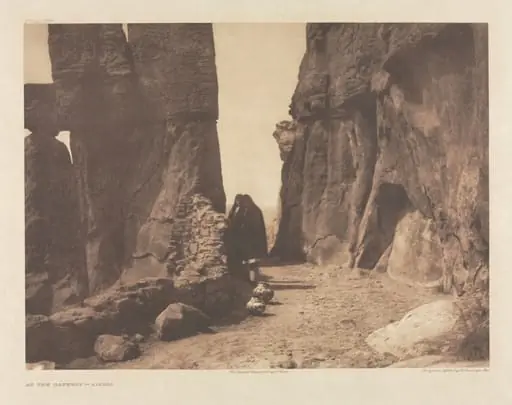 Portfolio XVI, Plate 569: At the Gateway - Acoma