Artwork
Portfolio I, Plate 35: Hastobíga-Navaho Medicine-Man
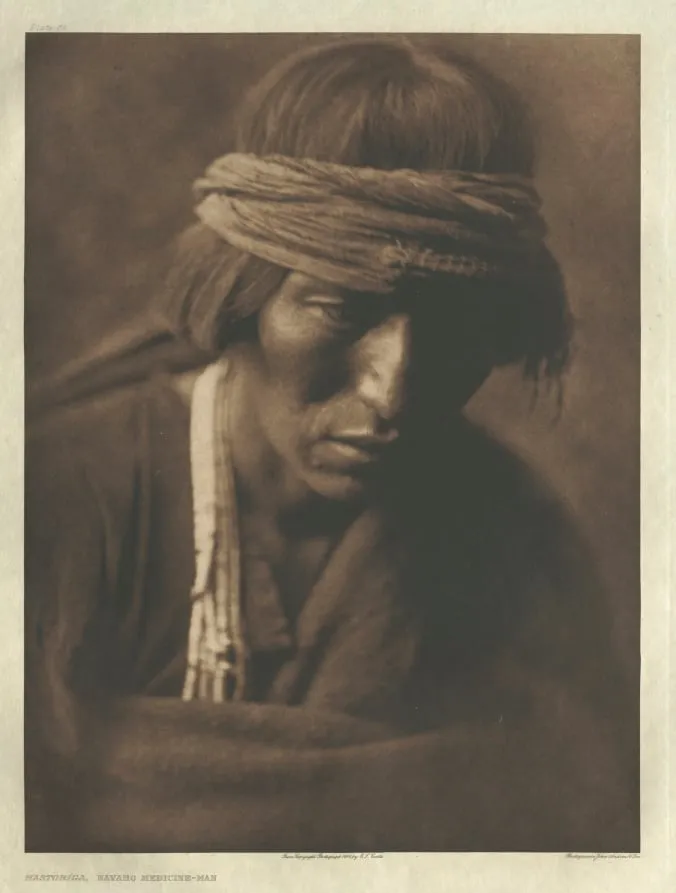
Portfolio I, Plate 35: Hastobíga-Navaho Medicine-Man is a work on paper by Edward S. Curtis. It dates from 1904 and is held in the collection of the Cleveland Museum of Art.
About this work
The man's attire and the style of the image suggest a traditional or cultural setting, possibly from the early 20th century.
This image depicts a man with a solemn expression, his face partially shaded. He wears a headband wrapped around his forehead, and a dark robe with a white striped garment underneath. His hands are crossed in front of him, with his right hand resting on his left. The background is a dark, muted color.
The man's attire and the style of the image suggest a traditional or cultural setting, possibly from the early 20th century. The use of shadows and lighting adds depth to the portrait, drawing attention to the subject's features.
For more information on the artist behind this work, look up Edward S. Curtis (American, 1868–1952).
Overview
Portfolio I, Plate 35: Hastobíga-Navaho Medicine-Man is a photographic work by Edward S. Curtis, created in 1904. It is part of a larger portfolio and is currently held at The Cleveland Museum of Art.
Subject & Meaning
The image portrays a Navaho medicine man with a solemn expression, dressed in traditional attire including a headband and layered robes. His crossed hands and partially shaded face convey a sense of contemplation or ritual.
Technique & Style
The photograph employs chiaroscuro, using shadows and lighting to create depth and emphasize the subject's features. The dark, muted background further focuses attention on the medicine man, suggesting a formal or ceremonial context.
Artist & collection

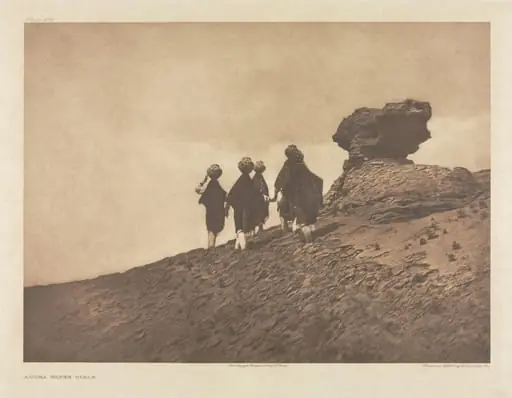 Portfolio XVI, Plate 573: Acoma Water Girls
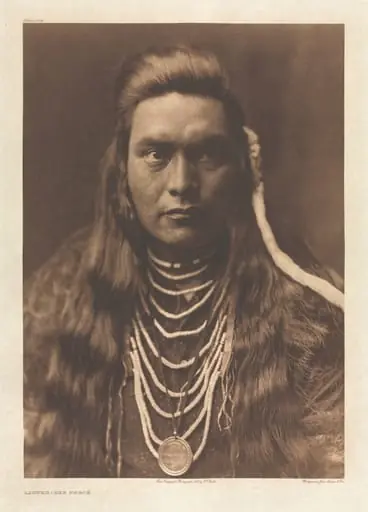 Portfolio VIII, Plate 264: Lawyer - Nez Percé
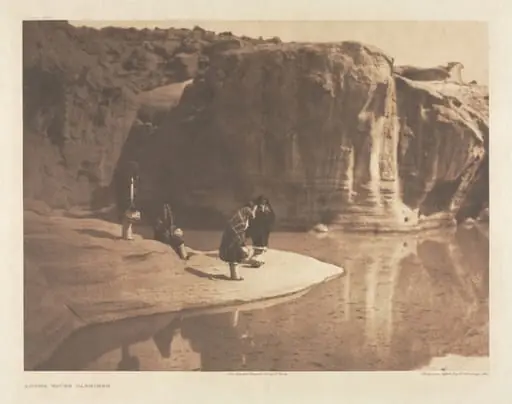 Portfolio XVI, Plate 568: Acoma Water Carriers
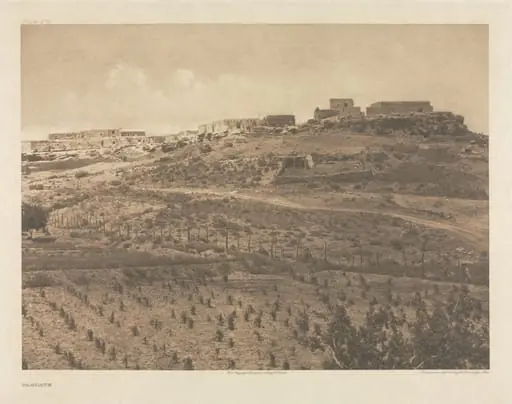 Portfolio XVI, Plate 574: Paguate
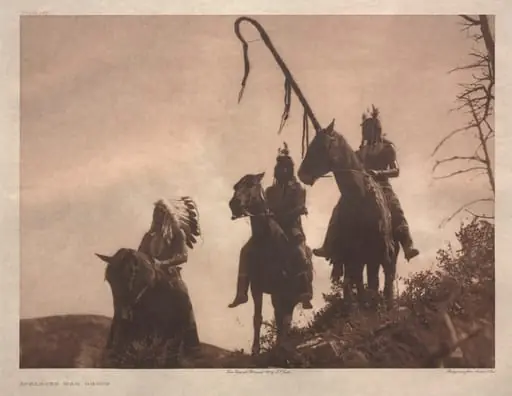 Portfolio IV, Plate 147: Apsaroke War Group
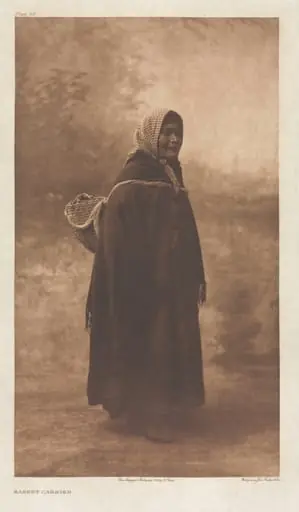 Portfolio IX, Plate 311: Basket Carrier
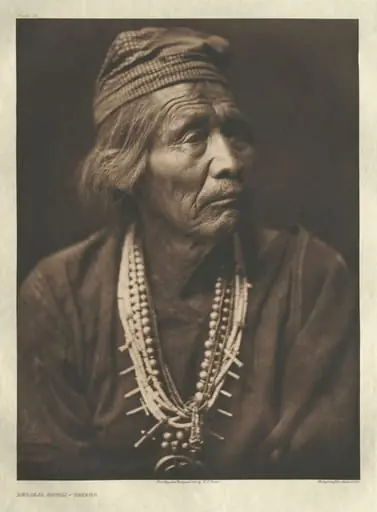 Portfolio I, Plate 31: Nesjája Hatáli-Navaho
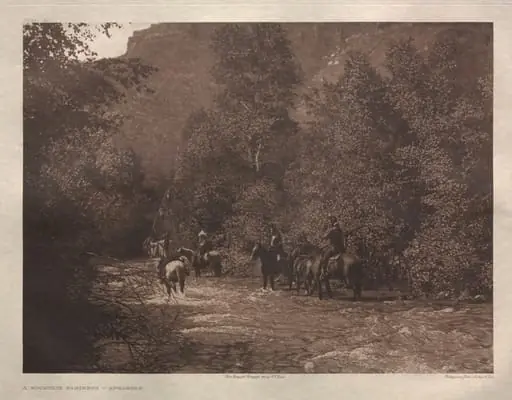 Portfolio IV, Plate 140: A Mountain Fastness--Apsaroke
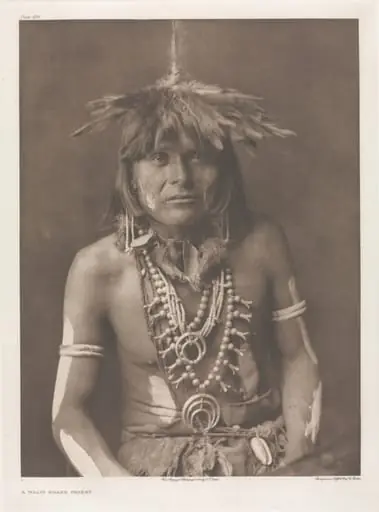 Portfolio XII, Plate 429: A Walpi Snake Priest
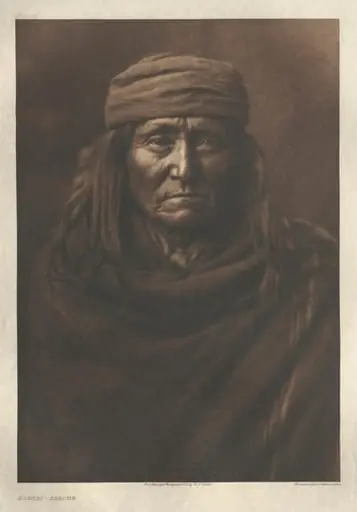 Portfolio I, Plate 16: Eskadi-Apache
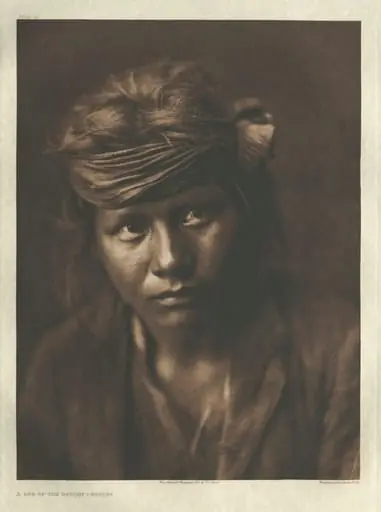 Portfolio I, Plate 32: A Son of the Desert - Navaho
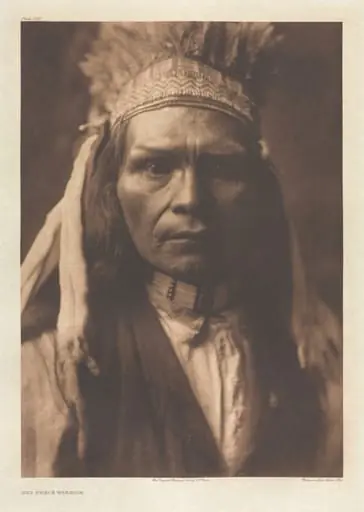 Portfolio VIII, Plate 262: Nez Percé Warrior
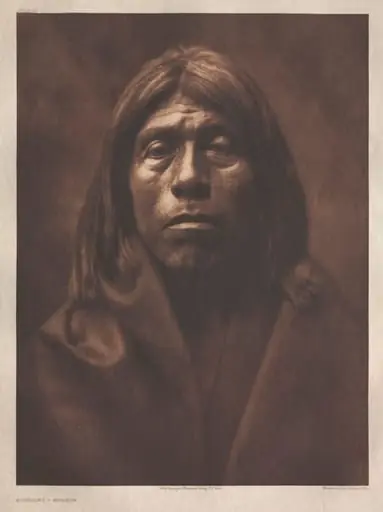 Portfolio II, Plate 60
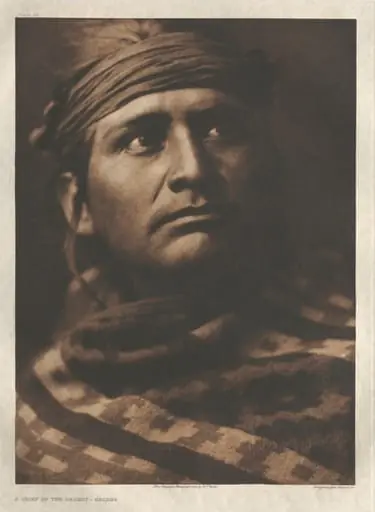 Portfolio I, Plate 26: A Chief of the Desert-Navaho
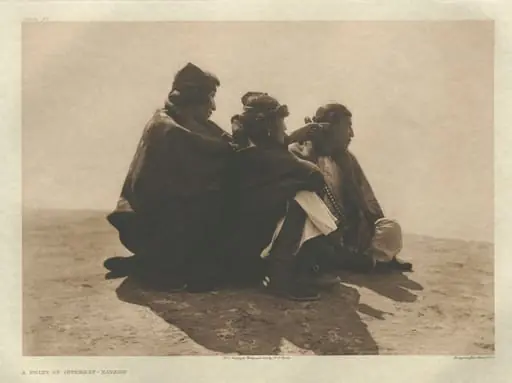 Portfolio I, Plate 36: A Point of Interest-Navaho
 Portfolio XVI, Plate 547: Walvía ("Medicine Root") - Taos
 Portfolio I, Plate 15: Apache Nalin
 Portfolio II, Plate 57