Artwork
Portfolio XII, Plate 429: A Walpi Snake Priest
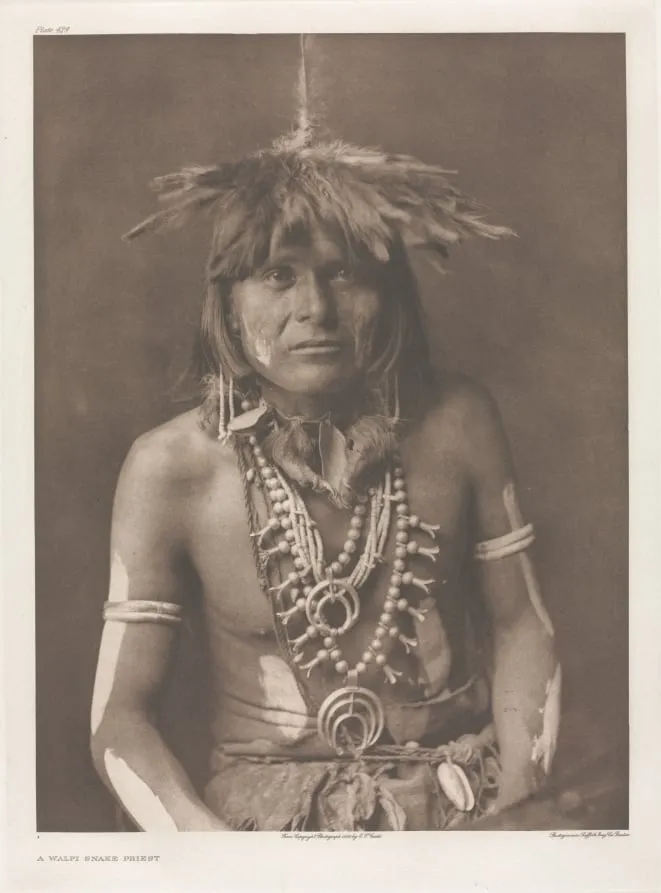
Portfolio XII, Plate 429: A Walpi Snake Priest is a work on paper by Edward S. Curtis. It dates from 1900 and is held in the collection of the Cleveland Museum of Art.
About this work
This painting is called Portfolio XII, Plate 429: A Walpi Snake Priest.
It was made by Edward S. Curtis in 1900. The title suggests it's about a specific person, a priest from Walpi, which is interesting because it gives us a glimpse into a particular culture.
You can learn more about this kind of artwork at The Cleveland Museum of Art.
Overview
The work is held in the collection of The Cleveland Museum of Art, where it is presented as a historical record rather than a fictionalized portrayal.
Portfolio XII, Plate 429: A Walpi Snake Priest is a photographic print from Edward S. Curtis’s larger project documenting Indigenous peoples of North America. Created in 1900, it is part of a series intended to record cultural practices and ceremonial figures. The work is held in the collection of The Cleveland Museum of Art, where it is presented as a historical record rather than a fictionalized portrayal.
Subject & Meaning
The subject is a ceremonial leader from Walpi, a Hopi village in Arizona, engaged in a snake ritual. The title identifies him as a priest, indicating his role in religious observances involving live snakes, which symbolize communication with ancestral spirits. Curtis’s framing emphasizes dignity and solemnity, reflecting the spiritual gravity of the ceremony rather than exoticizing its participants.
Technique & Style
Curtis used large-format film and natural light to capture fine detail and tonal depth. The image is carefully composed, with the priest centered against a muted background, drawing attention to his attire and gestures. Soft focus and deliberate lighting lend the photograph a contemplative quality, aligning with Curtis’s broader aesthetic of romanticized ethnographic portraiture.
History & Provenance
This photograph was produced during Curtis’s decade-long expedition to document Native American life, funded privately and later published in his twenty-volume The North American Indian. Plate 429 was printed as part of Portfolio XII, released around 1907. The Cleveland Museum of Art acquired it as part of its commitment to preserving early 20th-century photographic records of Indigenous cultures.
Context
Curtis’s work emerged during a period of intense cultural assimilation policies targeting Native communities. While his images preserved visual records of traditions at risk of being lost, they also reflected the era’s romantic and sometimes paternalistic views. The Walpi Snake Priest image exists within this tension—documenting ritual while filtering it through a settler-colonial lens.
Legacy
Curtis’s photographs, including this one, remain widely referenced in discussions of Indigenous representation. Scholars acknowledge their historical value as visual archives while critiquing their staged elements and omission of contemporary Native voices. The image continues to prompt dialogue about ethics in ethnographic documentation and the power of who controls the narrative.
Artist & collection

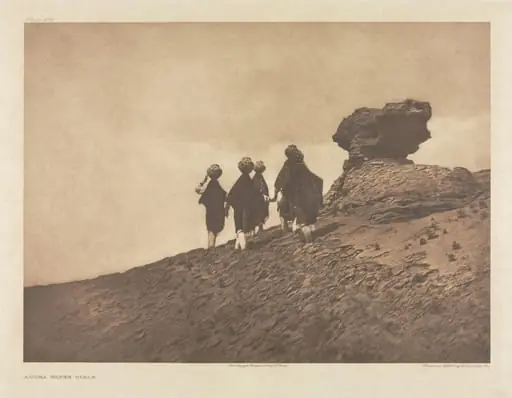 Portfolio XVI, Plate 573: Acoma Water Girls
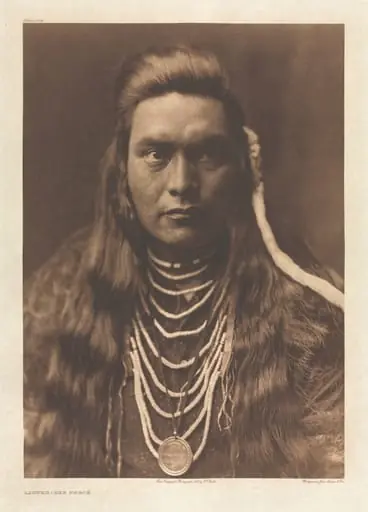 Portfolio VIII, Plate 264: Lawyer - Nez Percé
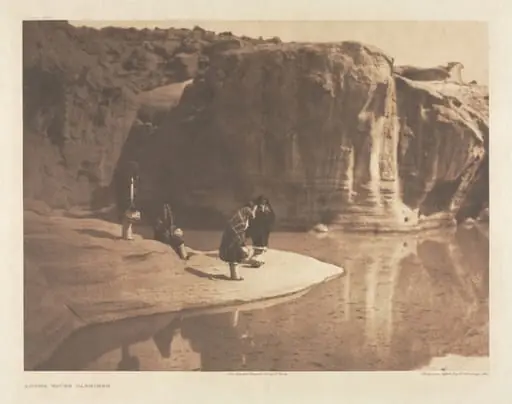 Portfolio XVI, Plate 568: Acoma Water Carriers
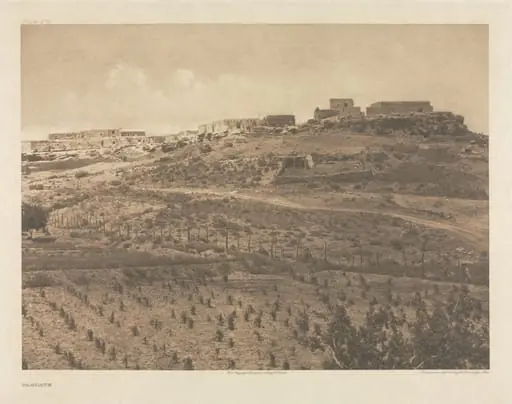 Portfolio XVI, Plate 574: Paguate
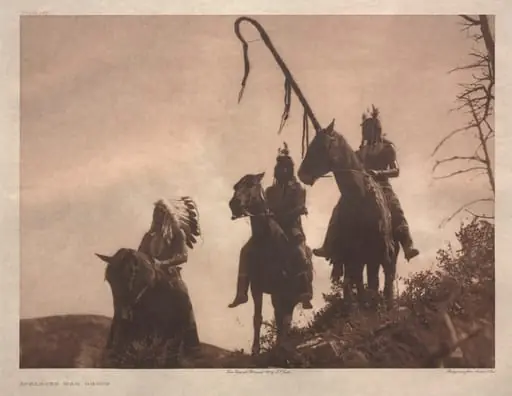 Portfolio IV, Plate 147: Apsaroke War Group
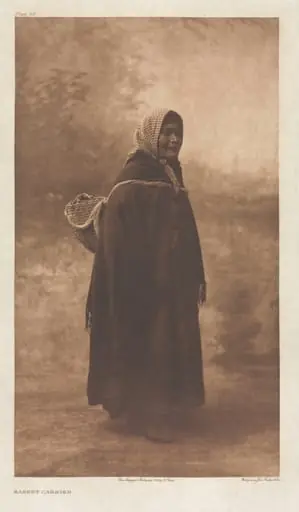 Portfolio IX, Plate 311: Basket Carrier
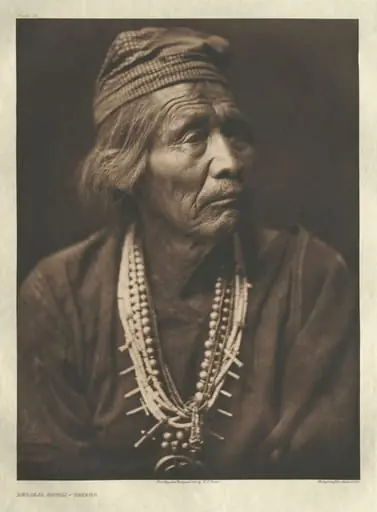 Portfolio I, Plate 31: Nesjája Hatáli-Navaho
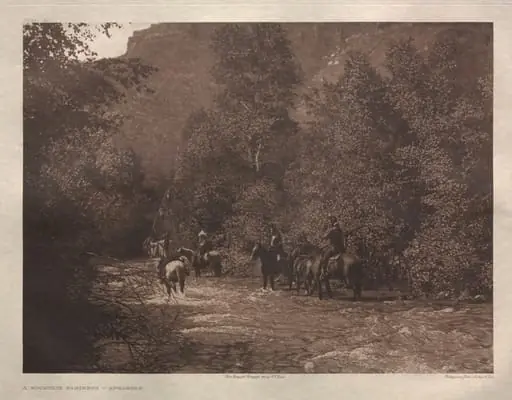 Portfolio IV, Plate 140: A Mountain Fastness--Apsaroke