Artwork
The Crucifixion
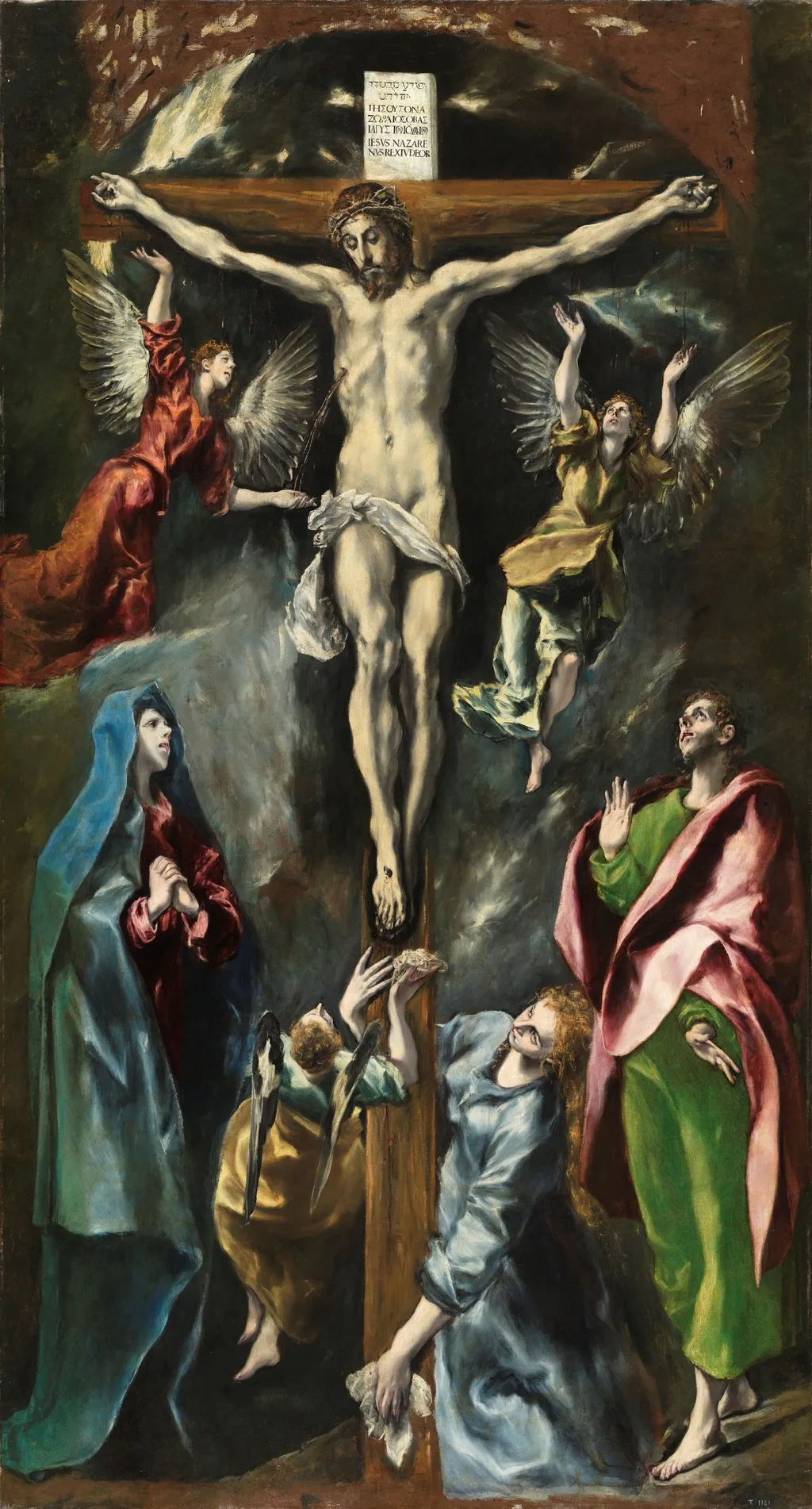
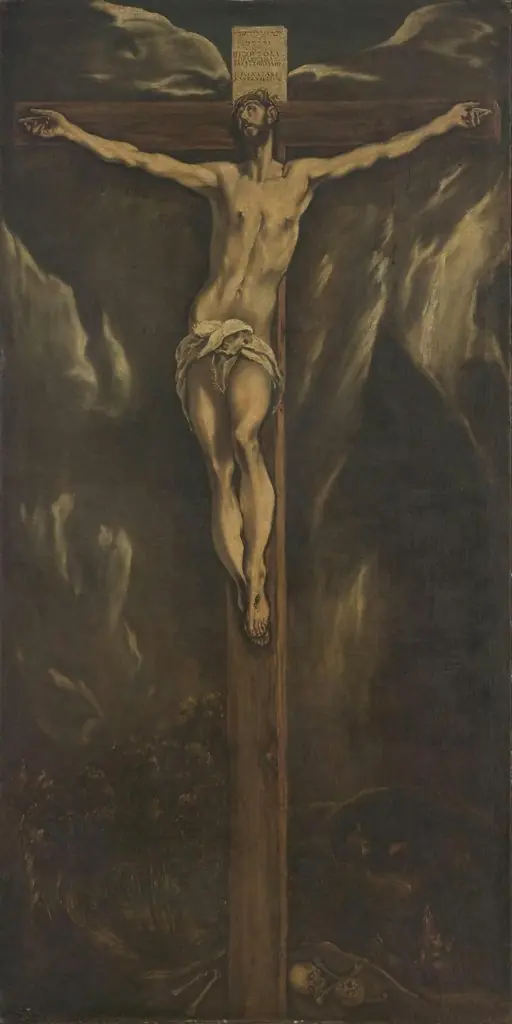
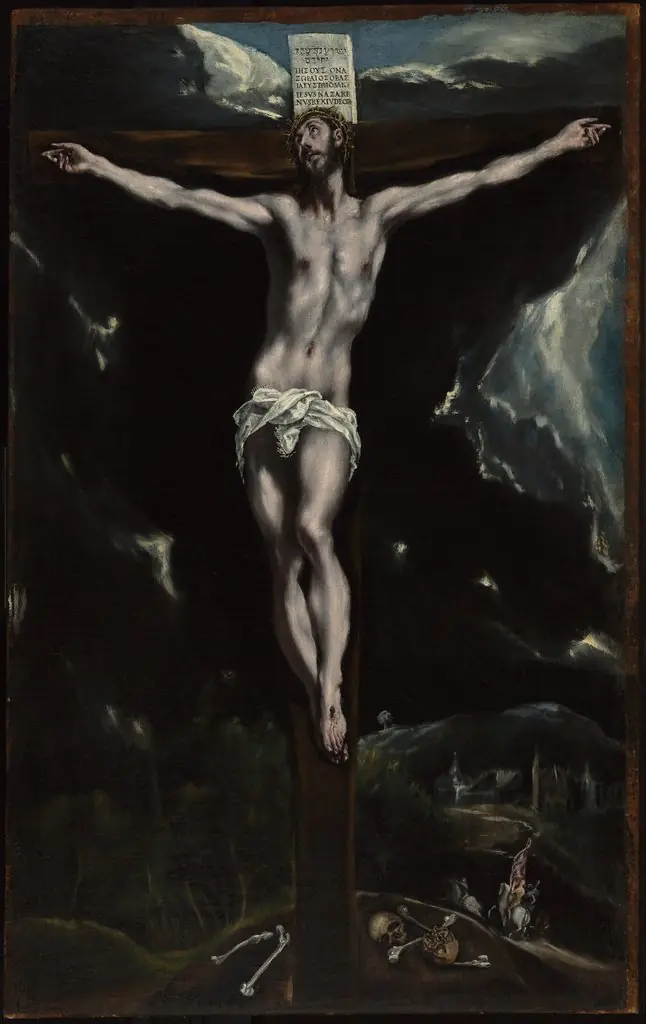
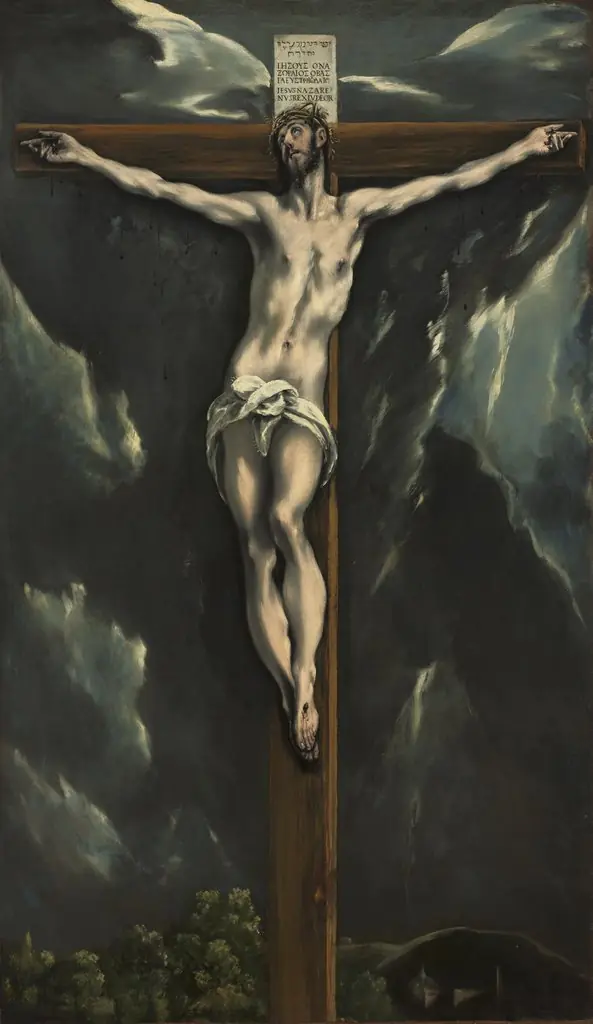
The Crucifixion is an oil painting by the Mannerist artist El Greco. It dates from 1600 and is held in the collection of the Museo del Prado.
About this work
Overview
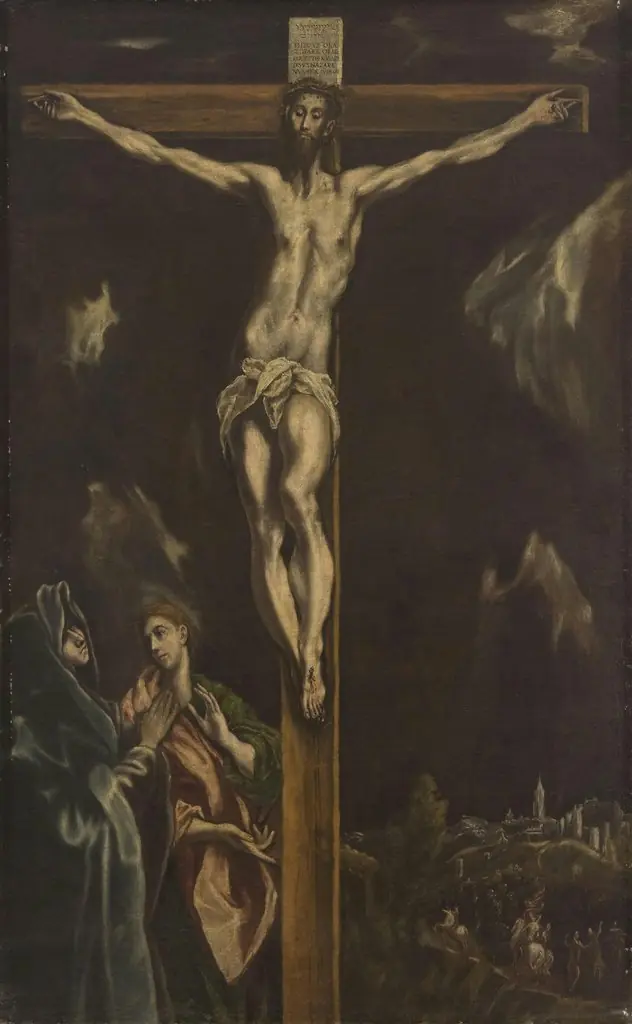
The Crucifixion is a religious oil painting created by El Greco in 1600, depicting the crucifixion of Jesus Christ. It is characterized by a somber atmosphere and a distinct visual style.
Subject & Meaning
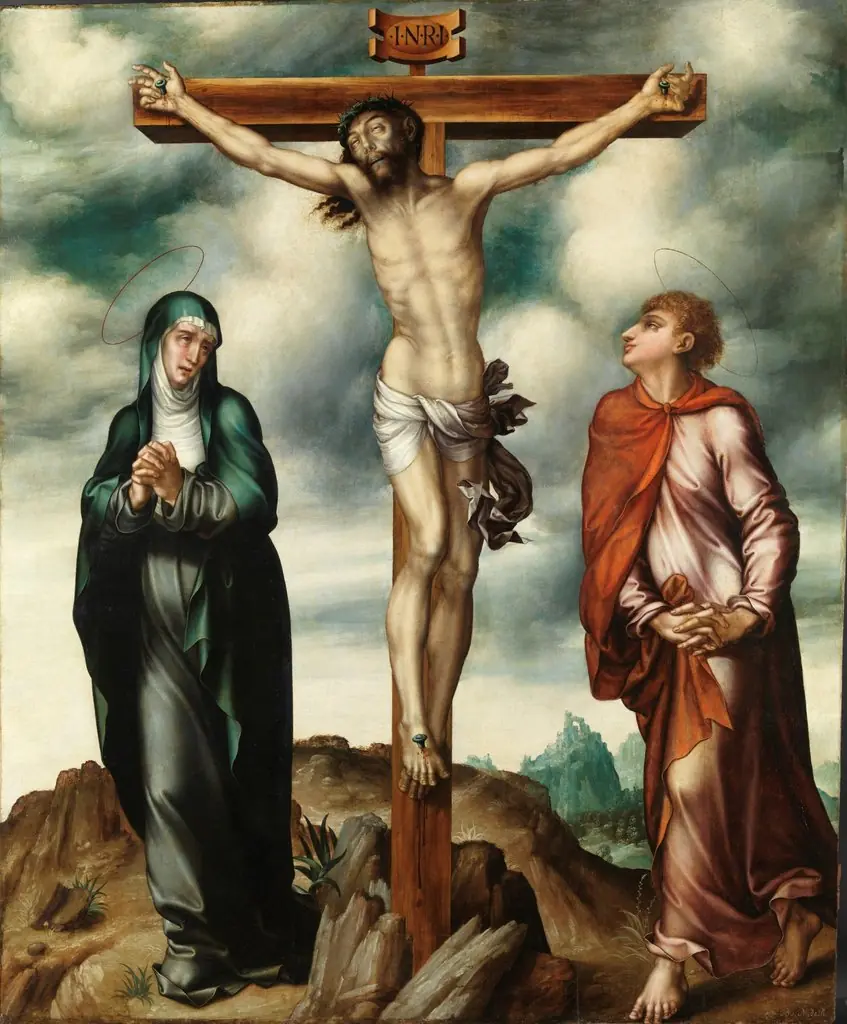
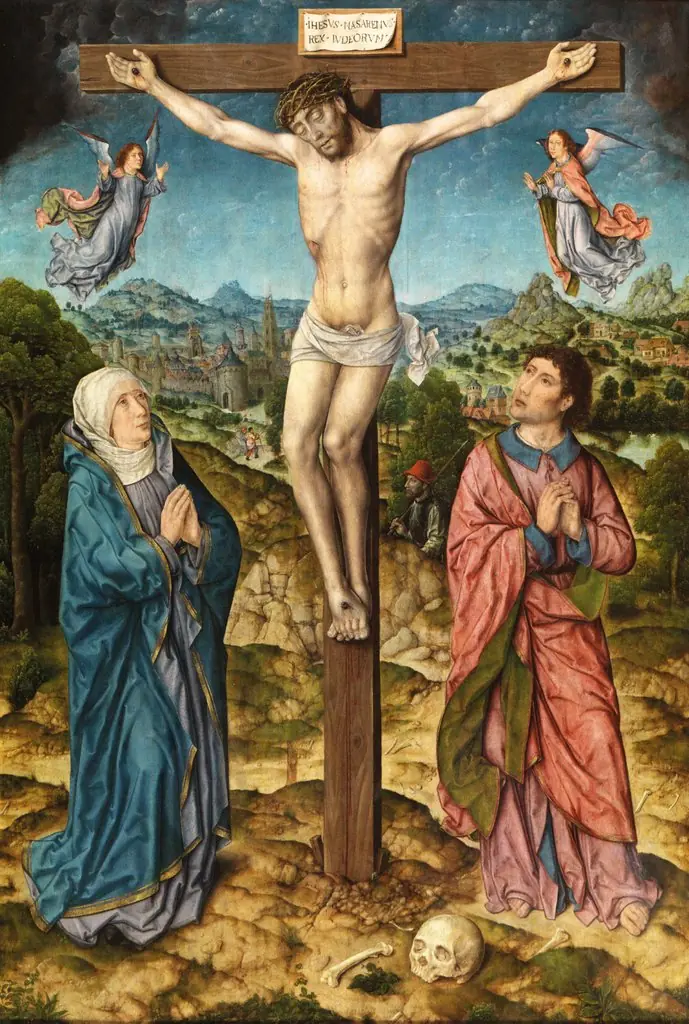
The painting centers on Jesus Christ crucified, his body rendered pale with arms outstretched and eyes cast downward in a pose conveying suffering and piety. A group of mourners, including a woman in blue and a man in red, gather below, emphasizing the emotional and devotional aspects of the scene.
Technique & Style
El Greco employs chiaroscuro, juxtaposing strong contrasts of light and dark to evoke a sense of drama and reverence. The dark, shadowy background, tinged with blue and green, heightens the overall mood of sadness and contemplation, aligning with Mannerist tendencies.
History & Provenance
Created in 1600, The Crucifixion is associated with the Mannerism movement. It is part of the collection at the Museo del Prado.
Context
As a Mannerist work, The Crucifixion reflects the artistic and religious sensibilities of its time, emphasizing emotional intensity and spiritual depth in religious subjects.
Legacy
While specific legacy details of this work are not highlighted, as part of El Greco's oeuvre, it contributes to the broader appreciation of Mannerist art and the evolution of religious painting.
Own this work as a print
Artist & collection
Artist
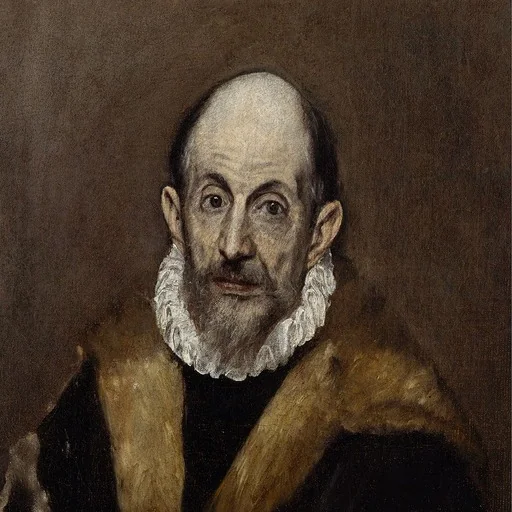
Doménikos Theotokópoulos was born in 1541 in Candia (modern Heraklion), the capital of Venetian-ruled Crete, where he was trained in the post-Byzantine tradition of icon painting.