Artwork
Henry I of England
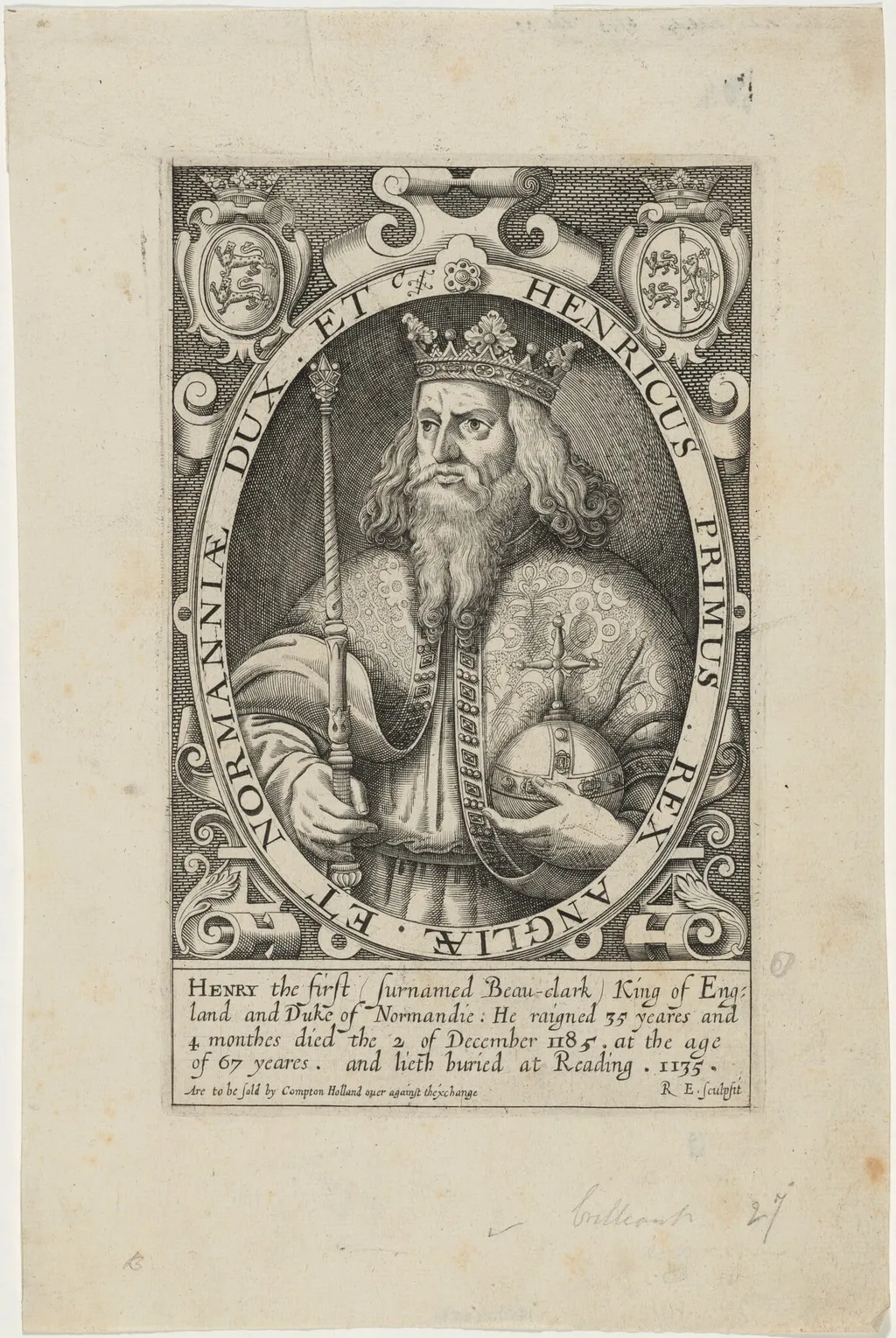
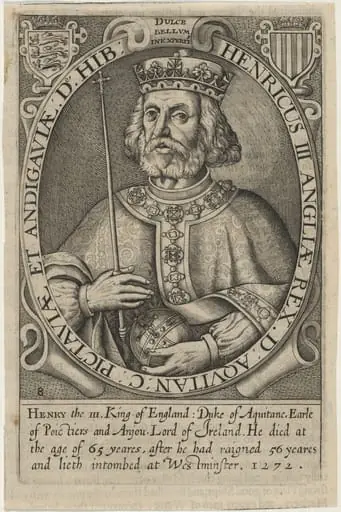
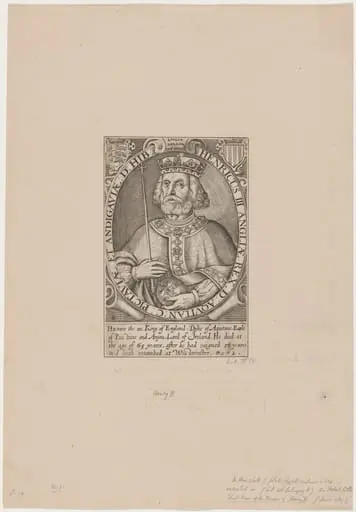
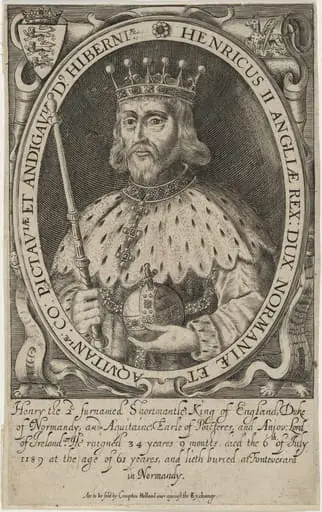
Henry I of England is an ink print by the Baroque artist Renold Elstrack. It dates from 1618 and is held in the collection of the National Gallery of Art.
About this work
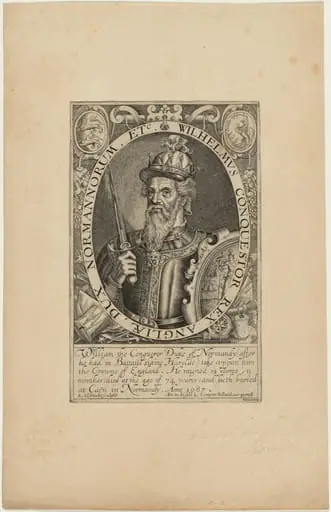
Around him are fancy letters and symbols, like a shield with a lion and the words "Dux Normannia" and "Rex Angliae.
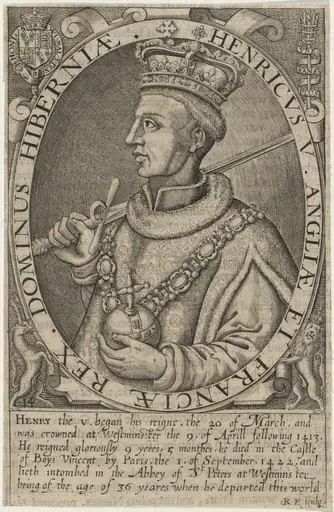
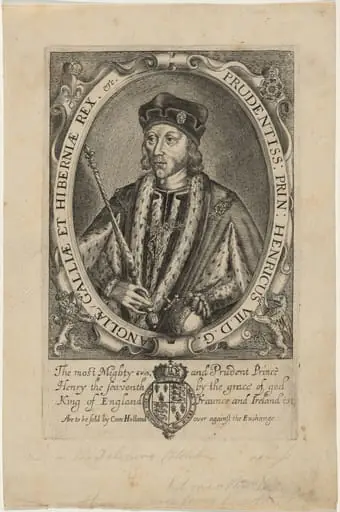
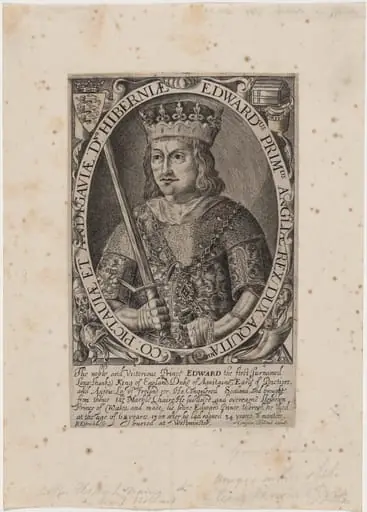
This is a black-and-white engraving of a bearded king wearing a crown and robes. He holds a globe and a scepter, sitting in a throne-like chair. Around him are fancy letters and symbols, like a shield with a lion and the words "Dux Normannia" and "Rex Angliae."
The text below says this is Henry I, king of England, and gives his life dates. The artist signed it as R. Elstrack, and it was made in 1618.
Next, look up engraving to see how artists like this carved detailed images into metal.
Overview
Renold Elstrack’s 1618 engraving presents a portrait of Henry I, the early 12th‑century monarch of England. Executed in black‑and‑white line work, the image shows the king seated on a throne, crowned and robed, holding a globe and a scepter. Inscribed around the figure are heraldic and textual elements, including a shield bearing a lion and the Latin titles Dux Normannia and Rex Angliae. The artist’s signature, R. Elstrack, appears in the lower margin.
Subject & Meaning
The composition emphasizes Henry I’s dual authority as ruler of England and duke of Normandy, conveyed through the regal regalia and the accompanying symbols. The globe suggests universal sovereignty, while the scepter denotes temporal power. The lion on the shield reinforces dynastic identity, and the Latin epithets identify the sitter explicitly, linking his English kingship with his Norman heritage.
Technique & Style
Elstrack employed the traditional copper‑plate engraving method, incising fine lines into metal to produce a detailed, tonal image. The contrast of dense hatching for shadows against lighter areas creates a three‑dimensional effect on the king’s face, garments, and throne. Decorative lettering and heraldic motifs are rendered with precise, uniform strokes, characteristic of early 17th‑century English printmaking.
History & Provenance
Created in 1618, the print reflects a period of renewed interest in England’s medieval rulers. The work bears the artist’s signature and date, indicating it was likely intended for a learned audience familiar with royal iconography. While specific ownership records are scarce, the engraving has been reproduced in several historical collections documenting English monarchs.
Artist & collection