Artwork
Henry VII of England
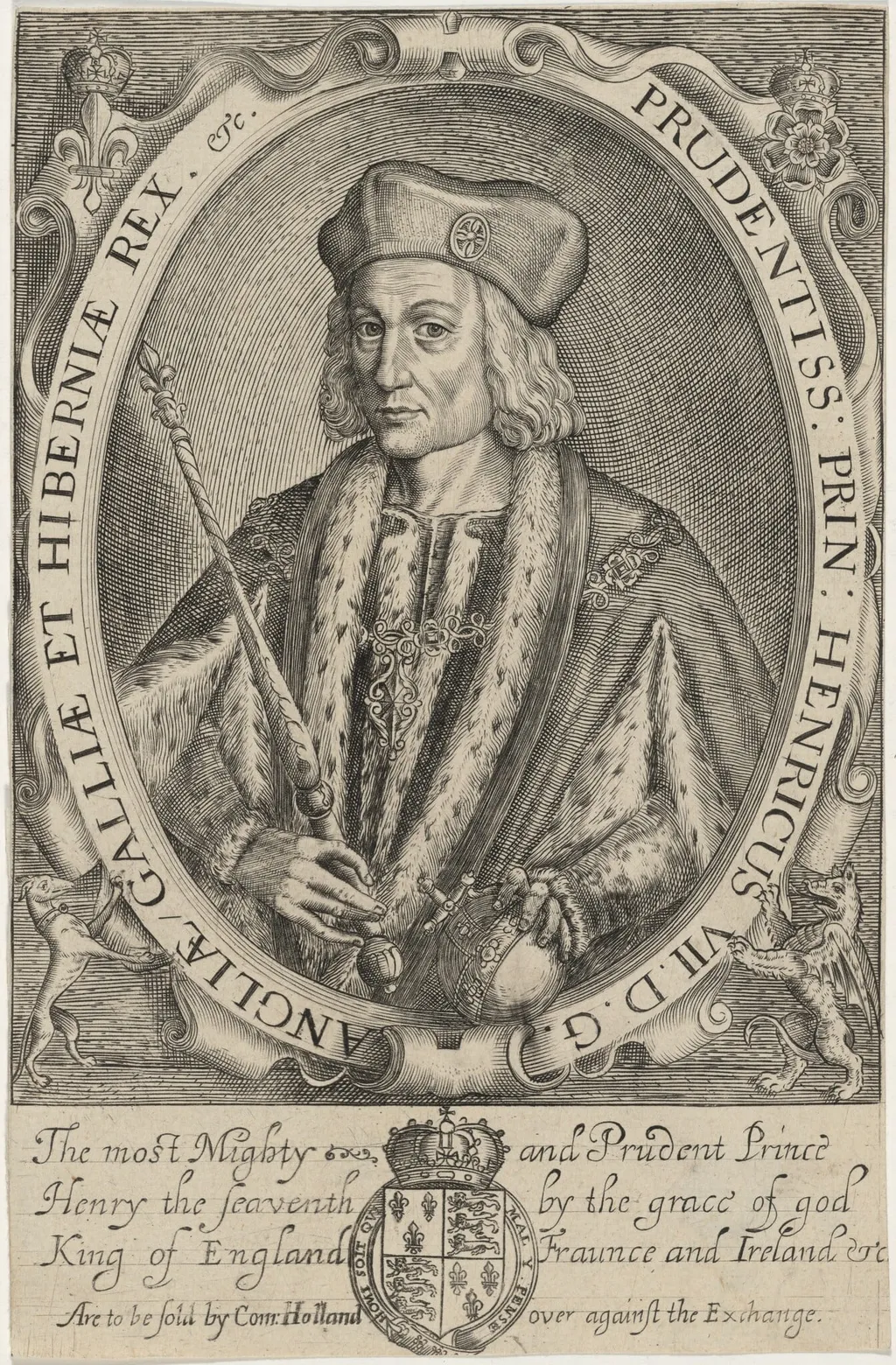
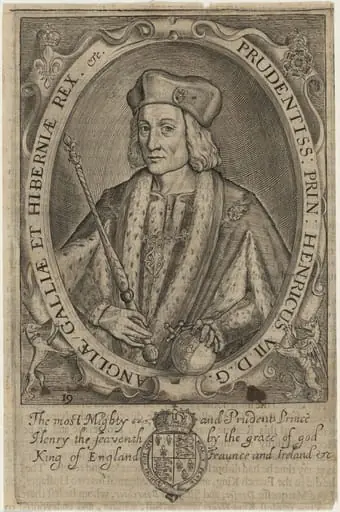
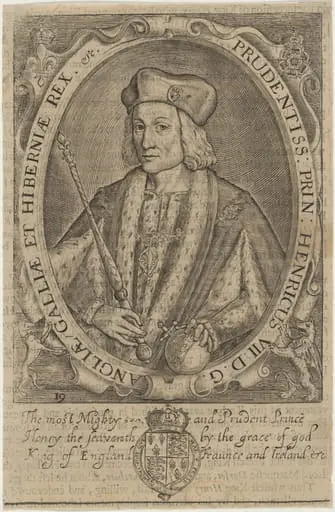
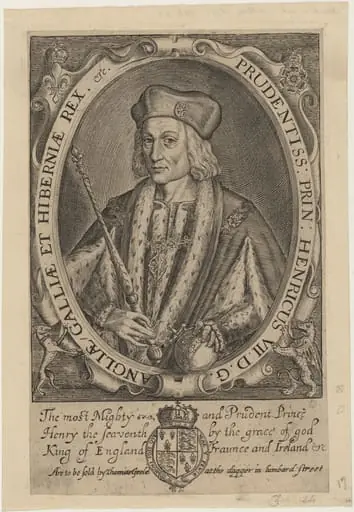
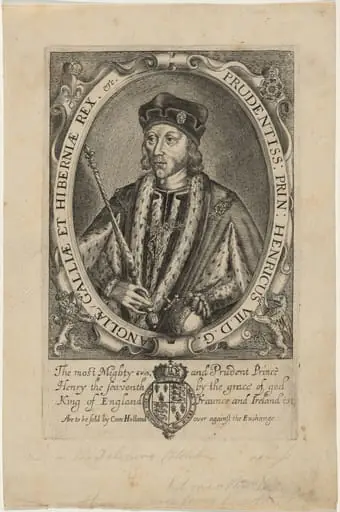
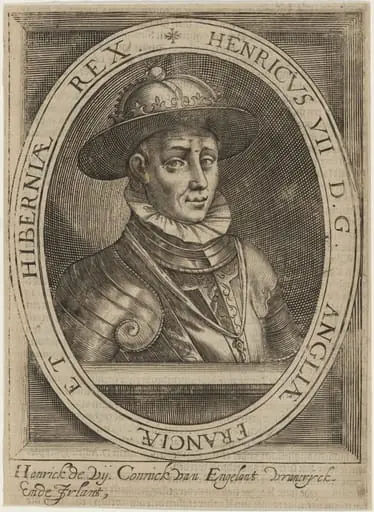
Henry VII of England is an ink print by the Renaissance artist Renold Elstrack. It dates from 1598 and is held in the collection of the National Gallery of Art.
About this work
Overview
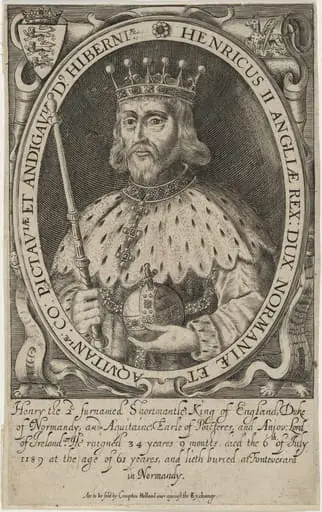
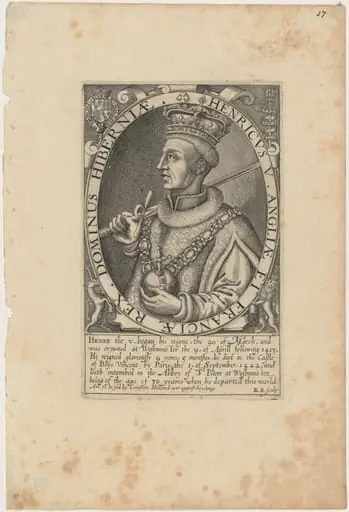
Renold Elstrack’s 1598 engraving presents a portrait of a male figure in elaborate court dress, identifiable as Henry VII of England. The composition centers the sitter, who holds a scepter in his right hand, signifying royal authority. The work exemplifies late‑sixteenth‑century printmaking intended for distribution among the English elite and for commemorative purposes.
Subject & Meaning
The figure is rendered as a sovereign, his fur‑trimmed coat and stylized hat marking status and wealth. The scepter, a traditional emblem of monarchical power, reinforces his legitimacy and the continuity of the Tudor dynasty. The solemn expression conveys the gravitas associated with a founding king of the Tudor line.
Technique & Style
Elstrack employs fine cross‑hatching to model flesh, fabric and fur, achieving a nuanced sense of volume and texture within the constraints of copper engraving. The line work is precise, allowing subtle gradations of tone that give the portrait a realistic yet formal quality typical of English portrait prints of the period.
History & Provenance
Created in 1598, the print emerged shortly after Henry VII’s death and during the reign of his great‑grandson, Elizabeth I, when Tudor iconography was actively circulated. The engraving was likely produced for a market of collectors and courtiers, and surviving copies are found in several European print collections, attesting to its wide distribution.
Context
The portrait belongs to a broader tradition of posthumous royal imagery that reinforced dynastic narratives. In the late sixteenth century, engravings served as an affordable means of disseminating royal likenesses, complementing painted portraits and reinforcing the political legitimacy of the reigning monarch.
Legacy
Elstrack’s depiction contributed to the visual canon of Henry VII, influencing later representations in both print and painting. The work remains a reference point for scholars studying Tudor portraiture and the development of engraving techniques in early modern England.
Artist & collection