Artwork
Queen Elizabeth
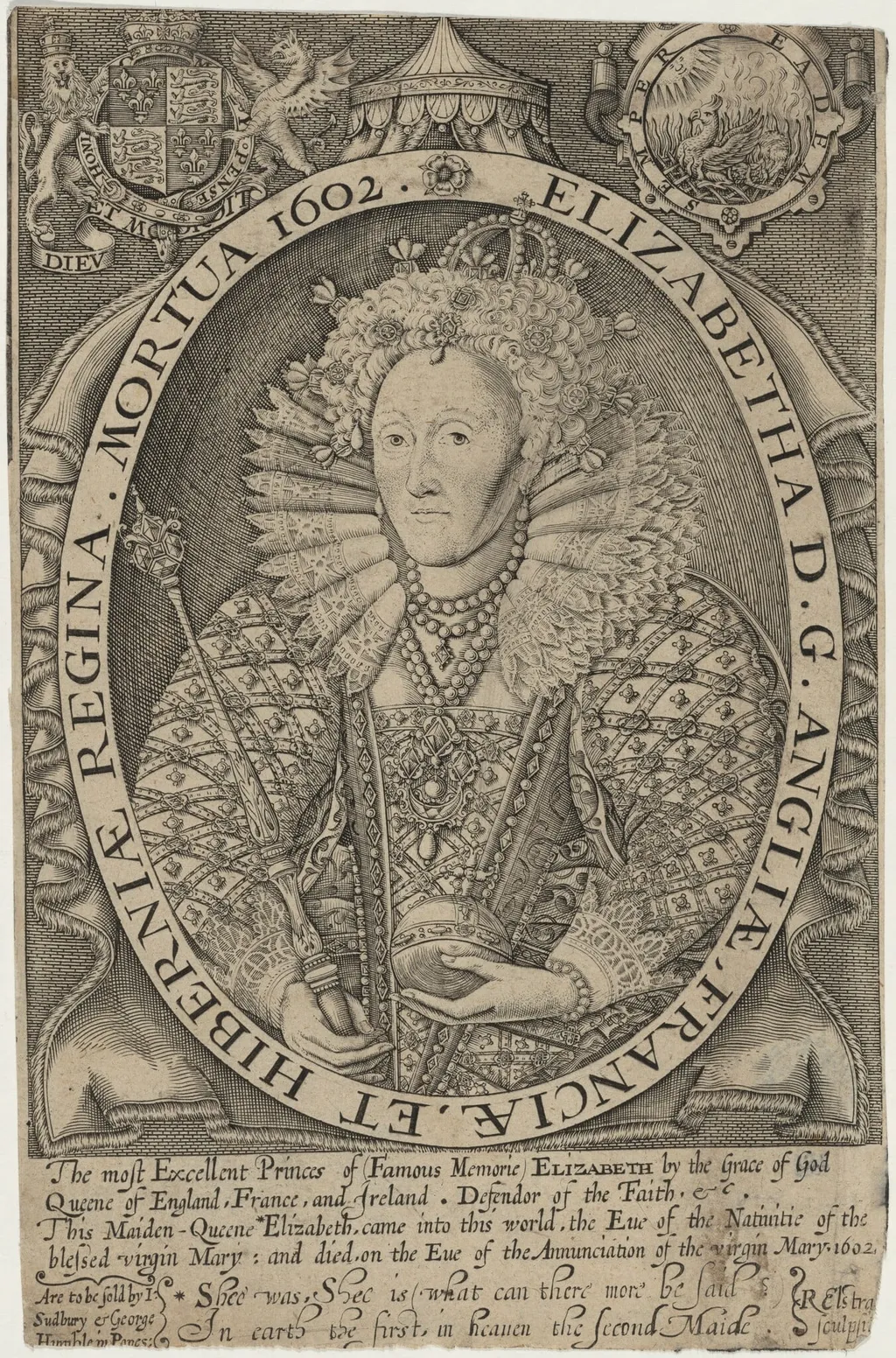
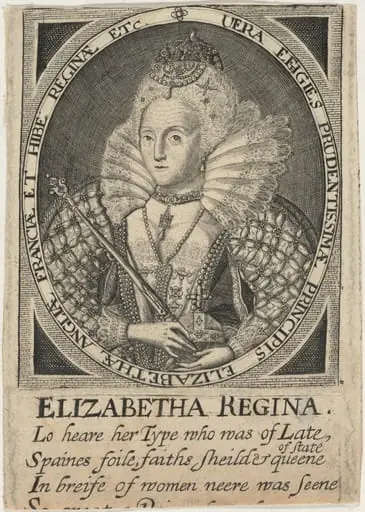
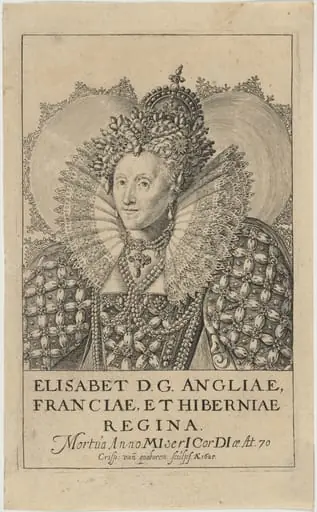
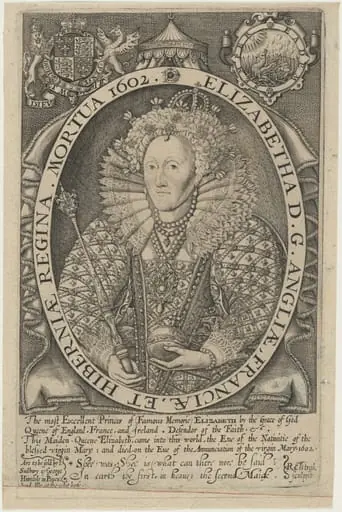
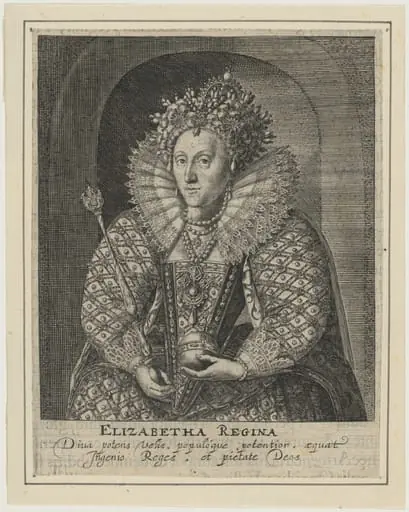
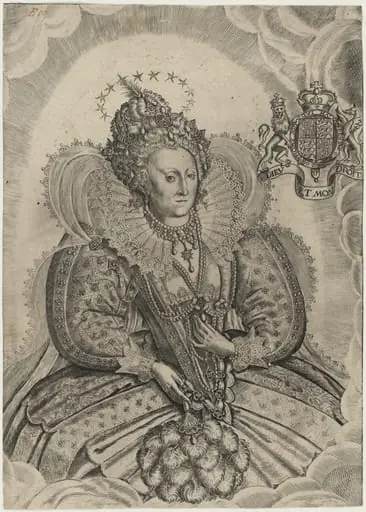
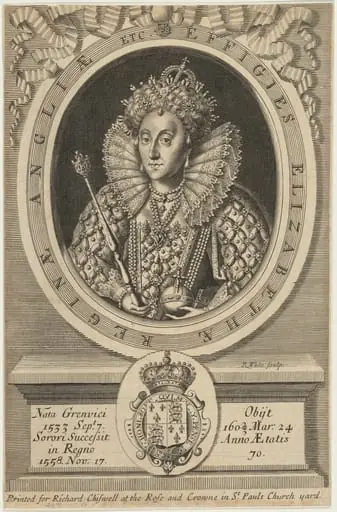
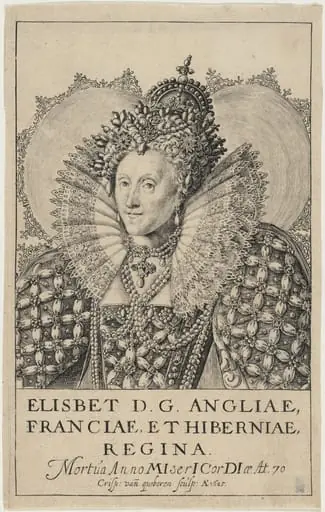
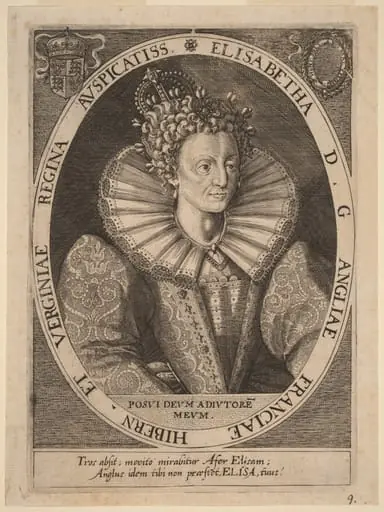
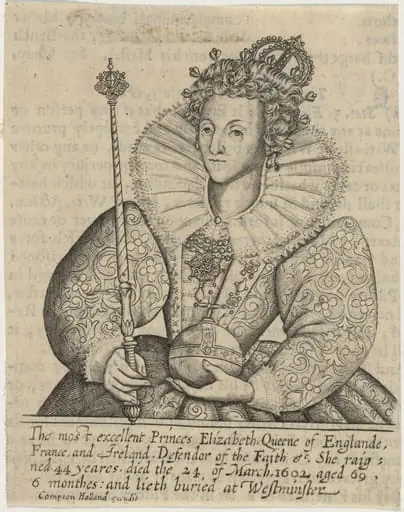
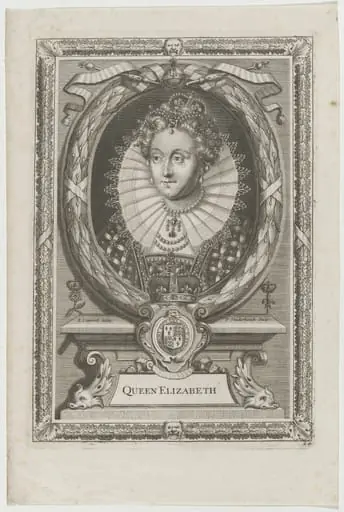
Queen Elizabeth is an ink print by the Renaissance artist Renold Elstrack. It dates from 1598 and is held in the collection of the National Gallery of Art.
About this work
Overview
As a printed image, it was intended for wider circulation among the elite, reinforcing the monarch’s public image beyond painted portraits.
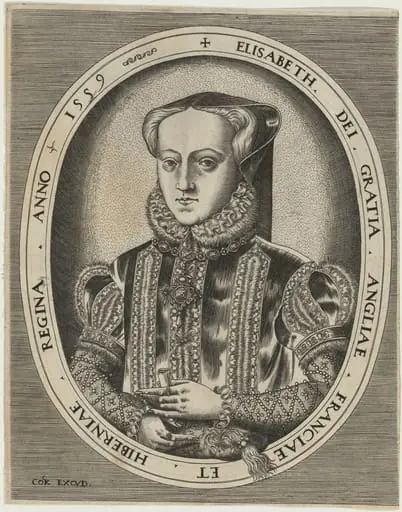
Created in 1598 by Renold Elstrack, this black-and-white engraving depicts Queen Elizabeth I in formal portraiture. Executed with fine, precise lines, the print captures her likeness with meticulous detail. The composition is densely packed with symbolic elements, reflecting the conventions of late Tudor visual propaganda. As a printed image, it was intended for wider circulation among the elite, reinforcing the monarch’s public image beyond painted portraits.
Subject & Meaning
The portrait presents Elizabeth I as an authoritative, almost regal icon. Her elaborate ruff, jeweled necklace, and the wreath inscribed with 'ELIZABETH' and 'REGINA' emphasize her status and divine right. The small object in her right hand may symbolize sovereignty or governance. Surrounding motifs—crowns, flowers, and emblems—serve as allegorical references to her reign, virtue, and the stability of her rule, blending personal likeness with political messaging.
Technique & Style
Elstrack employed the engraving technique, incising fine lines into a copper plate to create tonal gradations. The shading on her face and garments achieves a subtle three-dimensionality, unusual in prints of the period. The background is filled with intricate, miniature symbols rendered in delicate cross-hatching and stippling. This labor-intensive method required exceptional skill and reflected the high value placed on precision in royal portraiture.
History & Provenance
The engraving was produced during the final years of Elizabeth’s reign, likely for distribution among courtiers and foreign dignitaries. It was one of the earliest engraved portraits of the queen to be widely circulated. While the original plate is lost, surviving impressions suggest it was reprinted over time. Its survival in several European collections indicates its role in shaping international perceptions of the English monarch.
Context
In late 16th-century England, printed portraits served as tools of political communication, especially when access to the monarch was limited. Elstrack’s work aligned with a broader trend of using print to disseminate royal imagery, countering the dominance of painted portraits held by the aristocracy. The dense symbolism reflects the era’s fascination with allegory and the need to project power through visual language in an age of religious and political upheaval.
Legacy
Elstrack’s engraving contributed to the standardized visual representation of Elizabeth I that endured long after her death. Its combination of realism and symbolism influenced later portrait prints and helped establish engraving as a legitimate medium for royal imagery. Though not the most famous portrait of the queen, it remains a key example of how print technology extended the reach of monarchical iconography in early modern Europe.
Artist & collection