Artwork
Queen Elizabeth
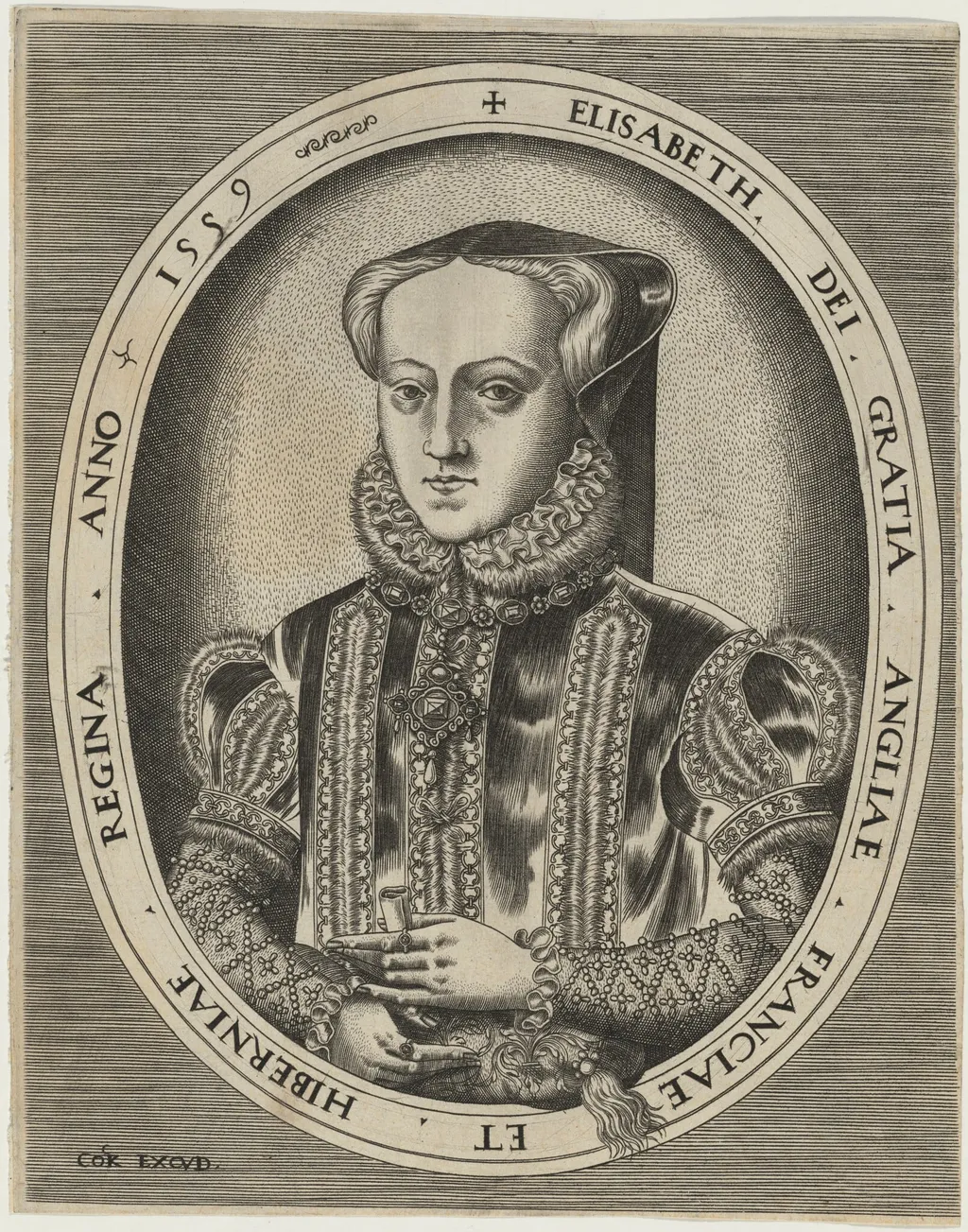
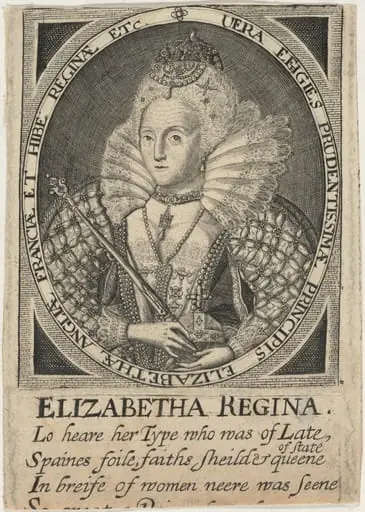
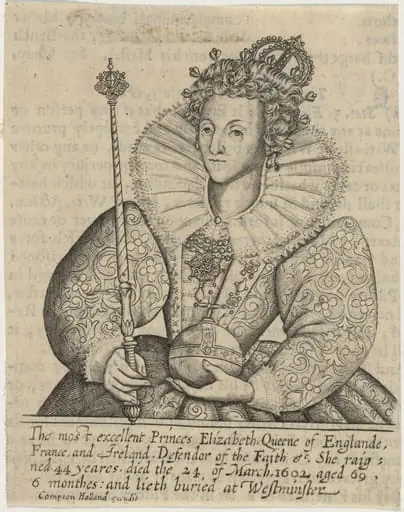
Queen Elizabeth is an ink print by the Renaissance artist Frans Huys. It dates from 1542 and is held in the collection of the National Gallery of Art.
About this work
Overview
The composition centers the figure against a minimal background, emphasizing her regal presence through detailed clothing and inscribed honorifics.
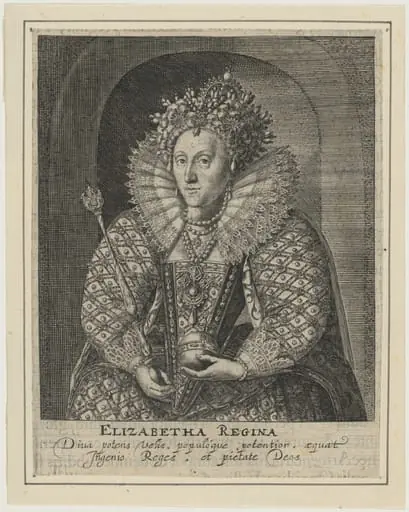
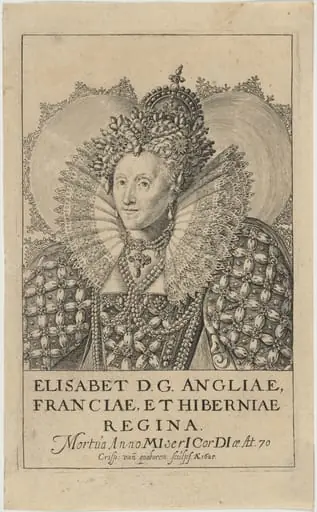
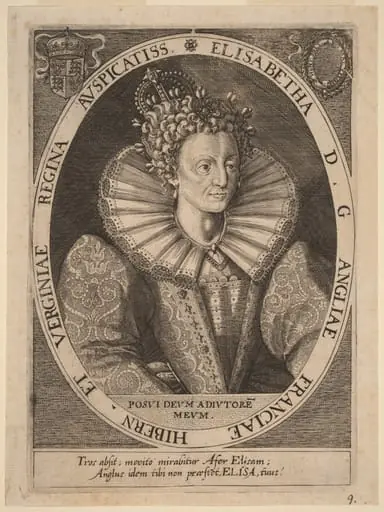
Created in 1542 by Frans Huys, this black-and-white engraving depicts Queen Elizabeth I in formal attire. The image is a portrait rendered through precise etched lines, typical of Northern Renaissance printmaking. The composition centers the figure against a minimal background, emphasizing her regal presence through detailed clothing and inscribed honorifics. The work serves as a printed representation of royal authority, disseminated in an era when such images were rare and carefully controlled.
Subject & Meaning
The portrait presents Elizabeth I as a sovereign figure, identified by inscriptions such as 'Queen' and 'Grace' that affirm her status. Her direct gaze and restrained expression convey solemnity and authority. The elaborate ruff and patterned sleeves reflect contemporary court fashion, while her hands resting on a surface suggest composure and control. The image functions not as a personal likeness but as a symbolic assertion of legitimacy and power during a politically fragile period.
Technique & Style
Huys employed engraving, a method involving incised lines on a metal plate inked and pressed onto paper. Fine, controlled strokes define textures in the fabric, the ruffled collar, and the carved side panels, creating depth without color. The sharp contrasts and linear precision are characteristic of Northern European printmaking traditions. The absence of shading or tone relies entirely on line weight and density to model form and convey texture.
History & Provenance
Produced in 1542, the engraving emerged during Elizabeth’s childhood, before her accession to the throne. It likely circulated among courtiers or diplomatic circles as a visual affirmation of her royal lineage. No definitive record of its early ownership exists, but its survival suggests it was valued as a rare image of the future monarch. The work reflects early efforts to visually establish her public identity in print.
Context
In the early 1540s, England’s succession was uncertain, and Elizabeth’s position as a princess was precarious. Printed portraits like this one were tools of political messaging, reinforcing legitimacy through imagery. Engravings allowed for wider distribution than paintings, making them ideal for projecting royal presence beyond the court. Huys’s work aligns with a broader trend of using print to shape public perception of nobility.
Legacy
Though not widely known today, this engraving remains one of the earliest printed images of Elizabeth I. It offers insight into how her image was constructed before her reign, revealing the symbolic language of power in pre-accession portraiture. As a surviving example of mid-16th-century print culture, it contributes to understanding the role of visual media in early modern political identity.
Artist & collection


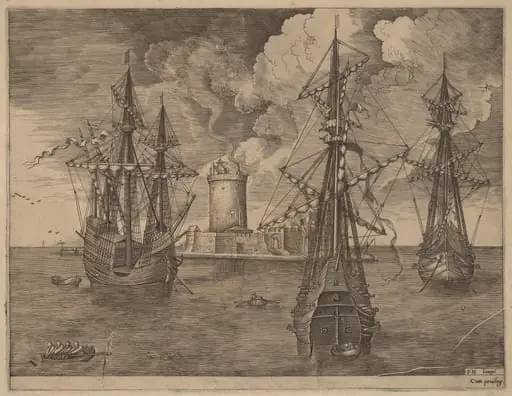 Four-Master (Left) and Two Three-Masters Ancored Near a Fortified Island with a Lighthouse
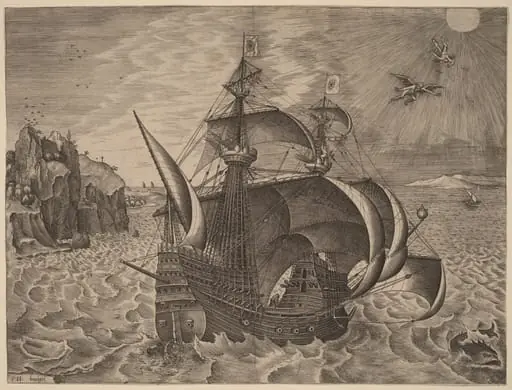 Armed Three-Master with Daedalus and Icarus in the Sky
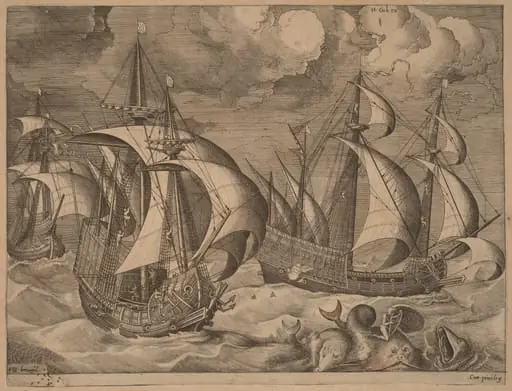 Three Caravels in a Rising Squall with Adrion on a Dolphin
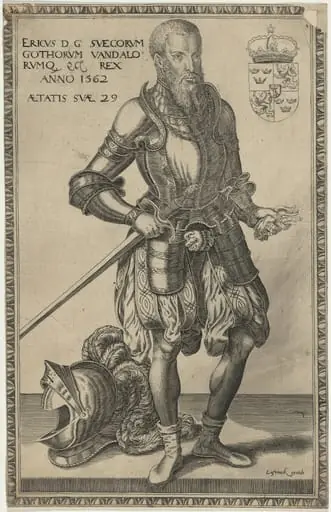 Eric XIV, King of Sweden
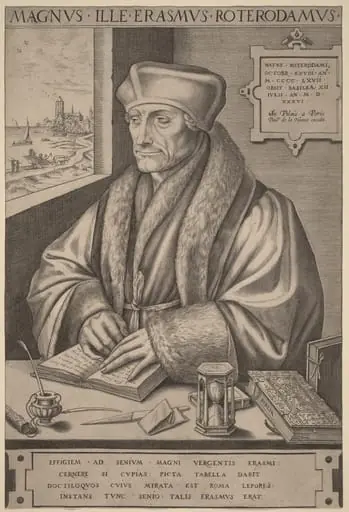 Erasmus of Rotterdam
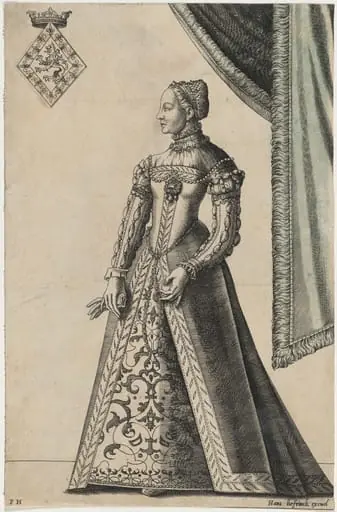 Mary, Queen of Scots
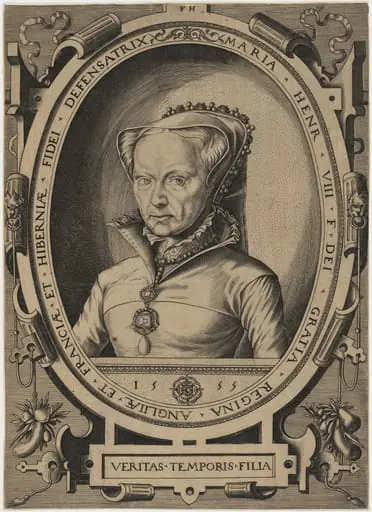 Queen Mary of England
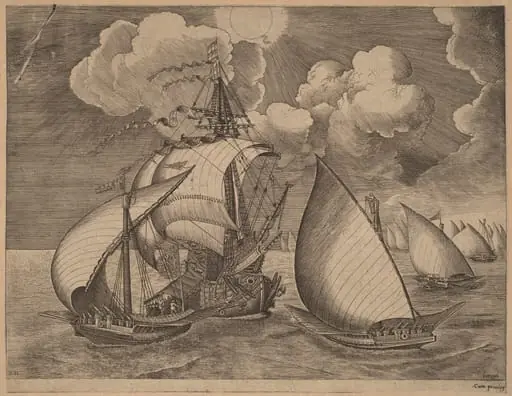 A Fleet of Galleys Escorted by a Caravel