Artwork
Queen Elizabeth
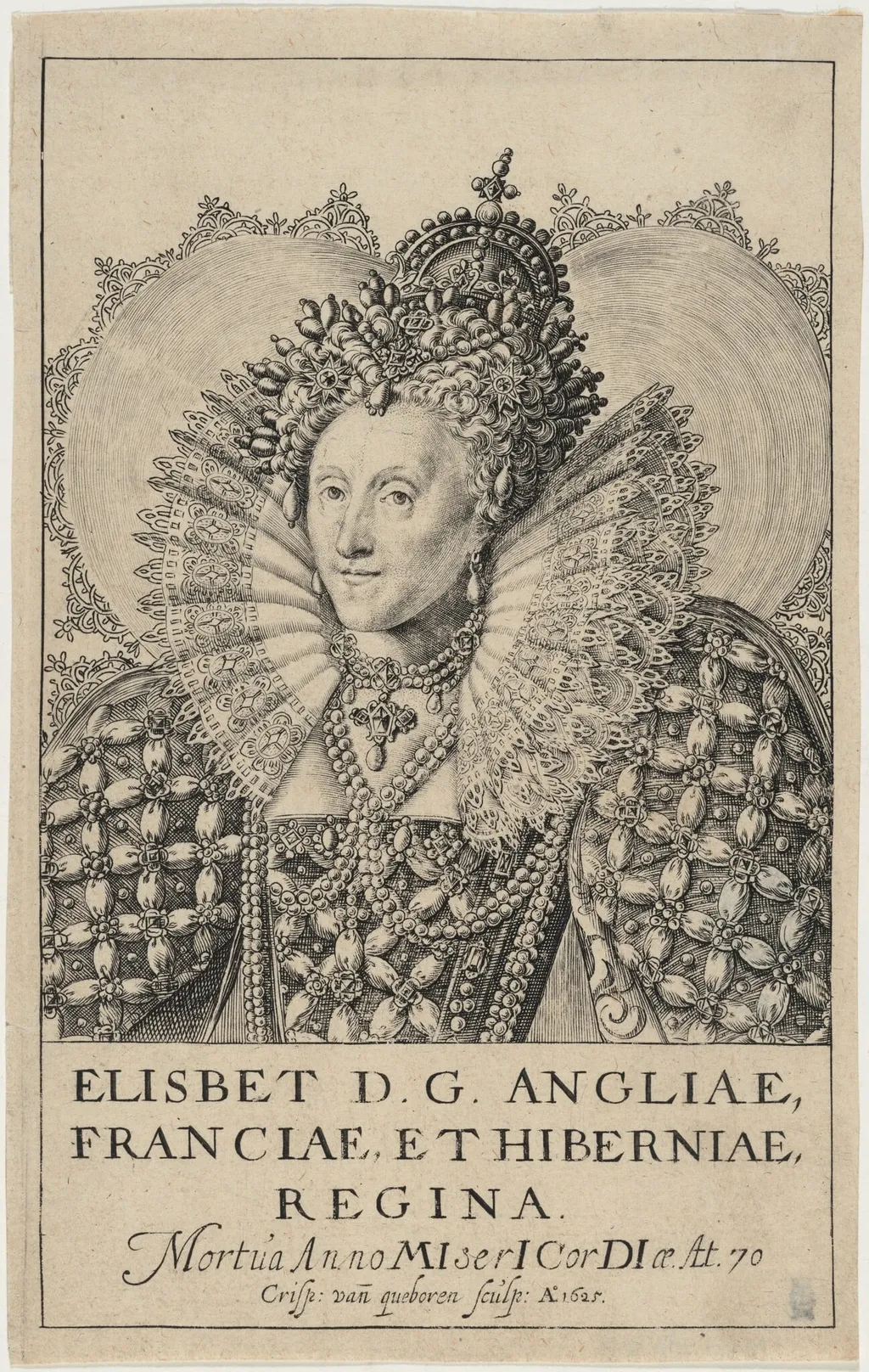
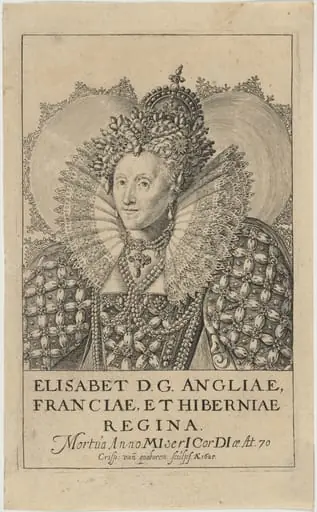
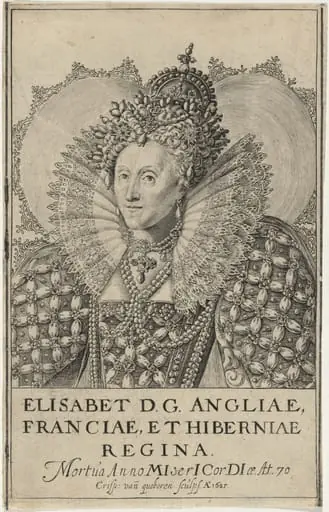
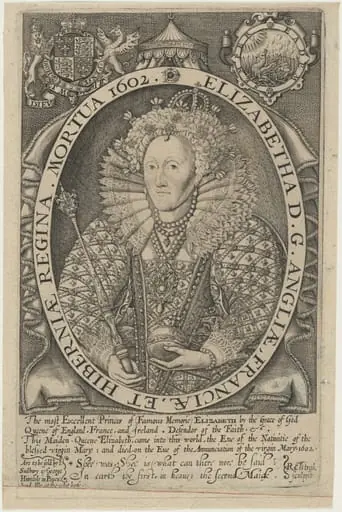
Queen Elizabeth is an ink print by the Baroque artist Crispyn van den Queboorn. It dates from 1625 and is held in the collection of the National Gallery of Art.
About this work
The text below her name calls her "Queen of England, France, and Ireland," which matches the title *Queen Elizabeth*.
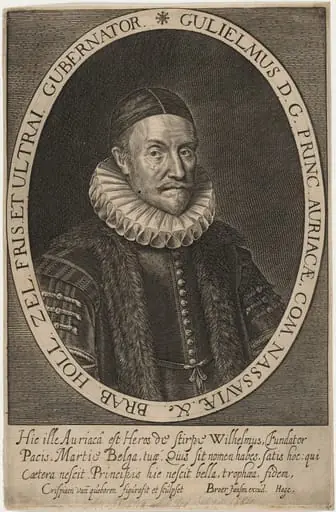
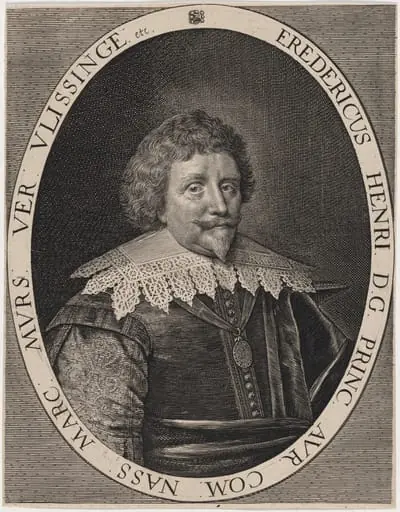
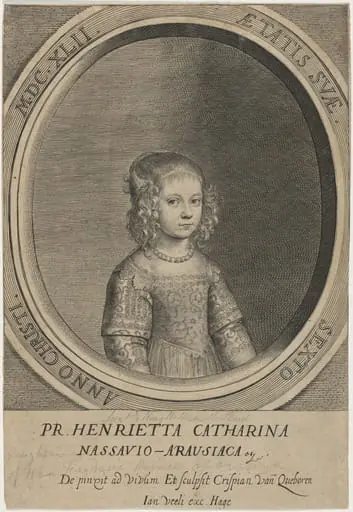
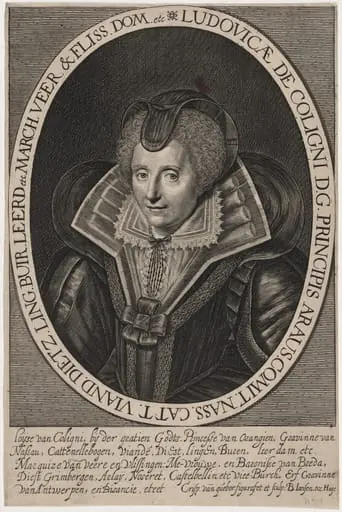
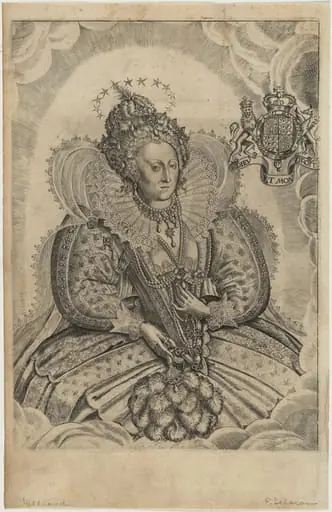
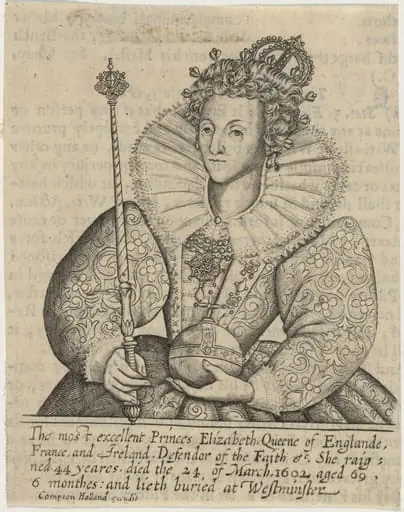
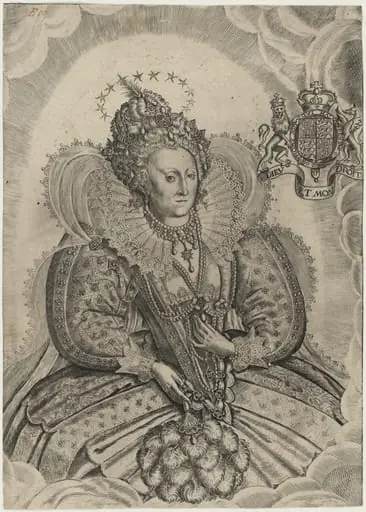
This is a black-and-white portrait of a woman with a tall, fancy crown and a big, ruffled collar. Her face is calm, and she wears heavy jewelry—necklaces and earrings. The background is plain, so the focus stays on her.
The text below her name calls her "Queen of England, France, and Ireland," which matches the title *Queen Elizabeth*. The artist signed it in 1625, making it an old print.
Look up engraving to see how artists like this one carved detailed images into metal.
Overview
An engraving from 1625 by Crispyn van den Queboorn depicts Queen Elizabeth I in formal portraiture. Rendered in monochrome, the print captures her likeness with precision through incised lines on metal, a technique common in early modern printmaking. The composition isolates her figure against a neutral background, emphasizing her regal attire and status. The artist’s signature and date confirm its origin in the year of her death.
Subject & Meaning
The portrait presents Elizabeth I as sovereign of England, France, and Ireland, reflecting the traditional claims of the English crown. Her expression is composed, conveying authority without overt emotion. The elaborate crown and ornate jewelry reinforce her imperial identity, while the ruffled collar, typical of late Tudor fashion, anchors the image in historical context. The image functions as a visual assertion of legitimacy and continuity.
Technique & Style
Van den Queboorn employed fine-line engraving to render texture and detail, particularly in the lace of the collar and the facets of the jewelry. The contrast between light and shadow is achieved through controlled hatching and cross-hatching, not tone. The background remains unadorned, directing attention to the figure’s form and regalia. The style aligns with Northern European portraiture traditions of the period, prioritizing clarity over embellishment.
History & Provenance
Created in 1625, the engraving emerged shortly after Elizabeth’s death, likely intended for distribution among elites or as a commemorative piece. Van den Queboorn, active in the Low Countries, was known for reproductive prints of English monarchs. The work may have circulated in Protestant Europe as a symbol of stable monarchy, though its specific early ownership remains undocumented.
Context
In the early 17th century, printed portraits of Elizabeth I remained popular despite her passing, serving political and cultural memory. Engravings like this one helped sustain her image as a symbol of national identity, especially amid shifting dynasties. The inclusion of France in her title reflects outdated claims, preserved for ceremonial continuity rather than territorial reality.
Legacy
The engraving contributes to the visual archive of Elizabeth I, preserving her iconography through mechanical reproduction. While not widely known today, it exemplifies how print media disseminated royal imagery across Europe. Its survival offers insight into how early modern audiences engaged with monarchy through accessible, reproducible formats.
Artist & collection