Artwork
Sir Francis Walsingham
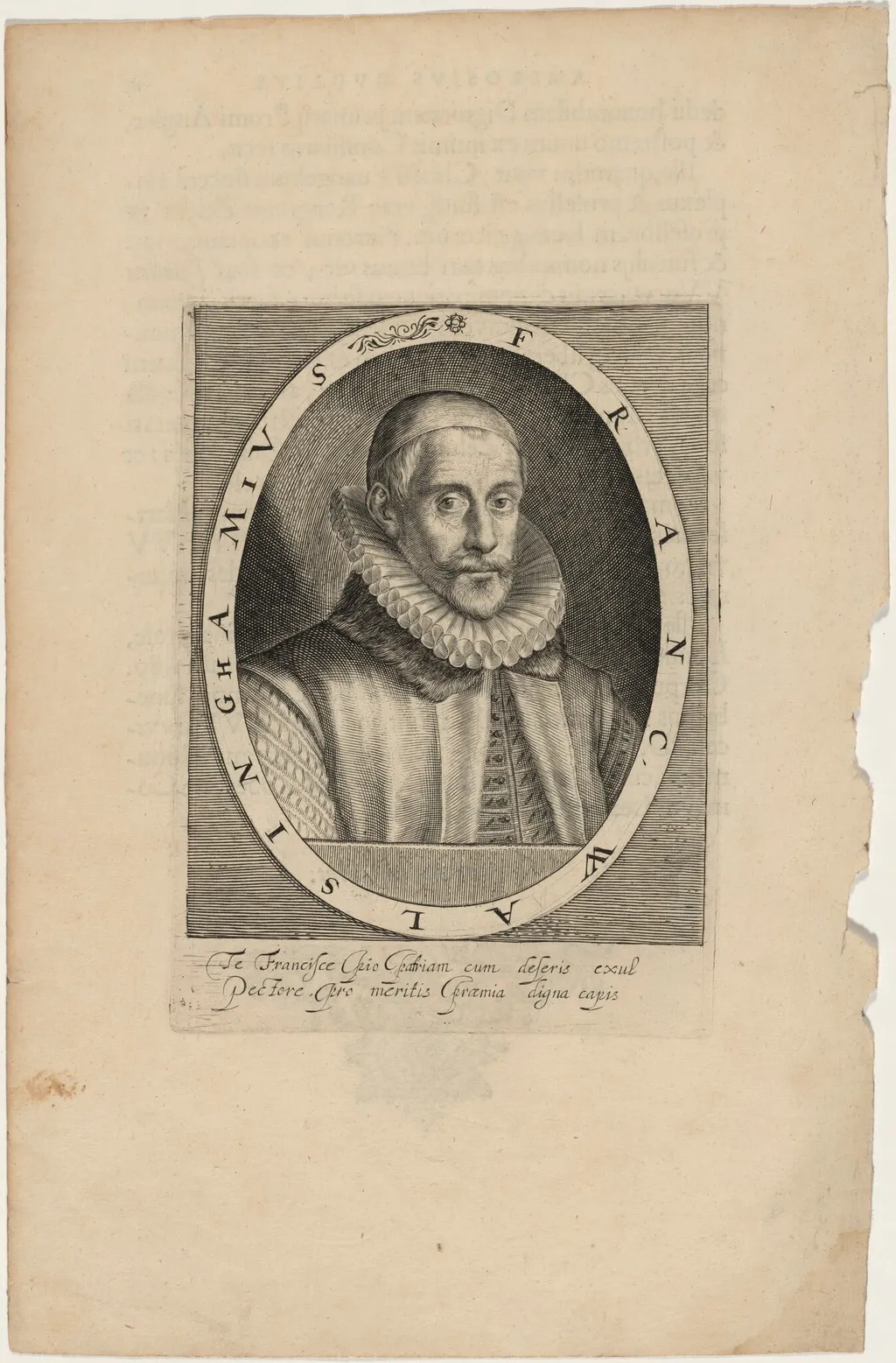
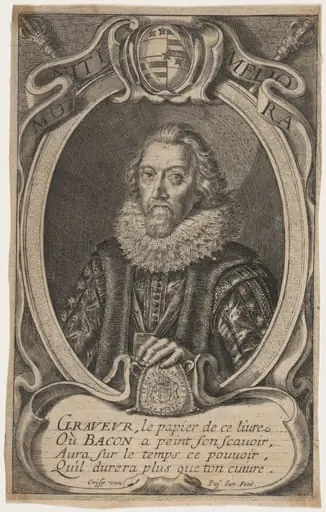
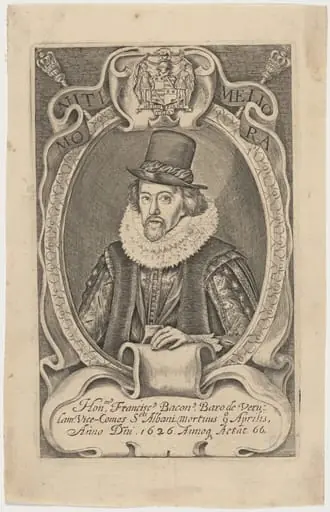
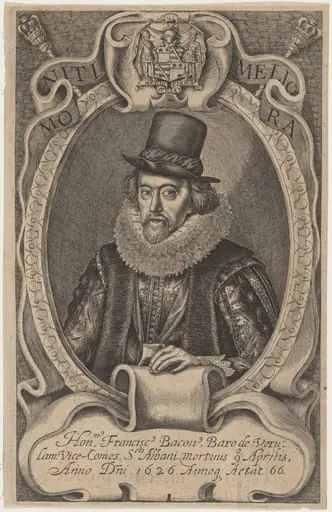
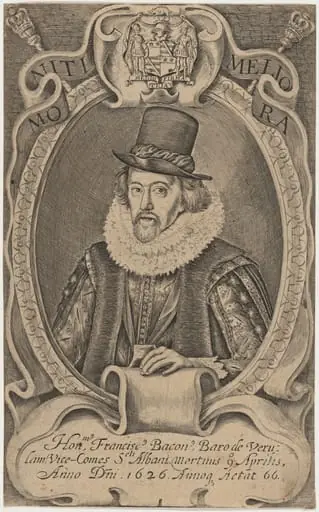
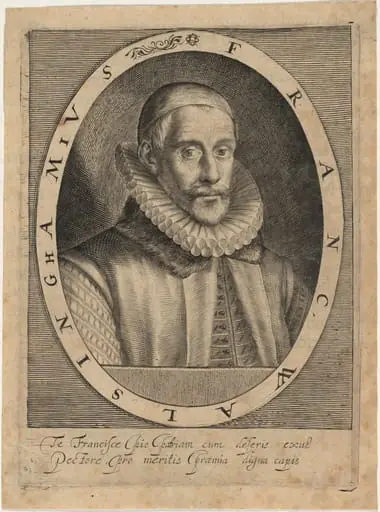
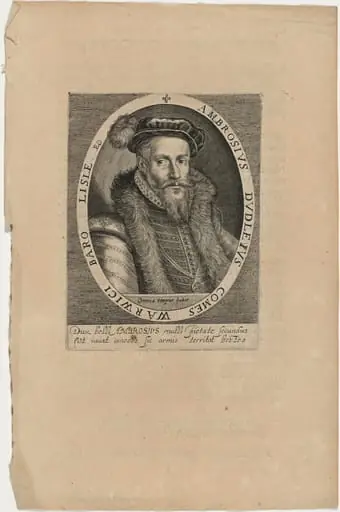
Sir Francis Walsingham is an ink print by the Baroque artist Magdalena van de Passe. It dates from 1620 and is held in the collection of the National Gallery of Art.
About this work
Overview
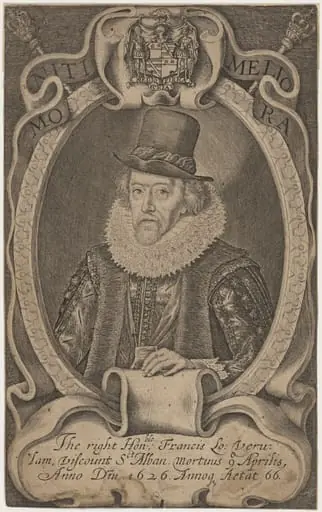
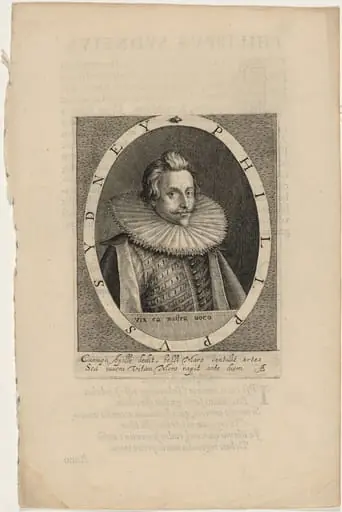
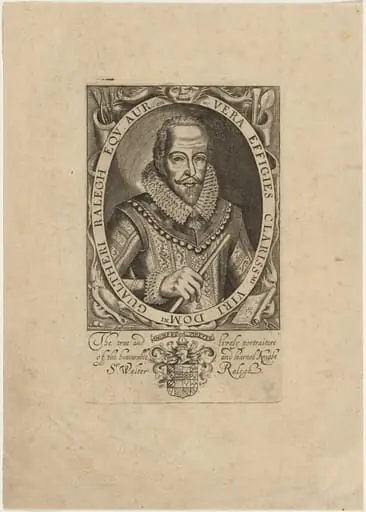
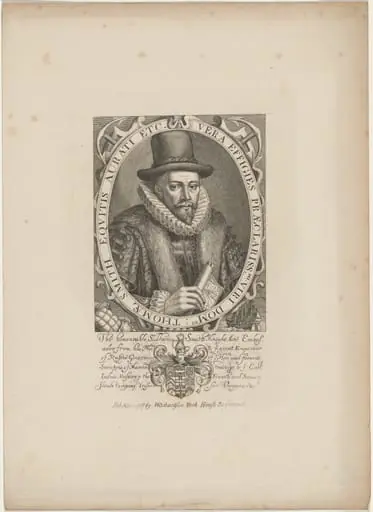
Magdalena van de Passe’s 1620 engraving presents Sir Francis Walsacre in a formal portrait. The figure is rendered in a tight, circular frame, his gaze directed straight toward the viewer, emphasizing his status. The composition combines a richly detailed costume with a restrained background, typical of early‑17th‑century portrait prints.
Subject & Meaning
The portrait depicts Sir Francis Walsacre, a notable English statesman, dressed in contemporary attire: a ruffled collar, a broad‑brimmed hat, and a buttoned doublet. The direct stare and the inclusion of an inscription circle suggest an intention to convey authority and personal identity, aligning the sitter’s public role with the visual conventions of portraiture.
Technique & Style
Van de Passe employs fine, parallel lines to model the facial features and textile textures, creating a subtle chiaroscuro effect without the use of shading washes. The engraving’s linear precision highlights the intricate lace of the collar and the sheen of the jacket, reflecting the meticulous draftsmanship characteristic of the Dutch and Flemish print workshops of the period.
History & Provenance
Created in 1620, the print is part of Magdalena van de Passe’s oeuvre, produced in the family’s workshop in Cologne. The work circulated among collectors of English political portraiture and later entered museum collections, where it serves as a documentary record of both Walsacre’s appearance and the early modern print market.
Artist & collection

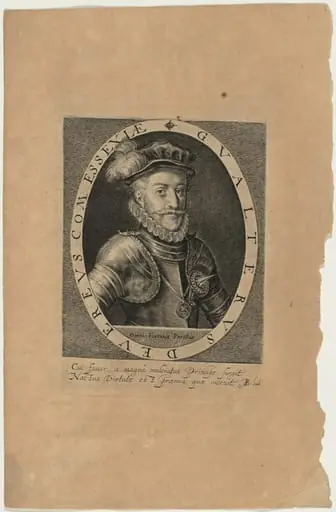 Walter Devereux, First Earl of Essex
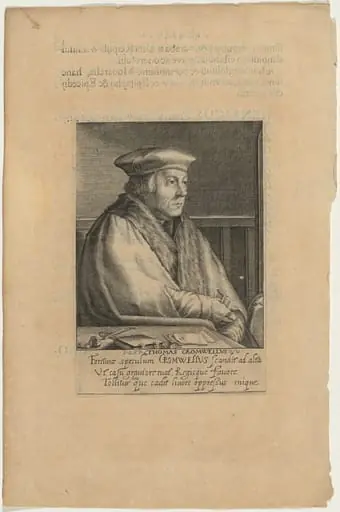 Thomas Cromwell, Earl of Essex
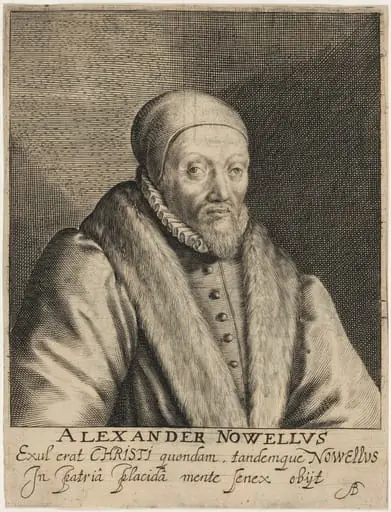 Alexander Nowell, Dean of Saint Paul's
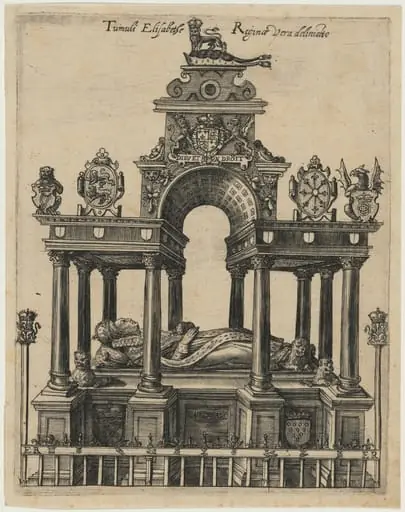 Elizabeth's Tomb
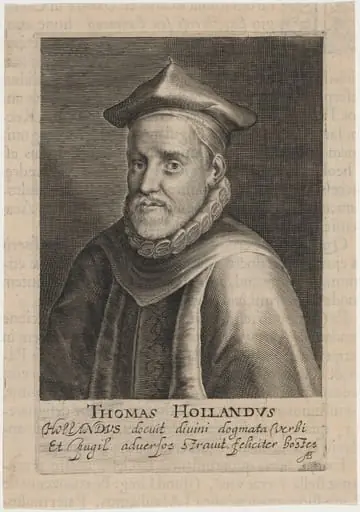 Thomas Holland, Regius Professor of Divinity at Oxford, and Rector of Exeter College
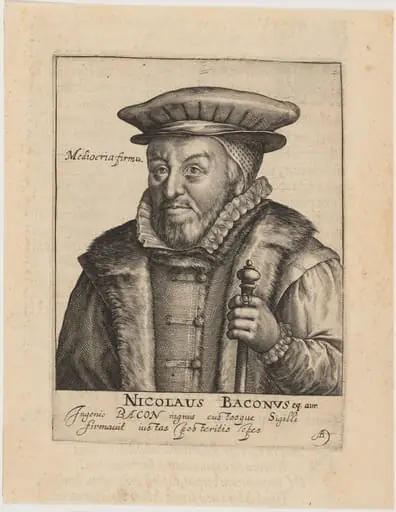 Sir Nicholas Bacon, Lord Keeper
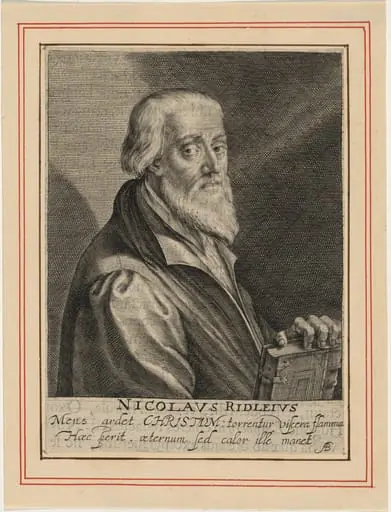 Nicholas Ridley, Bishop of London, Protestant Martyr
 Ambrose Dudley, Earl of Warwick