Artwork
Combats and Triumphs
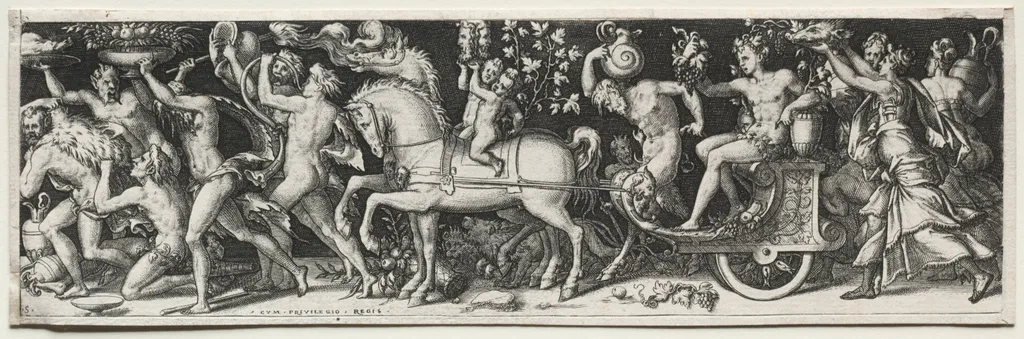
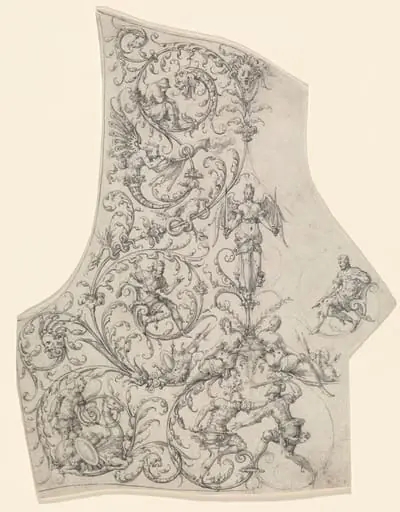
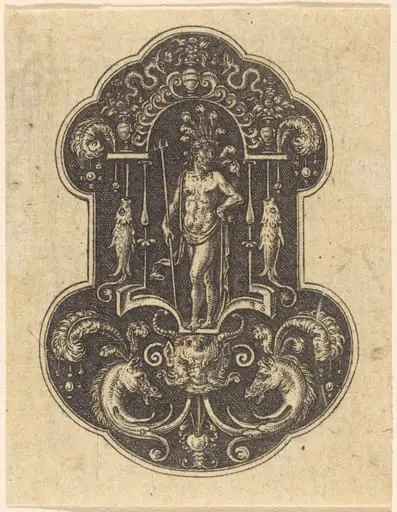
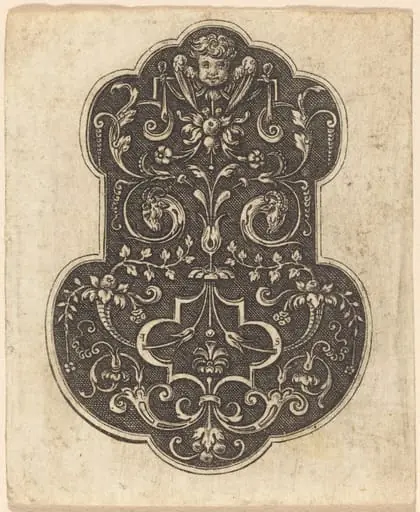
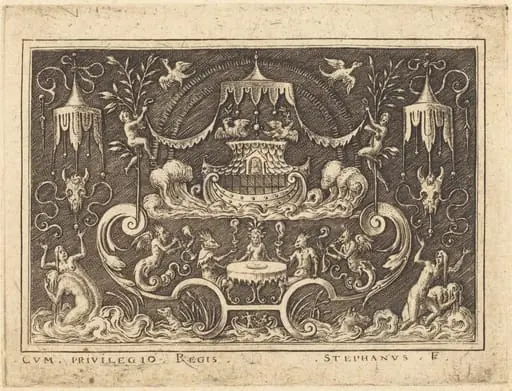
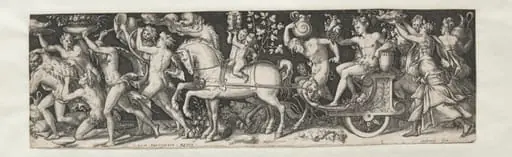
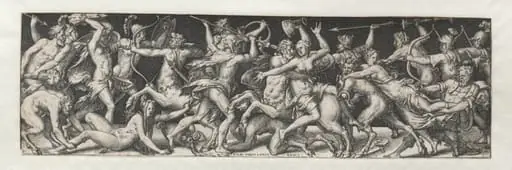
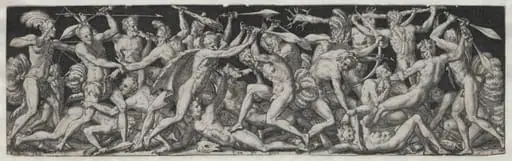
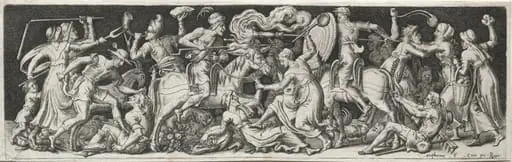
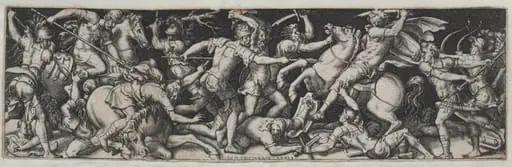
Combats and Triumphs is a print by the Renaissance artist Etienne Delaune. It dates from 1561 and is held in the collection of the Cleveland Museum of Art.
About this work
To see more small-scale battles like this, look up Etienne Delaune (French, 1518/19–c.
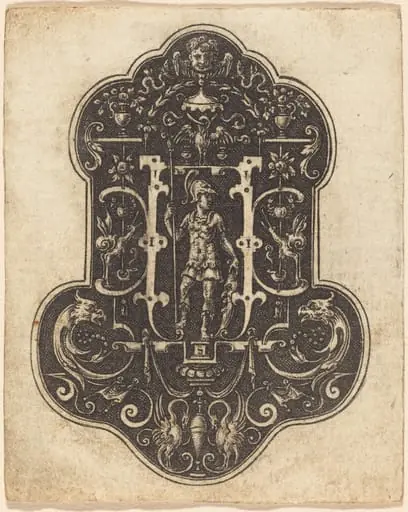
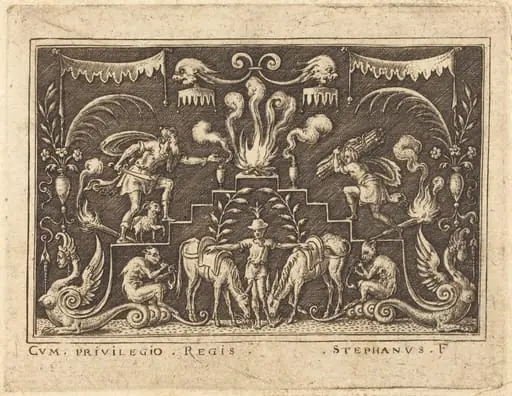
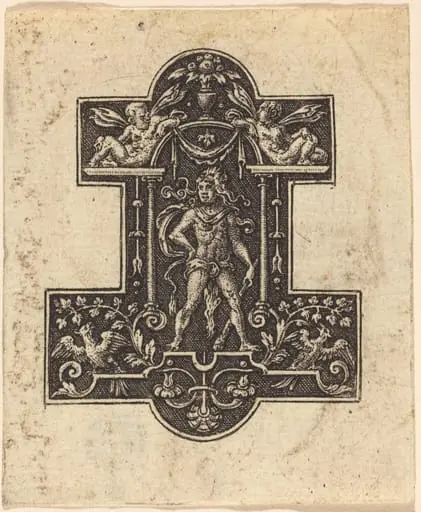
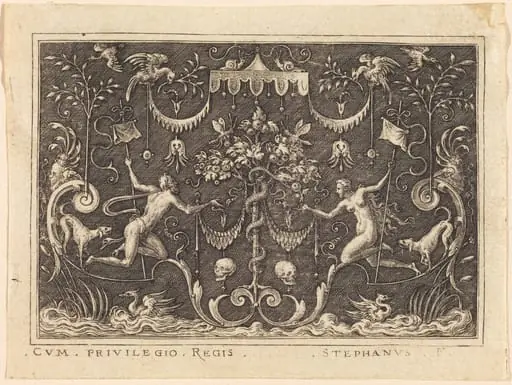
This print shows four tiny battles in one frame. Naked men wrestle animals and centaurs fight humans. The artist packed motion into a narrow strip like a carved stone frieze.
Delaune studied ancient Roman sarcophagi to make these prints. He turned bulky marble battles into delicate engravings. The lines are razor sharp, but the scenes feel alive.
To see more small-scale battles like this, look up Etienne Delaune (French, 1518/19–c. 1583).
Overview
Etienne Delaune’s print series Combats and Triumphs, likely executed in the 1560s, comprises twelve small engravings that depict mythological battles. Four of these prints are presented together, each illustrating a different combat scene within a narrow, frieze‑like format that recalls the reliefs of classical sarcophagi.
Subject & Meaning
The individual images portray a range of legendary confrontations: the triumph of Bacchus, a struggle between men and beasts, a naked melee among humans, and the famous clash of centaurs with Lapiths. By arranging these episodes in a compact strip, Delaune creates a stylised, almost theatrical tableau of artificial warfare.
Technique & Style
Executed as fine copper engravings, the prints display Delaune’s goldsmith‑trained precision. The lines are sharply incised, rendering intricate musculature and movement within a flat, stagelike background. The composition adopts a Mannerist sensibility, emphasizing elegant, exaggerated poses that echo the sculptural reliefs of Greek and Roman tombs.
History & Provenance
The series was produced in Paris and later Strasbourg during the late sixteenth century, reflecting Delaune’s exposure to the decorative program of the Fontainebleau court. The four prints in this group entered the museum collection as part of the Leonard C. Hanna donation in 1924, catalogued under accession numbers 671‑674.
Context
Delaune’s work bridges the French Renaissance’s fascination with antiquity and the emerging print culture of the period. By translating the massive marble narratives of ancient sarcophagi into intimate, portable engravings, he made classical mythic combat accessible to a broader audience of collectors and connoisseurs.
Artist & collection