Artwork
El rapto de Ganimedes
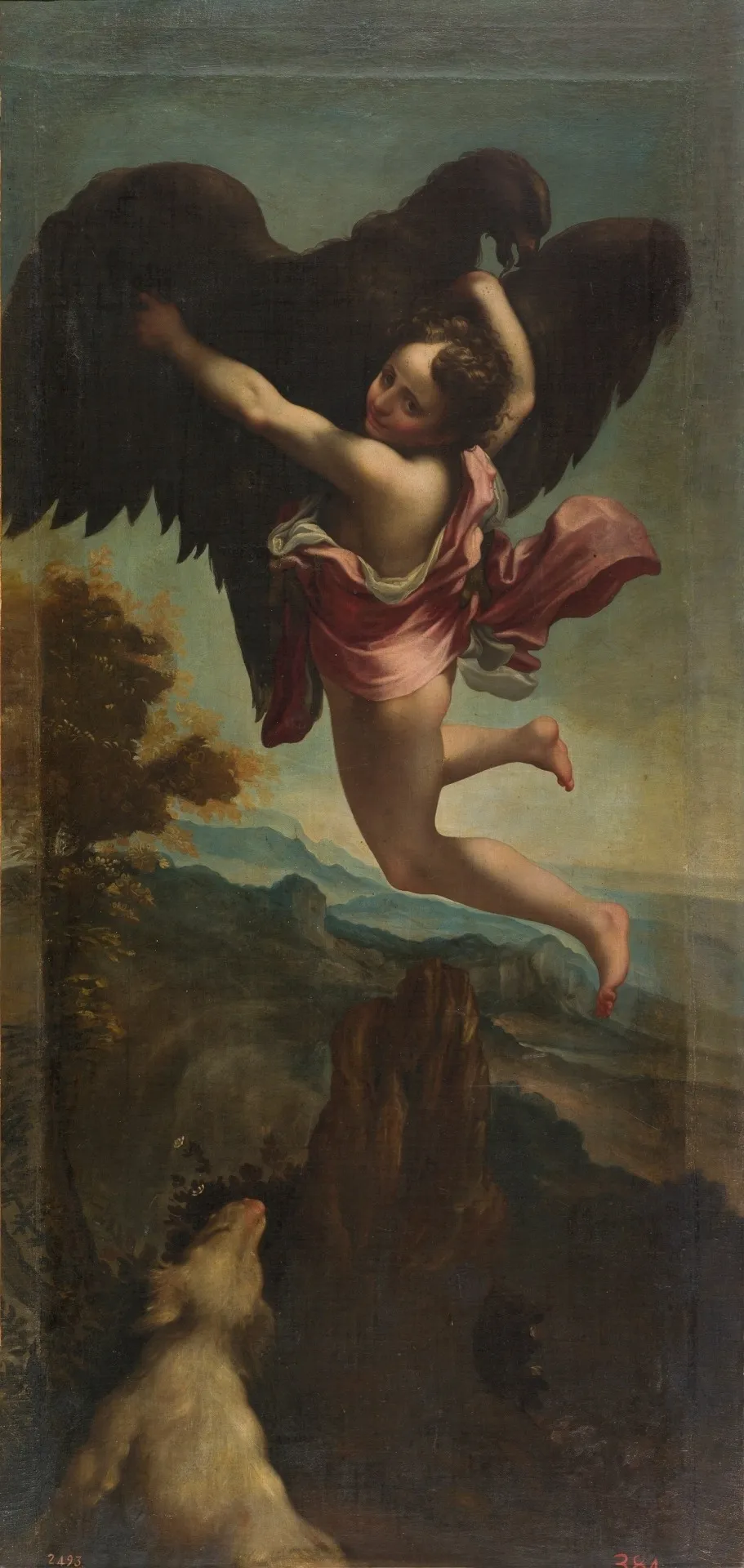
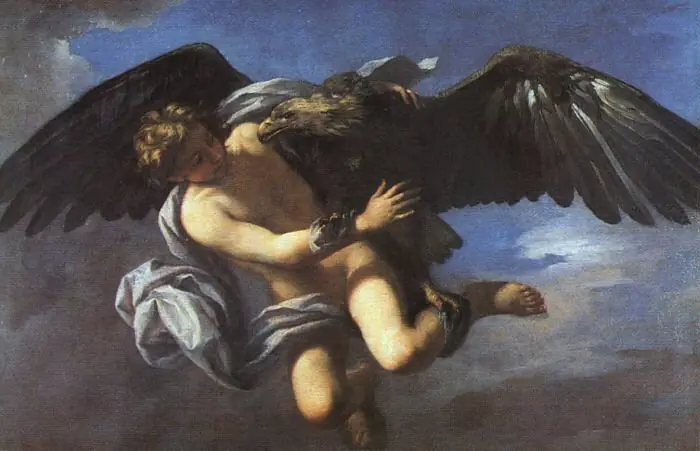
El rapto de Ganimedes is an oil painting by the Early Baroque Italian artist Eugenio Caxés. It dates from 1604 and is held in the collection of the Museo del Prado.
About this work
Overview
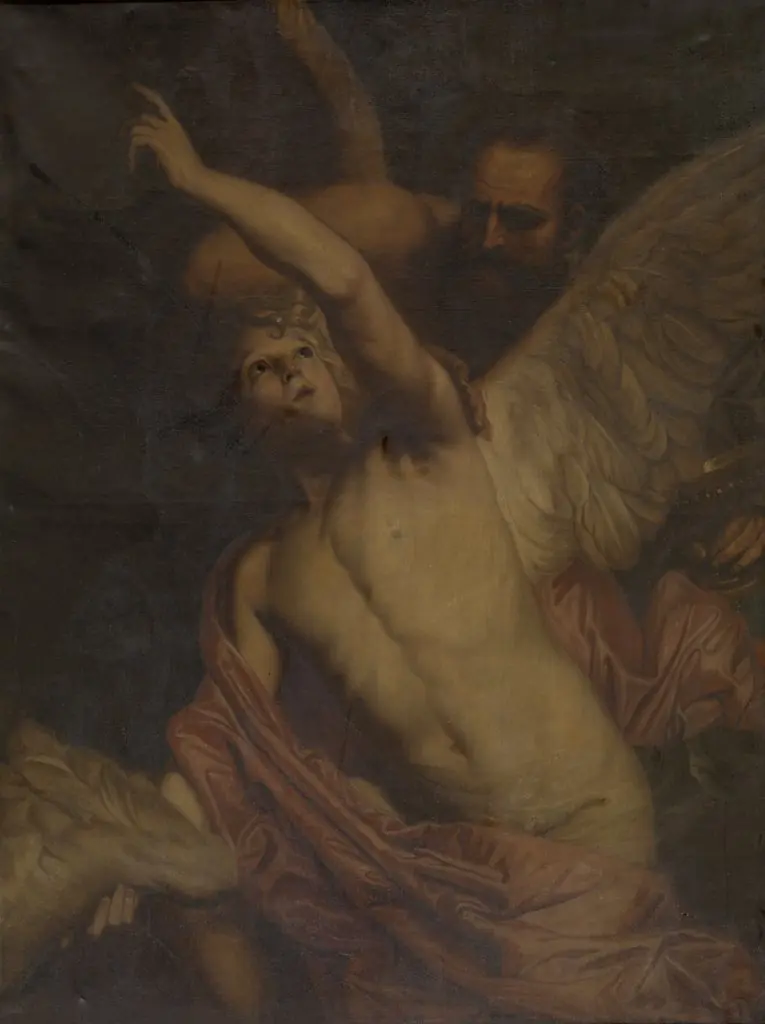
Eugenio Caxés’ oil painting, dated 1604, depicts the myth of Ganymede’s abduction and is part of the collection at Madrid’s Museo del Prado. The work presents a winged figure hovering over a craggy precipice, illuminated against a brooding sky and a textured, darkened landscape below.
Subject & Meaning
The composition illustrates the classical tale in which the youthful Ganymede is seized by a divine messenger, often identified as Zeus in avian form. The figure’s pale complexion and delicate curls convey a sense of vulnerability, while the surrounding cliffs and clouds suggest the sudden, otherworldly nature of the encounter.
Technique & Style
Caxés employs a pronounced chiaroscuro, contrasting bright highlights on the figure’s torso with deep shadows that recede into the background. The translucent, dark wings, feathered in reddish‑brown tones, enhance the sense of volume. This manipulation of light and shade creates a three‑dimensional presence within the otherwise flat pictorial space.
History & Provenance
Executed in the early seventeenth century, the painting entered the Spanish royal collection before being transferred to the national museum. It has remained in the Prado’s holdings since the museum’s foundation, where it is displayed among other works of Spanish Baroque mythology.
Artist & collection


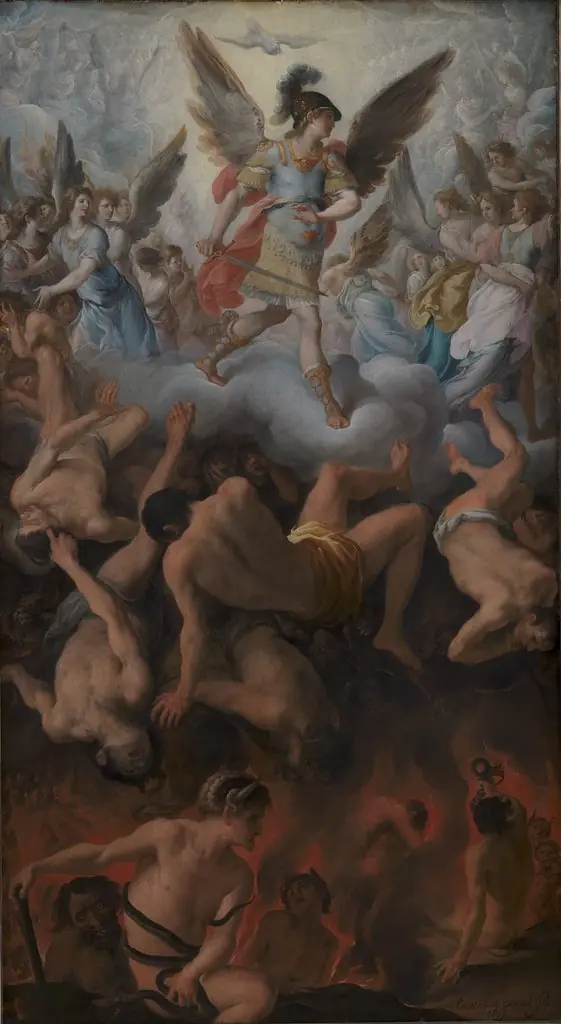
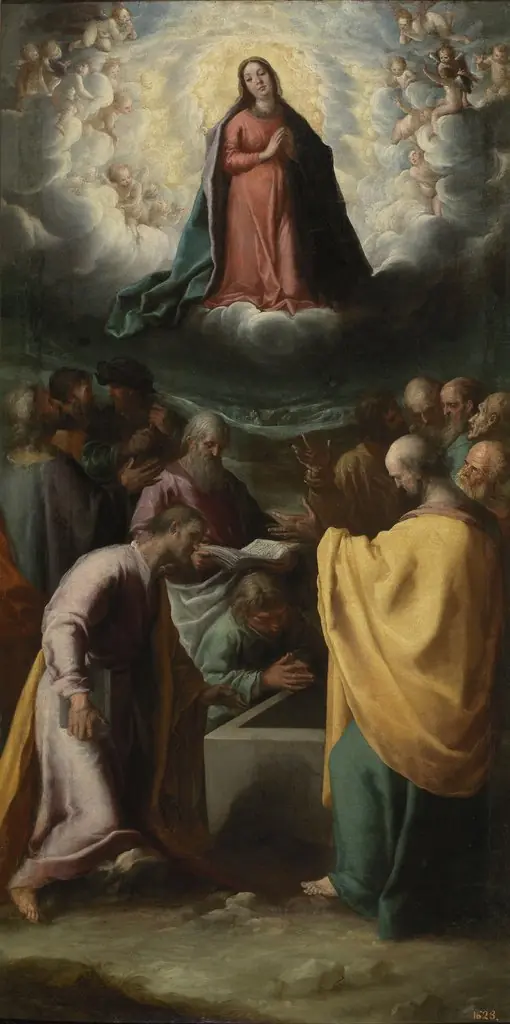
 The Rape of Ganymede
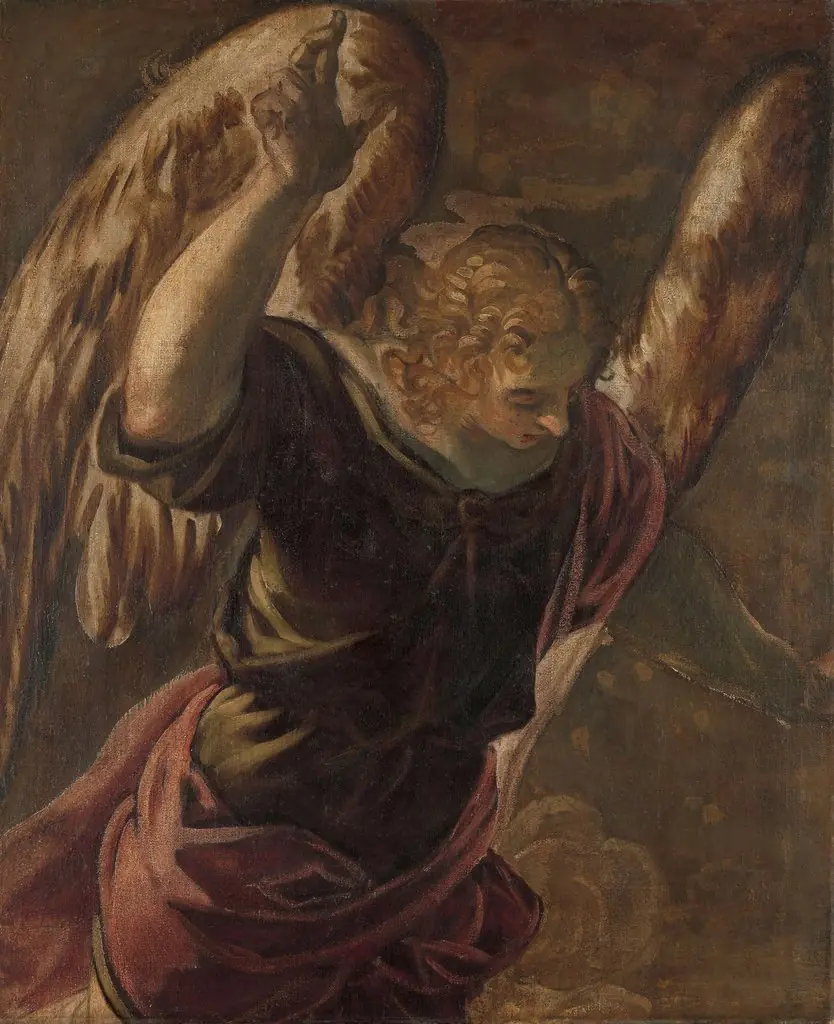 Angel from the Annunciation to the Virgin
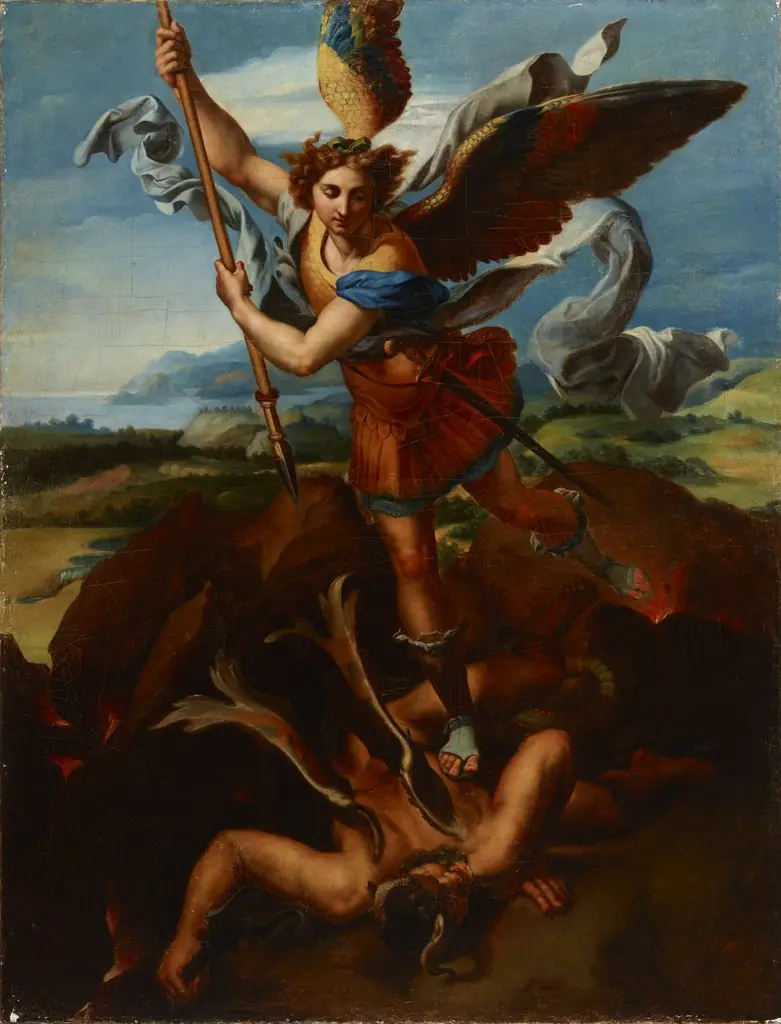 Saint Michael the Archangel Vanquishing Satan
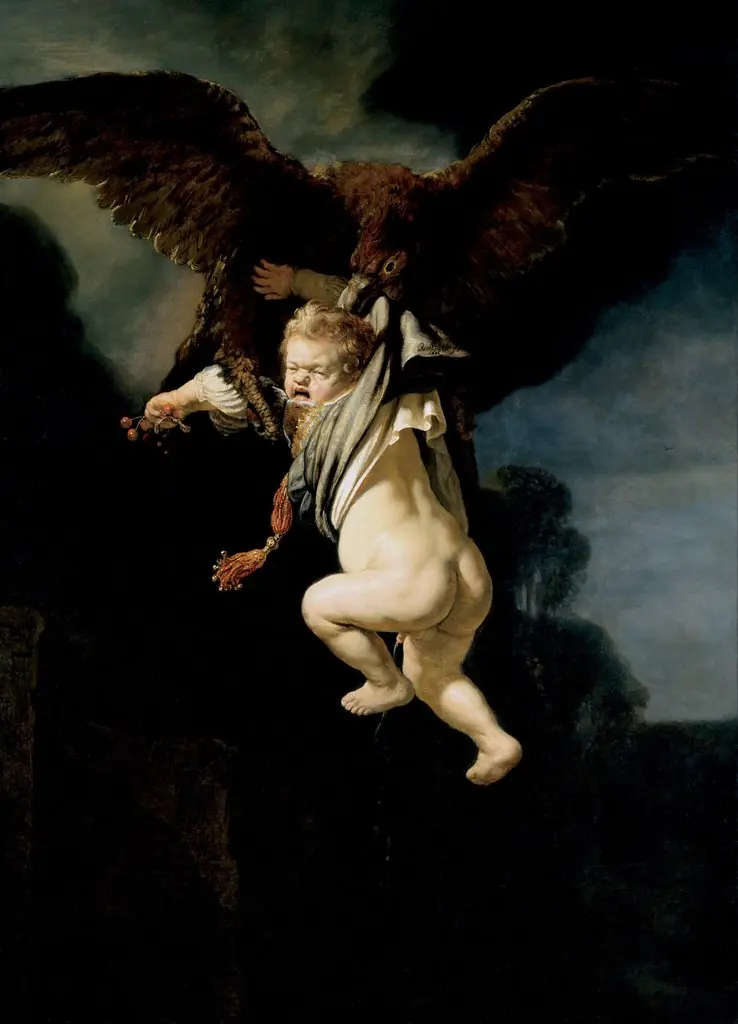 The Rape of Ganymede
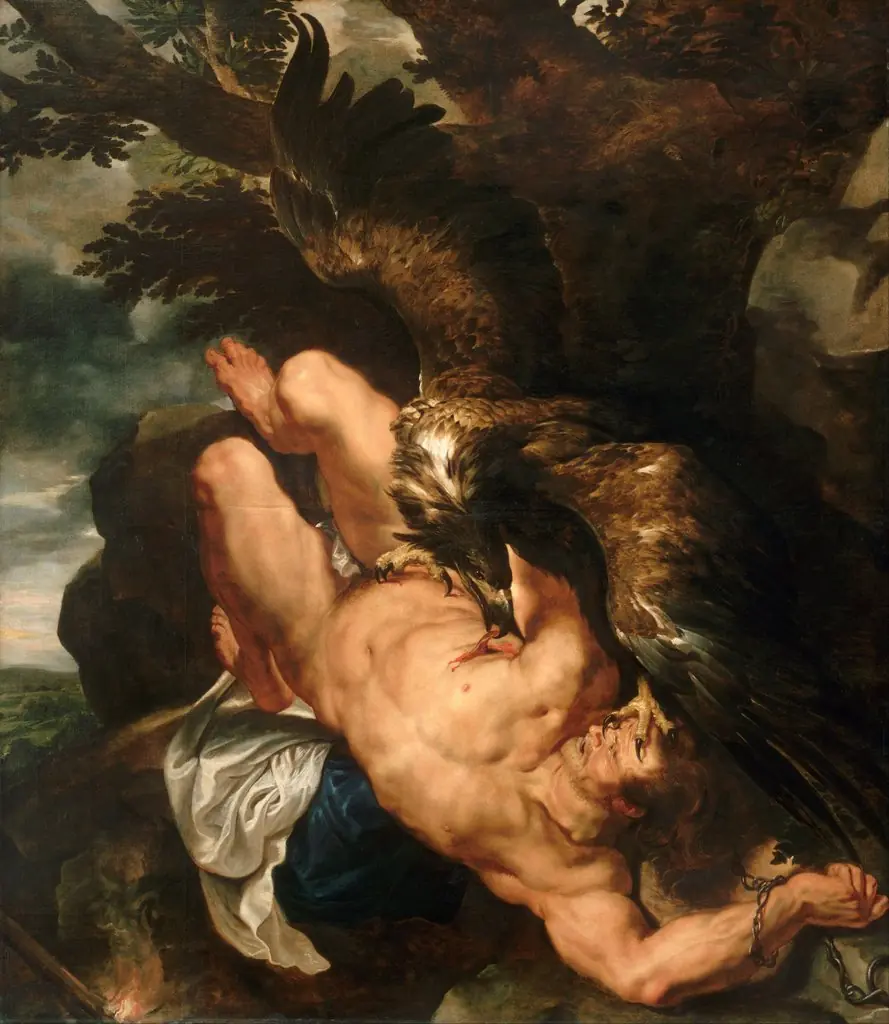 Prometheus Bound
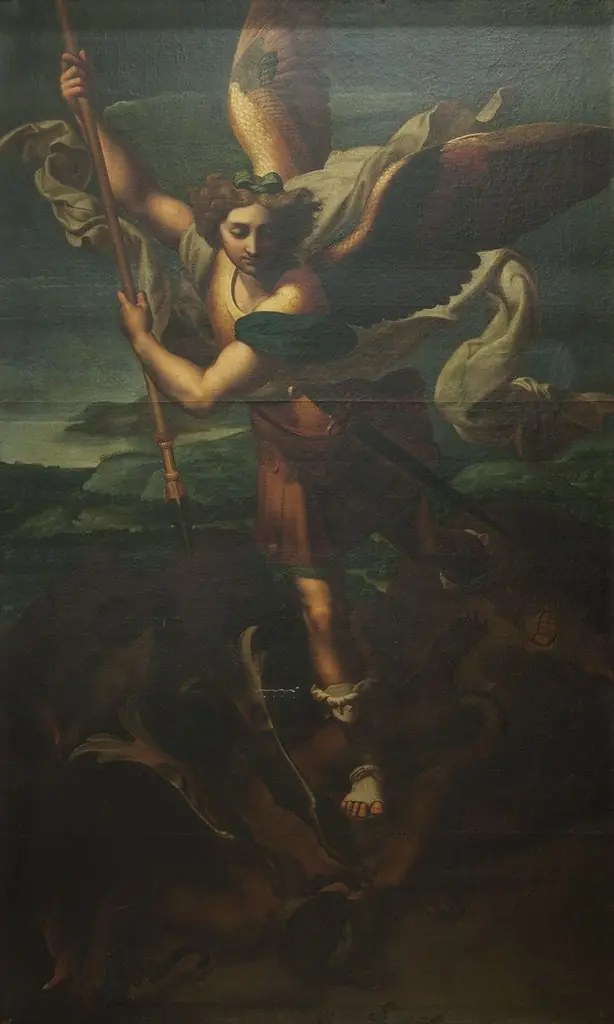 Der Erzengel Michael (Kopie nach)
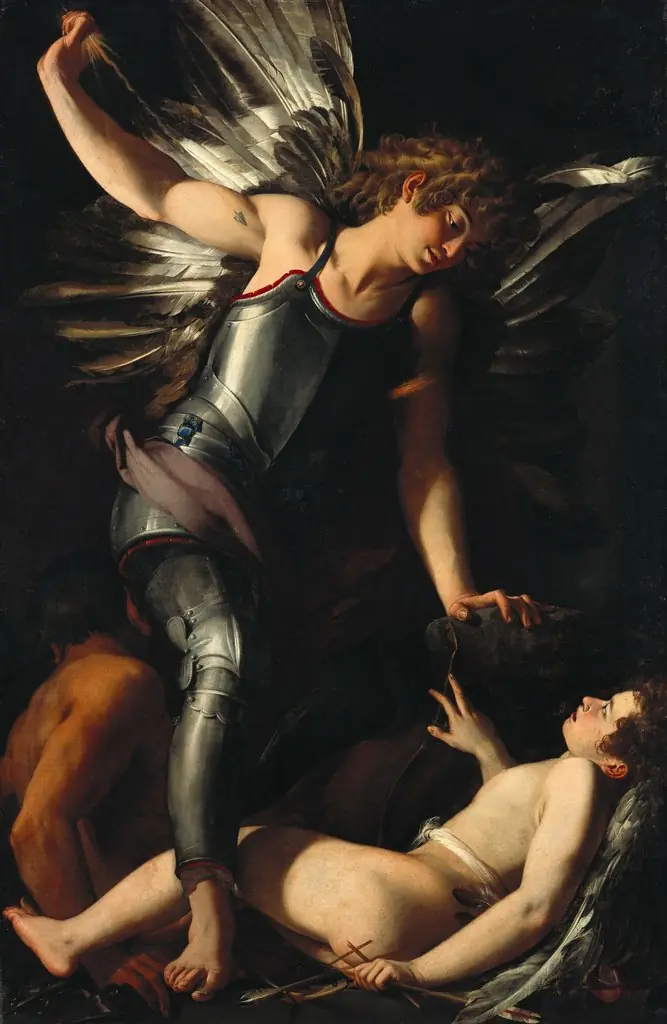 The Divine Eros Defeats the Earthly Eros
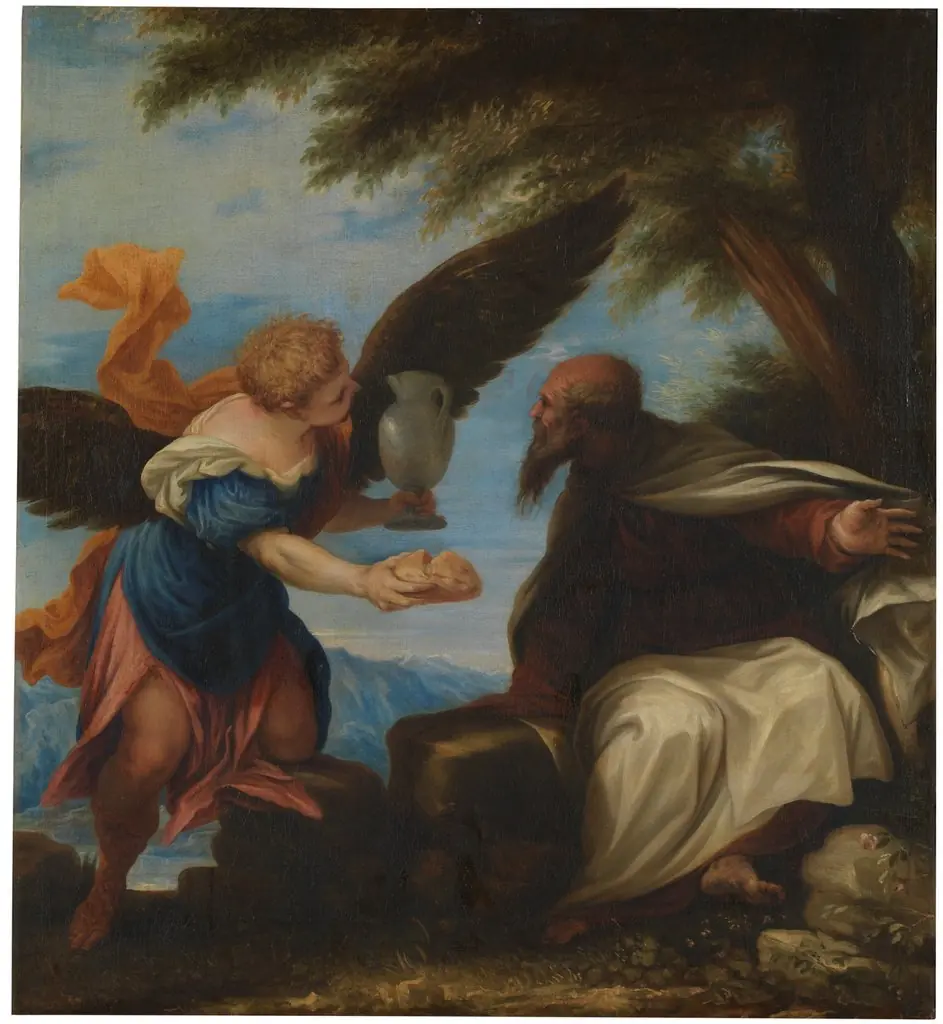 El profeta Elías y el ángel
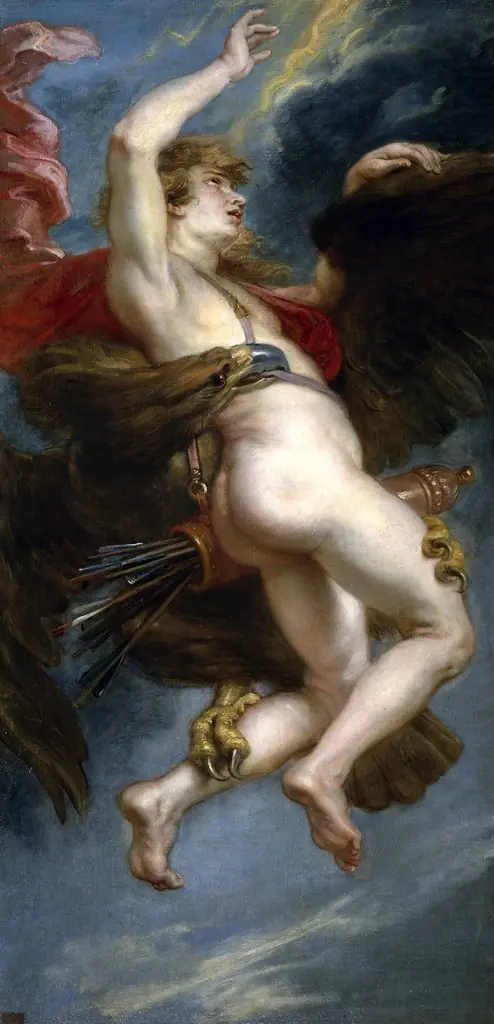 The Rape of Ganymede
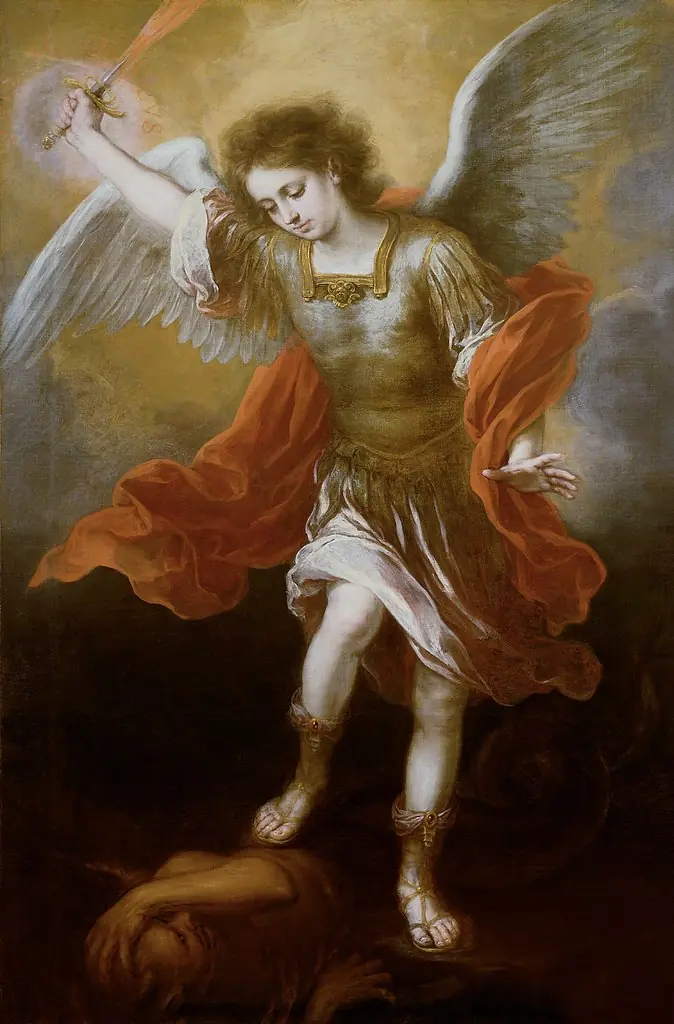 Archangel Michael plunges the devil into the abyss
 The Fall of Icarus
 Icarus and Daedalus