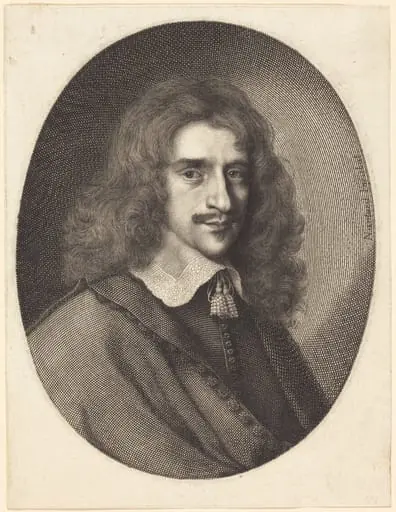
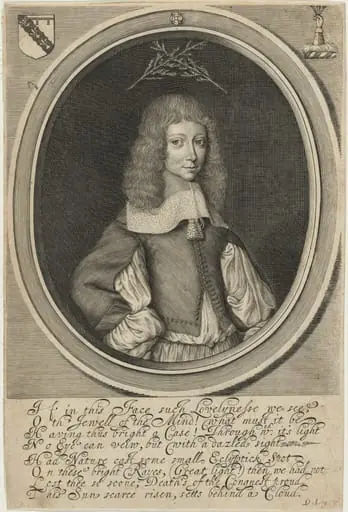
Artwork
Charles II
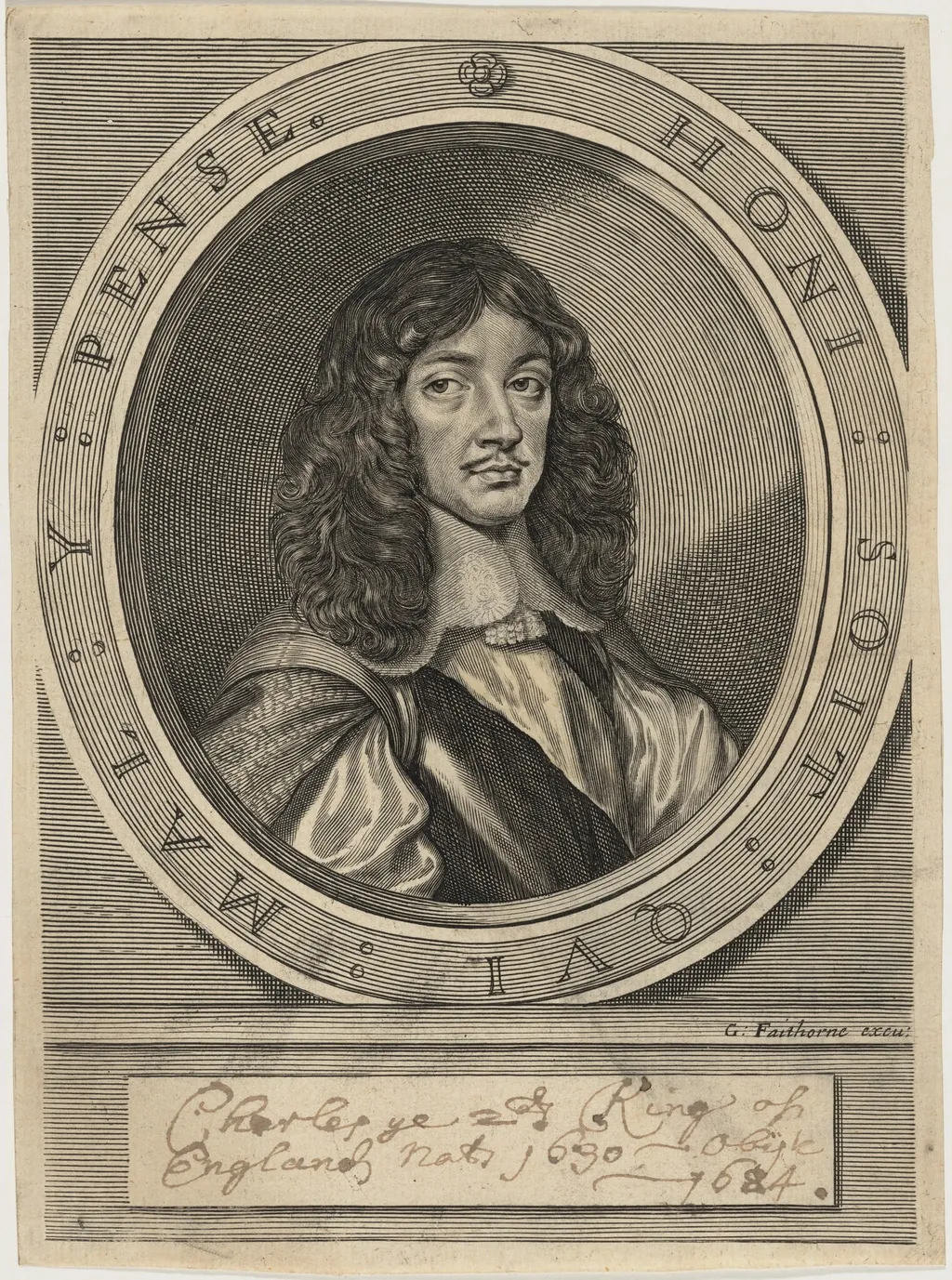
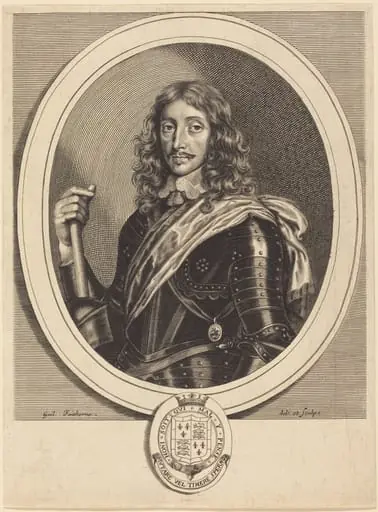
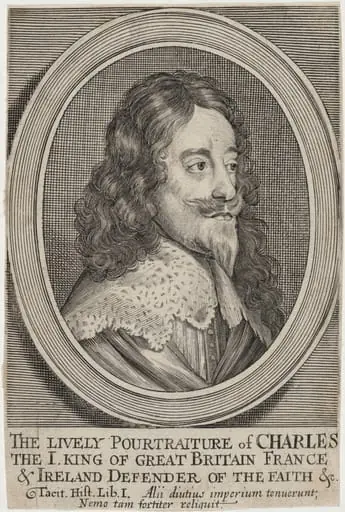
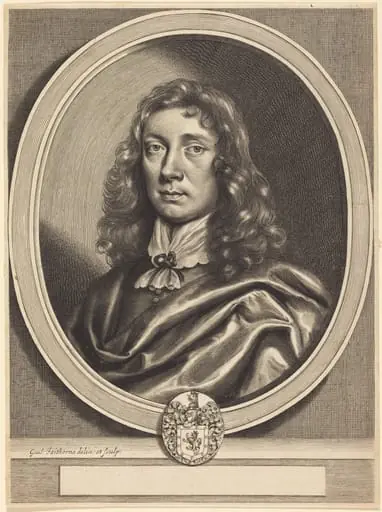
Charles II is an ink print by the Baroque artist William Faithorne. It dates from 1654 and is held in the collection of the National Gallery of Art.
About this work
Overview
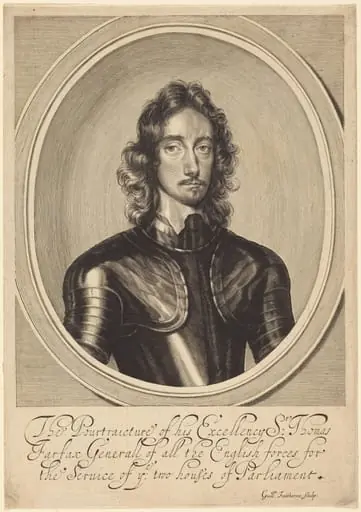
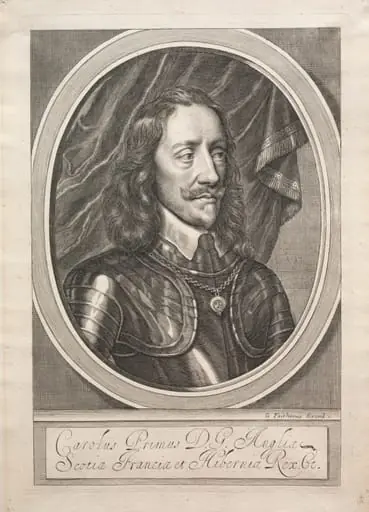
This 1654 engraving by William Faithorne presents a portrait of a man identified as Charles II, King of England. Rendered in black and white, the image shows a figure with curly hair, a solemn expression, a ruffled collar, and a dark jacket. The background consists of a simple oval shape filled with cross‑hatching, focusing attention on the sitter.
Subject & Meaning
The portrait depicts a royal figure, likely intended to convey authority and dignity through the sitter’s composed demeanor and formal attire. The ruffled collar and dark jacket reflect contemporary court fashion, while the serious expression suggests a portrayal of regal gravitas rather than personal intimacy.
Technique & Style
Faithorne employed fine, parallel lines to model light and shadow, creating a sense of volume on the face and clothing. The cross‑hatching in the oval background provides tonal contrast, a hallmark of 17th‑century engraving that relies on line density to suggest depth and texture without color.
History & Provenance
Created in 1654, the print emerged during the period of the English Interregnum, when Charles II was in exile. The inscription naming the sitter may have been added later, a common practice for prints circulated after the subject’s restoration to the throne.
Context
Engravings of royal portraiture were a primary means of disseminating a monarch’s image across Europe in the mid‑1600s. Faithorne, a noted English engraver, contributed to this visual culture, providing a reproducible likeness that could reach a broad audience beyond painted portraits.
Artist & collection
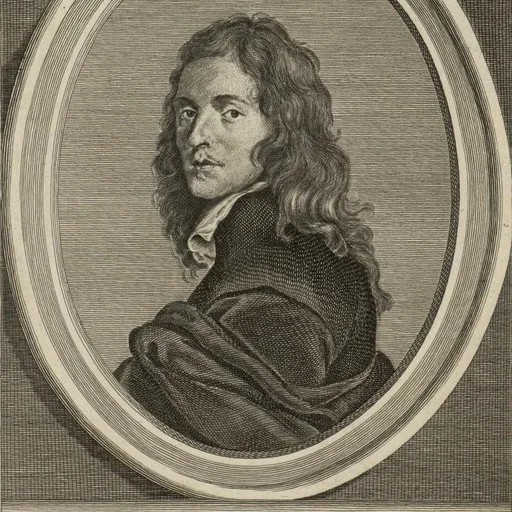
Artist
William Faithorne (1616–1691) was a British artist, born in Greater London.