Artwork
Sir John Wildman
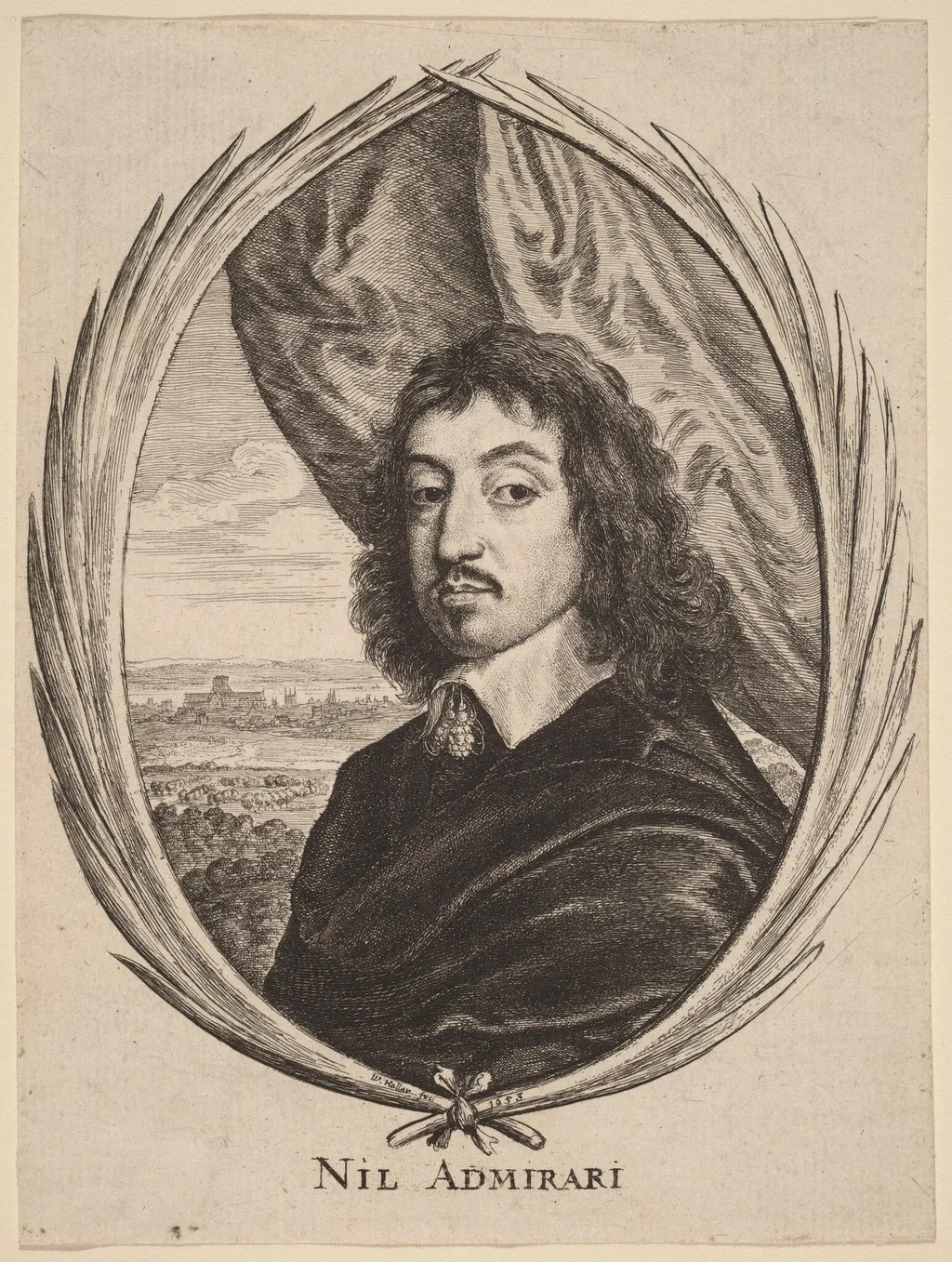
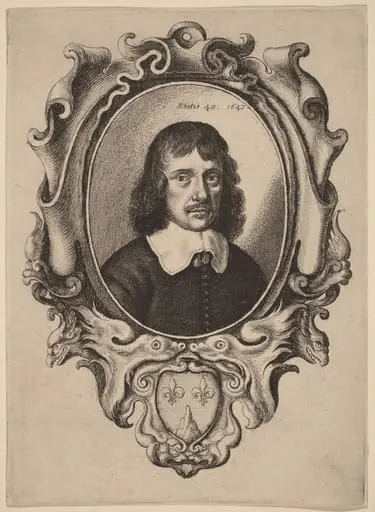
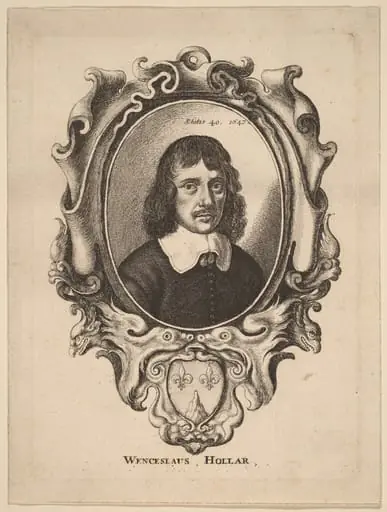
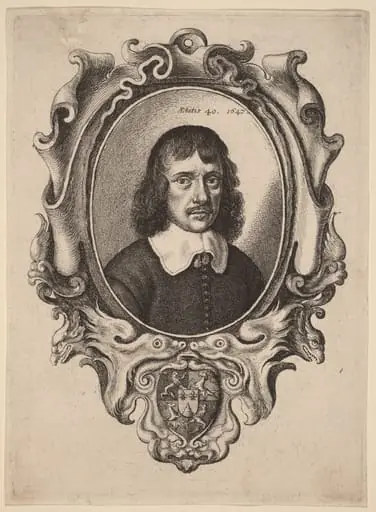
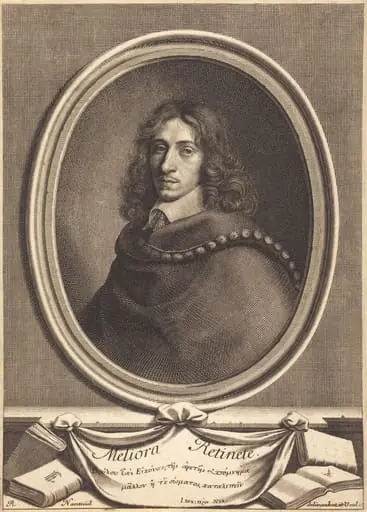
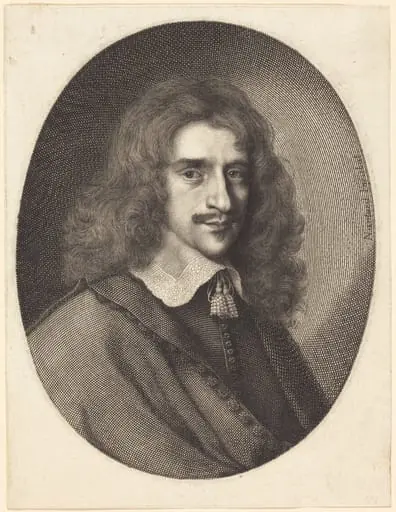
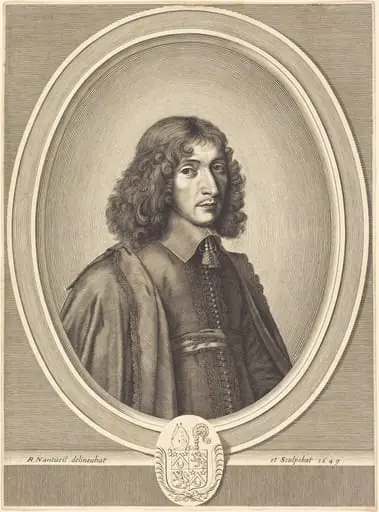
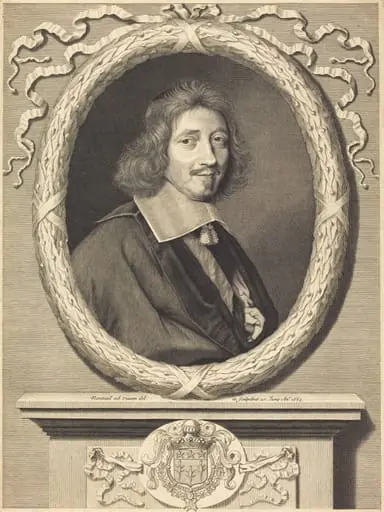
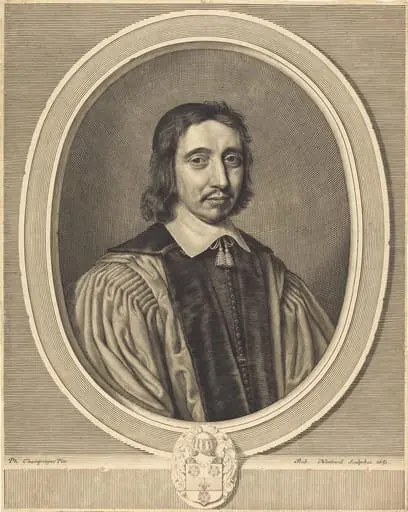
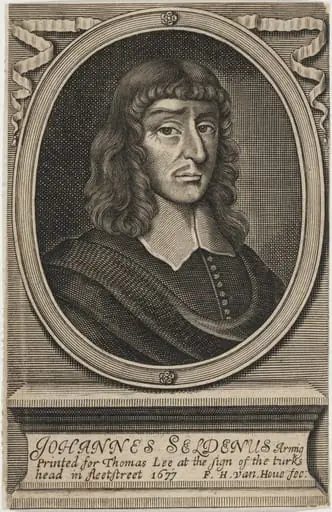
Sir John Wildman is an ink print by the Baroque artist Wenceslaus Hollar. It dates from 1642 and is held in the collection of the National Gallery of Art.
About this work
Overview
The portrait is one of many from his prolific output during this period, reflecting the era’s demand for engraved likenesses among the gentry.
Created in 1642 by Wenceslaus Hollar, this etching portrays Sir John Wildman, a notable figure of mid-17th-century England. Hollar, a Czech artist active in London, specialized in detailed graphic work, often capturing individuals and urban scenes with precision. The portrait is one of many from his prolific output during this period, reflecting the era’s demand for engraved likenesses among the gentry.
Subject & Meaning
Sir John Wildman was a political activist and lawyer associated with radical circles during the English Civil War. The portrait presents him with solemn expression and formal attire, signaling his status and gravitas. The inclusion of a subtle background landscape may allude to his connections beyond the city, though its purpose remains ambiguous. The image functions as a record of identity rather than a statement of political allegiance.
Technique & Style
Hollar employed etching to render fine, controlled lines across the plate, achieving subtle gradations of tone through cross-hatching and delicate stippling. The texture of Wildman’s lace collar and curled hair is rendered with meticulous care, while the faint background elements are lightly incised to avoid distraction. This approach was standard for portrait prints of the time, balancing clarity with atmospheric depth.
History & Provenance
The print was produced during Hollar’s early years in England, shortly after his arrival from continental Europe. It likely circulated among patrons and collectors interested in contemporary figures. No definitive early ownership records survive, but similar Hollar portraits were held in private collections and later acquired by institutions, preserving his graphic legacy through the centuries.
Context
In the 1640s, England was engulfed in political upheaval, and portraiture in print became a means of documenting public figures amid shifting allegiances. Etching offered a faster, more accessible alternative to painted portraits, allowing images to be reproduced and distributed widely. Hollar’s work contributed to this emerging culture of visual documentation, bridging art and historical record.
Legacy
Hollar’s etchings, including this portrait, remain valuable for their technical precision and historical insight. Though not widely known to the general public today, his prints are studied by scholars for their depiction of 17th-century dress, architecture, and social types. This work exemplifies the role of printmakers in shaping visual memory during a turbulent era.
Artist & collection
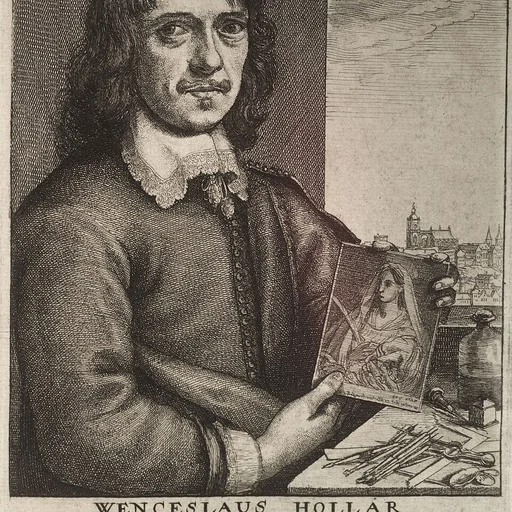
Artist
Wenceslaus Hollar (Czech: Václav Hollar (Czech pronunciation: ), German: Wenzel Hollar; 23 July 1607 – 25 March 1677) was a Czech engraver, etcher and painter.