Artwork
Sir Horace Vere
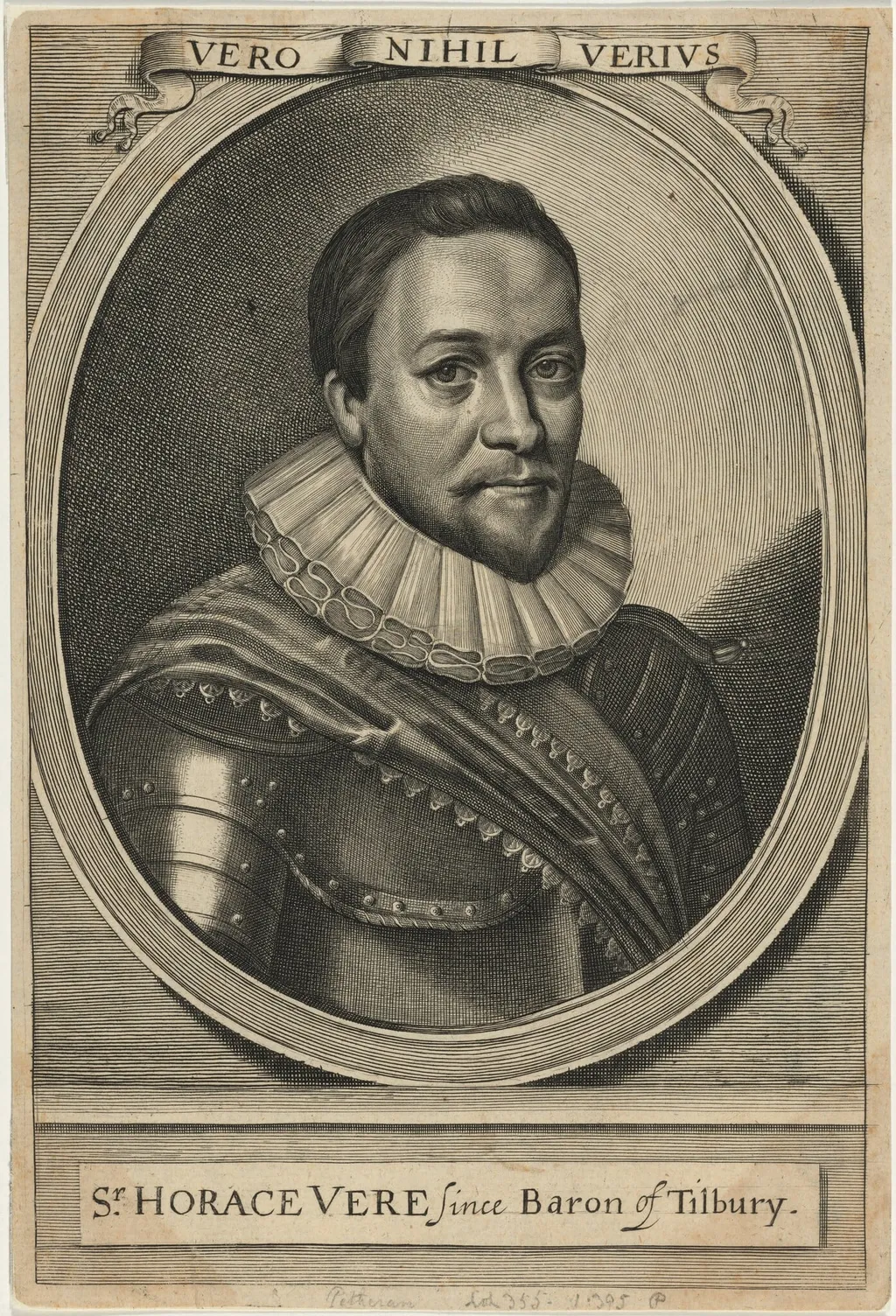
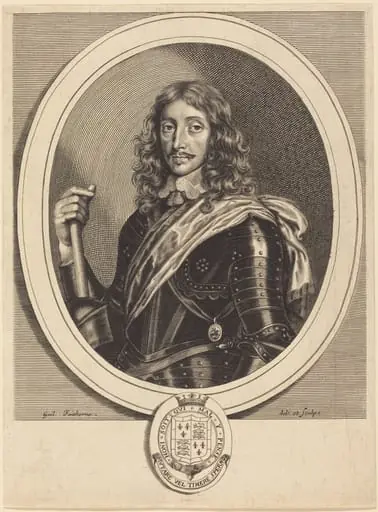
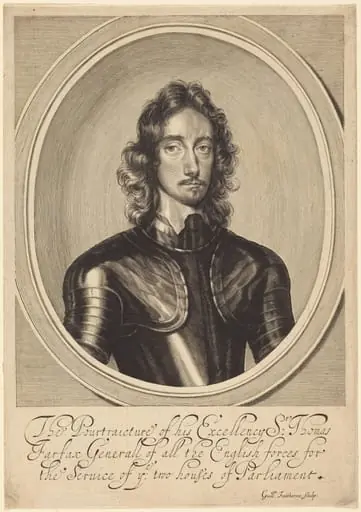
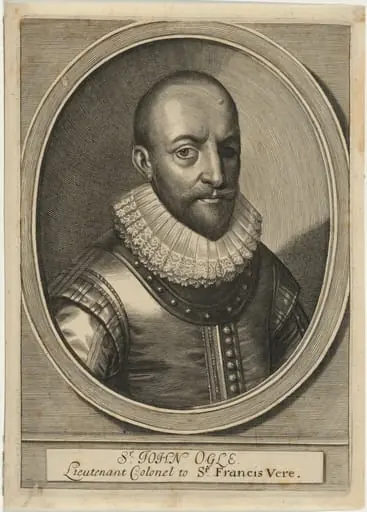
Sir Horace Vere is an ink print by the Baroque artist William Faithorne. It dates from 1657 and is held in the collection of the National Gallery of Art.
About this work
Overview
The composition isolates the figure against a dark, unadorned background, emphasizing his presence without distraction.
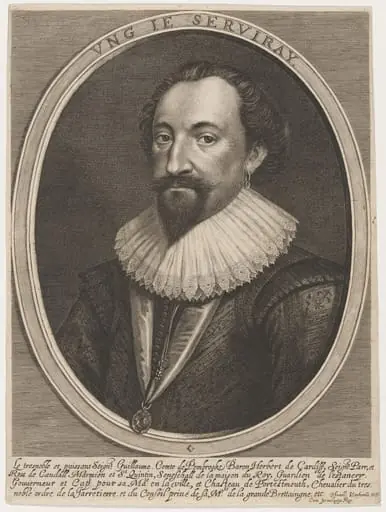
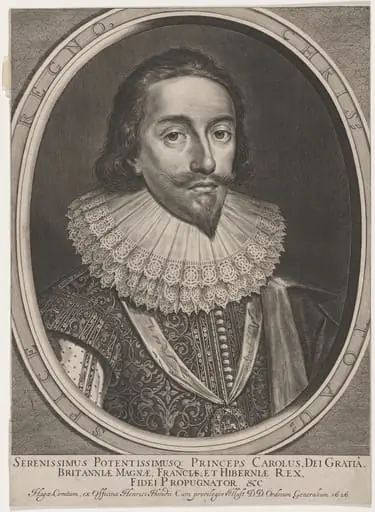
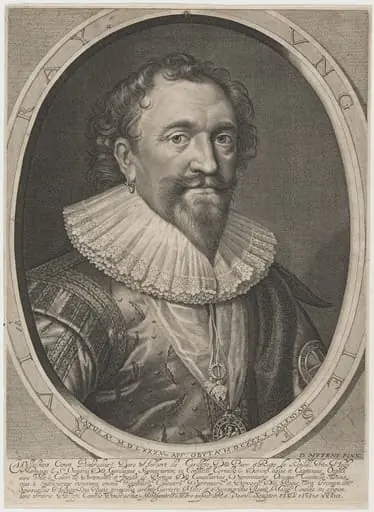
This 1657 engraving by William Faithorne depicts Sir Horace Vere, an English military commander. Rendered in fine linear detail, the portrait follows the conventions of mid-17th-century British printmaking. The composition isolates the figure against a dark, unadorned background, emphasizing his presence without distraction. Faithorne’s precision in line work reflects the technical rigor expected in portraiture of the period.
Subject & Meaning
Sir Horace Vere is portrayed in formal military attire, suggesting his status and service. His ruffled collar and metal-adorned jacket indicate rank and wealth, while his direct, solemn gaze conveys authority and resolve. The absence of symbolic objects or settings focuses attention on his character rather than his achievements, aligning with the restrained dignity typical of elite portraiture in post-Civil War England.
Technique & Style
Faithorne employed drypoint and etching to achieve fine gradations of tone and texture. The intricate rendering of lace, metal embellishments, and hair demonstrates mastery of engraving’s capacity for detail. The Baroque influence is evident in the dramatic contrast between light and shadow, though the composition remains restrained, avoiding theatricality in favor of quiet realism.
History & Provenance
Created in 1657, the engraving was likely commissioned to commemorate Vere’s military career following his death in 1635. Faithorne, known for his portraits of prominent figures, produced this as part of a series of engraved likenesses for public circulation. The print circulated among military circles and aristocratic households, preserving Vere’s image for later generations.
Context
During the 1650s, England was under Commonwealth rule, and portraiture served as a means of preserving the legacy of figures associated with the previous regime. Engravings like this one allowed for the discreet commemoration of royalist officers without overt political symbolism. Faithorne’s work bridged the gap between courtly tradition and the emerging print culture of the era.
Legacy
Faithorne’s engraving of Vere remains a key example of English portrait printmaking in the mid-17th century. Its technical clarity and psychological restraint influenced later generations of engravers. The image continues to be referenced in historical studies of military elites and the visual culture of post-war England.
Artist & collection
Artist
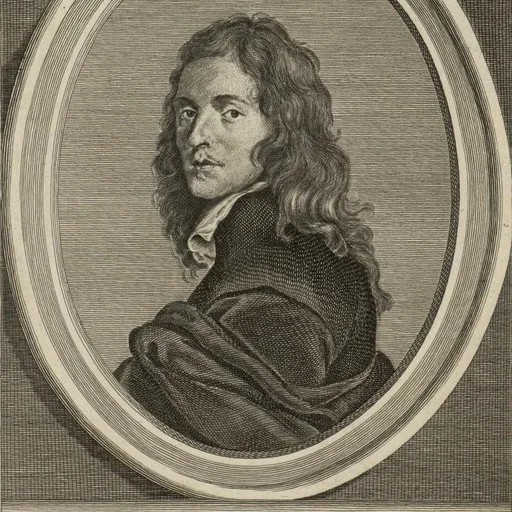
William Faithorne (1616–1691) was a British artist, born in Greater London.