Artwork
Thomas Killigrew
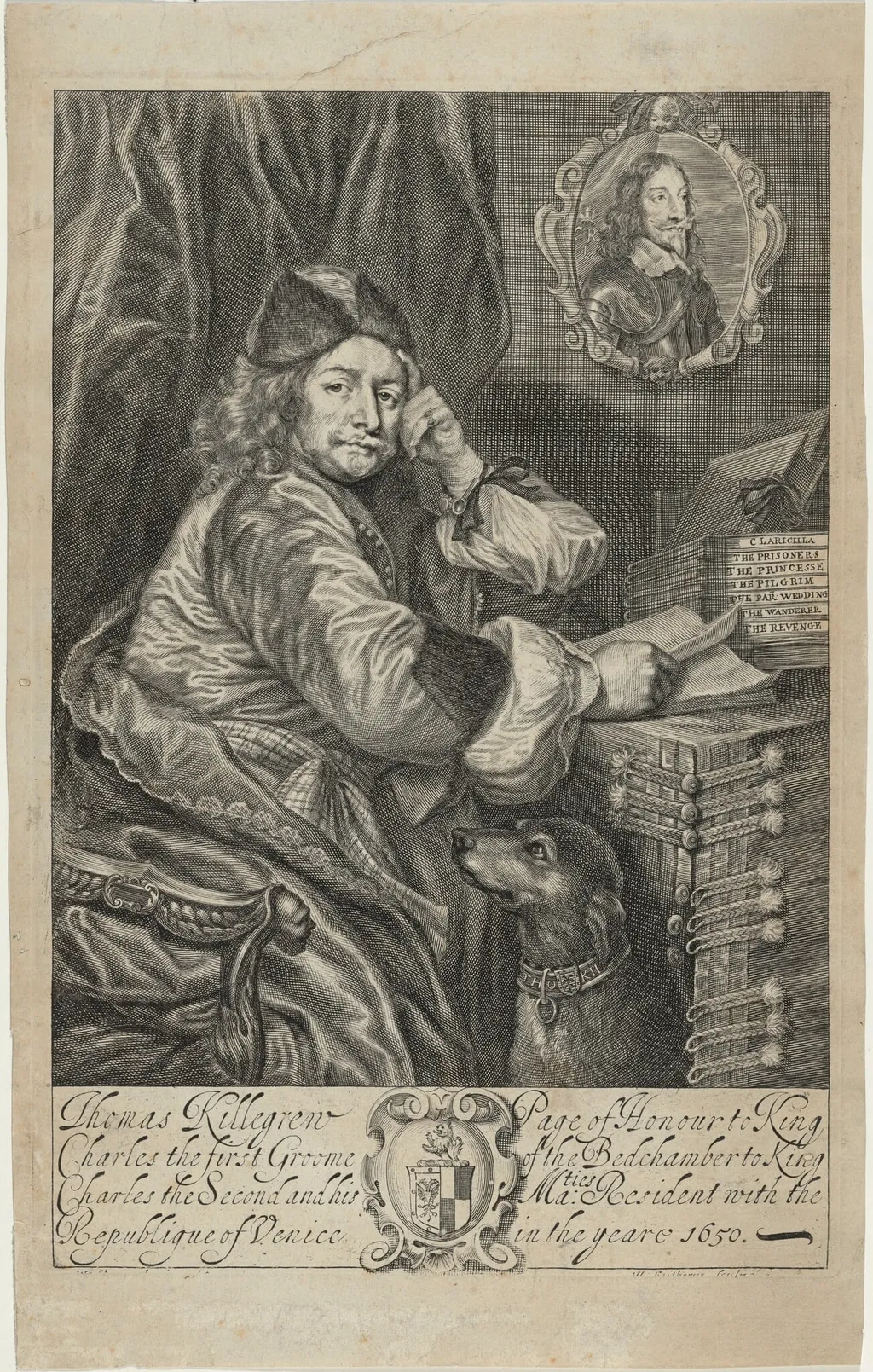
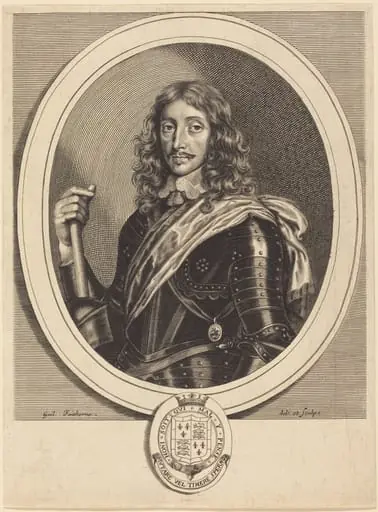
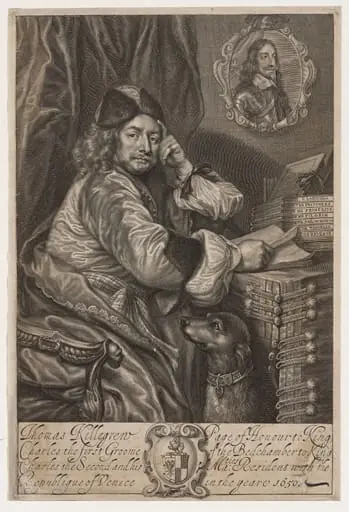
Thomas Killigrew is an ink print by the Baroque artist William Faithorne. It dates from 1664 and is held in the collection of the National Gallery of Art.
About this work
Overview
The composition includes symbolic elements—his scroll, a small dog, and a miniature royal portrait—that reinforce his position within the Stuart court.
This 1664 engraving by William Faithorne depicts Thomas Killigrew, a courtier and dramatist in the service of Charles II. Rendered in fine, precise lines typical of 17th-century intaglio printmaking, the portrait captures Killigrew in formal attire, seated with an air of quiet authority. The composition includes symbolic elements—his scroll, a small dog, and a miniature royal portrait—that reinforce his position within the Stuart court.
Subject & Meaning
Killigrew is portrayed not merely as a nobleman but as a cultural figure: the scroll in his hand lists theatrical works attributed to him, signaling his role in Restoration drama. The presence of the royal miniature above him underscores his proximity to the monarchy, while the dog, a common emblem of loyalty, reinforces his service. The throne in the background and the inscribed titles frame him as both courtier and artist, bridging political and artistic spheres.
Technique & Style
Faithorne employed fine-line engraving on copper, using controlled incisions to build texture and depth. The tight cross-hatching in the fabric of Killigrew’s coat and the delicate rendering of the wig’s curls demonstrate his mastery of tonal gradation. The background elements are subtly etched to avoid distraction, while the small portrait above is rendered with even finer detail, creating a layered visual hierarchy that guides the viewer’s attention.
History & Provenance
Created in 1664, the engraving was likely produced to commemorate Killigrew’s status following the Restoration of the monarchy. It circulated among aristocratic and literary circles as both a portrait and a testament to his influence in court theater. Early copies are held in major British collections, including the British Museum and the National Portrait Gallery, indicating its recognized significance in documenting Restoration-era figures.
Context
In post-Civil War England, the revival of the monarchy brought renewed patronage of the arts. Killigrew, as a playwright and former page to Charles I, exemplified the reemergence of courtly culture. Faithorne, among the leading English engravers of the time, specialized in portraits of the elite, helping to shape public perception of restored nobility through precise, dignified imagery that balanced personal identity with institutional authority.
Legacy
The engraving remains a key visual record of Thomas Killigrew’s dual identity as courtier and dramatist. Faithorne’s technique influenced later portrait engravers, and the work continues to be referenced in studies of Restoration theater and aristocratic self-representation. Its detailed craftsmanship and layered symbolism offer insight into how visual media was used to assert status and cultural relevance in a politically volatile era.
Artist & collection
Artist
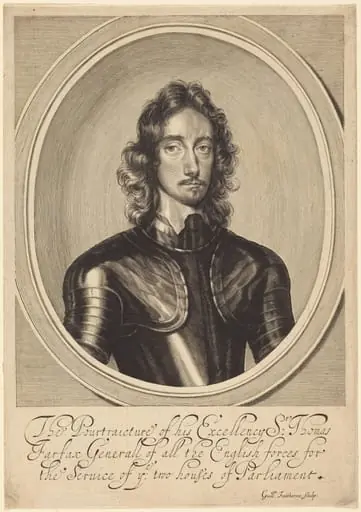
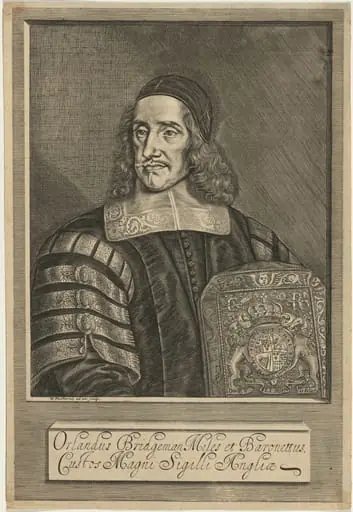
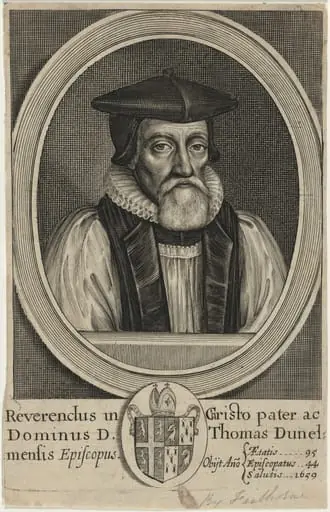
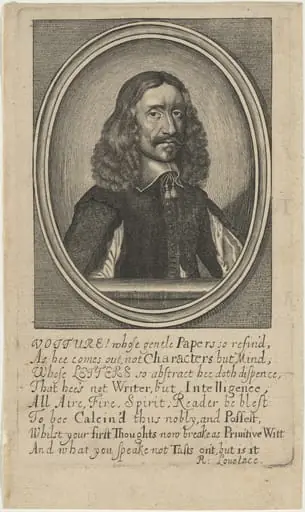
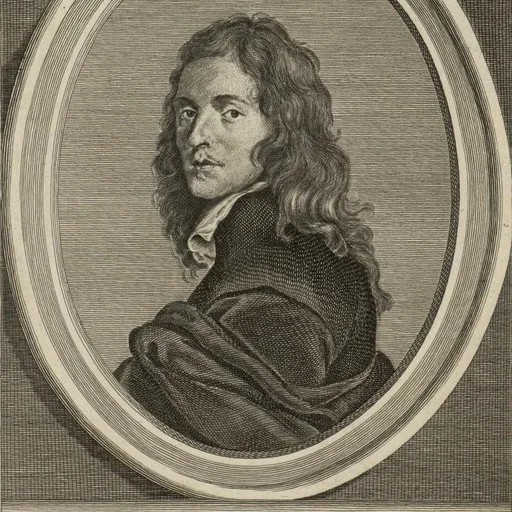
William Faithorne (1616–1691) was a British artist, born in Greater London.