Artwork
Saint Jerome
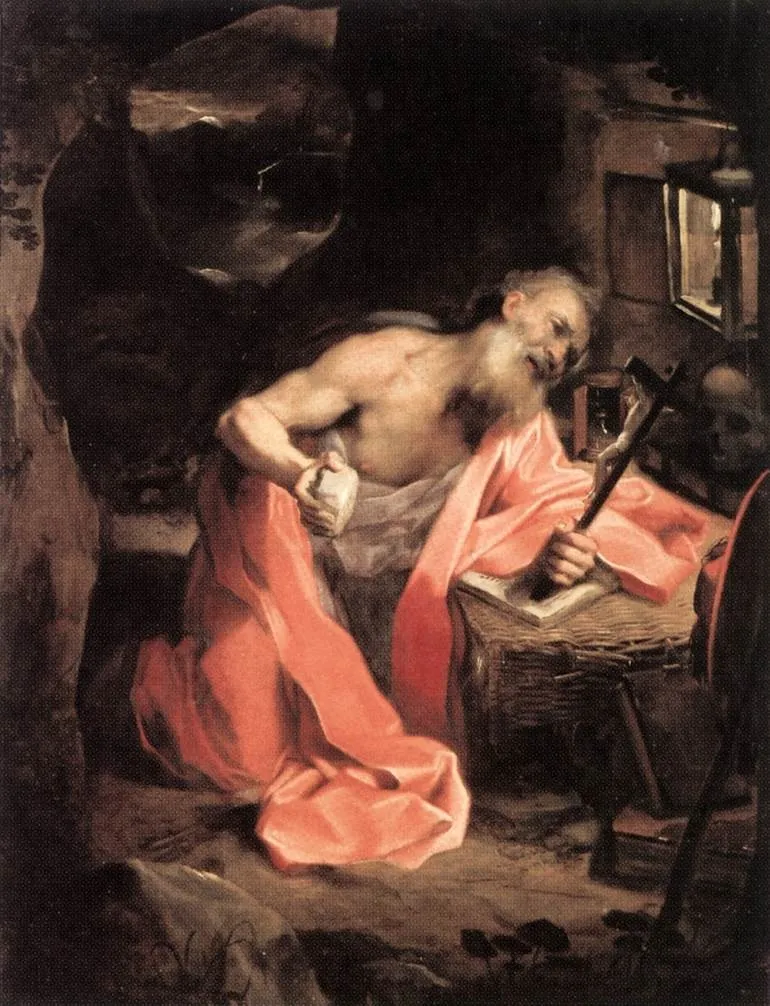
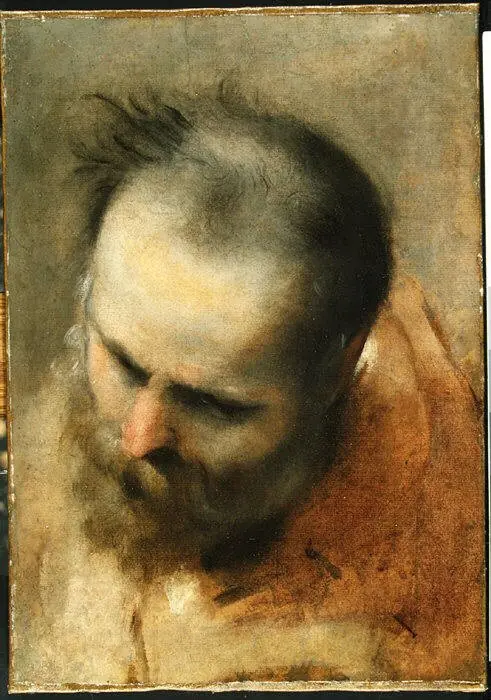
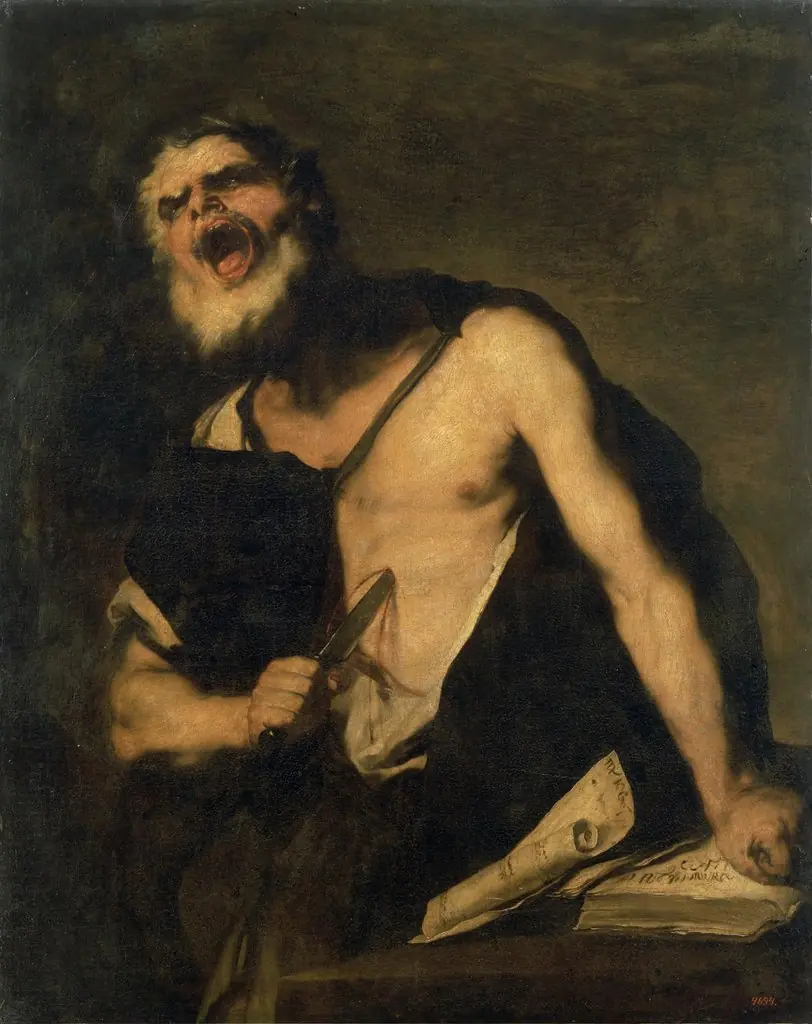
Saint Jerome is an oil painting by the Early Baroque Italian artist Federico Barocci. It dates from 1600 and is held in the collection of the Galleria Borghese.
About this work
Overview
Created around 1600, *Saint Jerome* is an oil painting by Federico Barocci, an Italian Renaissance artist, falling within the early Baroque period in Italy.
Subject & Meaning
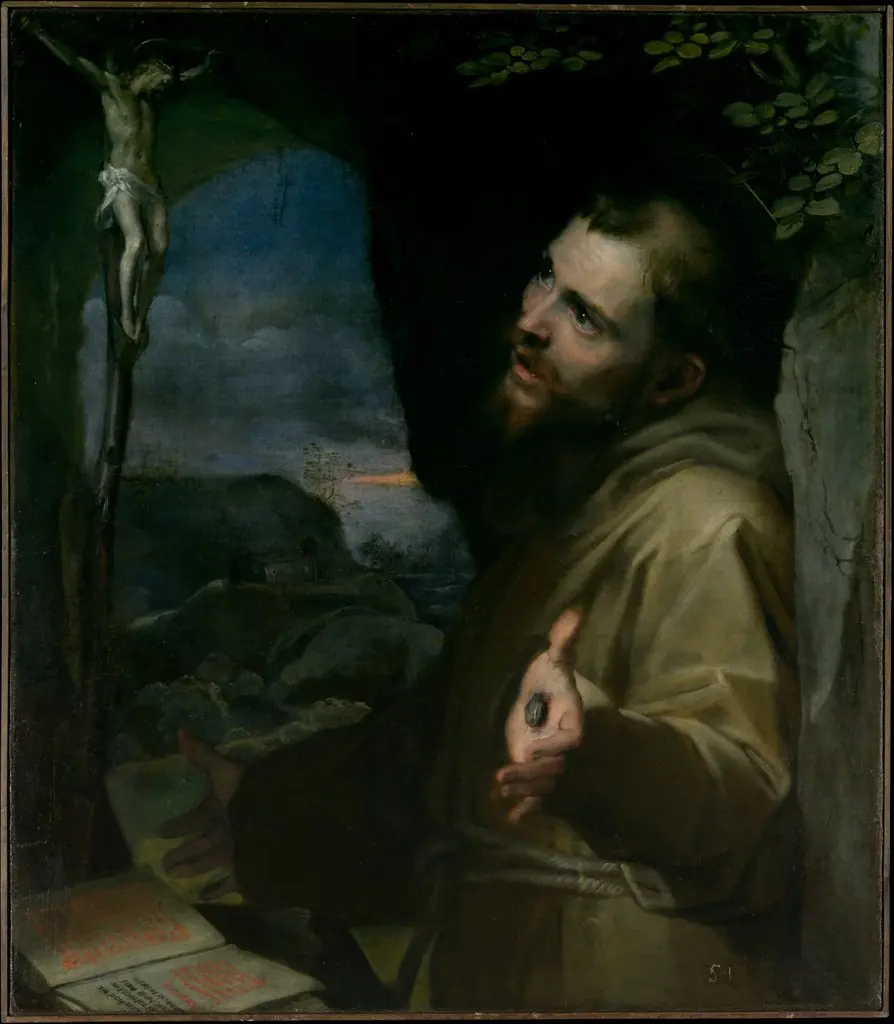
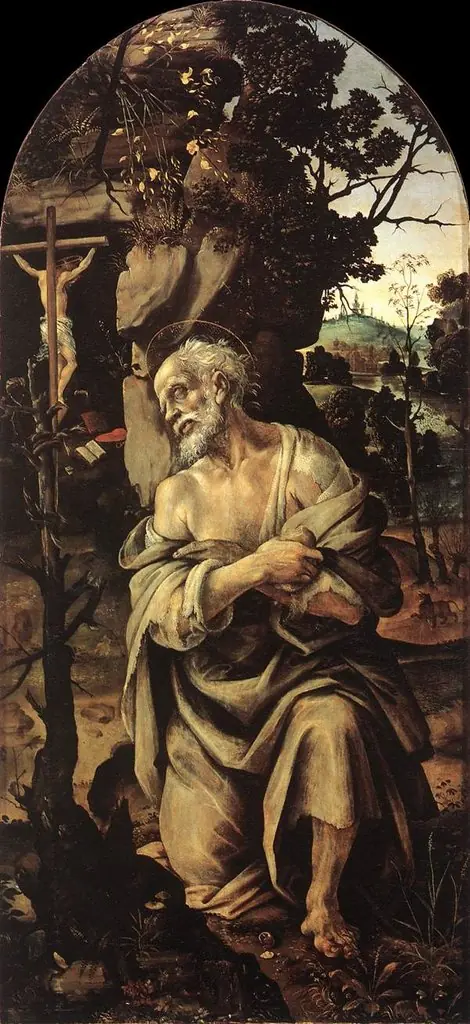
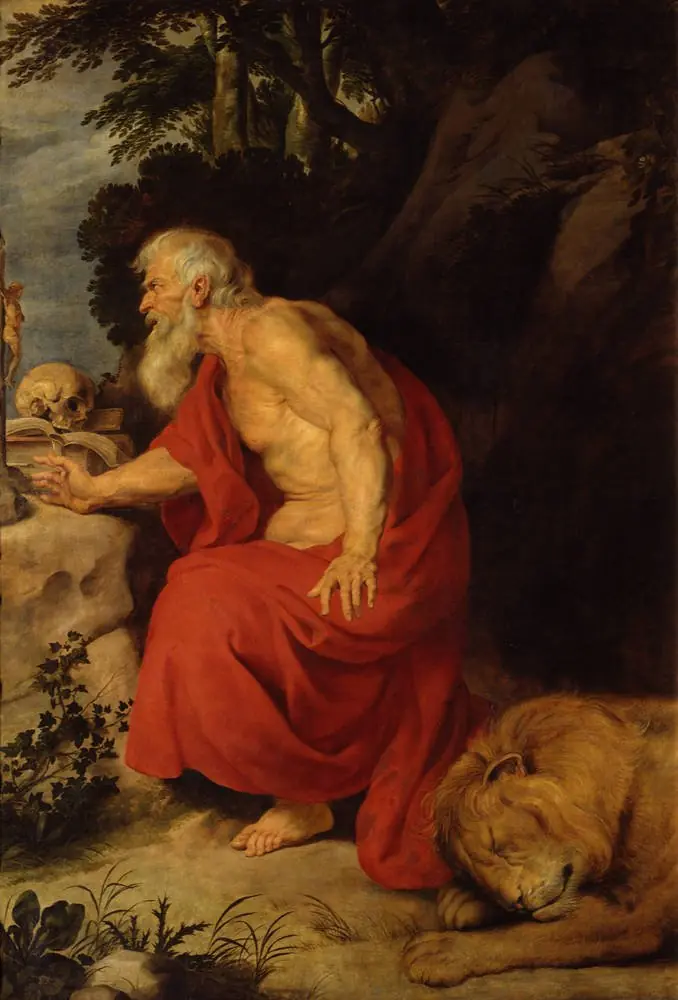
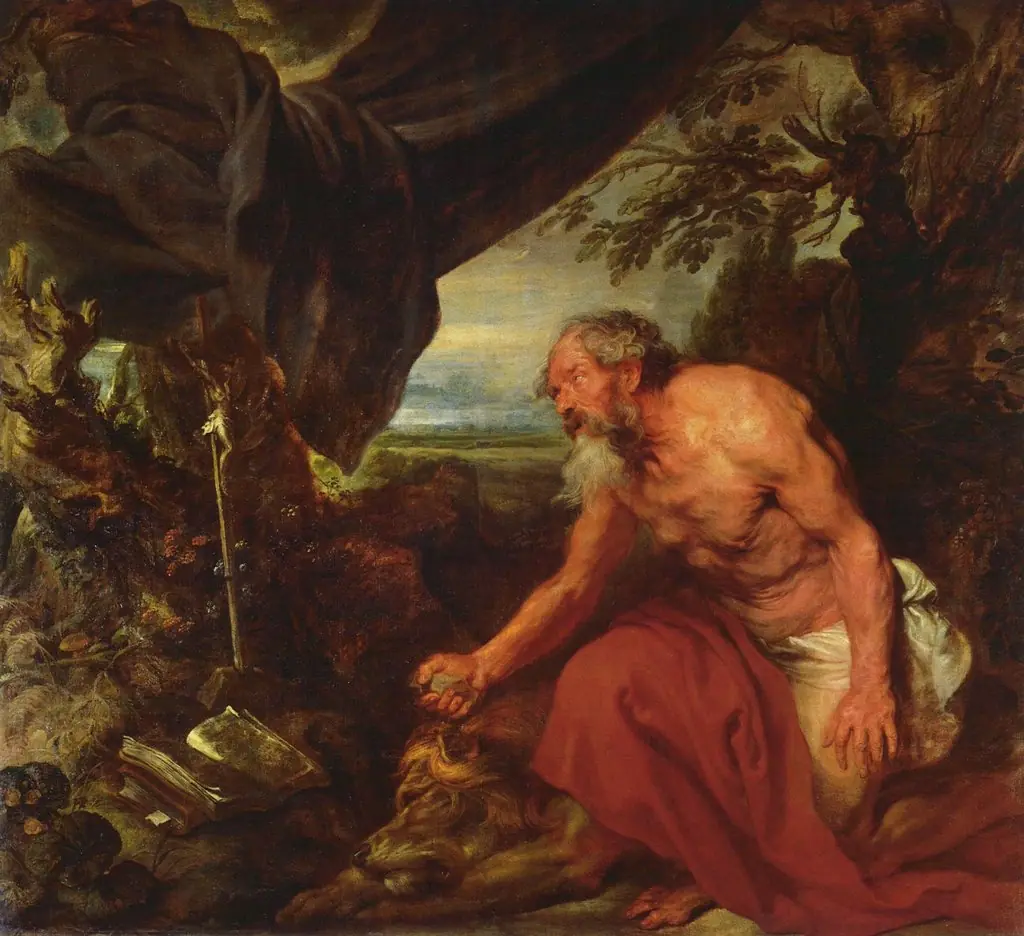
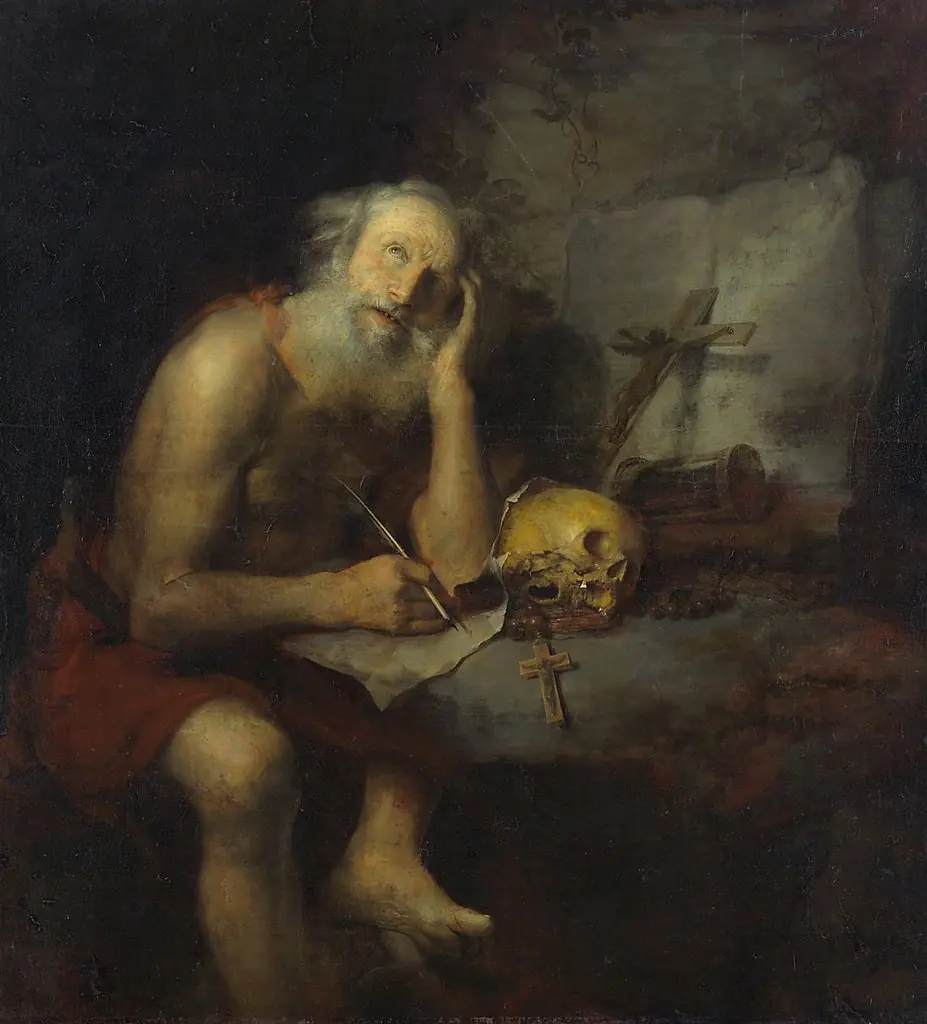
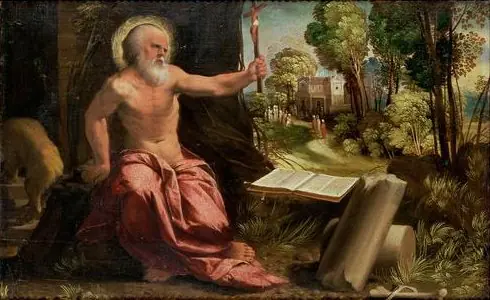
The painting portrays Saint Jerome, a religious figure, in a moment of contemplation. Seated at a desk with an open book, he holds a hammer, symbolizing his dual role in religious tradition as both scholar and ascetic. His introspective expression and the contrast between his warm, red robe and the dark background emphasize a sense of quiet reflection.
Technique & Style
Barocci's use of chiaroscuro is evident in the stark contrast between the warm tones of Jerome's robe and the book, set against a somber, dark background. This technique enhances the contemplative atmosphere, drawing focus to the subject's introspective state.
History & Provenance
*Saint Jerome* is part of the Galleria Borghese's collection in Italy. As a key work by Barocci, it contributes to his reputation as a leading painter in central Italy during his time.
Context
Within the early Baroque period, Barocci's compositions were highly influential. *Saint Jerome* reflects the era's emphasis on emotional depth and the use of light to convey spiritual introspection.
Legacy
Through works like *Saint Jerome*, Barocci established himself as a significant figure in Italian Renaissance and early Baroque art, known for his ability to capture profound emotional states through his subjects.
Artist & collection
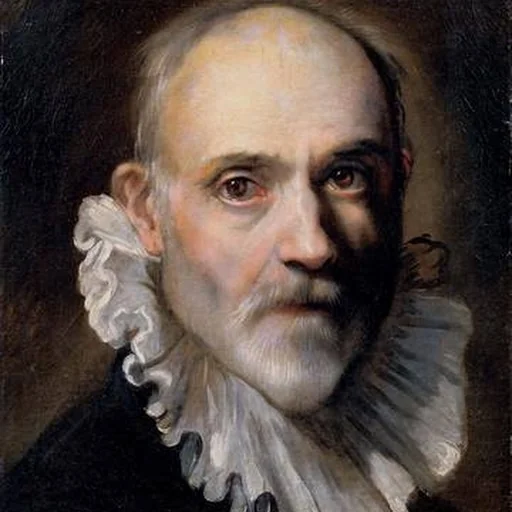
Artist
Federico Barocci (also written Barozzi) (c. 1535 – 30 September 1612) was an Italian Renaissance painter and printmaker. His original name was Federico Fiori, and he was nicknamed Il Baroccio. His work was highly…