Artwork
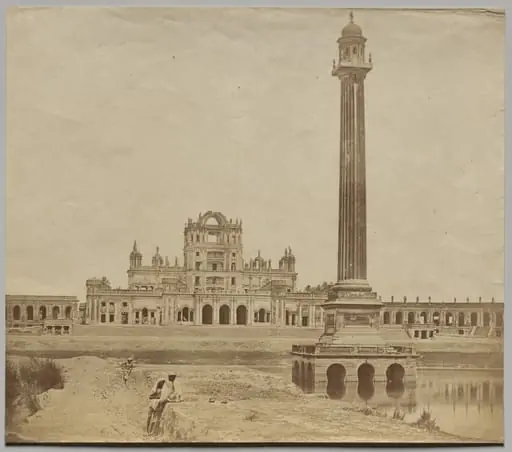
Chutter Manzil Palace, with the King's Boat in the Shape of a Fish
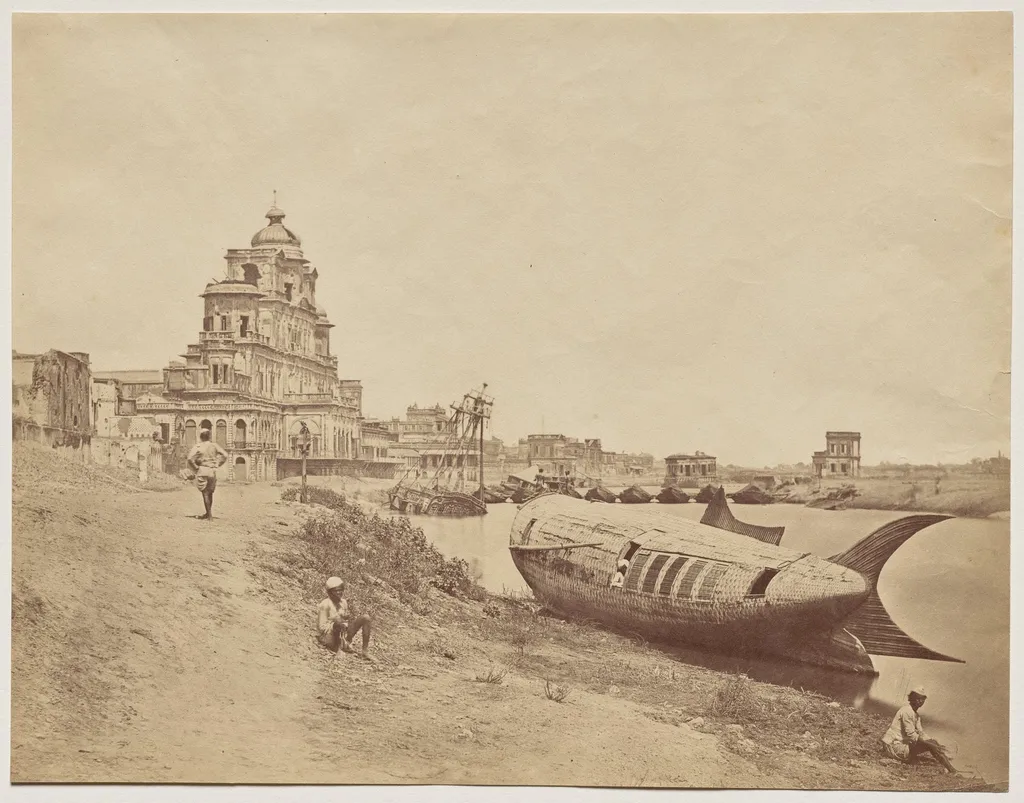
Chutter Manzil Palace, with the King's Boat in the Shape of a Fish is a photography by the Impressionist artist Felice A. Beato. It dates from 1858 and is held in the collection of the Cleveland Museum of Art. Felice A.
About this work
Overview
Felice A. Beato’s 1858 photograph, titled *Chutter Manzil Palace, with the King's Boat in the Shape of a Fish*, presents a richly ornamented palace set beside water. The composition centers on a distinctive royal vessel fashioned to resemble a fish, positioned before the building’s domed roof and numerous windows.
Subject & Meaning
The image records an architectural landmark—Chutter Manzil Palace—along with a ceremonial boat that reflects local royal customs. The fish‑shaped craft, likely used for processional or leisure purposes, underscores the fusion of regal display and regional artistic motifs within the visual narrative.
Technique & Style
Beato employs a realistic photographic approach, emphasizing fine architectural detail and textural contrast. Careful modulation of light and shadow creates depth, guiding the eye toward the central boat while rendering the palace’s façade with crisp clarity. The composition balances expansive space with intricate surface treatment.
History & Provenance
Captured in 1858 during Beato’s travels in the Indian subcontinent, the photograph entered the Cleveland Museum of Art’s collection in the twentieth century. Its presence in the museum reflects the institution’s broader interest in 19th‑century photographic documentation of South Asian architecture and courtly life.
Artist & collection
Artist
Felice A. Beato and Felice Antonio Beato are collective signatures used by the brothers Felice Beato and Antonio Beato, who were both pioneering photographers in the 19th century. They were noted for their depictions of…

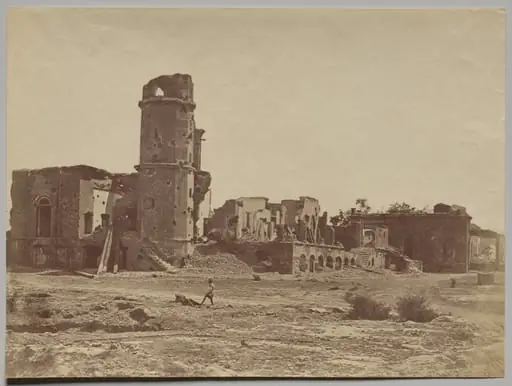 The Residency, Taken from the Redan Battery
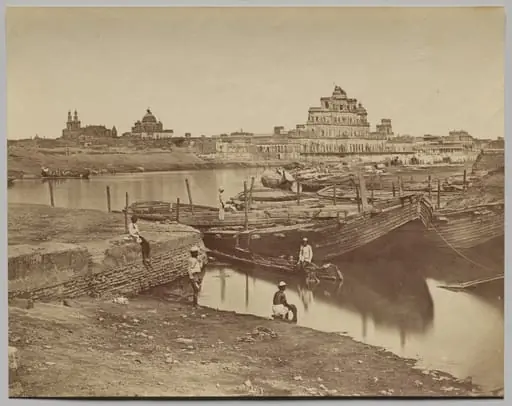 Bridge of Boats over the Gumti River near the Chattar Manzil and Fusseed Bakah or Old Palace
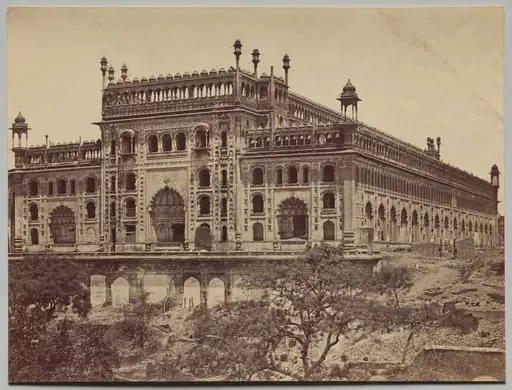 Exterior of Asaf-ud-Daula's Imambara, or Tomb
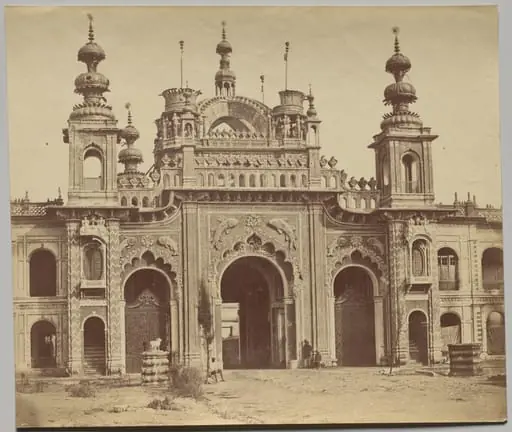 The Great Gateway of the Kasierbagh
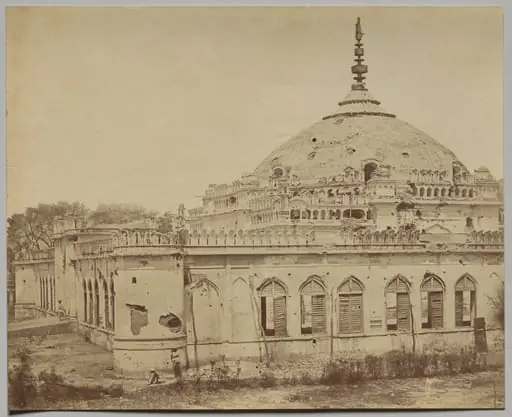 Shah Najaf
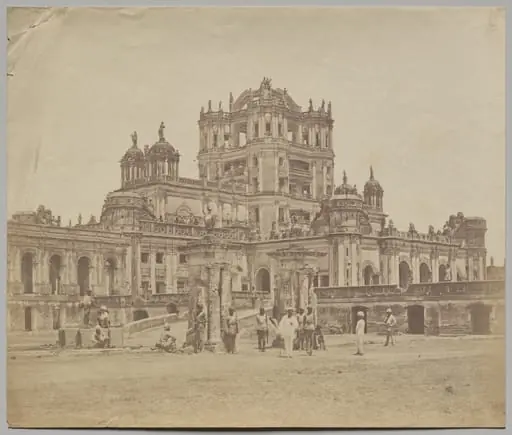 The Martinière College
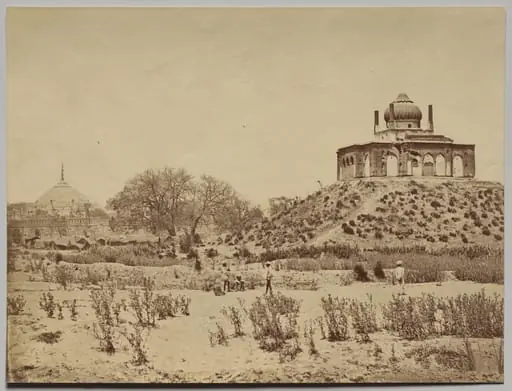 The Kudmsee Russol
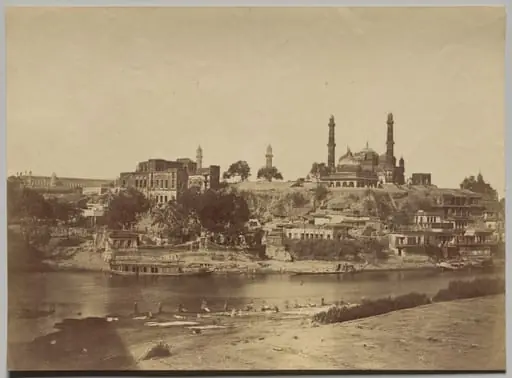 The Muchee Bhawan Fort and the Gomti River Taken from the Stone Bridge
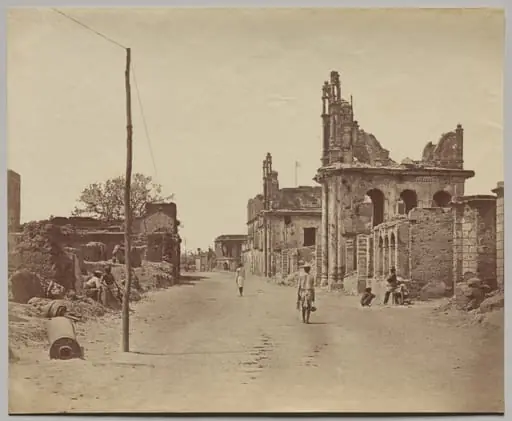 The Cawnpore Road in Lucknow
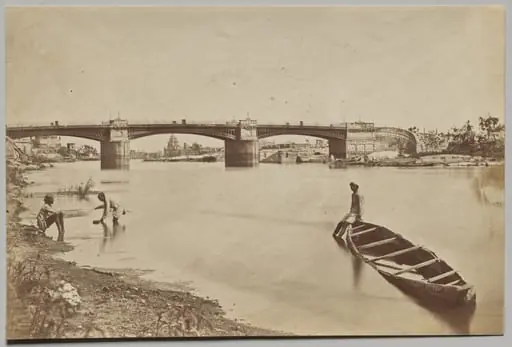 The Iron Bridge
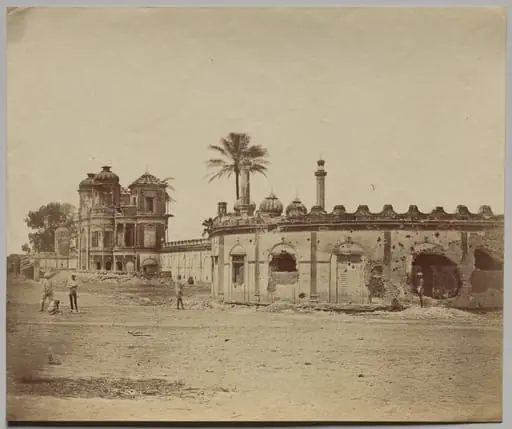 The Secundra Bagh, Showing the Breach and Gateway
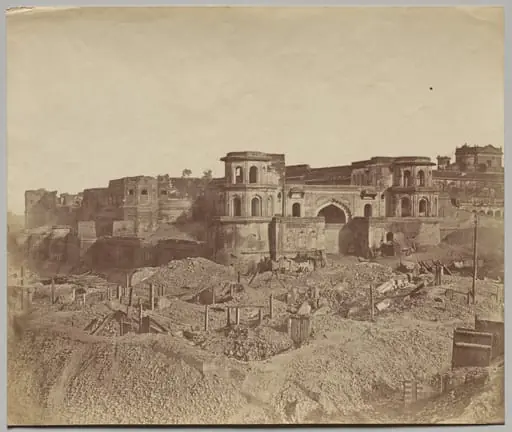 The Mucha Bawn, or the Old Citadel of Lucknow
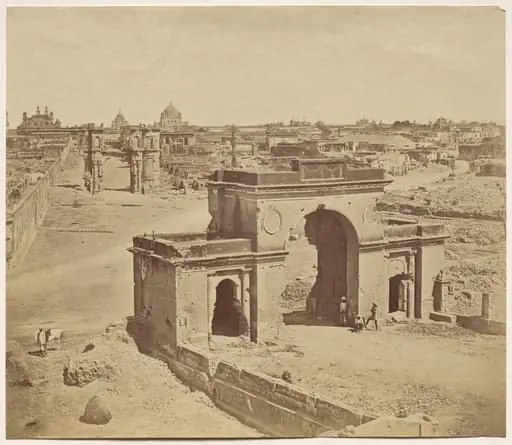 Bailee Guard Gate, Taken from the Inside, Showing the Clock Tower
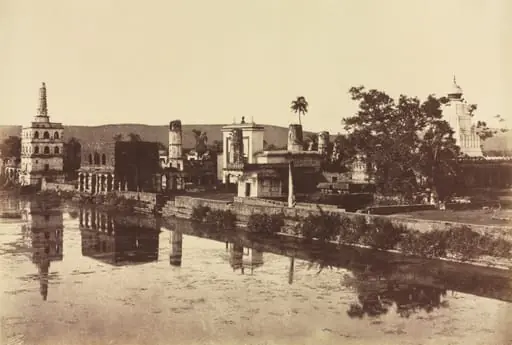 Tank and Temples at Bunshunkuree
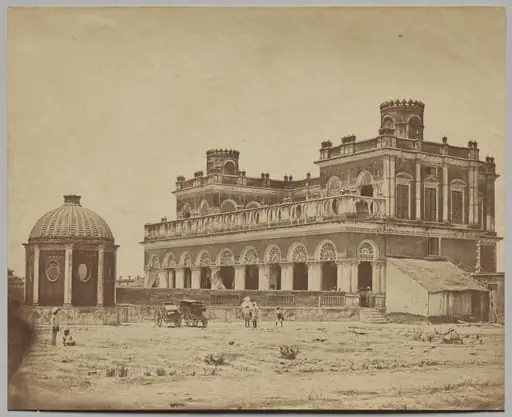 The Musabagh
 The Martinière School
 Egypt and Nubia: Volume I - No. 4, Slave Boats on the Nile, View Looking Towards the Pyramids of Dashour and Saccara