Artwork
Interior of the Secundra Bagh after the Slaughter of 2,000 Rebels by the 93rd Highlanders and 4th Punjab Regiment
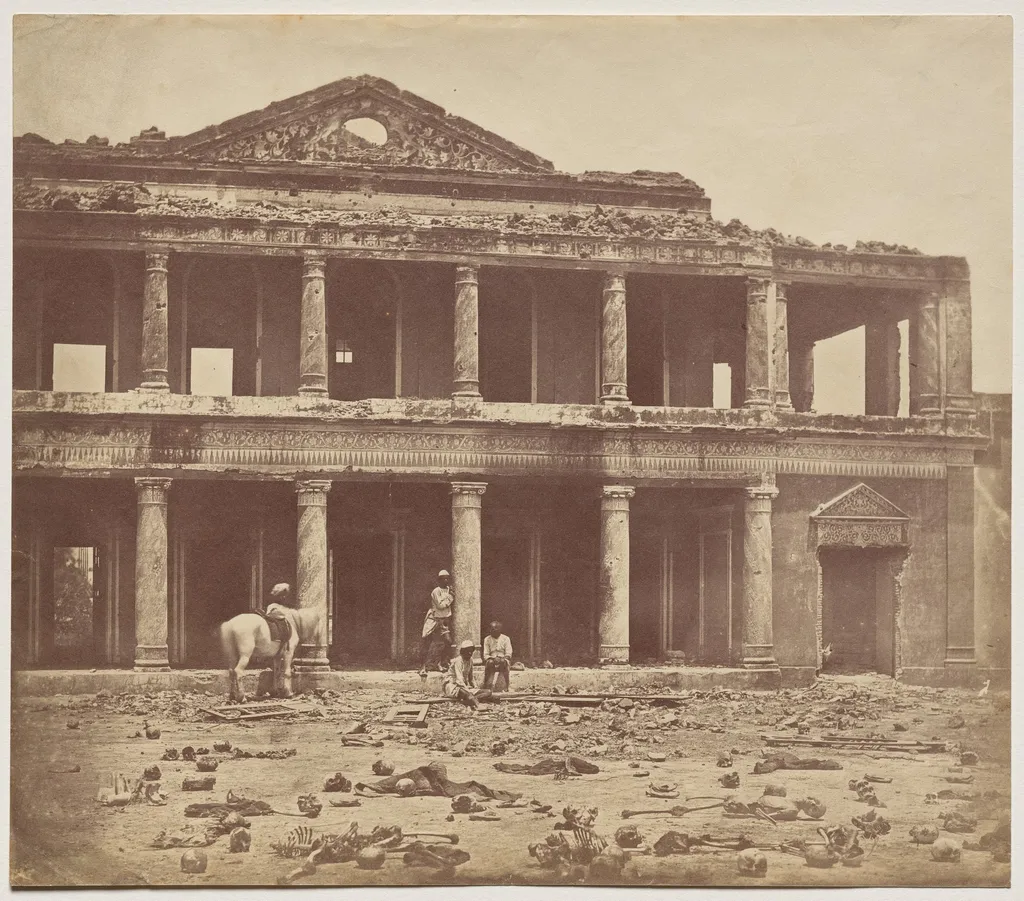
Interior of the Secundra Bagh after the Slaughter of 2,000 Rebels by the 93rd Highlanders and 4th Punjab Regiment is a photography by the Impressionist artist Felice A. Beato. It dates from 1858 and is held in the collection of the Cleveland Museum of Art. Felice A.
About this work
Three men and a horse stand inside the wreckage, looking small against the tall, damaged walls.
This photo shows a ruined building with broken columns and a collapsed roof. The floor is scattered with bones and debris. Three men and a horse stand inside the wreckage, looking small against the tall, damaged walls.
The bones on the ground suggest this place was once a site of violence. The photo was taken right after a battle where many people died.
Next, check out Felice A. Beato (British, 1830–1906) to see more of his war photography.
Overview
Felice A. Beato’s 1858 photograph, titled *Interior of the Secundra Bagh after the Slaughter of 2,000 Rebels by the 93rd Highlanders and 4th Punjab Regiment*, is part of the Cleveland Museum of Art’s collection. The image records the devastated interior of the Secundra Bagh, a building reduced to rubble in the aftermath of a violent confrontation.
Subject & Meaning
The composition captures a shattered hall with broken columns, a collapsed roof, and a floor littered with skeletal remains and debris. Within the ruin, three men and a horse appear diminutive against the towering, damaged walls, underscoring the scale of destruction and the human cost of the conflict that had just occurred.
Technique & Style
Beato employed the wet‑collodion process, common in mid‑nineteenth‑century photography, to render fine detail in both architecture and the scattered remains. The high contrast between the darkened interior and the bright, exposed stone emphasizes texture, while the shallow depth of field draws attention to the figures amid the devastation.
History & Provenance
Taken shortly after the battle in which the 93rd Highlanders and the 4th Punjab Regiment engaged rebel forces, the photograph entered the Cleveland Museum of Art’s holdings through acquisition in the early twentieth century. Its provenance traces back to Beato’s extensive work documenting colonial wars in India.
Context
The Secundra Bagh was a fortified garden in Lucknow, India, seized during the 1857 Indian Rebellion. The image documents the immediate aftermath of the assault, when British and Indian troops reported the death of roughly two thousand insurgents, providing a visual record of the conflict’s brutal reality.
Artist & collection
Artist
Felice A. Beato and Felice Antonio Beato are collective signatures used by the brothers Felice Beato and Antonio Beato, who were both pioneering photographers in the 19th century. They were noted for their depictions of…

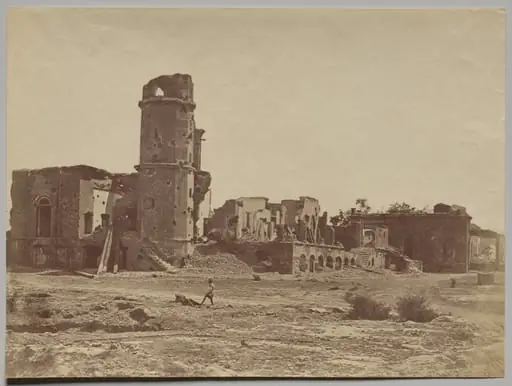 The Residency, Taken from the Redan Battery
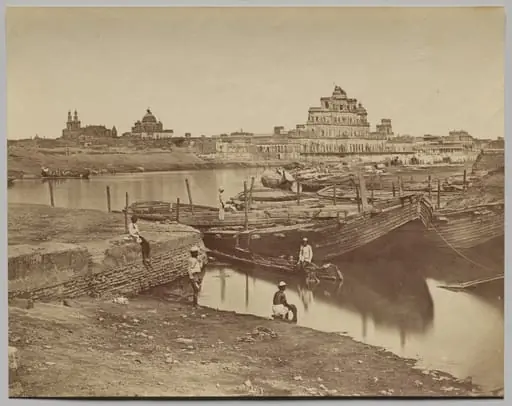 Bridge of Boats over the Gumti River near the Chattar Manzil and Fusseed Bakah or Old Palace
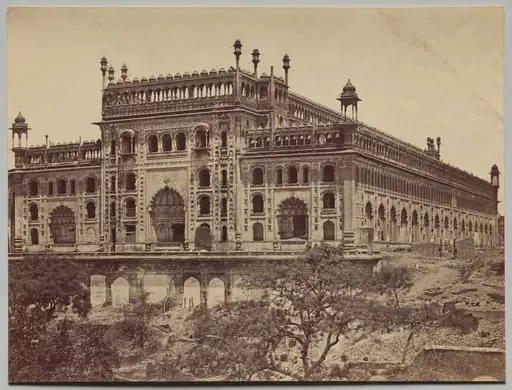 Exterior of Asaf-ud-Daula's Imambara, or Tomb
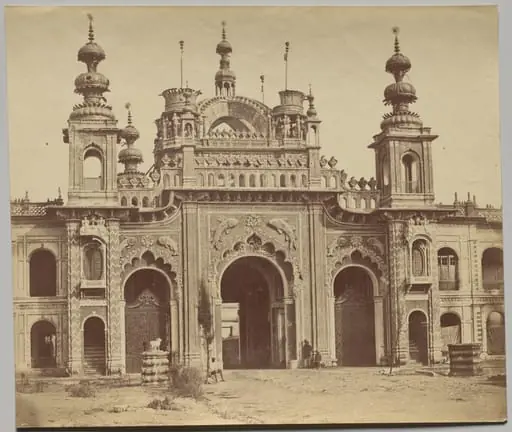 The Great Gateway of the Kasierbagh
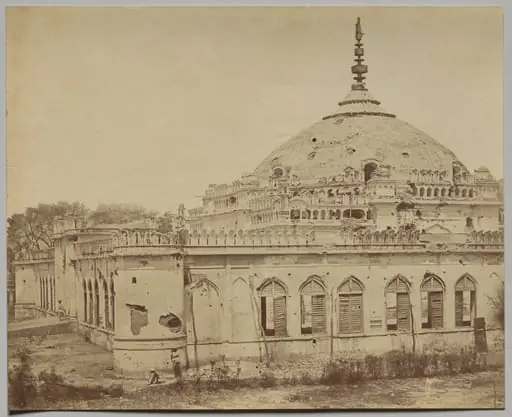 Shah Najaf
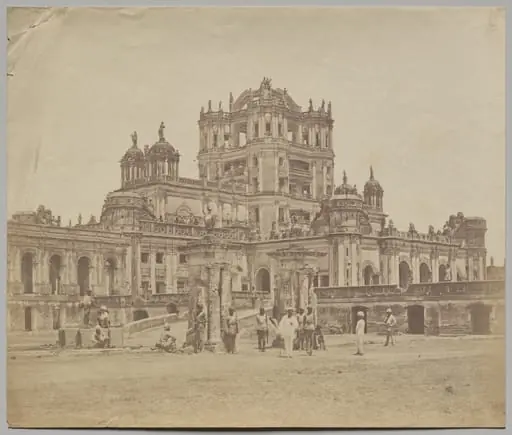 The Martinière College
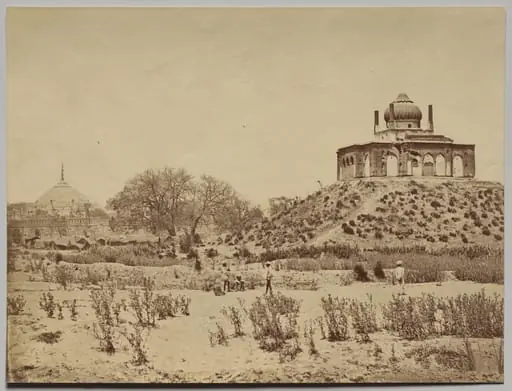 The Kudmsee Russol
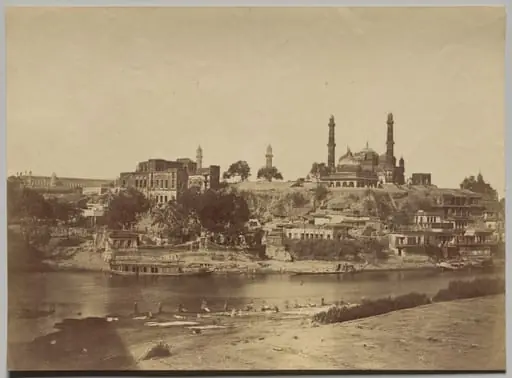 The Muchee Bhawan Fort and the Gomti River Taken from the Stone Bridge
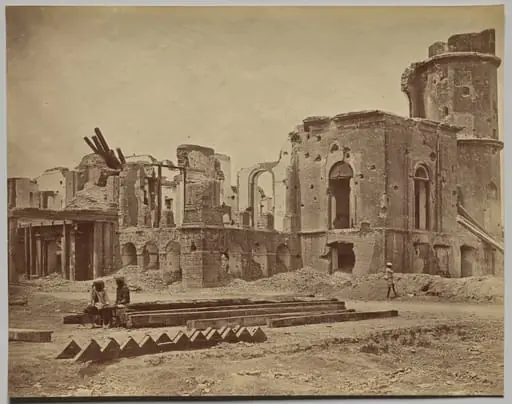 The Residency From the Front, Showing the Room in Which Sir Henry Lawrence was Killed
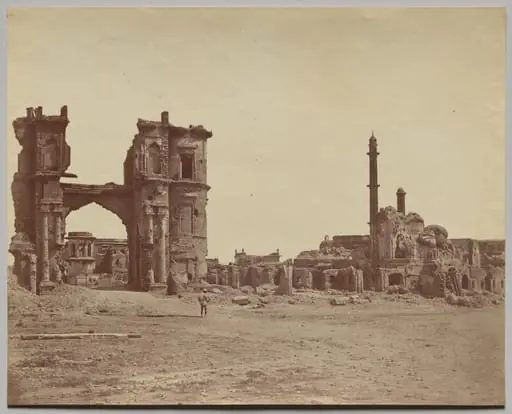 The Clock Tower in Front of the Bailee Guard Gate
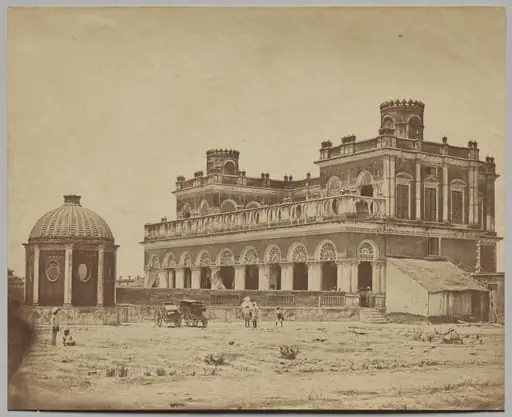 The Musabagh
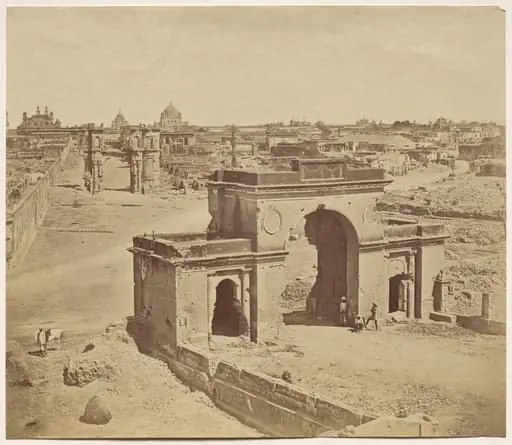 Bailee Guard Gate, Taken from the Inside, Showing the Clock Tower
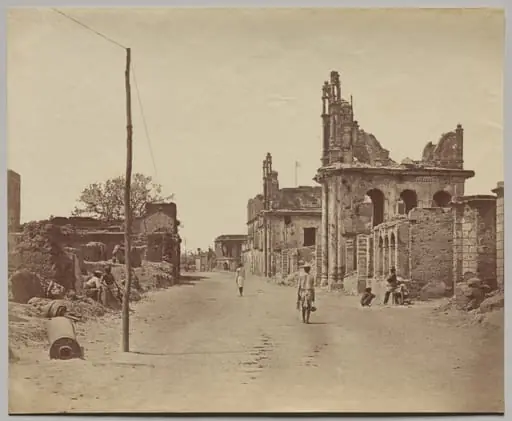 The Cawnpore Road in Lucknow
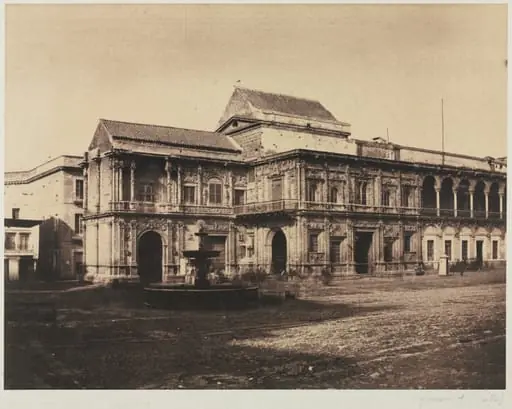 Townhall, Seville
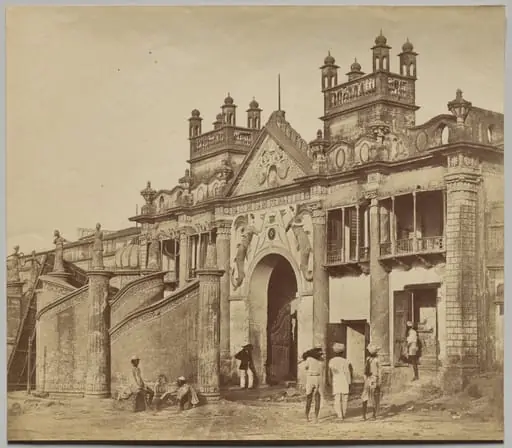 Gateway Leading into the Kaiserbagh
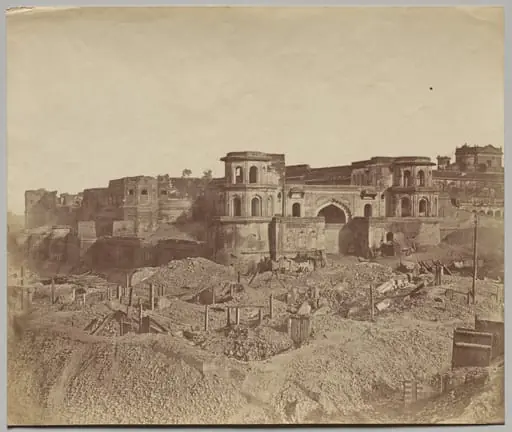 The Mucha Bawn, or the Old Citadel of Lucknow
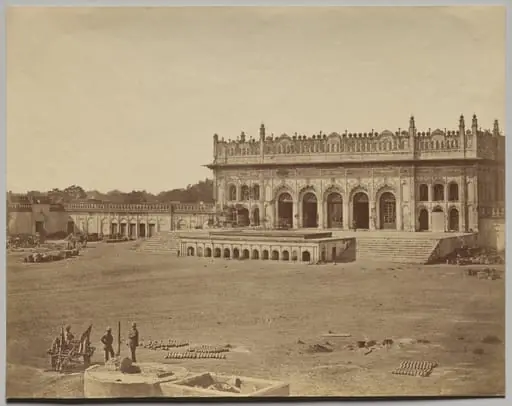 The Small Imambara