Artwork
Pannonia
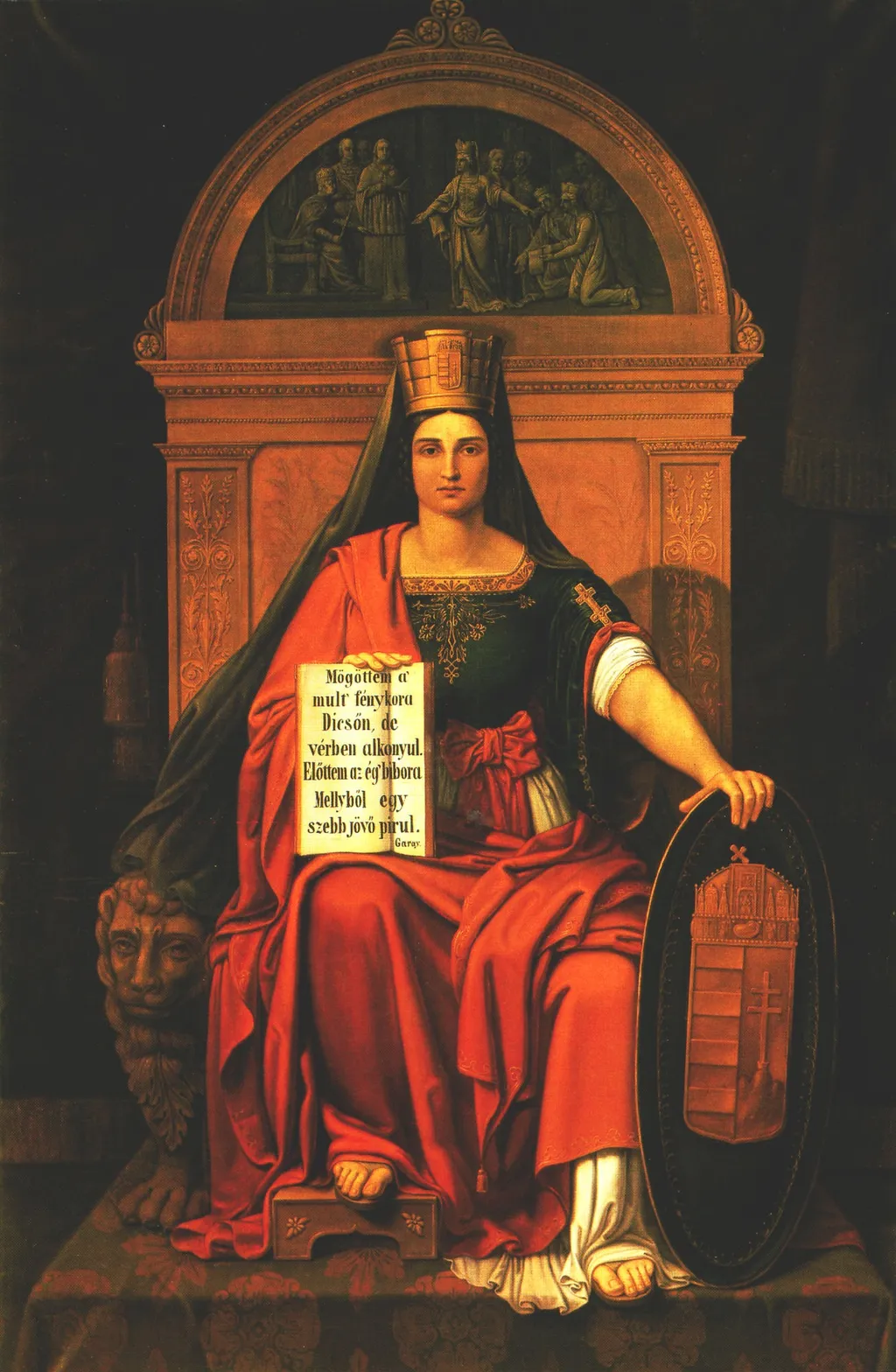
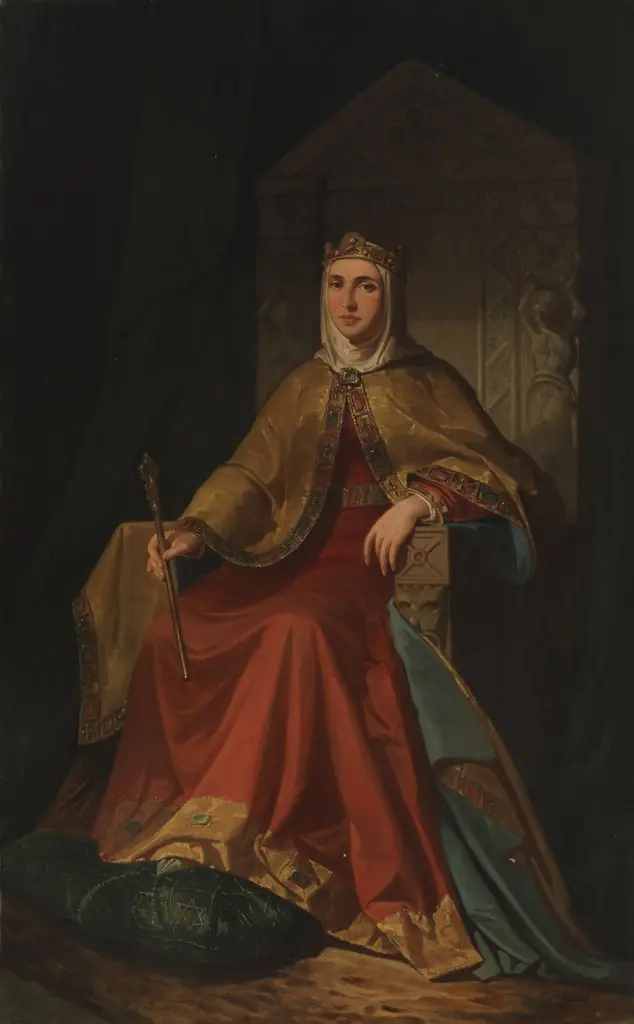
Pannonia is an oil painting by the German Romanticist artist Ferdinánd Vidra. It dates from 1844 and is held in the collection of the Hungarian National Gallery.
About this work
Overview
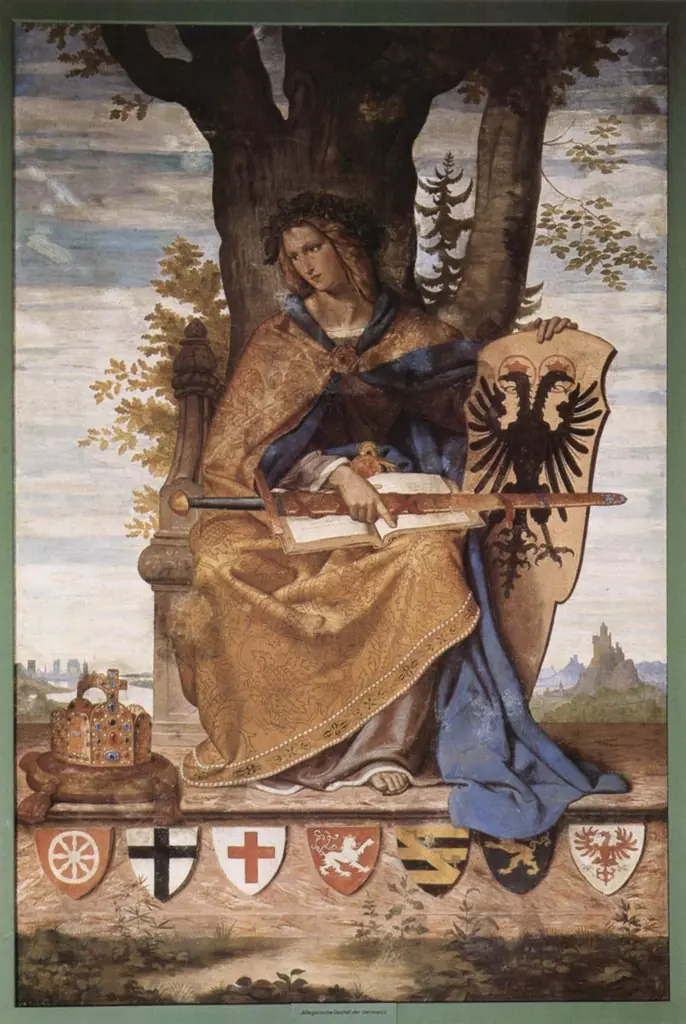
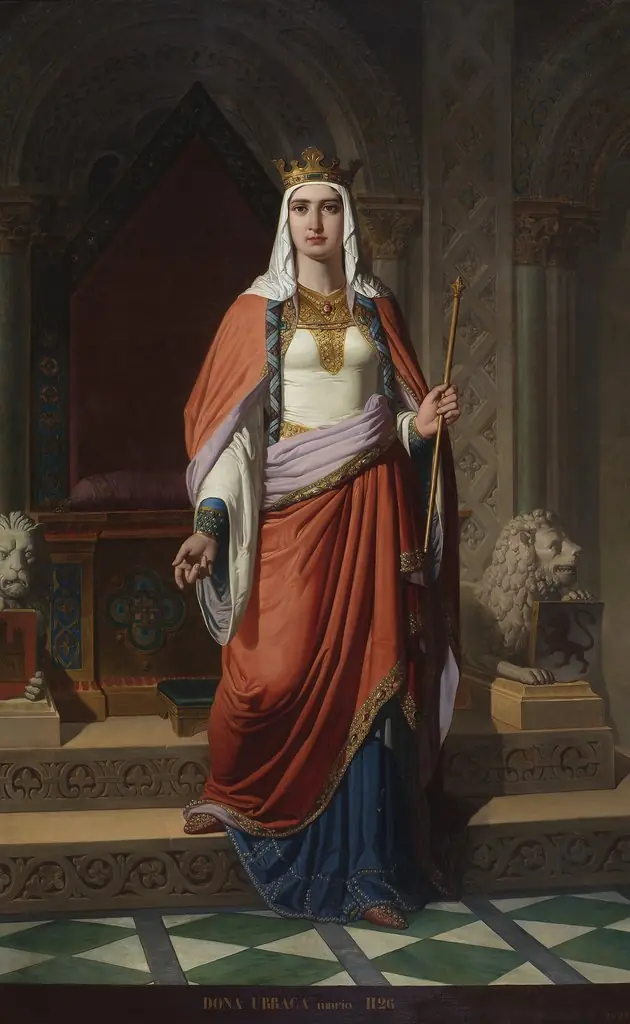
Ferdinánd Vidra’s 1844 oil painting titled *Pannonia* is an allegorical work held in the collection of the Hungarian National Gallery. The composition centers on a seated female figure on an elaborately carved throne, rendered in a somber palette that emphasizes the figure’s regal presence against a dark backdrop.
Subject & Meaning
The central woman, robed in a flowing red garment and crowned, holds a shield in her right hand and a book in her left, symbols traditionally associated with protection and learning. The faint silhouettes of figures above the throne suggest a collective or civic identity, aligning the work with the historic region of Pannonia.
Technique & Style
Executed in oil on canvas, Vidra employs chiaroscuro to model the figure and throne, allowing the intricate carvings and the lion’s head at the lower left to emerge from the surrounding gloom. The restrained color scheme and careful handling of light reflect mid‑19th‑century academic conventions in Hungarian allegorical painting.
History & Provenance
Created in 1844, *Pannonia* entered the Hungarian National Gallery’s holdings, where it remains on display. The painting’s provenance traces directly to the artist’s estate, with no recorded changes of ownership before its acquisition by the national institution.
Context
The work belongs to a period when Hungarian artists frequently employed allegory to evoke national history and identity. By personifying the ancient province of Pannonia, Vidra contributes to a broader cultural project of linking contemporary Hungary to its Roman‑era roots, a theme common in mid‑19th‑century Central European art.
Artist & collection
Artist
Ferenc Vidra liked to paint the plainest things he saw: a muddy riverbank, a stack of firewood, the back of a horse whose name he knew.