Artwork
Design for a Candelabrum Representing the Three Graces Gathering the Apples of Hesper
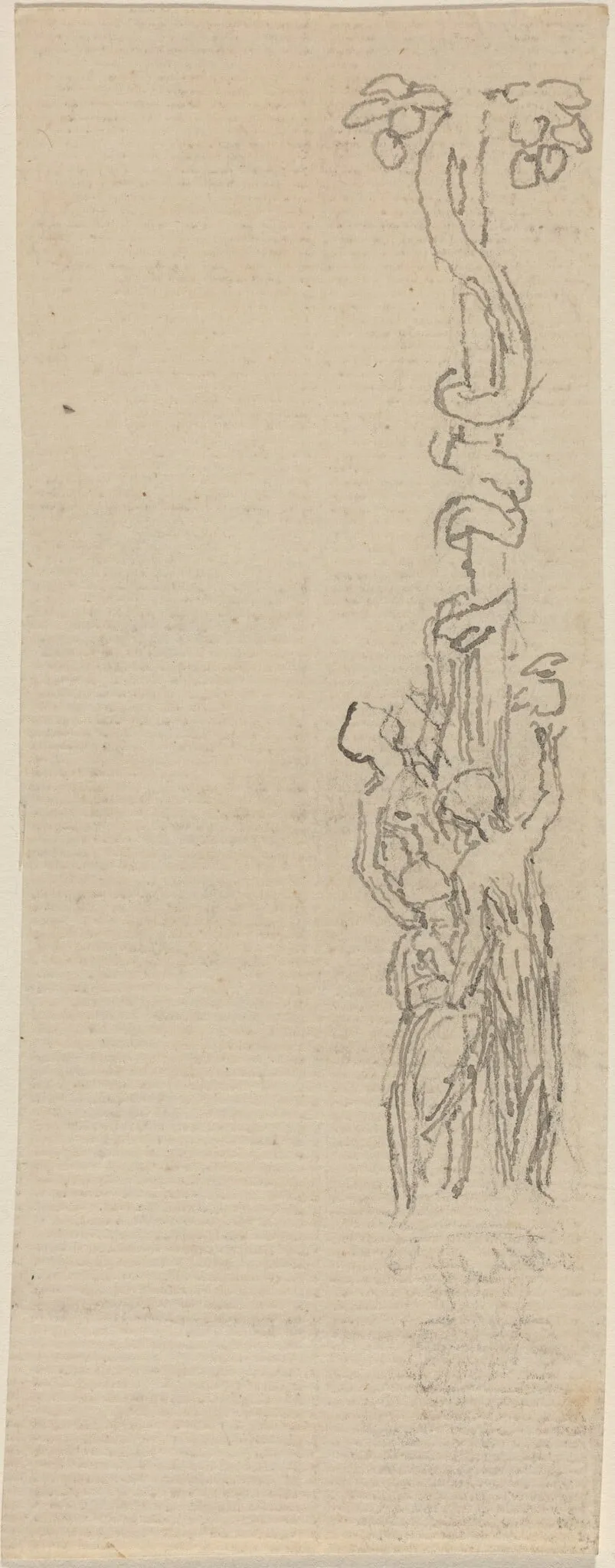
Design for a Candelabrum Representing the Three Graces Gathering the Apples of Hesper is a graphite drawing by the Romanticist artist John Flaxman. It dates from 1816 and is held in the collection of the National Gallery of Art.
About this work
Overview
This drawing, created around 1816 by English artist John Flaxman, presents a design for a candelabrum. Executed in pen and gray ink over graphite, it showcases a classical theme interpreted through Flaxman's distinctive linear drawing style.
Subject & Meaning
The subject depicts the Three Graces gathering apples, a scene inspired by classical mythology. The figures are intertwined, conveying a sense of dynamic movement, whether dancing or straining, as they reach for fruit.
Technique & Style
Flaxman's characteristic linear style dominates the composition. Quick, sketchy lines imbue the scene with energy and movement, particularly evident in the tangled poses of the three figures at the candelabrum's apex.
History & Provenance
Created during Flaxman's mature period, this work reflects his Neoclassical roots, honed during his time in Rome. His background in sculpture and experience with Josiah Wedgwood's pottery also influenced his artistic approach.
Context
This piece can be contextualized within the broader Neoclassical movement, though its expressive lines also touch on the expressive qualities of Romanticism, a contemporaneous artistic trend.
Artist & collection
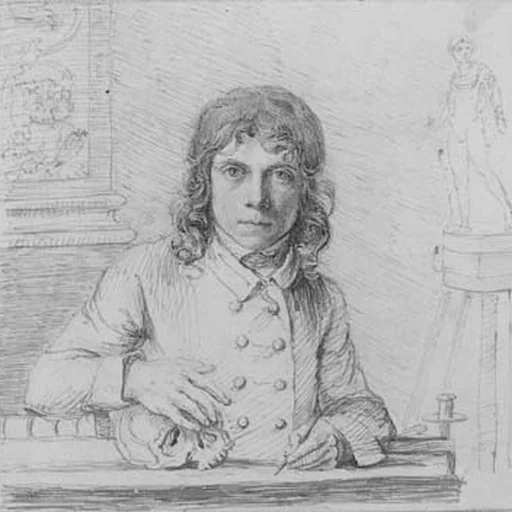
Artist
John Flaxman (6 July 1755 – 7 December 1826) was an English sculptor and draughtsman who was a leading figure in British and European Neoclassicism.

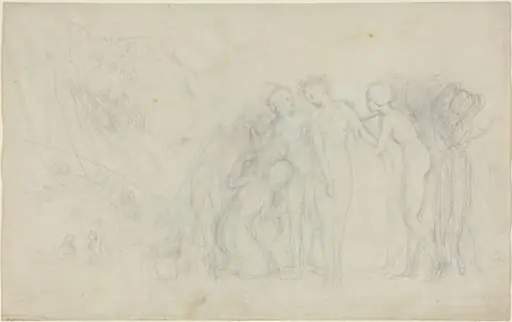
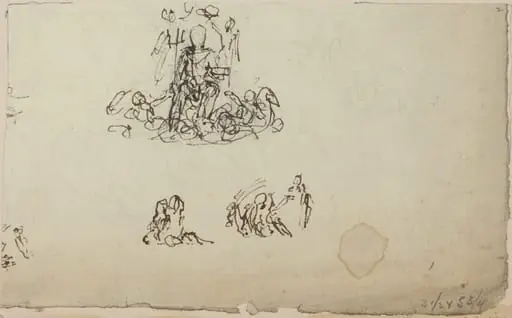
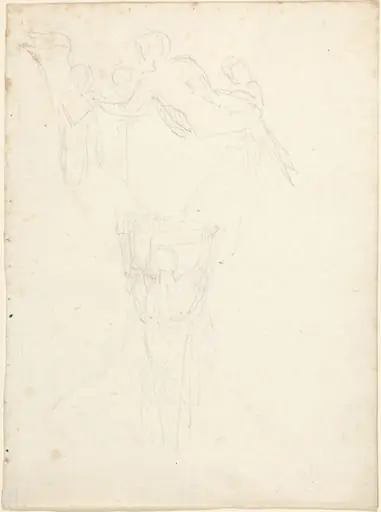 Figure Studies
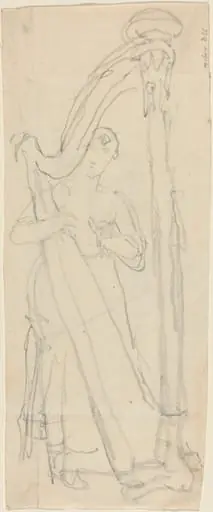 Woman Playing a Harp (Lavinia Banks?)
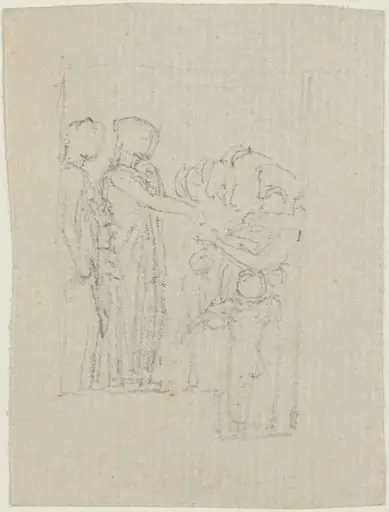 Beggars at a Door (Study for the Yarborough Monument)
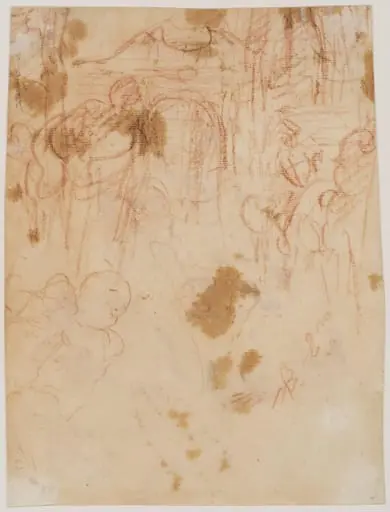 Recto: Rinaldo and Armida; verso: Study for a gateway
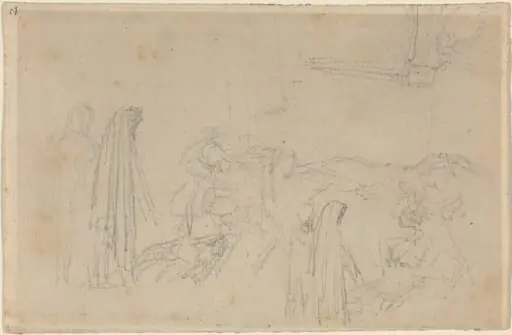 Sketches with a Hooded Figure (Virgil and Beatrice?)
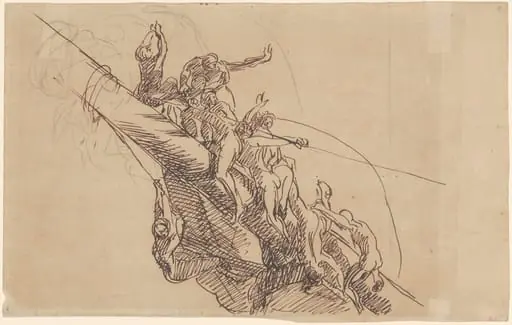 Study for "The Defeat of the Floating Batteries at Gibraltar"
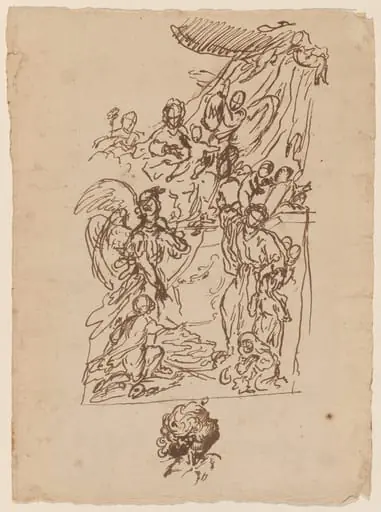 The Madonna and Child Seated on a Dais with Tobias and the Angel and a Saint Presenting Two Children
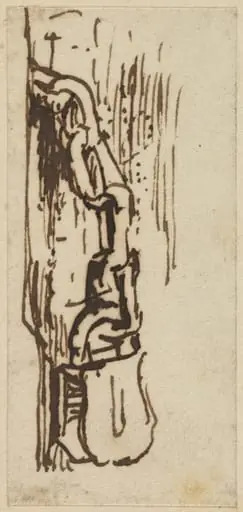 A Padlock
![Statue of a Roman Woman (Female Deity?) Seen from the Side [verso], by Hubert Robert](https://artifactworldgallery.com/img/hubert-robert--statue-of-a-roman-woman-female-deity-seen-from-the-side-vers--4bf9208a795411cc-w320.webp) Statue of a Roman Woman (Female Deity?) Seen from the Side [verso]
Statue of a Roman Woman (Female Deity?) Seen from the Side [verso]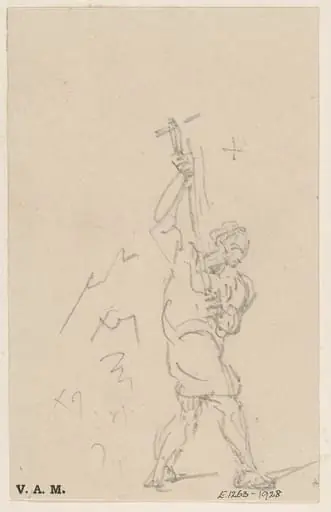 A Chinese figure with an upraised hammer
 Two Huddled Figures