Artwork
President Mole Manhandled by Insurgents
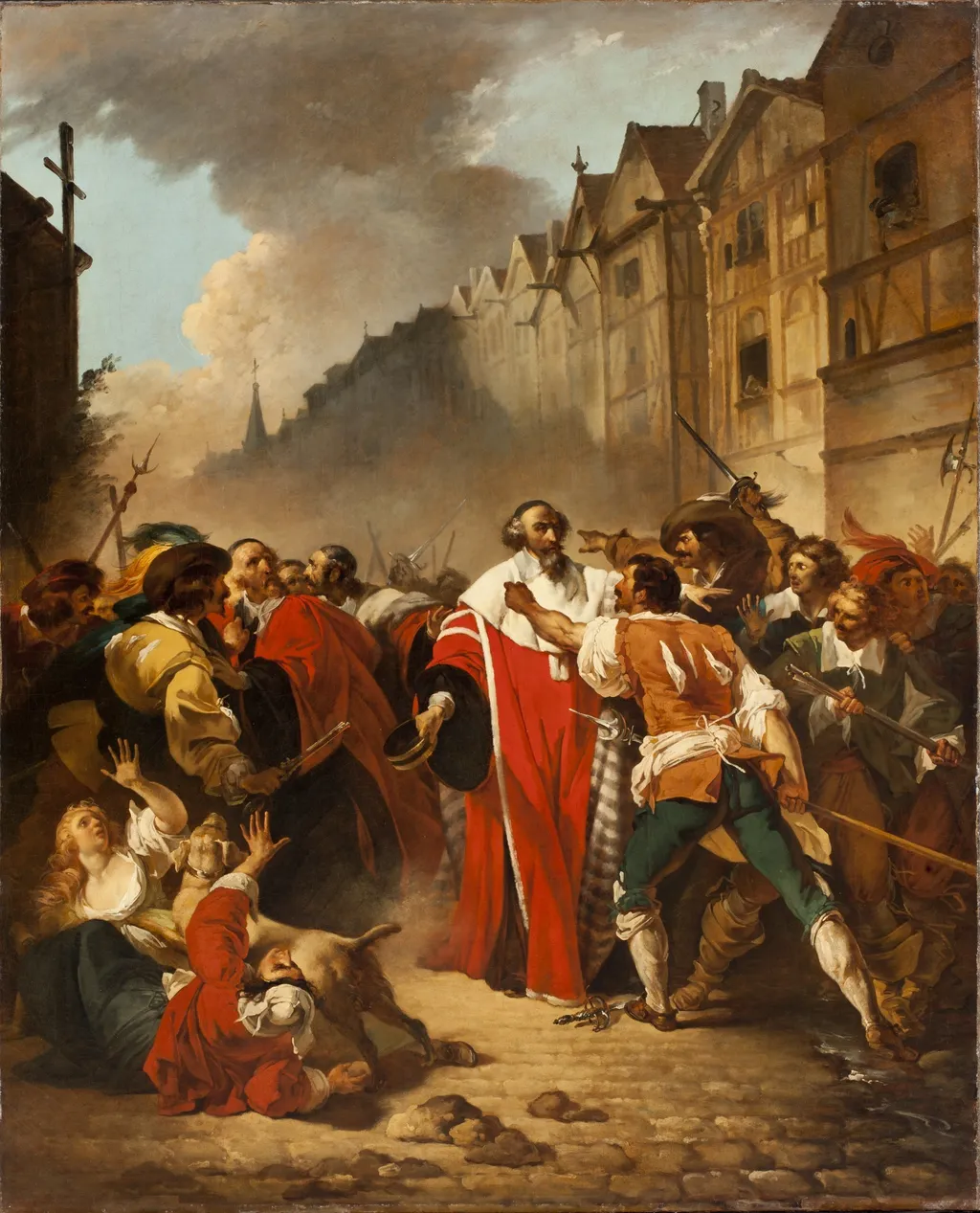
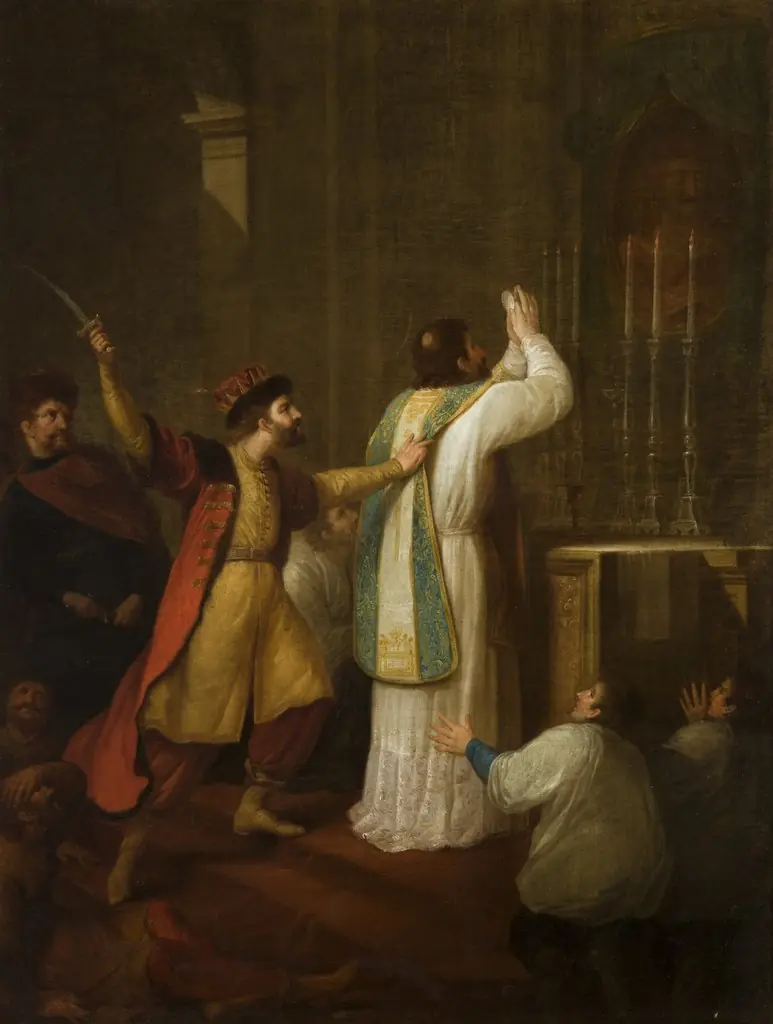
President Mole Manhandled by Insurgents is an oil painting by the Neoclassicist artist François-André Vincent. It dates from 1790 and is held in the collection of the Detroit Institute of Arts.
About this work
Overview
The painting resides in the Detroit Institute of Arts, where it stands as a rare example of revolutionary-era narrative painting from a French academic artist.
Painted in 1790 by François-André Vincent, this oil work depicts a moment of political violence centered on a figure identified as President Mole. The scene captures a crowd overwhelming a lone individual, suggesting a collapse of authority. The painting resides in the Detroit Institute of Arts, where it stands as a rare example of revolutionary-era narrative painting from a French academic artist.
Subject & Meaning
The central figure, dressed in a red robe, is shown as a leader under siege by a mob. Though the historical identity of 'President Mole' remains unclear, the imagery evokes the destabilization of power during the French Revolution. The painting does not glorify the insurgents but presents their aggression as chaotic and overwhelming, reflecting anxieties about popular uprisings and the fragility of governance.
Technique & Style
Vincent employs the refined draftsmanship and dramatic lighting typical of French academic painting. Figures are rendered with precise anatomical detail, while the composition channels classical groupings into a scene of disorder. The contrast between the calm, central figure and the swirling, violent crowd enhances the tension, using controlled brushwork to depict emotional chaos.
History & Provenance
Created in 1790, the painting emerged during a period of intense political upheaval in France. Its early history is undocumented, but it entered the Detroit Institute of Arts’ collection in the 20th century. The work’s survival through centuries of political change suggests it was preserved as a document of its turbulent moment rather than as a celebrated work of art.
Context
Vincent, trained in the French Academy, painted this during the early years of the Revolution, when public sentiment toward authority figures was volatile. While many artists aligned with revolutionary ideals, Vincent’s work reflects the unease of the establishment. The painting’s subject may reference a specific, now-forgotten incident, but its broader resonance lies in its depiction of power under threat.
Legacy
Though not widely exhibited or studied, the painting remains a valuable artifact of how French artists interpreted political violence before the rise of Romanticism. It offers insight into the transition from neoclassical order to the emotional intensity that would soon dominate revolutionary art, preserving a moment when the boundaries of authority were visibly unraveling.
Own this work as a print
Artist & collection


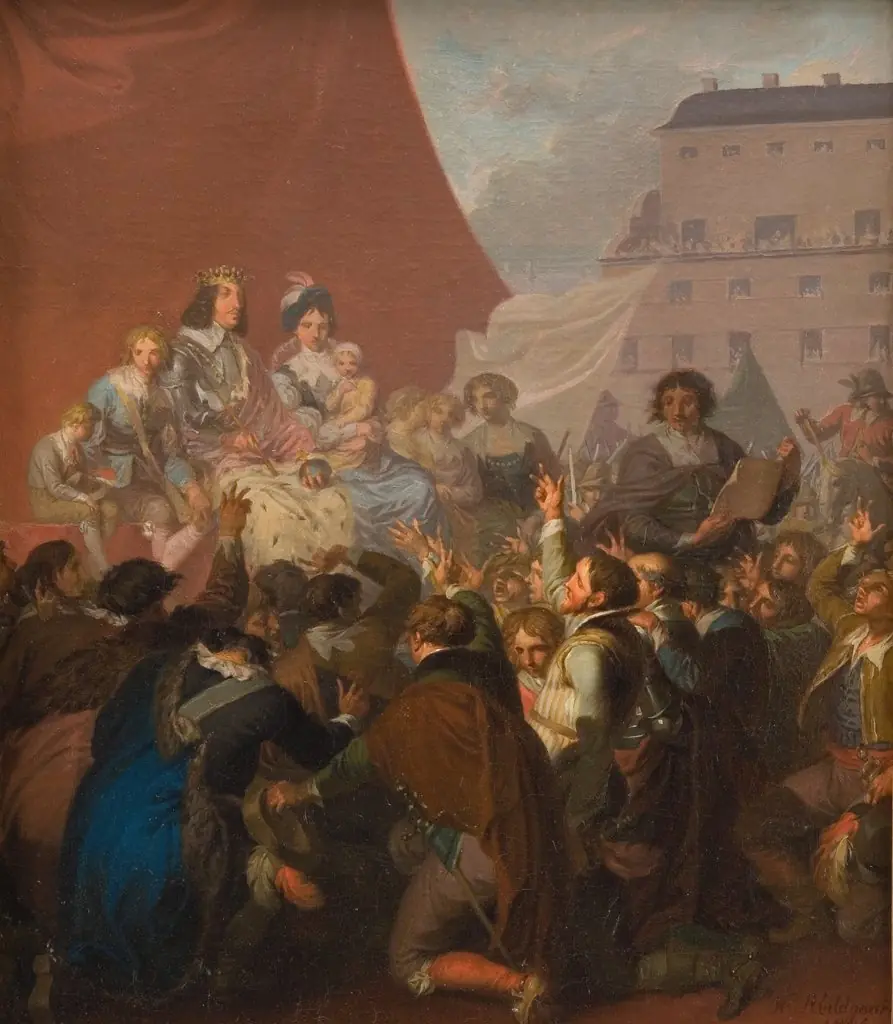 The Oath of Fealty in 1660
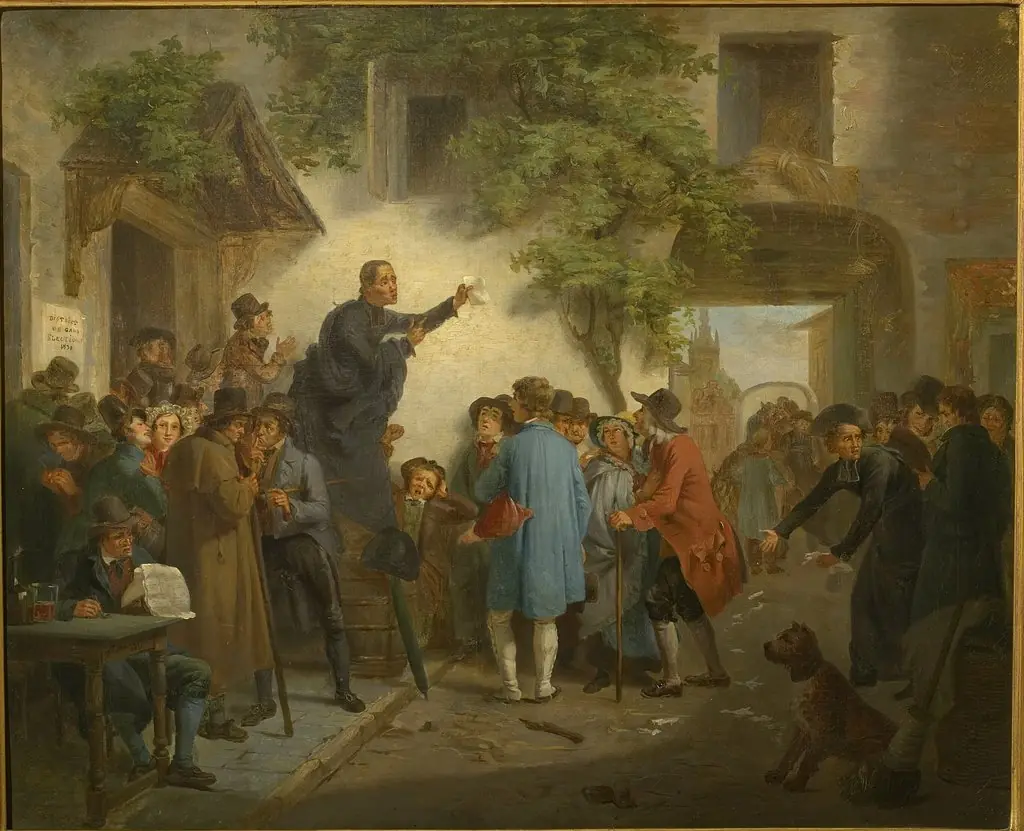 At an inn - Election in Ghent in 1830
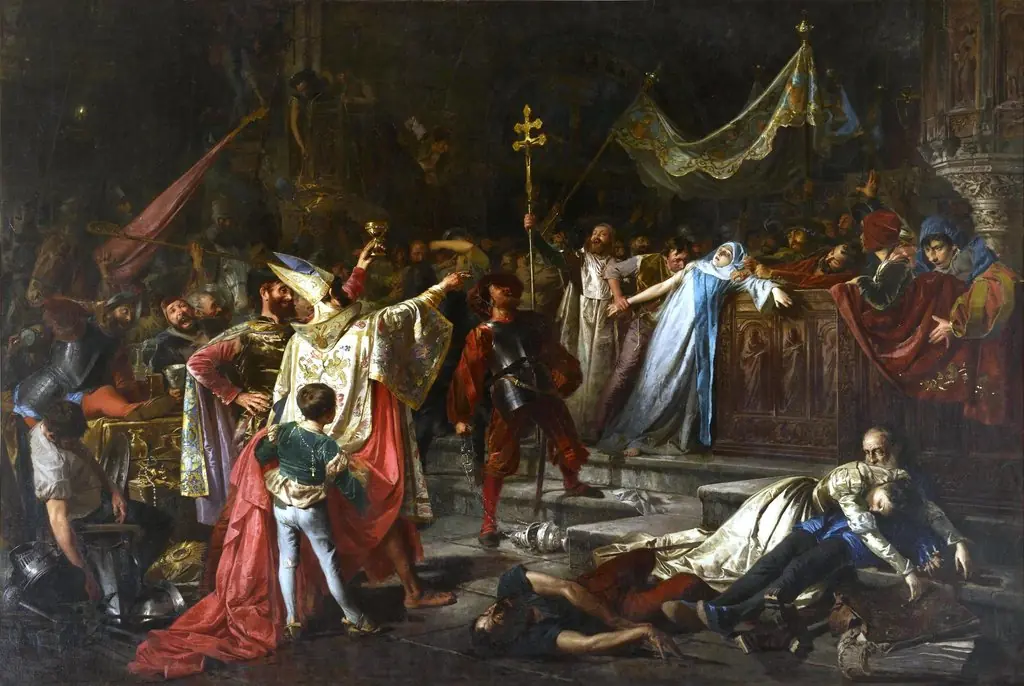 The Sack of Rome
 Jacob von Thyboe, V. akt, 11. scene
 Defence of Częstochowa
 Crowning of Charles V in Bologna
 At the Feet of the Saviour', Slaughter of the Jews in the Middle Ages
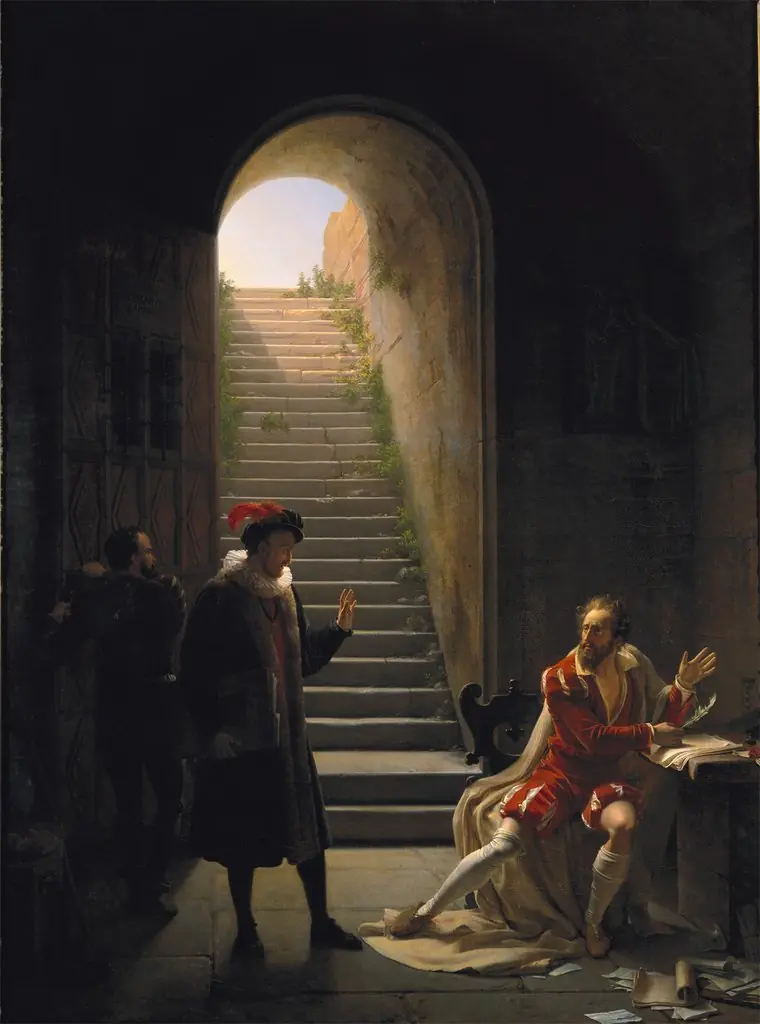 Montaigne Visiting Torquato Tasso in Prison
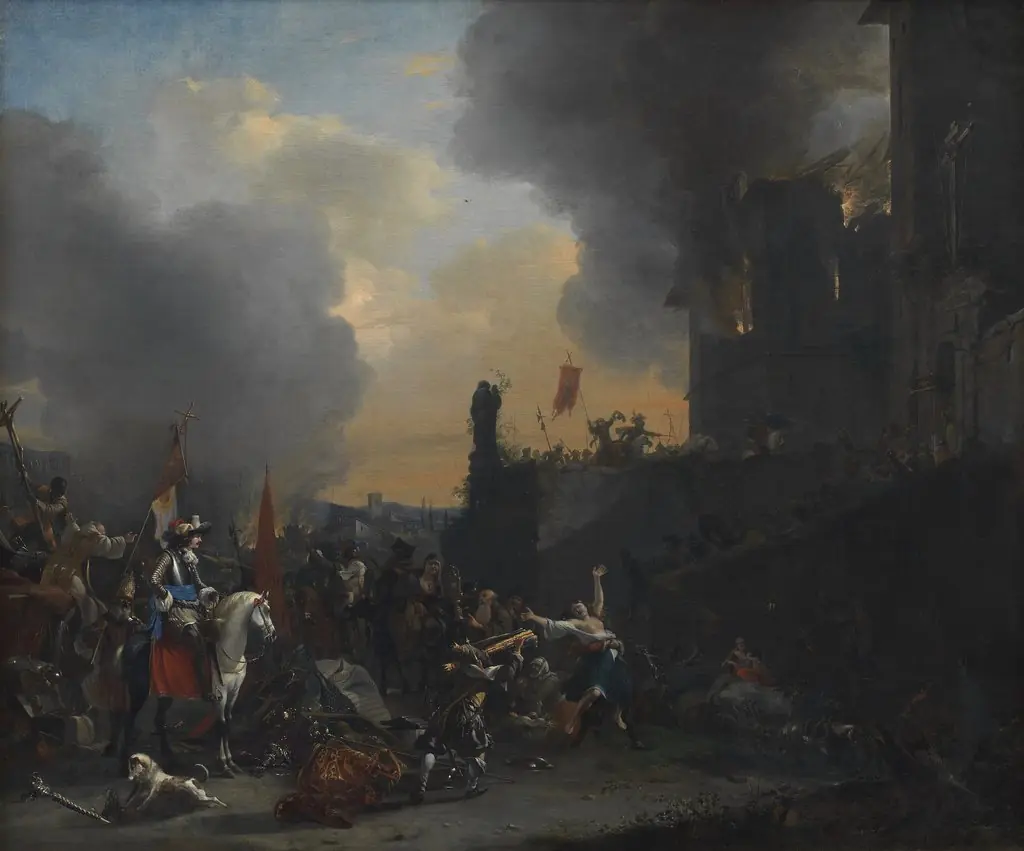 Soldiers Looting and Burning a Convent
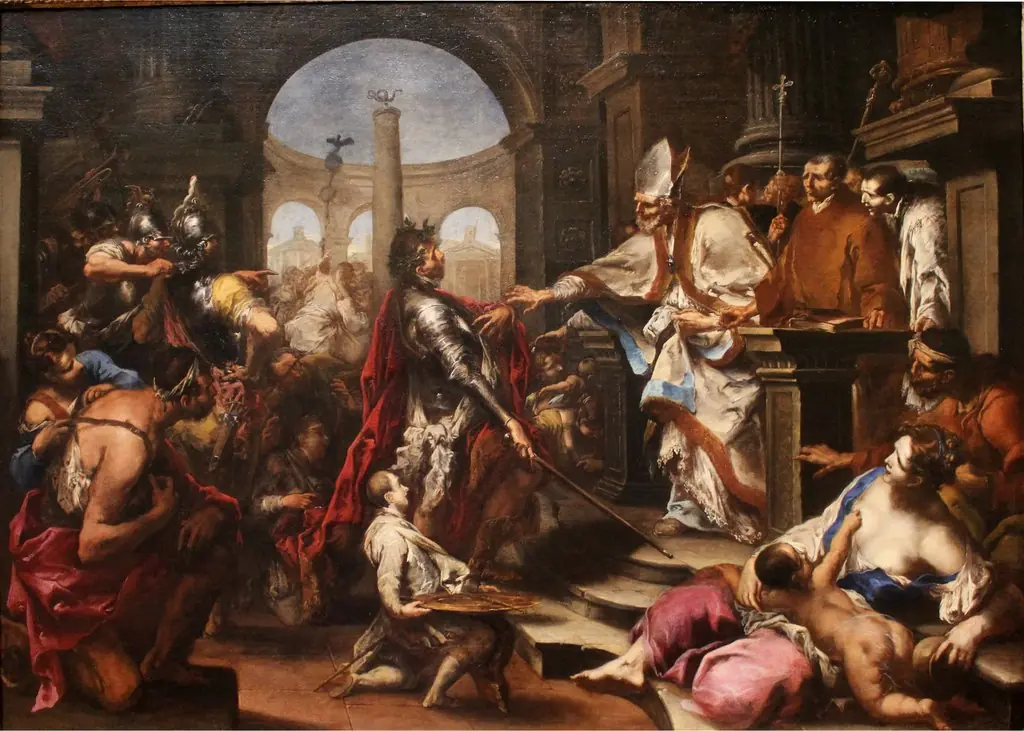 Theodosius Repulsed from the Church by Saint Ambrose
 Theodosius Repulsed from the Church by Saint Ambrose
 Death of Bishop Stanisław Szczepanowski