Artwork
Profanación de un crucifijo (Familia de herejes azotando un crucifijo)
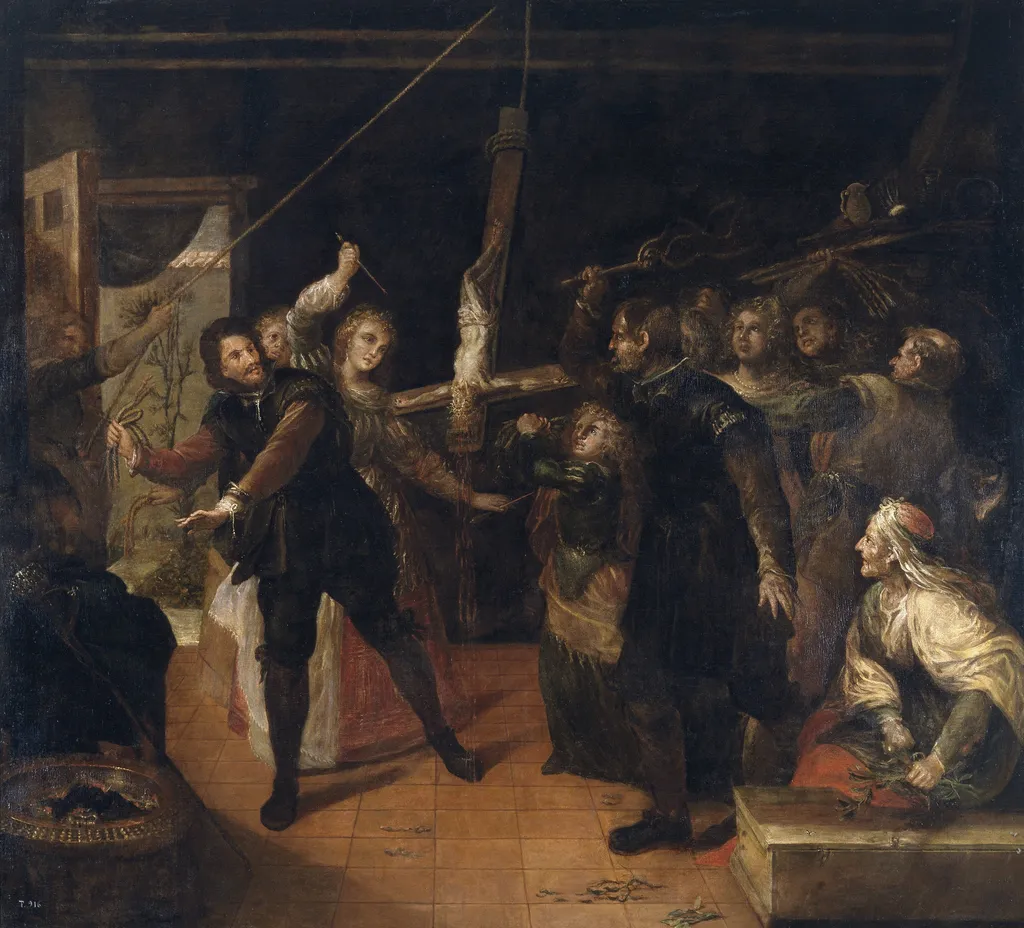
Profanación de un crucifijo (Familia de herejes azotando un crucifijo) is an oil painting by the Early Baroque Italian artist Francisco Rizi. It dates from 1647 and is held in the collection of the Museo del Prado.
About this work
Overview
Francisco Rizi’s 1647 oil on canvas, titled *Profanación de un crucifijo (Familia de herejes azotando un crucifijo)*, is part of the Prado Museum’s collection. The composition presents a dimly lit interior where a group of figures surrounds a luminous crucifix, creating a stark contrast between light and shadow.
Subject & Meaning
At the centre of the scene a woman in a white garment lifts a bright cross, its figure illuminated against the surrounding gloom. Around her, other individuals display a range of reactions—from anxiety to indifference—suggesting a narrative of sacrilege or forced desecration, possibly alluding to contemporary religious tensions.
Technique & Style
Rizi employs a pronounced chiaroscuro, allowing the crucifix to dominate the visual field while the surrounding space recedes into darkness. The handling of oil paint renders the textures of the tiled floor and the soft glow of small angels hovering near the ceiling, emphasizing depth and emotional intensity.
History & Provenance
Created in the mid‑17th century, the work entered the Museo del Prado’s holdings as part of its Spanish Baroque collection. Its provenance traces back to the artist’s workshop, though specific ownership records prior to its museum acquisition remain limited.
Context
The painting reflects the Counter‑Reformation climate of Spain, where depictions of religious transgression served both didactic and moralizing purposes. Rizi’s choice of a domestic interior for a scene of sacrilege underscores the perceived threat of heretical influence infiltrating everyday life.
Own this work as a print
Artist & collection






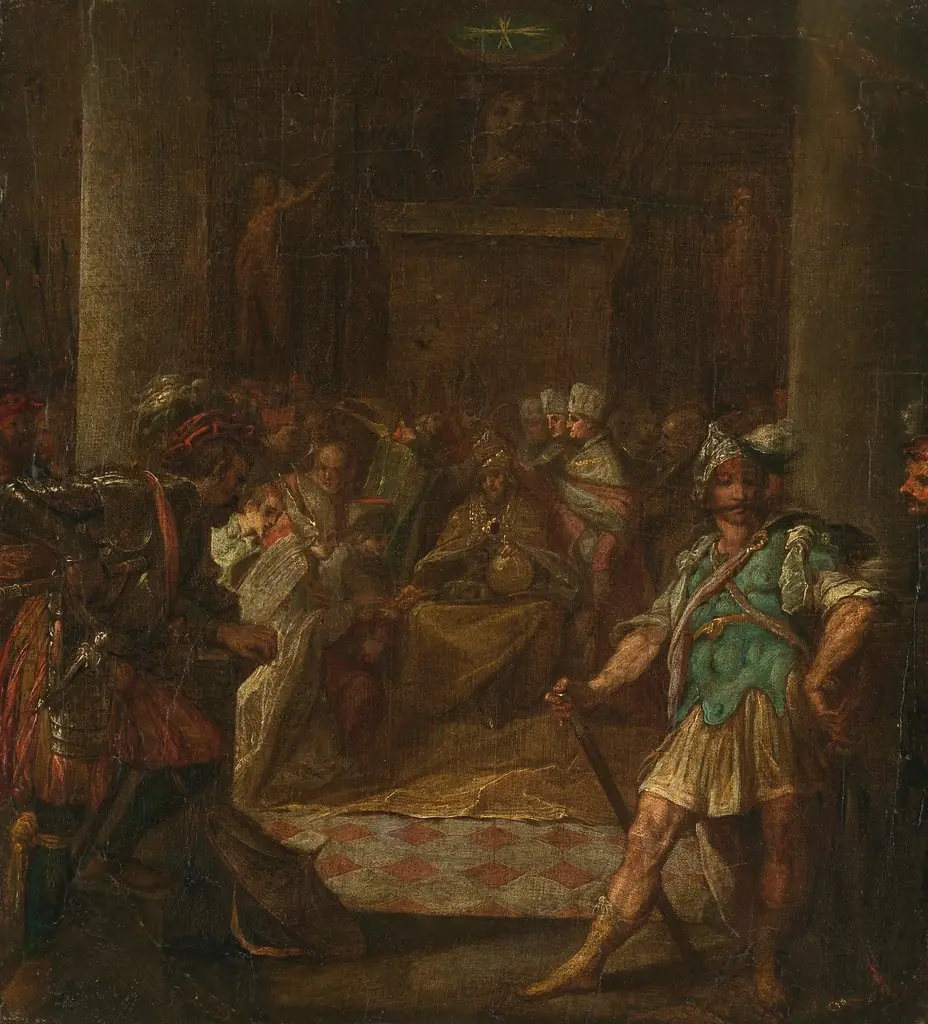 Imperial Coronation
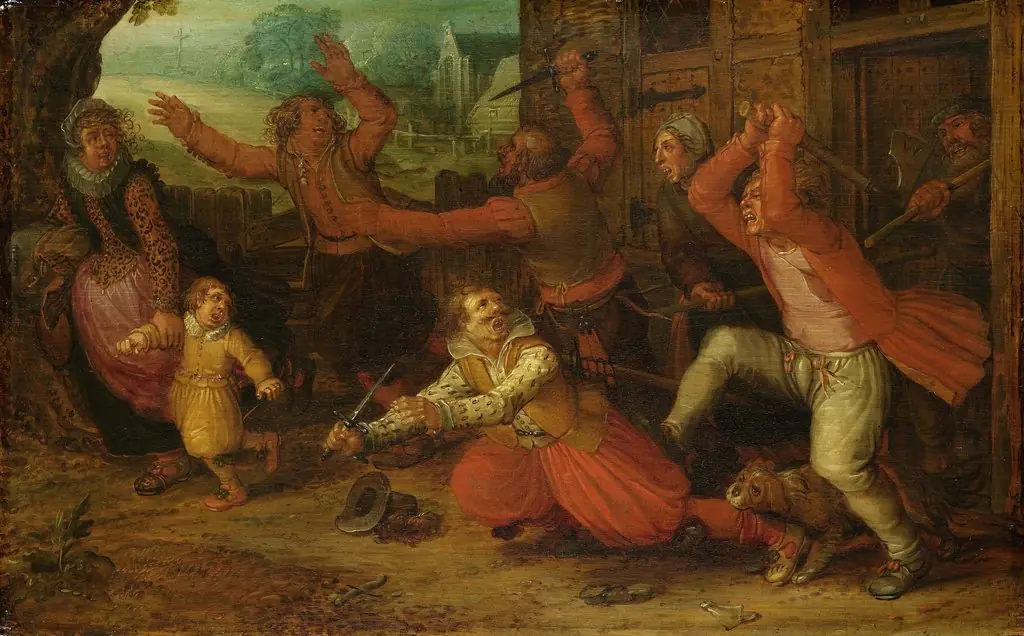 The peasant's pleasure
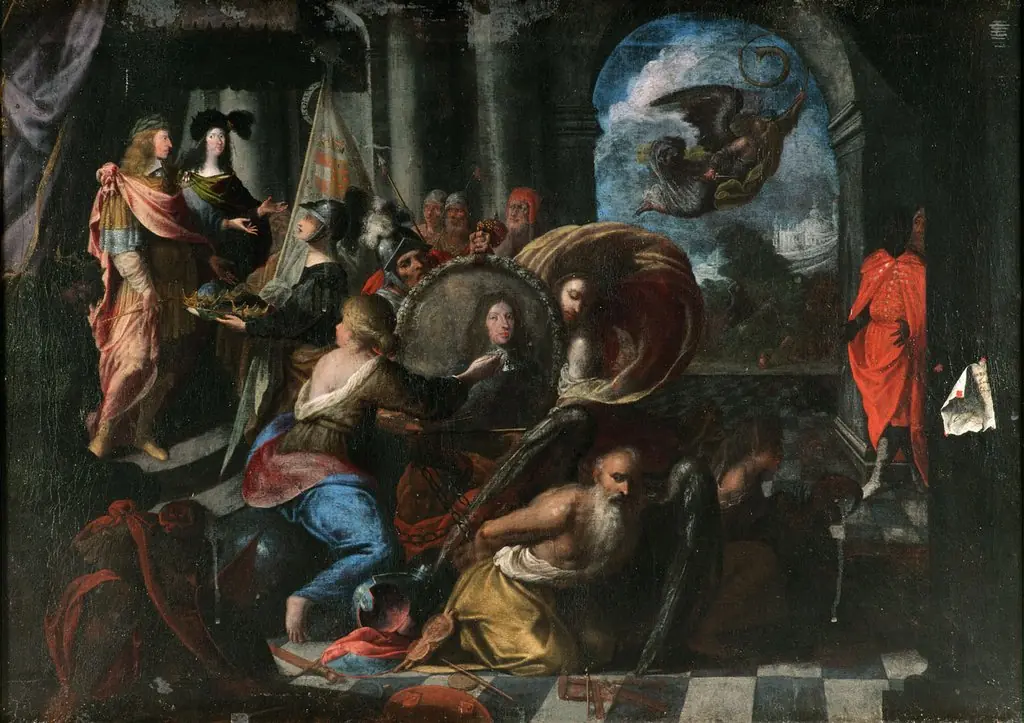 Allegory of the wedding of Archduke Ferdinand Karl and Anna de' Medici
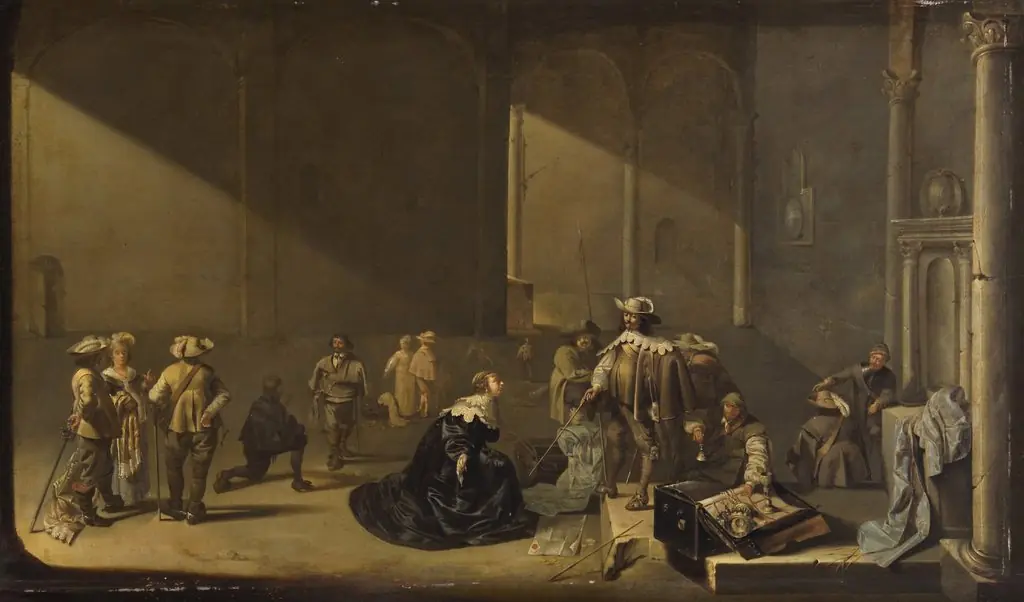 Interior with soldiers inspecting the booty and with a pleading woman
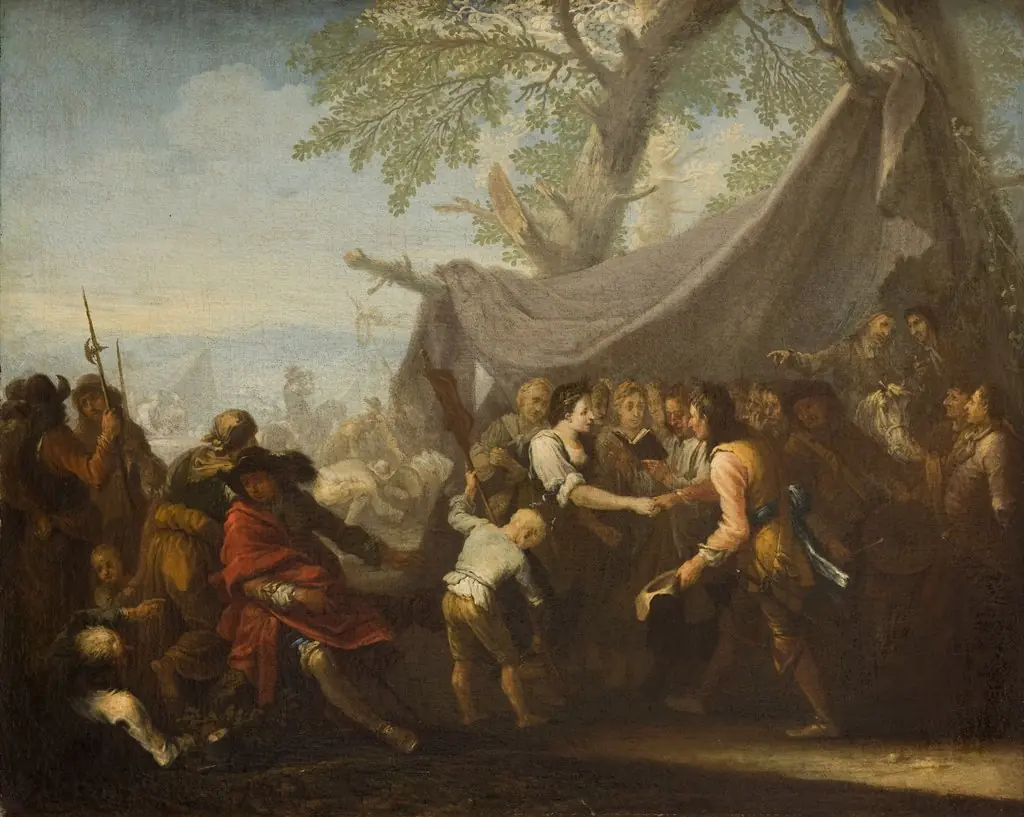 Event at a Military Camp (Wedding at a Military Camp)
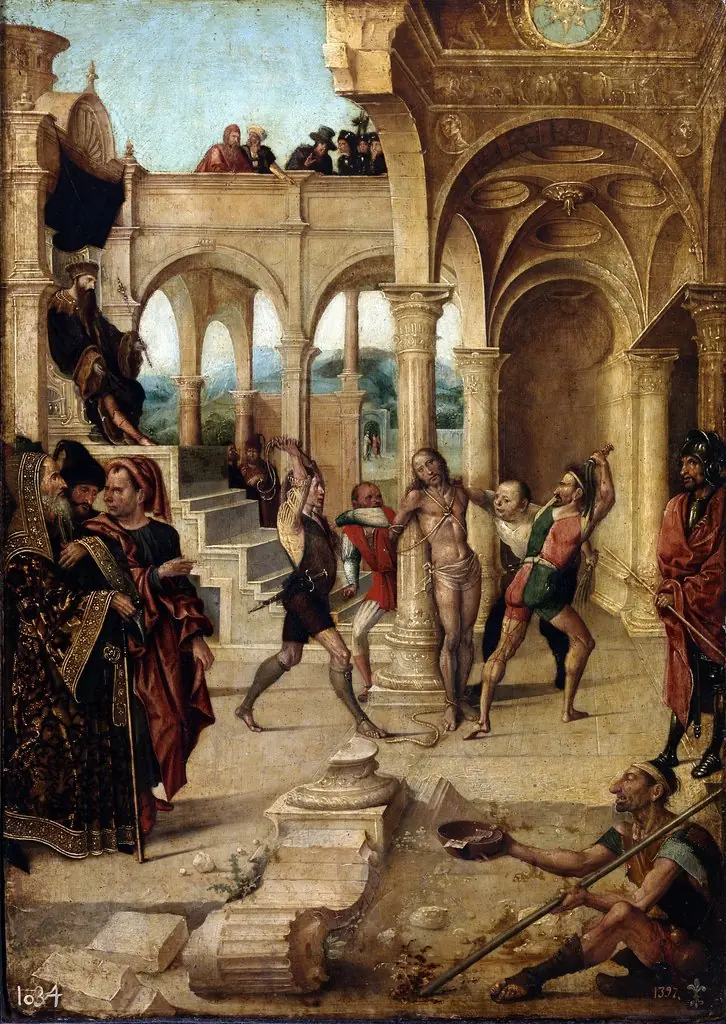 The Flagellation
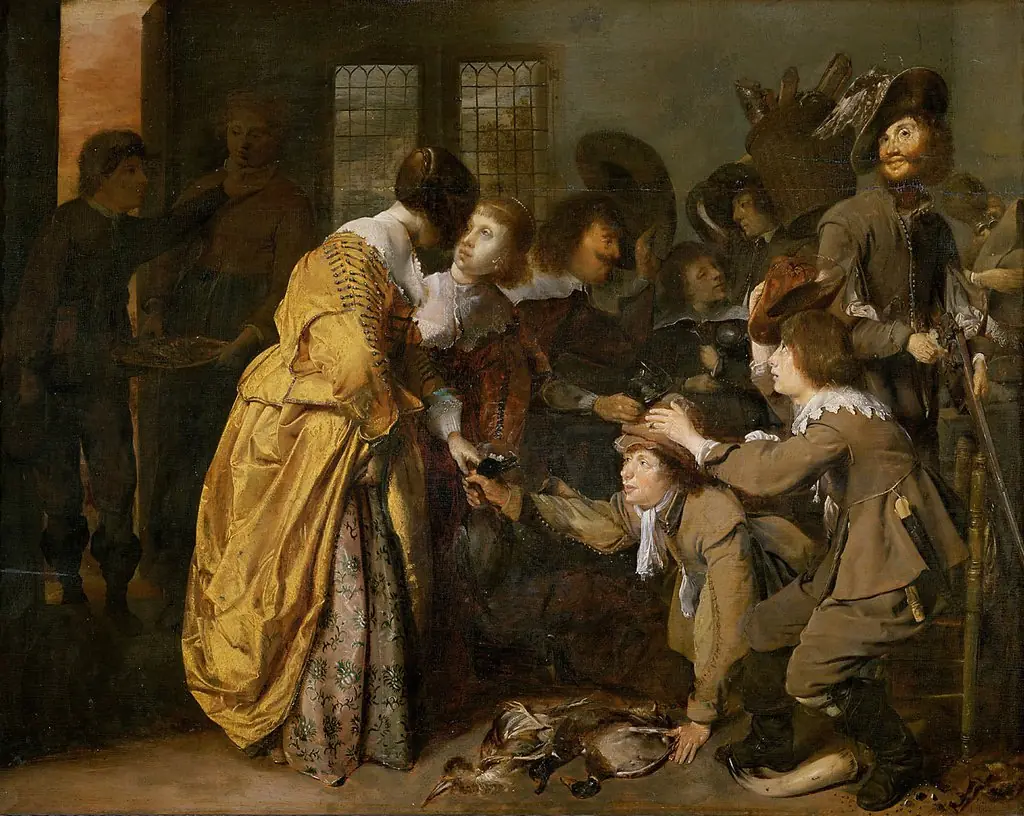 Interior with men returning from hunting and women inspecting the game
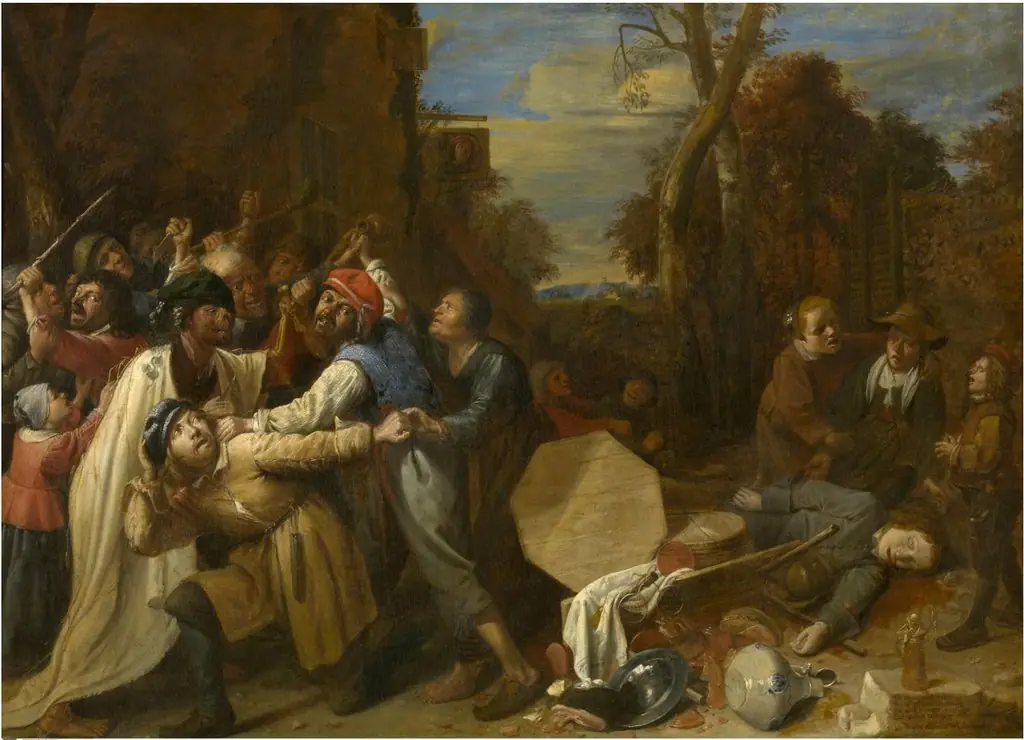 Death is Fierce and Quick
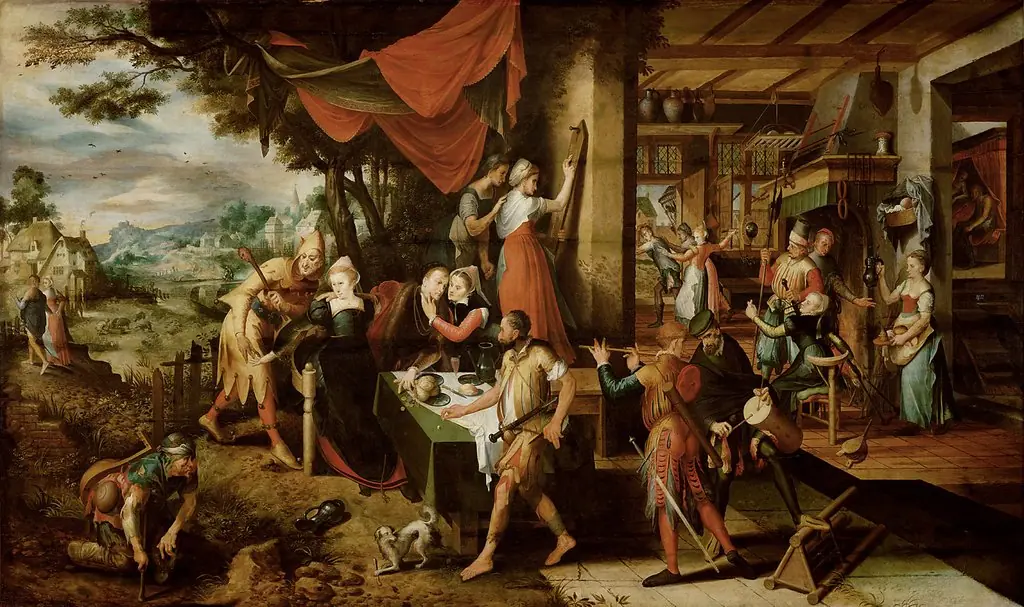 Return of the Prodigal Son
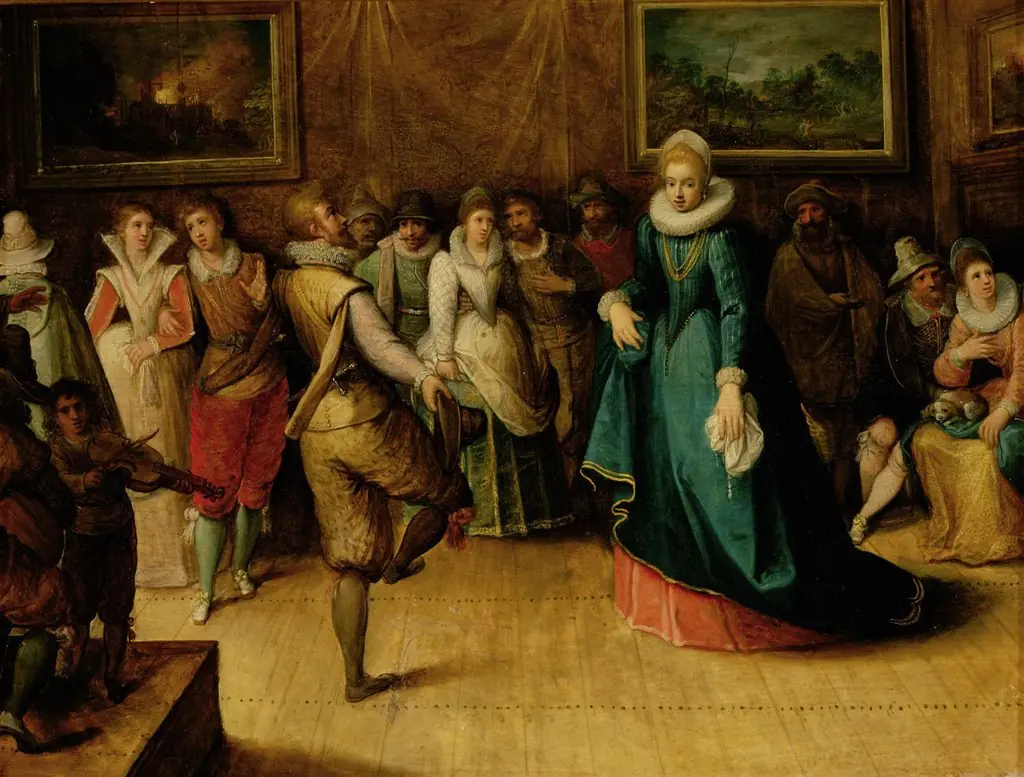 Tanzgesellschaft
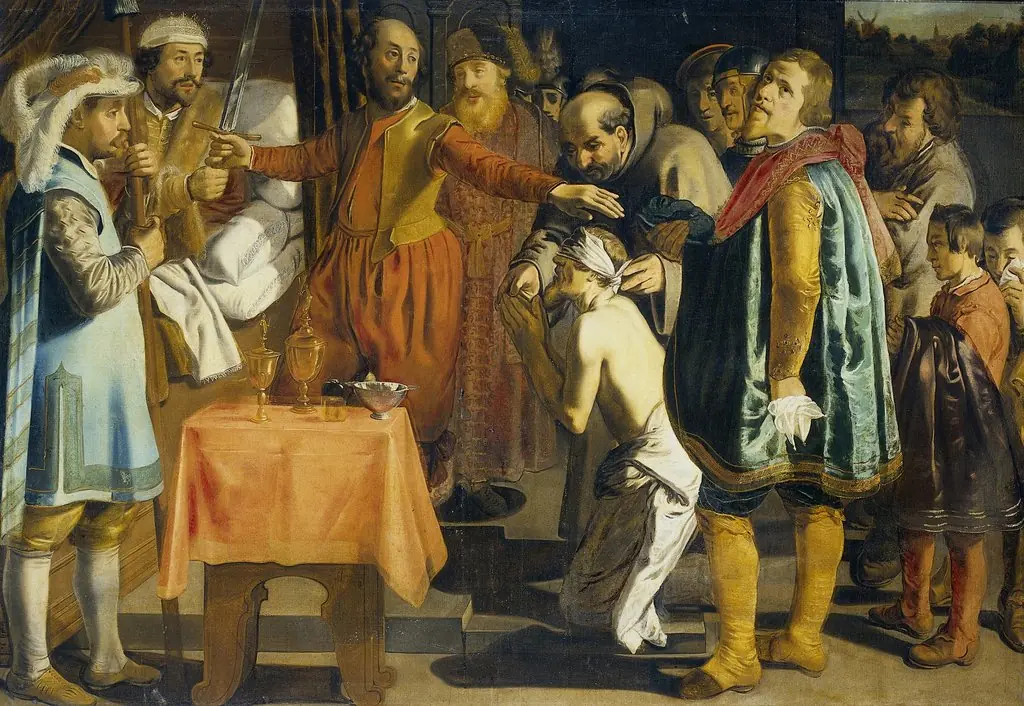 Willem III, Count of Holland, Ordering the Beheadal of the Bailiff of Zuid Holland, 1336
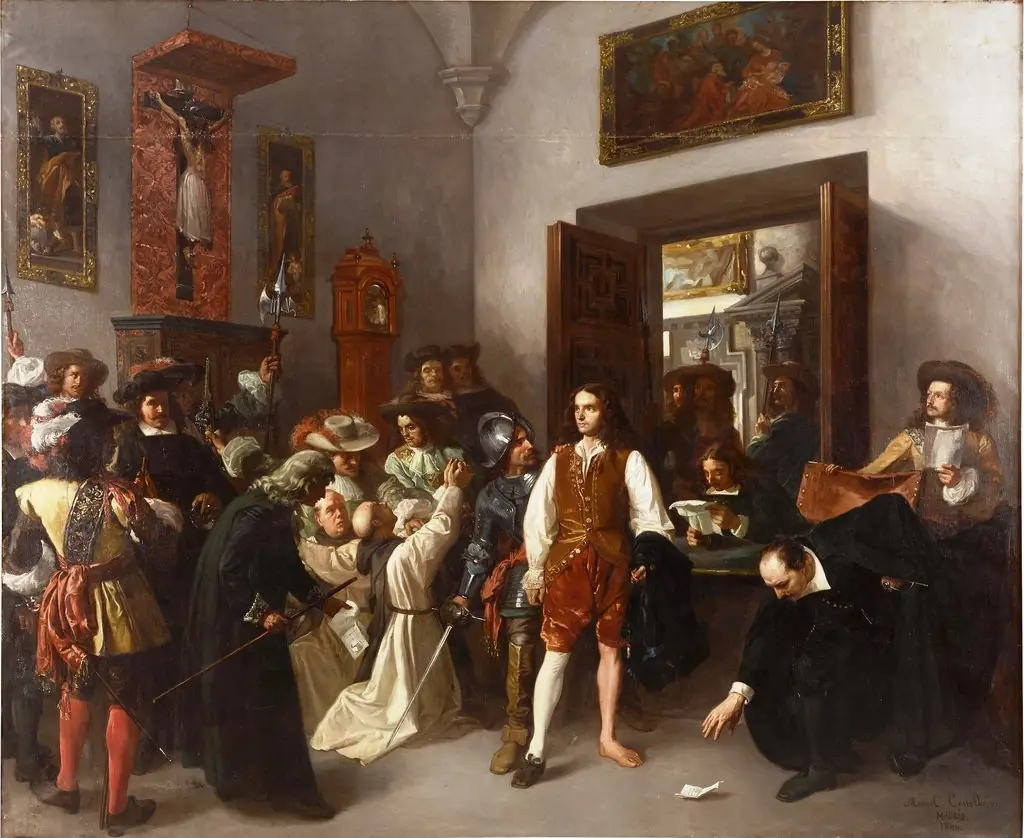 Prisión de don Fernando de Valenzuela