Artwork
Apparition of Christ to the Virgin Mary
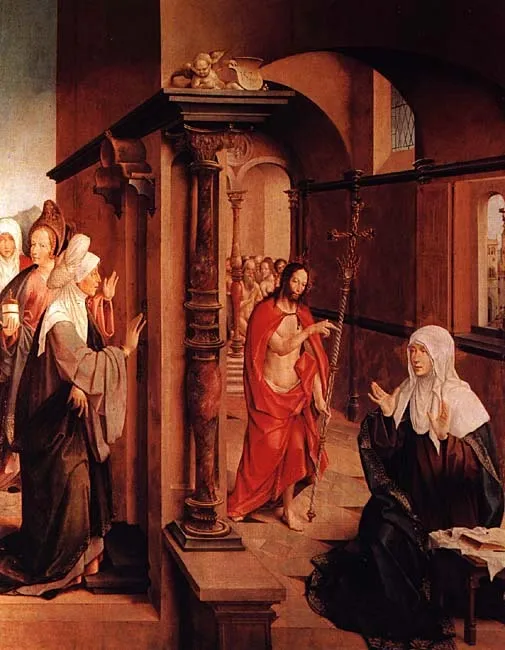
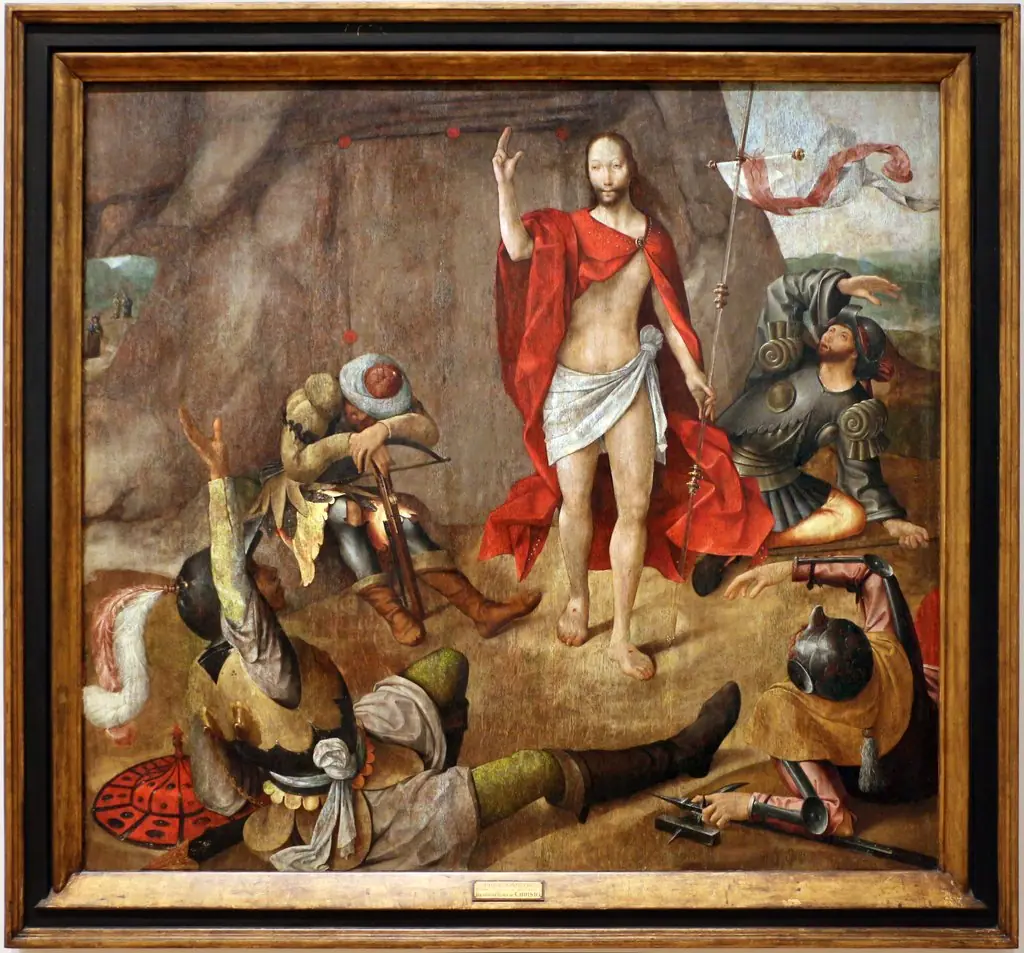
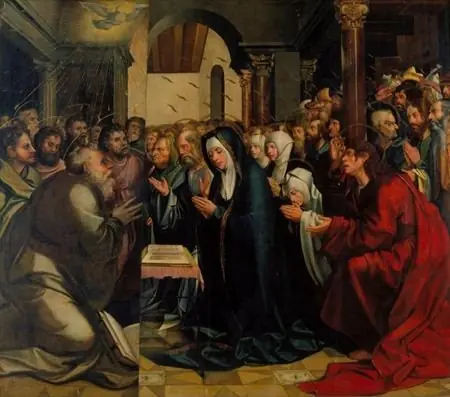
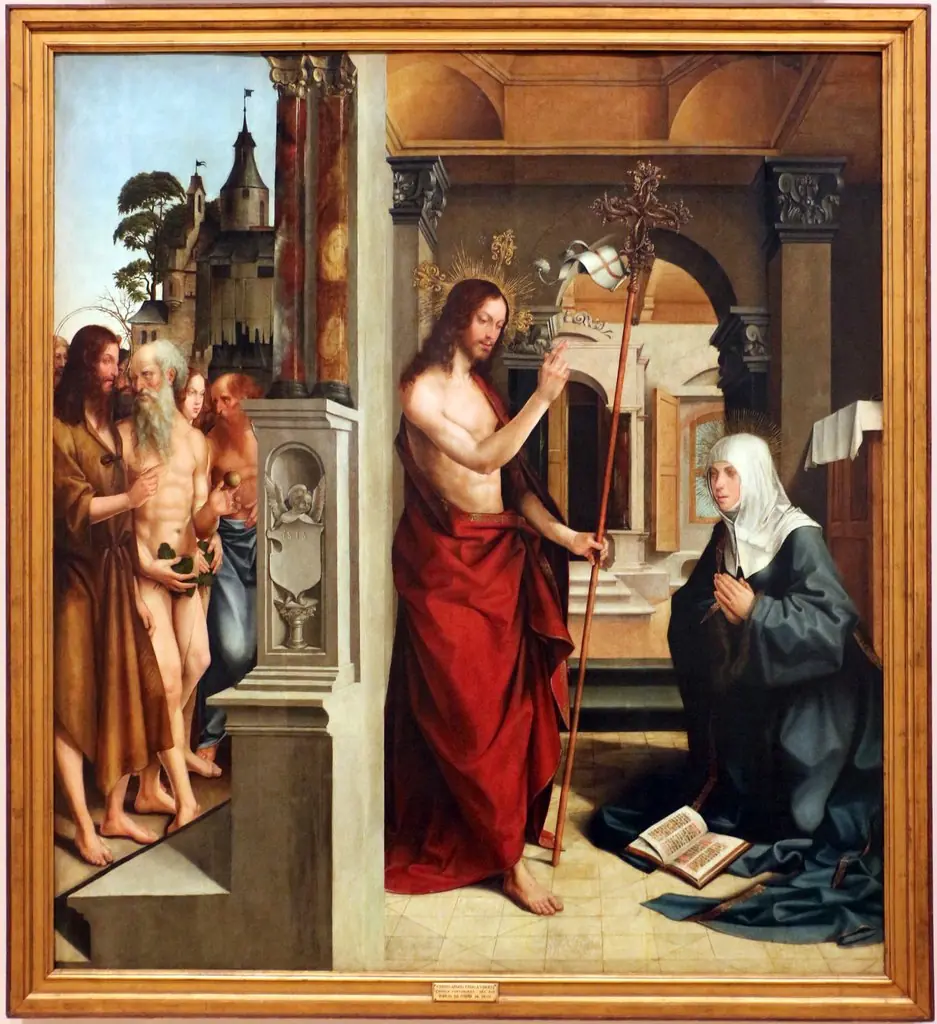
Apparition of Christ to the Virgin Mary is an oil painting by the Northern Renaissance artist Frei Carlos. It dates from 1529 and is held in the collection of the National Museum of Ancient Art.
About this work
Overview
It resides in the National Museum of Ancient Art in Lisbon, where it remains one of the few surviving religious works by the Portuguese friar-painter.
Painted in 1529 by Frei Carlos, this oil on panel work portrays a moment of divine encounter between Christ and the Virgin Mary. It resides in the National Museum of Ancient Art in Lisbon, where it remains one of the few surviving religious works by the Portuguese friar-painter. The composition centers on a quiet, intimate vision rather than a dramatic revelation, reflecting the contemplative tone of early 16th-century Portuguese devotional art.
Subject & Meaning
The scene captures Christ appearing to Mary in a sacred moment of spiritual reassurance. Christ, clad in red and holding a staff, stands above Mary, who kneels in humble reverence, her gaze fixed upward. Surrounding figures, partially obscured, suggest witnesses to the apparition, reinforcing the event’s significance within a communal faith context. The absence of overt miracles or celestial signs emphasizes inner spiritual recognition over external spectacle.
Technique & Style
Frei Carlos employs muted earth tones—browns, deep reds, and whites—to create a somber, reverent atmosphere. Chiaroscuro is used subtly to model forms and direct attention toward the central figures, enhancing their three-dimensionality without theatricality. The architectural setting, with its arches and columns, grounds the vision in a tangible space, blending the divine with the earthly in a manner typical of late Gothic-influenced Portuguese painting.
History & Provenance
The painting was likely commissioned for a religious institution in Portugal, possibly a convent or monastery where Frei Carlos lived and worked. It entered the collection of the National Museum of Ancient Art in the 19th century, following the dissolution of religious orders. Its survival is notable, as many similar works were lost or damaged during periods of political and religious upheaval in Portugal.
Context
Created during the early years of the Portuguese Renaissance, the painting reflects a transitional phase where Gothic devotional traditions persisted alongside emerging humanist influences. While Italian art was moving toward grander compositions, Portuguese religious painting retained a quieter, more introspective character. Frei Carlos’s work aligns with this regional tendency, prioritizing spiritual intimacy over spectacle.
Legacy
Though not widely known outside Portugal, the painting exemplifies the quiet devotional style of its time and region. It contributes to the understanding of how religious imagery functioned in domestic and monastic settings, where personal piety shaped artistic expression. Its preservation offers insight into the visual language of faith in early modern Portugal, distinct from more flamboyant contemporary trends elsewhere in Europe.
Artist & collection