Artwork
Portrait of Nikolaj E. Strujskij
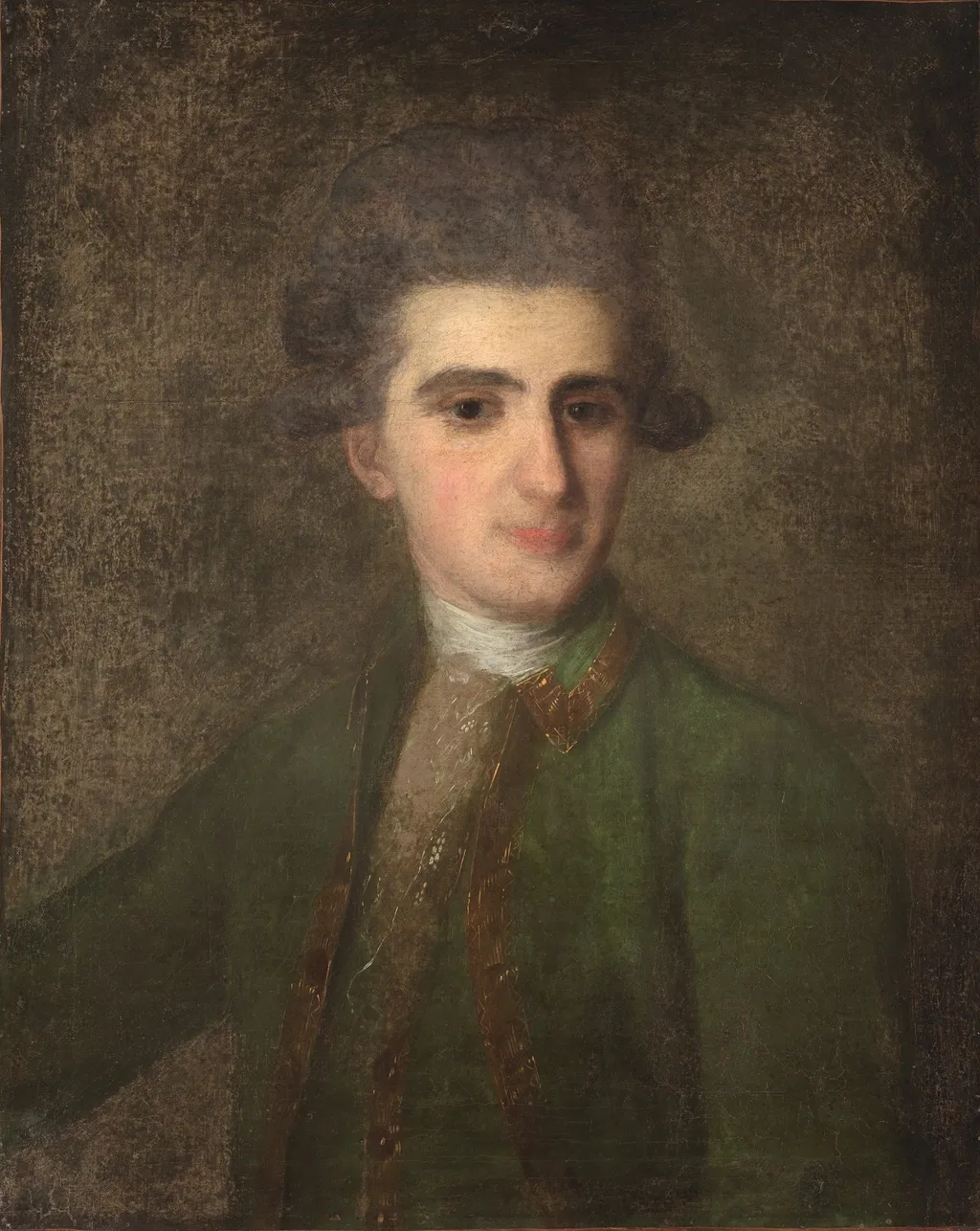
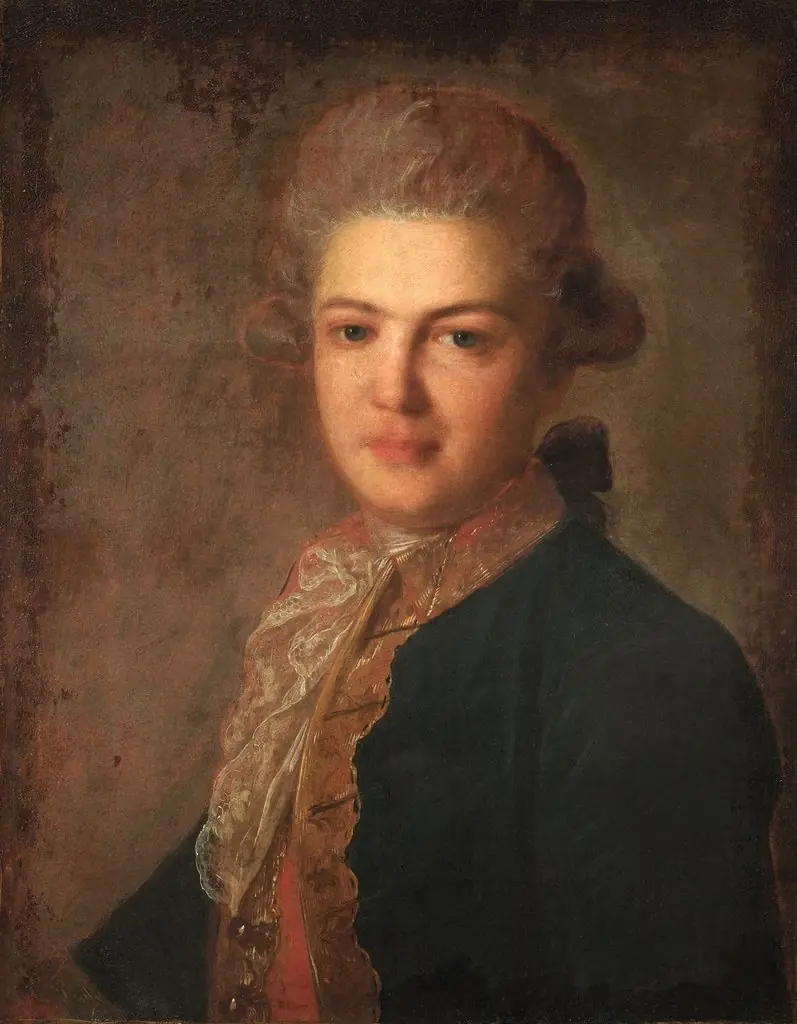
Portrait of Nikolaj E. Strujskij is an oil painting by the Rococo painting artist Fyodor Rokotov. It dates from 1772 and is held in the collection of the Tretyakov Gallery.
About this work
Overview
Rokotov, who rose from serfdom to become a respected artist, was known for his refined approach to portraiture.
Painted in 1772 by Fyodor Rokotov, this oil portrait captures Nikolaj E. Strujskij, a member of the Russian nobility. Rokotov, who rose from serfdom to become a respected artist, was known for his refined approach to portraiture. The work exemplifies his skill in conveying presence through subtle expression and careful observation, placing Strujskij within the tradition of aristocratic representation in late 18th-century Russia.
Subject & Meaning
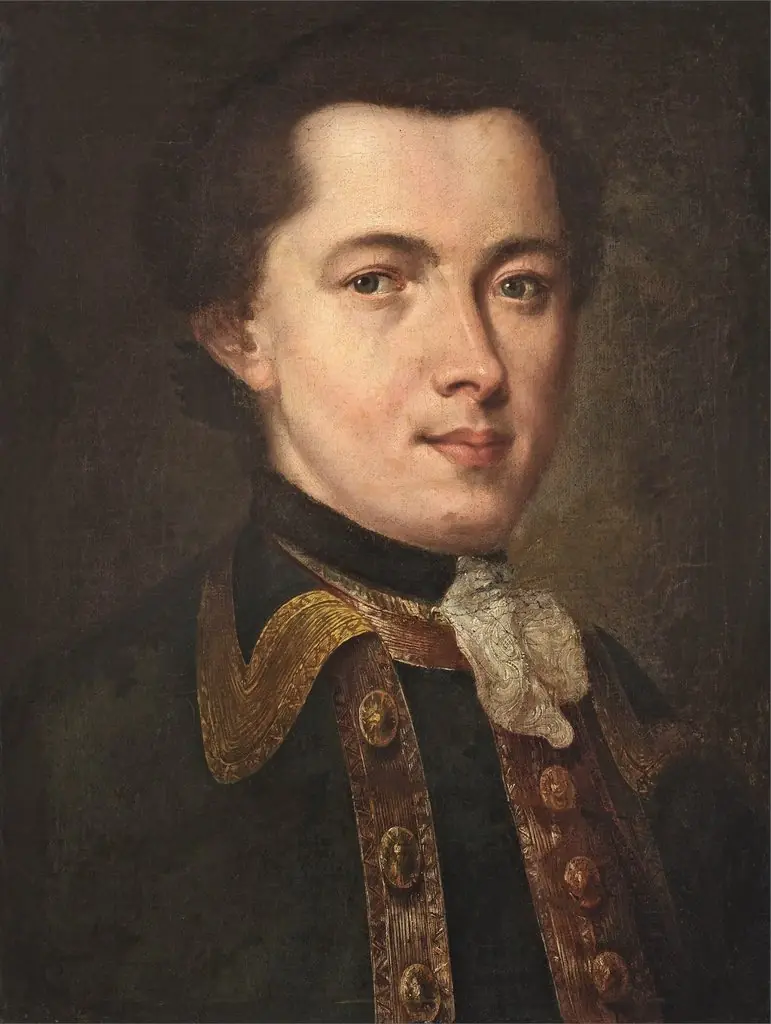
Nikolaj E. Strujskij is depicted with quiet composure, his direct gaze and restrained demeanor suggesting dignity and self-possession. His attire—green jacket with gold embroidery and a white cravat—signals his social standing without overt display. The absence of symbolic objects or elaborate settings shifts focus to the individual, reflecting a shift toward psychological depth in Russian portraiture of the period.
Technique & Style
Rokotov employs soft chiaroscuro to model the subject’s face and clothing, creating a sense of three-dimensionality without dramatic contrast. Brushwork is precise yet fluid, particularly in the rendering of fabric folds and the texture of hair. The muted brown background isolates the figure, enhancing the intimacy of the portrait. His style blends Rococo elegance with a restrained realism, avoiding theatricality in favor of quiet authenticity.
History & Provenance
The painting entered the collection of the Tretyakov Gallery in the late 19th century, where it remains today. Rokotov, who gained his freedom in the 1750s and was named an Academician in 1765, painted many members of the Russian elite. This portrait is one of several that document the emerging class of educated nobility during Catherine the Great’s reign, reflecting both artistic and social transformations of the era.
Context
In the 1770s, Russian portraiture was evolving under Western European influence, particularly French and Italian traditions. Rokotov’s work stood apart by emphasizing psychological nuance over ornamental display. Strujskij’s portrait reflects a broader cultural shift: the nobility’s desire to be seen not merely as titled figures, but as individuals with inner life, aligning with Enlightenment ideals gaining ground in imperial Russia.
Legacy
Rokotov’s portraits, including this one, helped redefine Russian elite representation by prioritizing emotional subtlety over ceremonial grandeur. His influence extended to later artists who sought to capture character with sensitivity rather than status. The painting endures as a quiet testament to the dignity of individual identity within a rigid social hierarchy.
Own this work as a print
Artist & collection
Artist
Fyodor Stepanovich Rokotov (Fedor Rokotov) (Russian: Фёдор Степа́нович Ро́котов; 1736 – December 24, 1808) was a Russian painter who specialized in portraits.

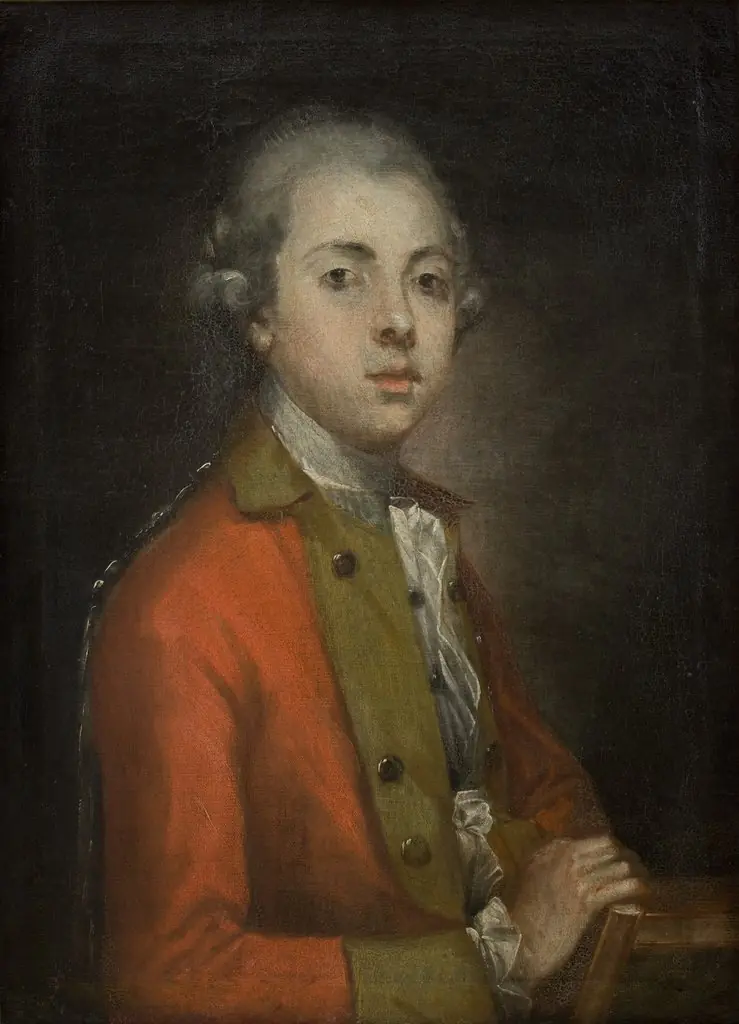 Portrait of Tomasz Kajetan Węgierski (1756–1787)
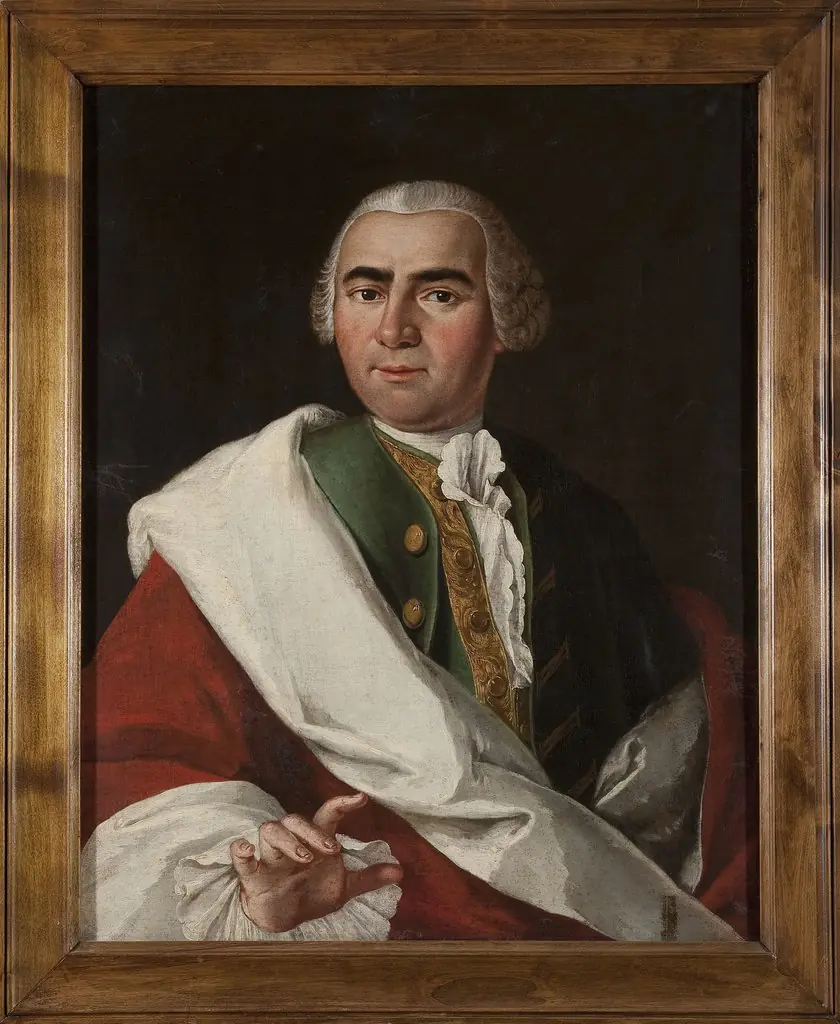 Portrait of Józef Antoni Haller, merchant from Kraków (1725–1785)
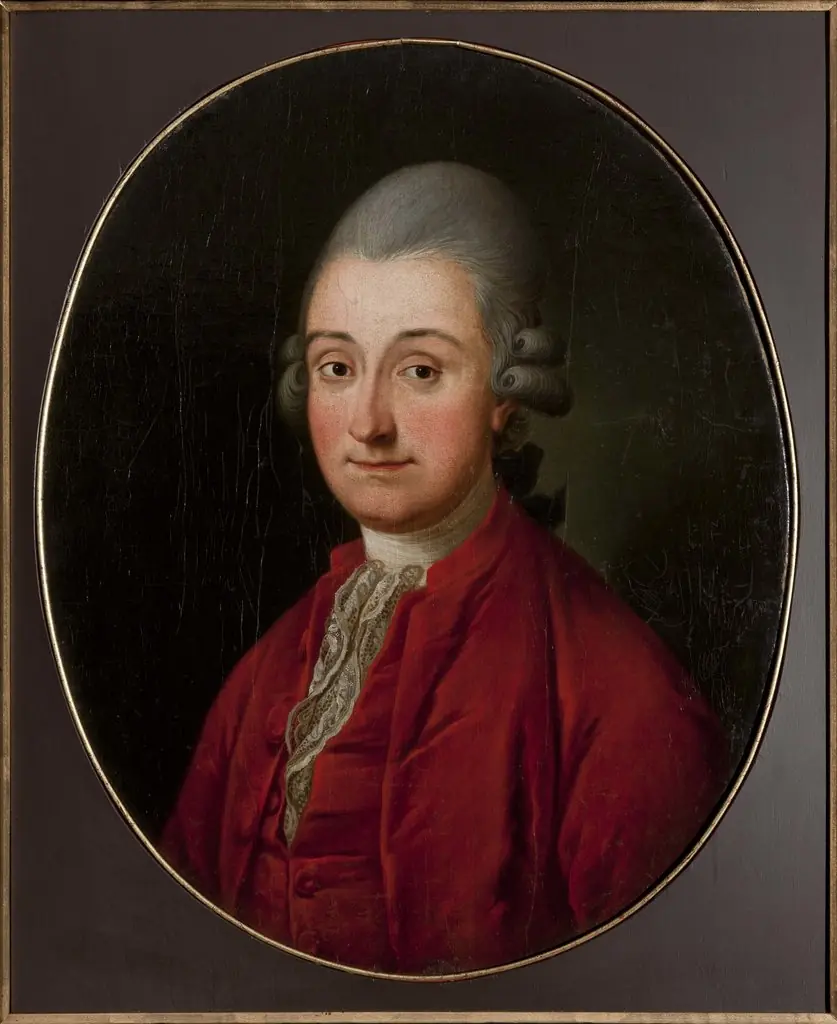 Portrait of Franciszek Dembiński (?–1776), the last starost of Wolbrom
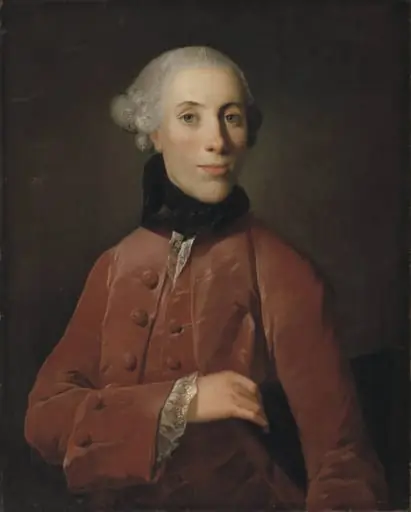 The Court Seal Engraver Ahron Jacobson
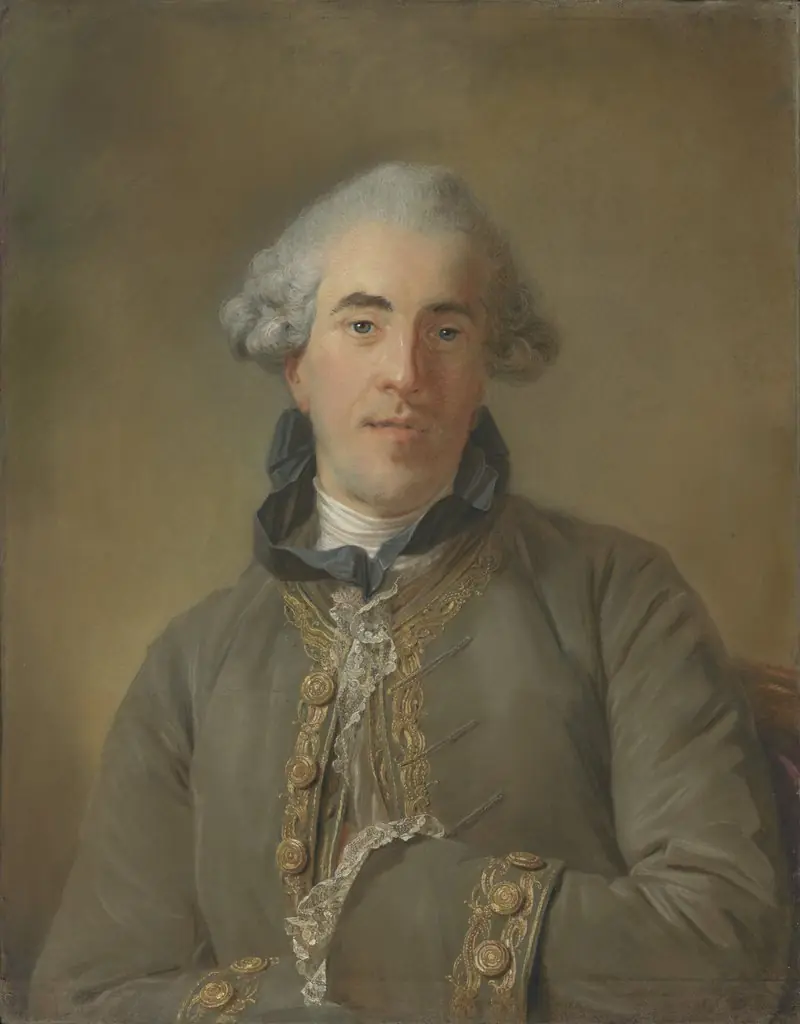 Portrait of Théophile Van Robais
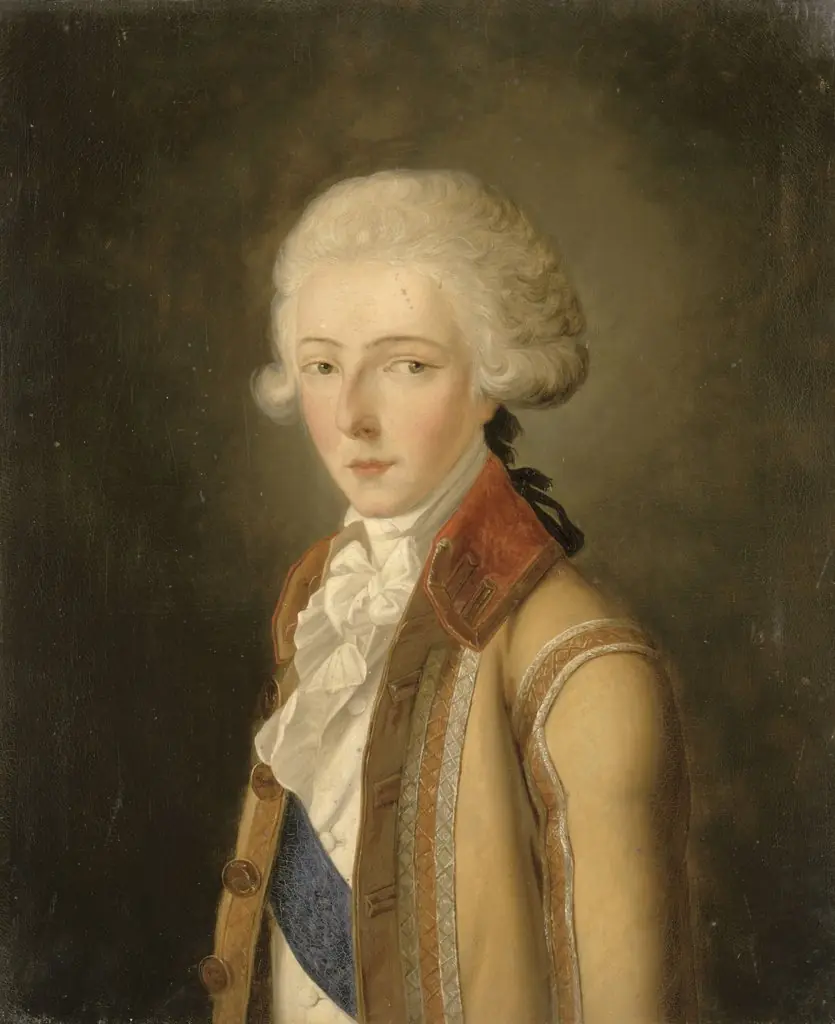 Louis Antoine de Bourbon, Duke of Enghien (1772—1804)
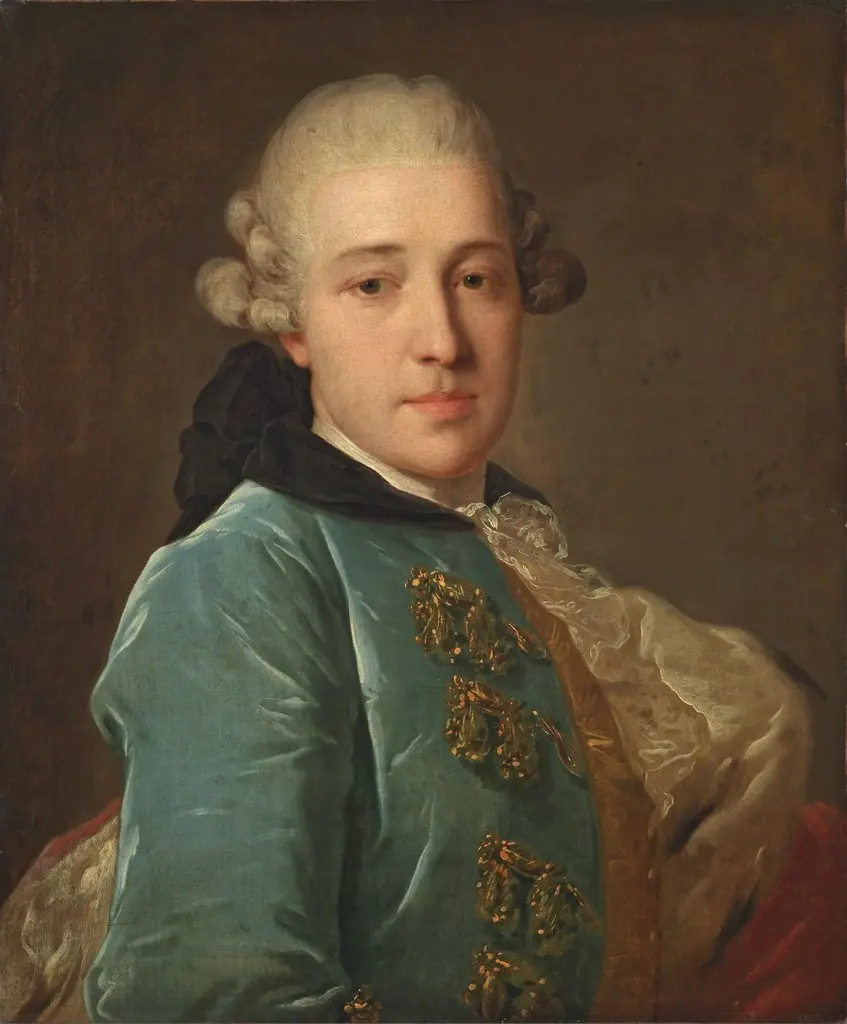 Portrait of Prince Dmitry Mikhailovich Golitsyn
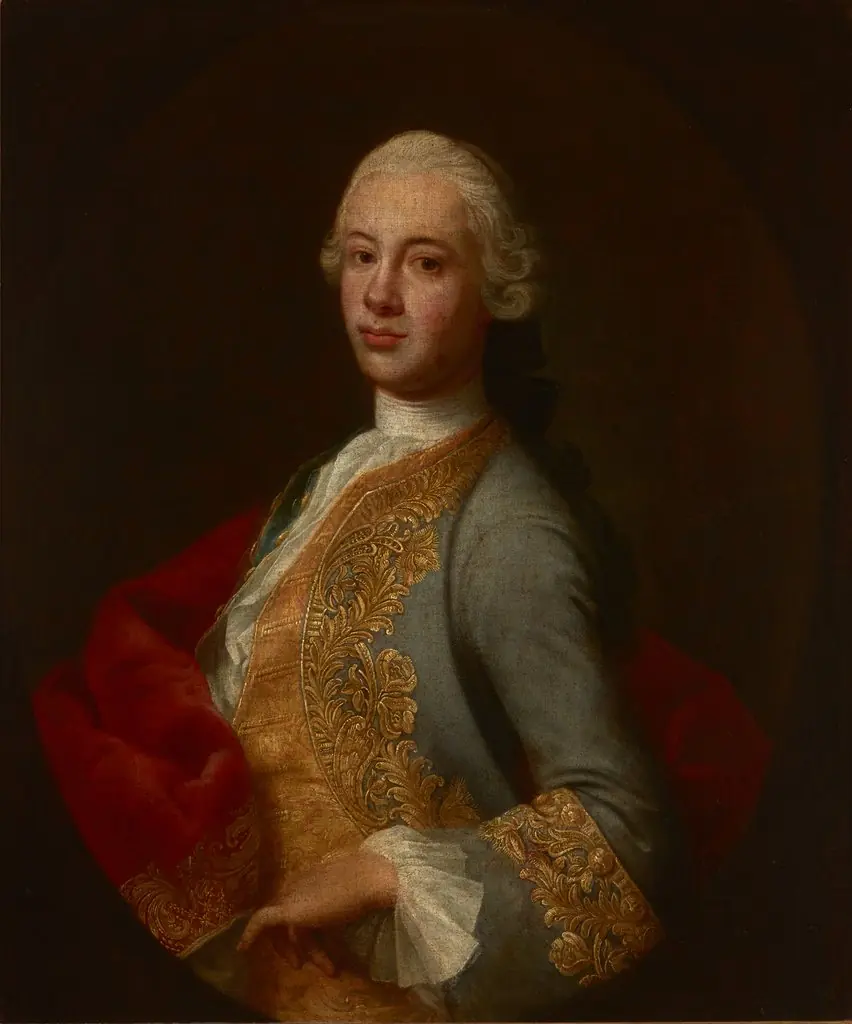 Portrait of Jan Jacek Tarnowski (1729–1808), Starost of Kahorlice and Byszów
 Portrait of Louis XVIII, when comte de Provence ?
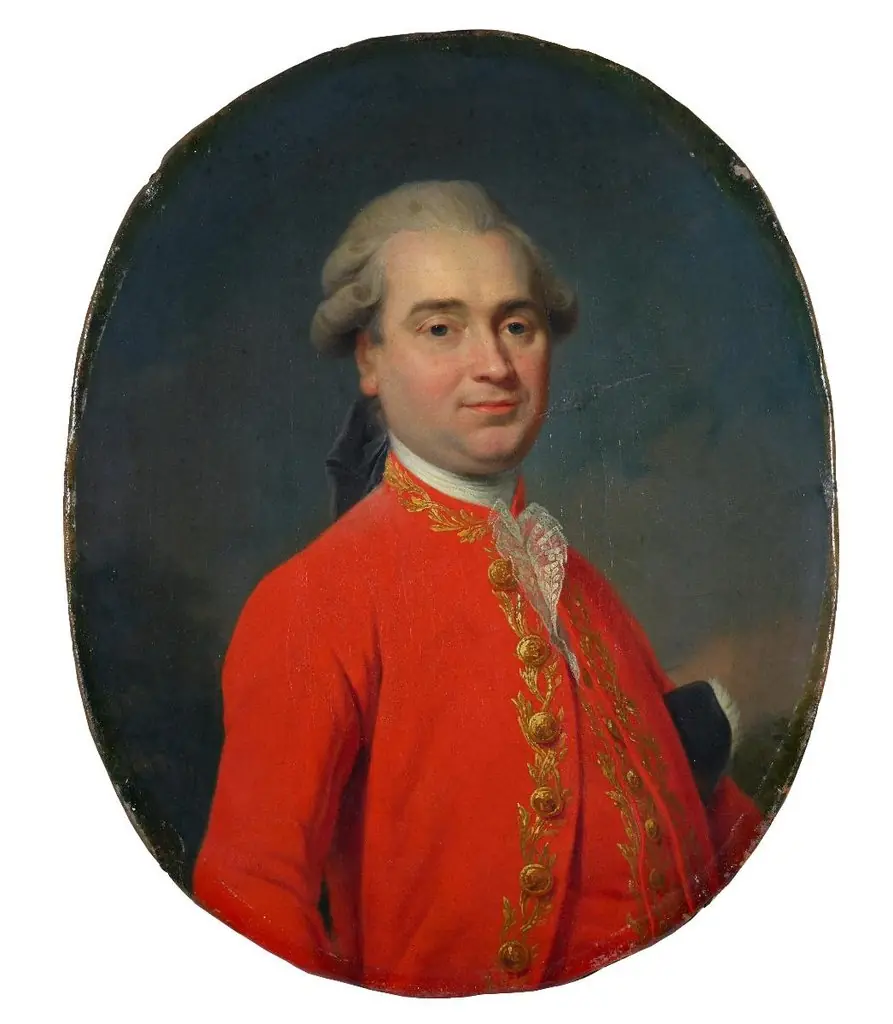 Bildnis eines Herrn im roten Kleid
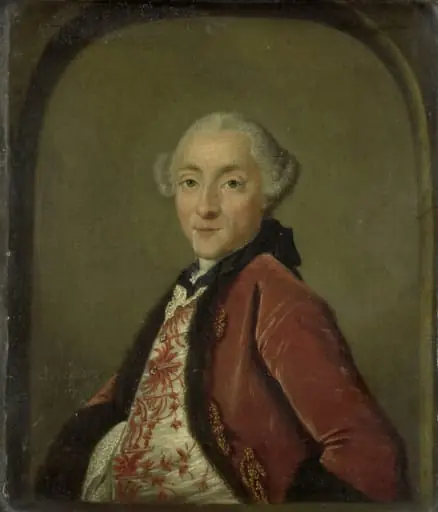 Portrait of Pieter Nicolaas Rendorp, Amsterdam Brewer
 Portrait of Count Artemy I. Vorontsov