Artwork
Petrus Collins
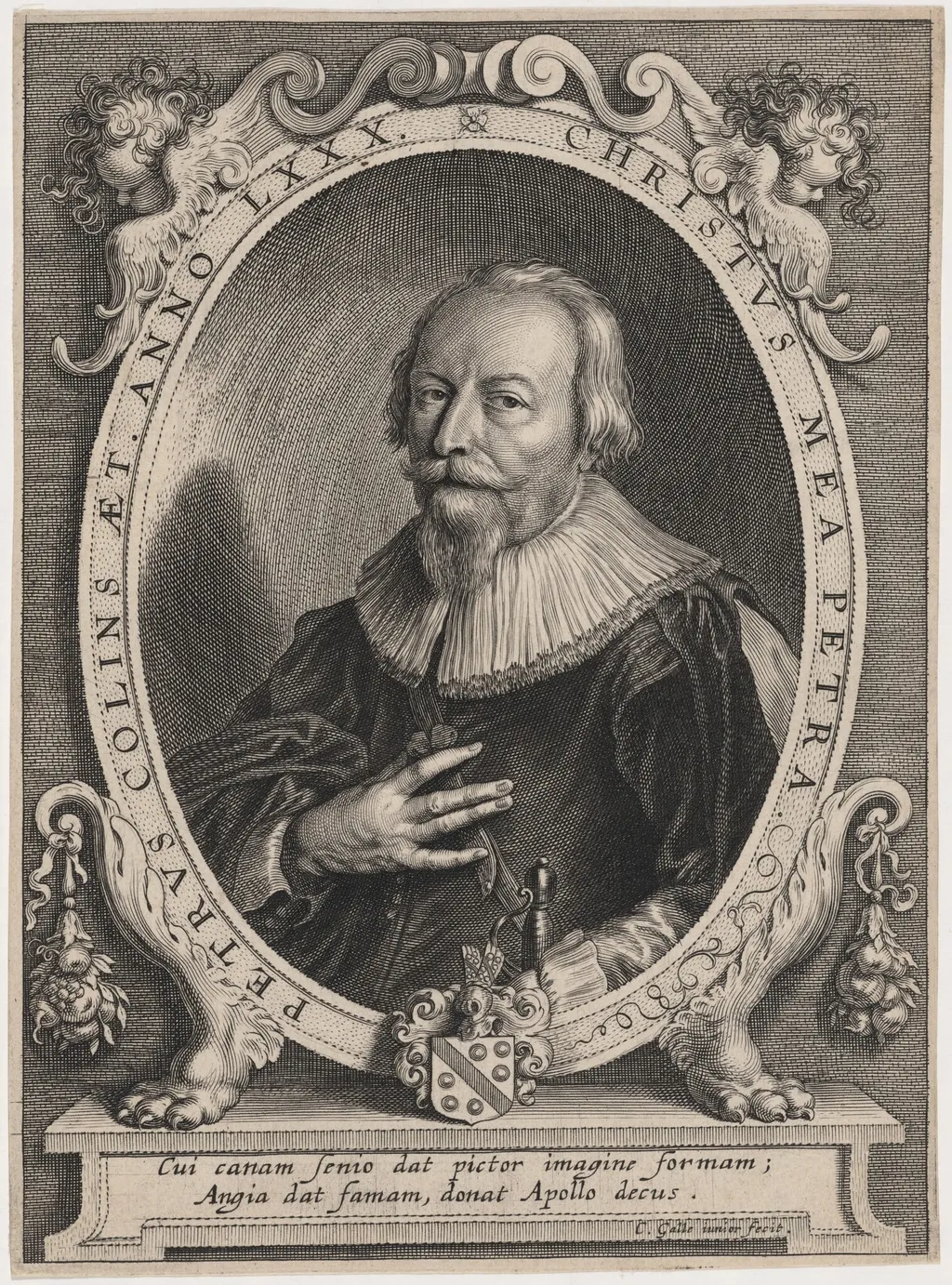
Petrus Collins is an ink print by the Renaissance artist Cornelis Galle I. It dates from 1613 and is held in the collection of the National Gallery of Art.
About this work
Overview
Cornelis Galle the Elder, an Antwerp-based engraver born in 1576, produced *Petrus Collins* in 1613 as part of his extensive printmaking career.
Cornelis Galle the Elder, an Antwerp-based engraver born in 1576, produced *Petrus Collins* in 1613 as part of his extensive printmaking career. Trained by his father Philip Galle and further shaped by his studies in Rome, Galle developed a precise, classical style. This engraving exemplifies his technical mastery and engagement with portraiture, blending observed detail with formal conventions common in early 17th-century Northern European print culture.
Subject & Meaning
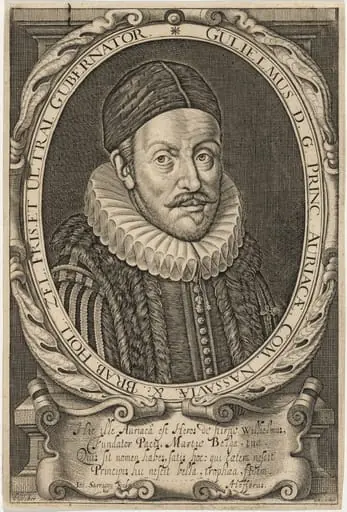
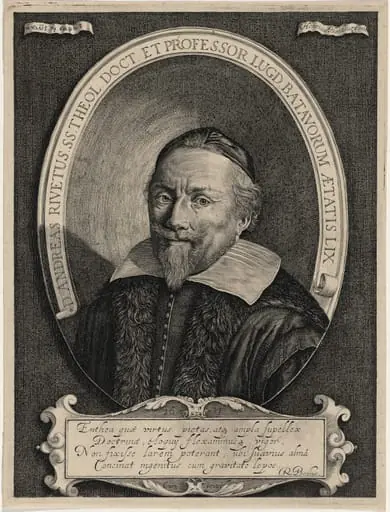
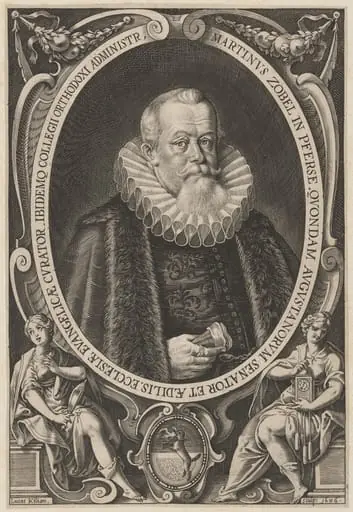
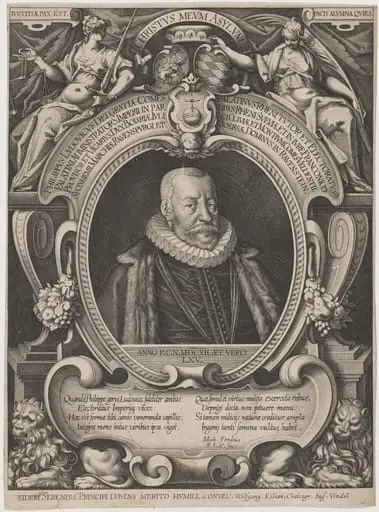
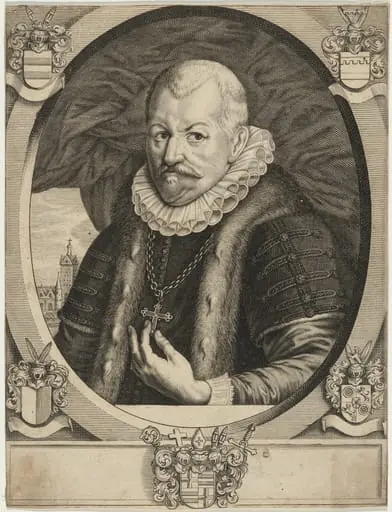
The portrait depicts a man identified as Petrus Collins, rendered with solemn dignity. His white beard and mustache, paired with a dark robe and expansive ruffled collar, signal status and age. The sword in his right hand and left hand resting on his chest suggest martial or civic authority, while the oval frame, banner, and coat of arms reinforce his social or institutional standing. The image functions as a formal representation, likely commissioned to commemorate personal or professional achievement.
Technique & Style
Galle employed fine cross-hatching to model form and texture, creating subtle gradations of light and shadow across the figure’s face, collar, and robe. The lines are controlled and deliberate, reflecting his training in the Italian tradition of linear precision. The oval composition, bordered by decorative elements, follows established conventions for portrait prints of the period, balancing naturalism with symbolic framing to elevate the subject’s presence.
History & Provenance
Created in 1613, *Petrus Collins* emerged during Galle’s mature period, after his return from Rome and his establishment as a master in the Antwerp Guild of Saint Luke. The print was likely circulated among collectors and patrons in the Southern Netherlands. While its early ownership is undocumented, it remains part of the broader corpus of Galle’s reproductive and original engravings, preserved in institutional collections today.
Context
Galle worked within a vibrant printmaking economy centered in Antwerp, where engravings served as vehicles for disseminating portraiture, religious imagery, and classical themes. His work responded to both local demand and Italian artistic ideals absorbed during his travels. *Petrus Collins* reflects the era’s emphasis on individual identity and social hierarchy, aligning with broader trends in Northern European print culture that valued craftsmanship and symbolic clarity.
Legacy
Cornelis Galle the Elder’s prints, including *Petrus Collins*, contributed to the transmission of visual culture across Europe during the early Baroque period. Though less widely known than some contemporaries, his technical discipline and adherence to classical principles influenced later generations of engravers. His body of work remains a reference for understanding the intersection of artistic training, print commerce, and portraiture in 17th-century Flanders.
Artist & collection

Artist
Cornelis Galle the Elder (1576 – 29 March 1650), a younger son of Philip Galle, was born at Antwerp in 1576, and was taught engraving by his father.

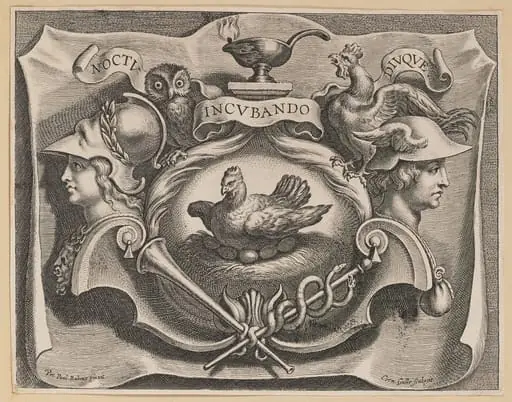 Vignette for the Title Page of Martinus Bonacina, Opera Omnia
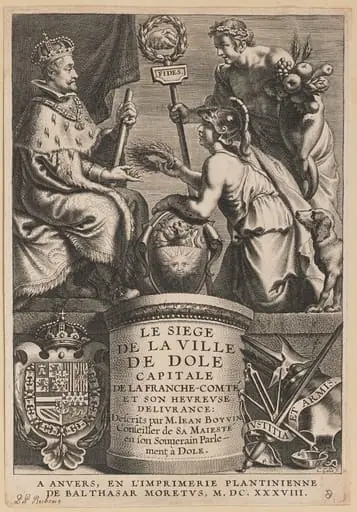 Title Page for Jean Boyvin, Le Siege de la Ville de Dole
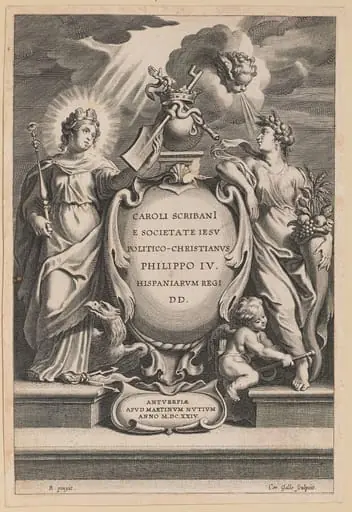 Title Page for Carolus Scribani, Politico-Christianus
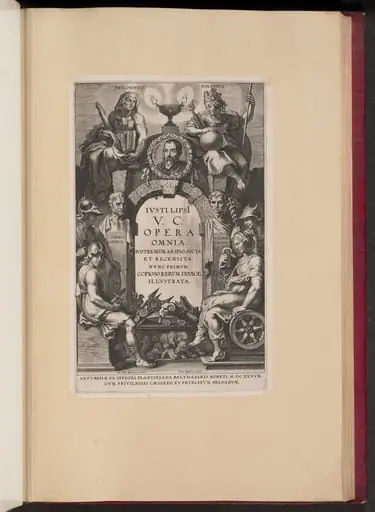 Title Page for Justus Lipsius, Opera Omnia, I
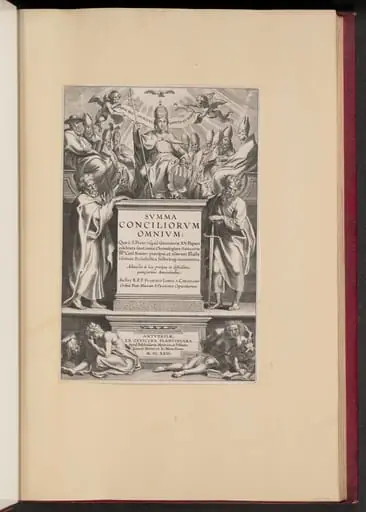 Title Page for F. Longo a Coriolano's "Svmma Conciliorvm Omnivm"
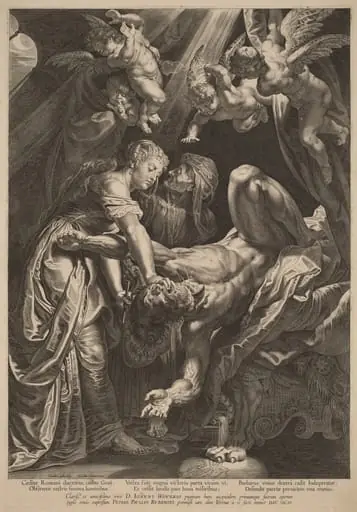 Judith Beheading Holofernes
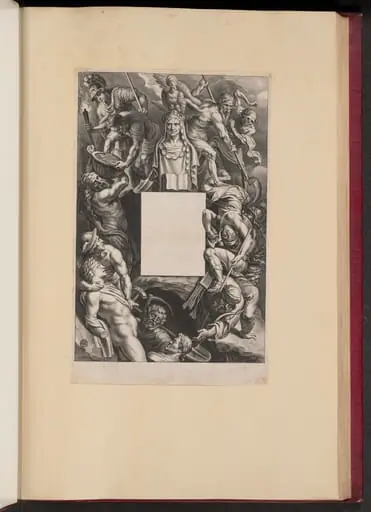 Title Page for Hubert Goltzius, Romanae et Graecae Antiqvitatis Monvmenta (Opera Omnia, I)
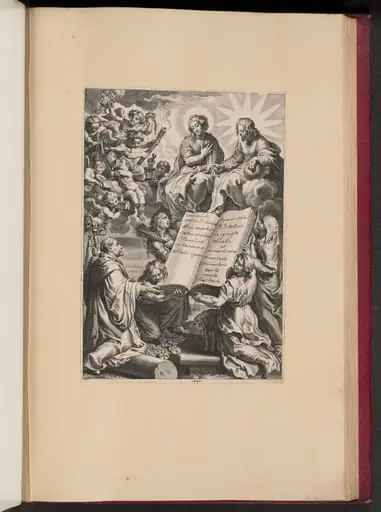 Title Page for Ludovicus Blosius, Opera