Artwork
Title Page for F. Longo a Coriolano's "Svmma Conciliorvm Omnivm"
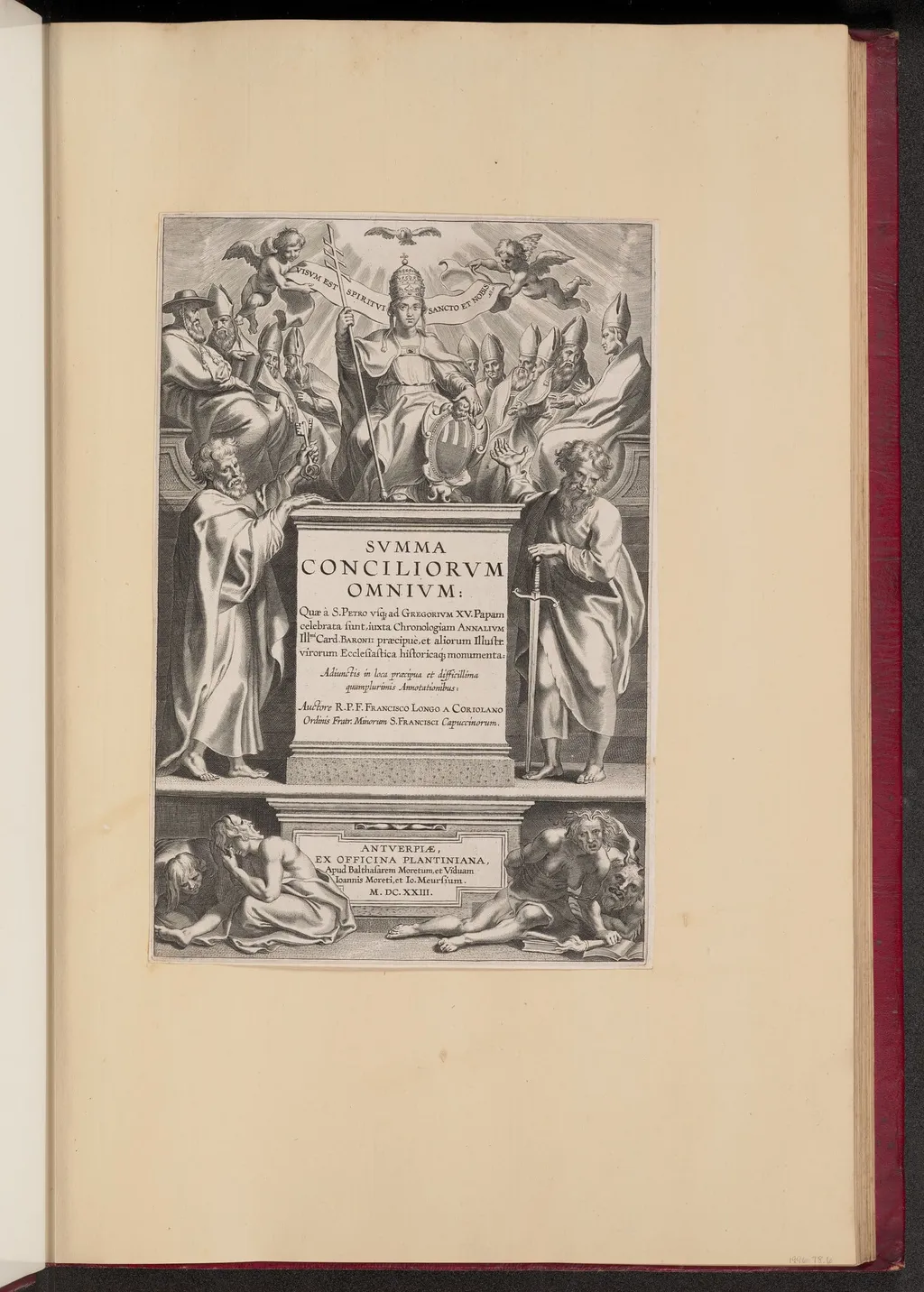
Title Page for F. Longo a Coriolano's "Svmma Conciliorvm Omnivm" is an ink print by the Baroque artist Cornelis Galle I. It dates from 1623 and is held in the collection of the National Gallery of Art. Created in 1623, this engraved title page was produced by Cornelis Galle the Elder for F.
About this work
Overview
Executed in black ink on laid paper, the print demonstrates the precision characteristic of Northern European engraving traditions.
Created in 1623, this engraved title page was produced by Cornelis Galle the Elder for F. Longo a Coriolano's compilation of church councils. Executed in black ink on laid paper, the print demonstrates the precision characteristic of Northern European engraving traditions. Galle, trained by his father Philip, had absorbed Italian artistic influences during his time in Rome, which informed the composition’s complexity and refined line work.
Subject & Meaning
The image presents a celestial hierarchy: a crowned figure hovers above two robed men standing before a pedestal, suggesting divine sanction of ecclesiastical authority. Angels and attendant figures surround the central figure, reinforcing sacred legitimacy. At the base, two allegorical vignettes—a reclining woman and a broken column—may symbolize the decay of heresy or the fall of false doctrine, framing the text as a restoration of orthodox tradition.
Technique & Style
Galle employed fine, controlled lines typical of engraving, using burin incisions to build texture, depth, and tonal variation across the composition. The dense patterning of robes, clouds, and architectural elements reveals meticulous craftsmanship. Unlike broad washes or etching, the technique relies on linear precision, allowing intricate detail while maintaining clarity in a monochromatic field.
History & Provenance
Cornelis Galle the Elder, born in Antwerp in 1576, trained under his father Philip before working in Rome, where he encountered Renaissance and Counter-Reformation imagery. He returned to Antwerp around 1600, establishing a successful workshop that produced prints for scholarly and religious markets. This title page was part of a larger publication intended for ecclesiastical use, reflecting the demand for visually authoritative religious texts in early 17th-century Europe.
Context
The publication emerged during the Counter-Reformation, when the Catholic Church sought to consolidate doctrinal authority through scholarly compilations. Visual imagery in such works often combined theological symbolism with humanist aesthetics to reinforce orthodoxy. Galle’s engraving aligns with this trend, merging classical compositional forms with religious iconography to lend gravitas to the textual content.
Legacy
Galle’s work contributed to the dissemination of religious and scholarly imagery across Europe through the print trade. His technical standards influenced subsequent generations of engravers in Antwerp and beyond. While not widely studied today, this piece remains a representative example of how printmaking served as a vehicle for theological messaging in the early modern period.
Artist & collection

Artist
Cornelis Galle the Elder (1576 – 29 March 1650), a younger son of Philip Galle, was born at Antwerp in 1576, and was taught engraving by his father.

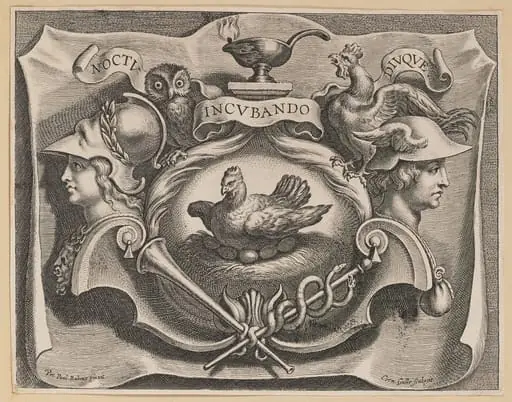 Vignette for the Title Page of Martinus Bonacina, Opera Omnia
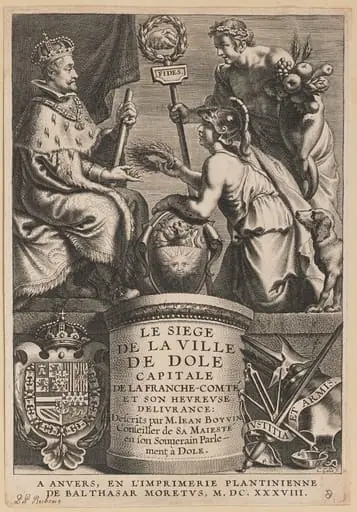 Title Page for Jean Boyvin, Le Siege de la Ville de Dole
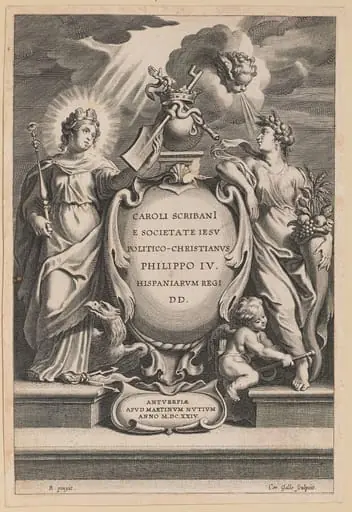 Title Page for Carolus Scribani, Politico-Christianus
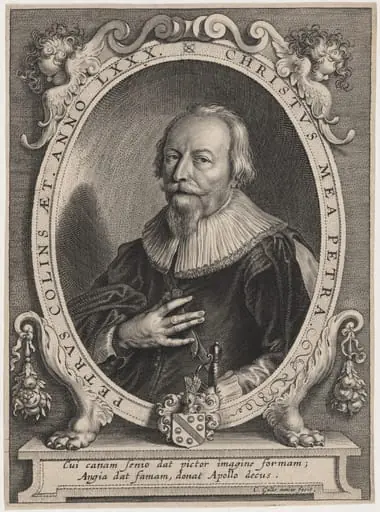 Petrus Collins
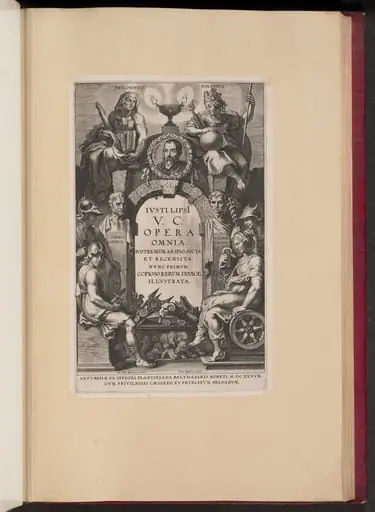 Title Page for Justus Lipsius, Opera Omnia, I
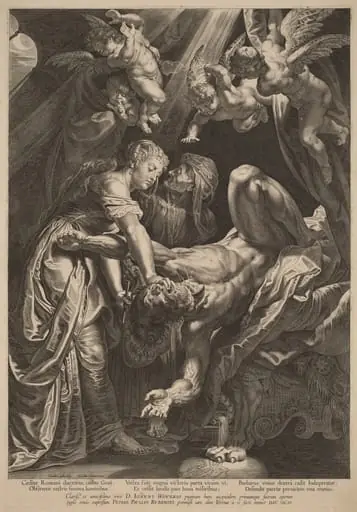 Judith Beheading Holofernes
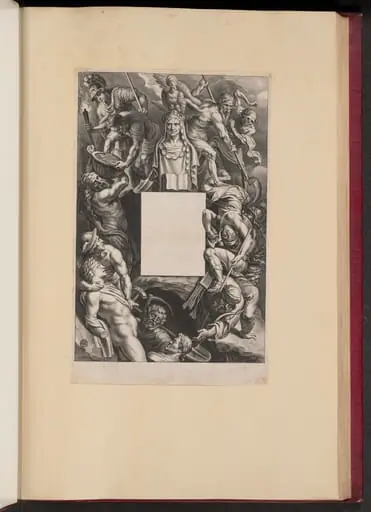 Title Page for Hubert Goltzius, Romanae et Graecae Antiqvitatis Monvmenta (Opera Omnia, I)
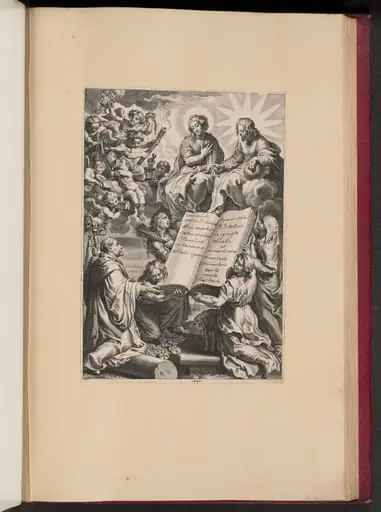 Title Page for Ludovicus Blosius, Opera
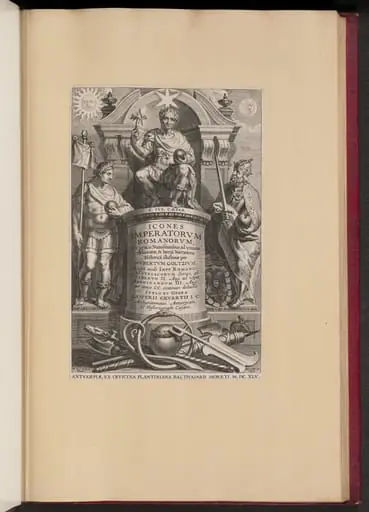 Title Page for Hubert Goltzius's Icones Imperatorvm Romanorvm (Opera Omnia, V)
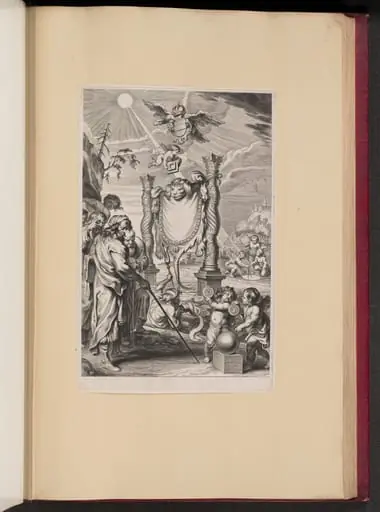 Title Page for G. de St. Vincent, Opus Geometricum Quadraturae Circuli
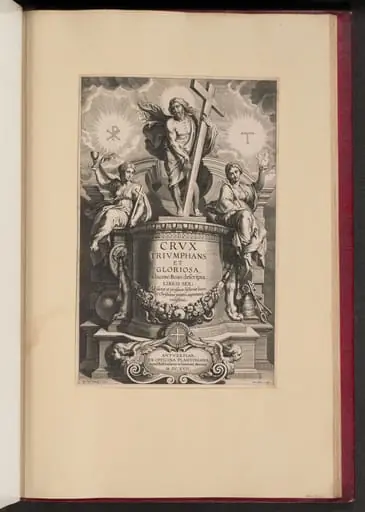 Title Page for Giacomo Bosio, Crux Triumphans et Gloriosa
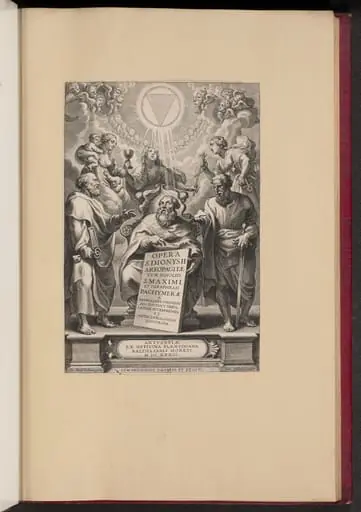 Title Page for Balthasar Cordier's "Opera S. Dionysii Areopagitae, I"
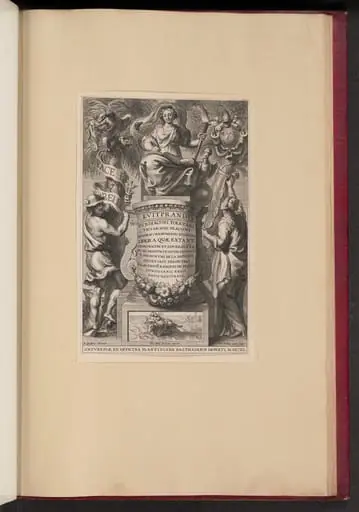 Title Page for Liutprand, Opera
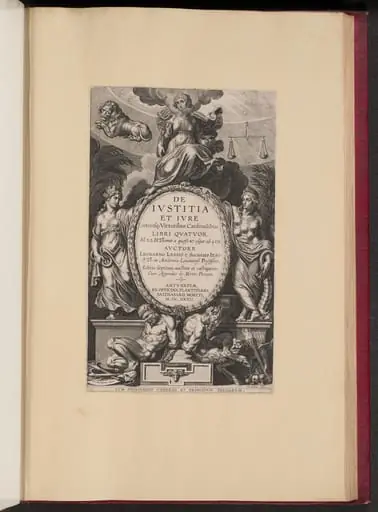 Title Page for Leonard Lessius, De Ivstitia et Ivre
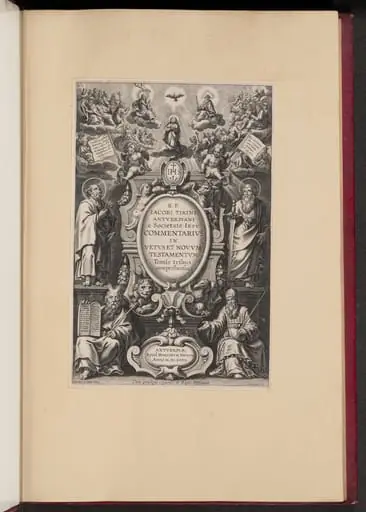 Title Page for R.P. Jacobi Tirini's "Commentarius in Vetvs et Novvm Testamentvm"
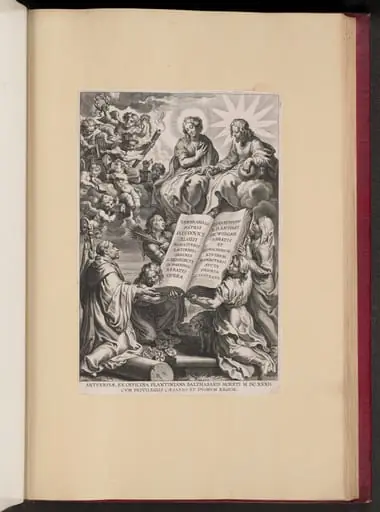 Title Page for Ludovicus Blosius, Opera
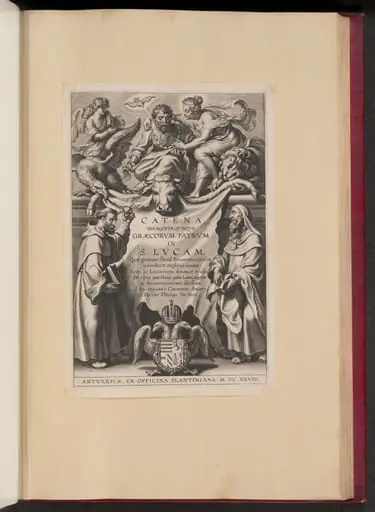 Title Page for Balthasar Cordier, Catena Sexaginta Qvinqve Graecorvm Patrvm in S. Lvcam...
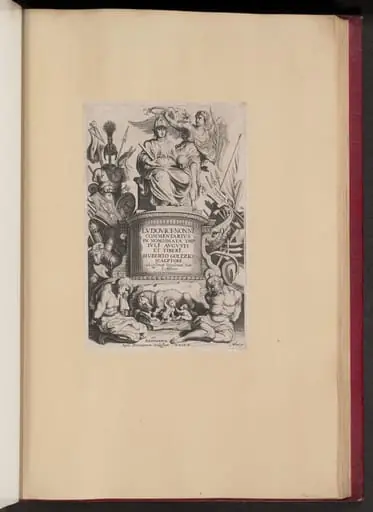 Title Page for Ludovicus Nonnius, Commentarius in Nomismata
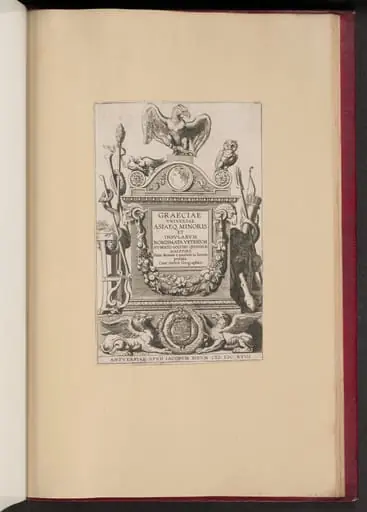 Title Page for Hubert Goltzius, Graeciae Vniversae Asiaeq. Minoris et Insularum Nomismata