Artwork
The Alchemist
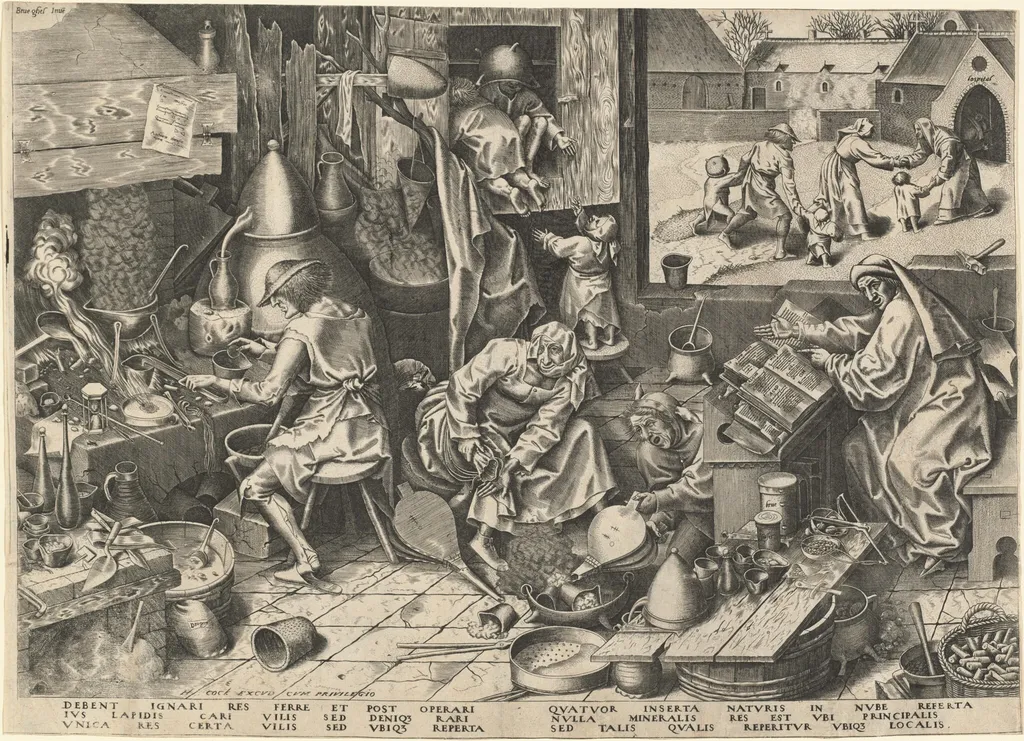
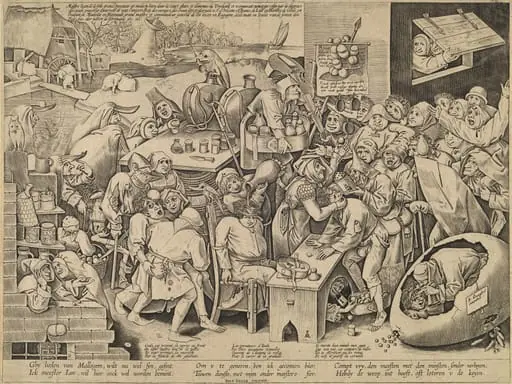
The Alchemist is an ink print by the Renaissance artist Philip Galle. It dates from 1558 and is held in the collection of the National Gallery of Art.
About this work
Overview
As a prominent Dutch publisher, Galle was known for converting paintings into prints, thereby extending the reach of visual works across Europe.
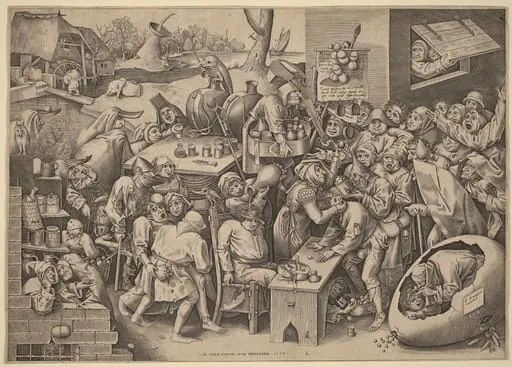
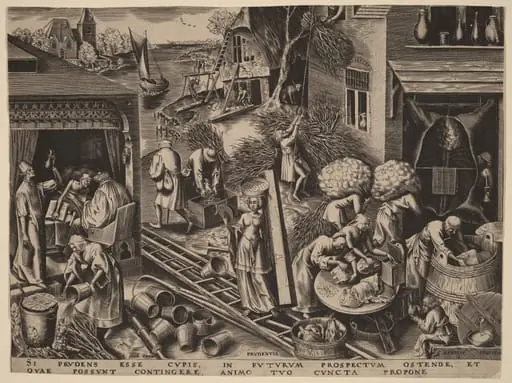
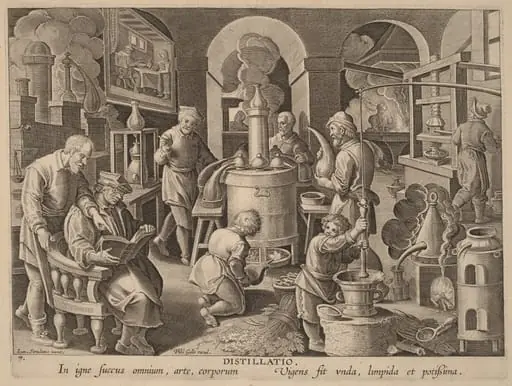
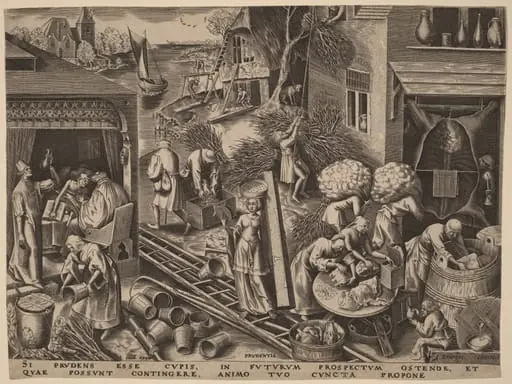
Philip Galle’s print *The Alchemist*, dated circa 1558, is an engraving produced in the Low Countries during the late Renaissance. As a prominent Dutch publisher, Galle was known for converting paintings into prints, thereby extending the reach of visual works across Europe. This particular image portrays a bustling alchemical laboratory, filled with figures and objects that suggest a quest for hidden transformation.
Subject & Meaning
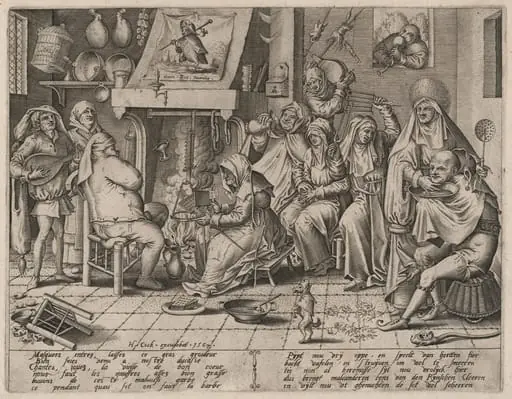
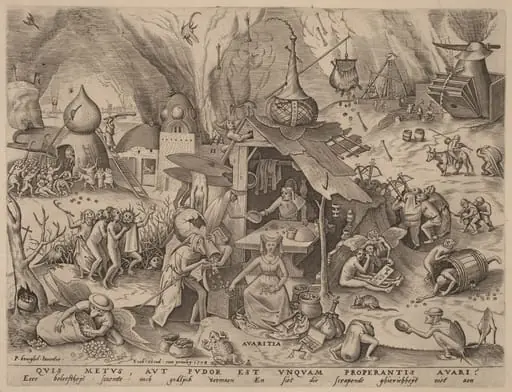
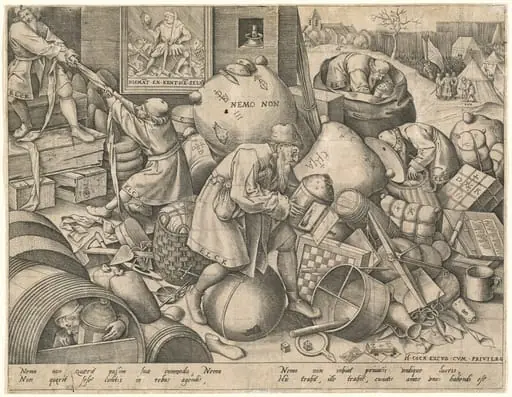
The composition presents a chaotic workshop where a hat‑clad man leans over a cluttered table of vessels, while a hooded individual cradles an infant and a kneeling woman attends a heap of debris. To the right, a group excavates soil near a modest settlement. The dense arrangement of tools, figures, and symbols evokes contemporary fascination with the secretive processes of alchemy and the pursuit of concealed knowledge.
Technique & Style
Executed in fine line engraving, the work demonstrates Galle’s skill in rendering intricate detail on a relatively small scale. Cross‑hatching and stippling create texture on the tables, clothing, and background terrain, allowing a multitude of miniature scenes to coexist without losing clarity. The crowded visual field reflects the period’s penchant for didactic, narrative prints that could be studied closely.
History & Provenance
Created around 1558, the print was likely issued by Galle’s own publishing house, which specialized in reproducing works by older masters for a broad market. Surviving copies appear in several European collections, indicating the image’s distribution through the networks of print dealers that Galle cultivated throughout the Netherlands and beyond.
Context
During the mid‑16th century, alchemy occupied a prominent place in intellectual and popular culture, intersecting with emerging scientific inquiry and occult belief. Galle’s depiction aligns with contemporary emblematic traditions, embedding allegorical objects that would have been recognizable to viewers familiar with hermetic literature. The engraving thus serves both as a visual record of laboratory practice and as a moralizing illustration of the era’s quest for transmutation.
Artist & collection
Artist
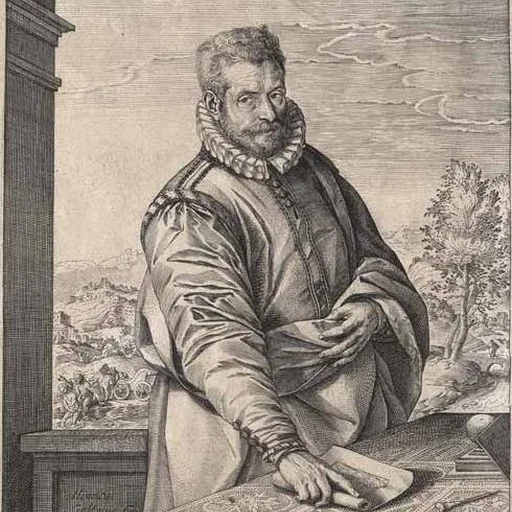
Philip (or Philips) Galle (1537 – March 1612) was a Dutch publisher, best known for publishing old master prints, which he also produced as designer and engraver. He is especially known for his reproductive engravings of paintings.

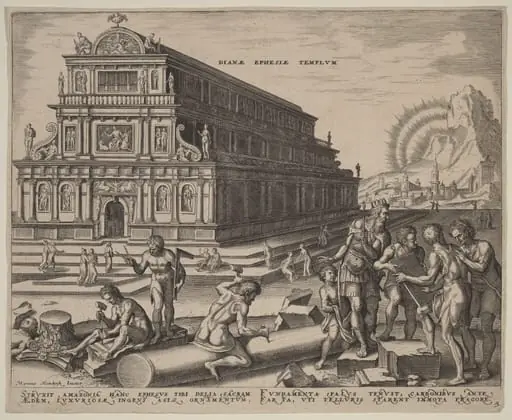 Dianae Ephesiae Templum (The Temple of Diana at Ephesus)
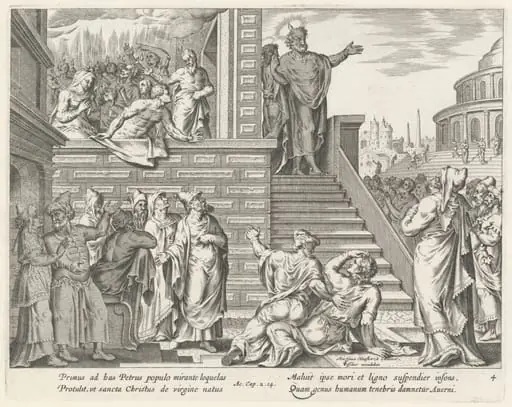 Saint Peter Speaks to the People about Christ
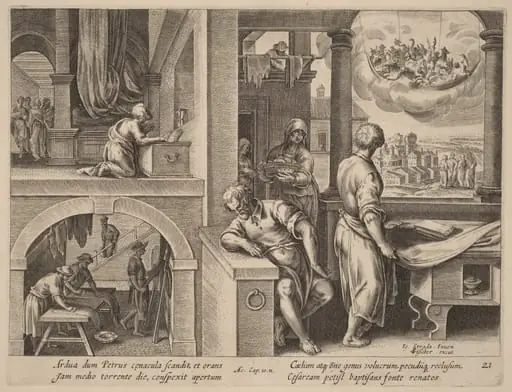 The Vision of Saint Peter
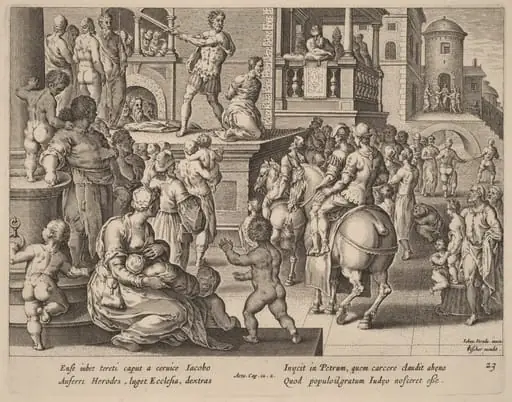 Beheading of Saint James
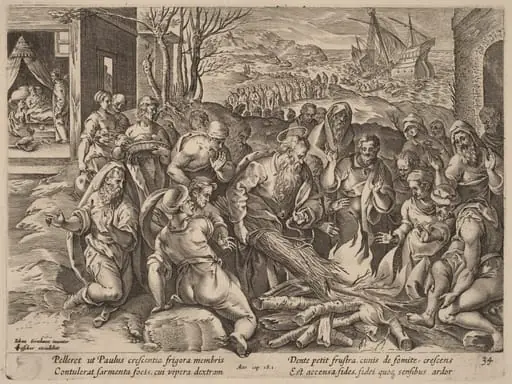 Saint Paul Shipwrecked on the Island of Melita
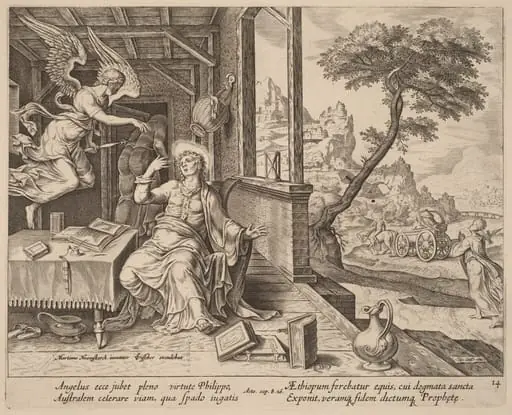 The Angel Orders Saint Philip to Accompany the Ethiopian Eunuch
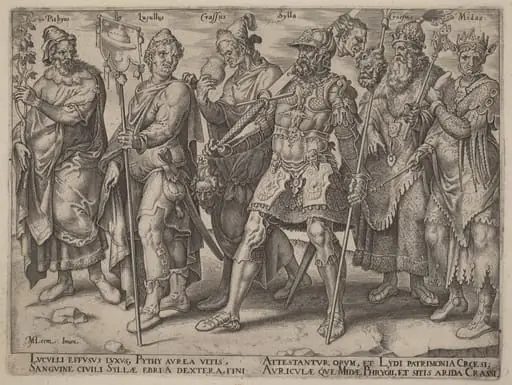 Notorious Examples of Wealth from Antiquity
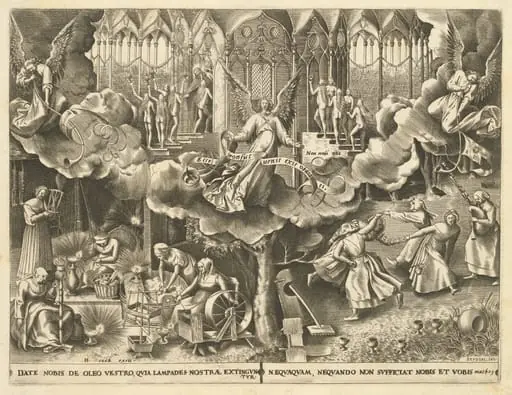 The Parable of the Wise and Foolish Virgins