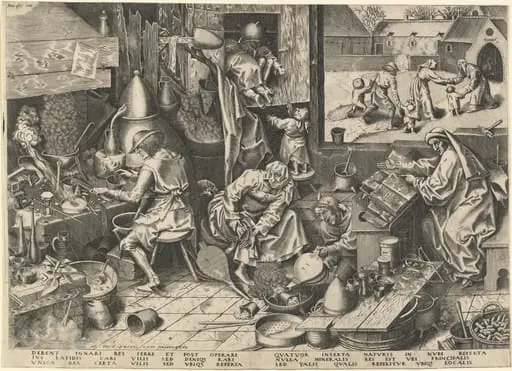
Artwork
Prudence
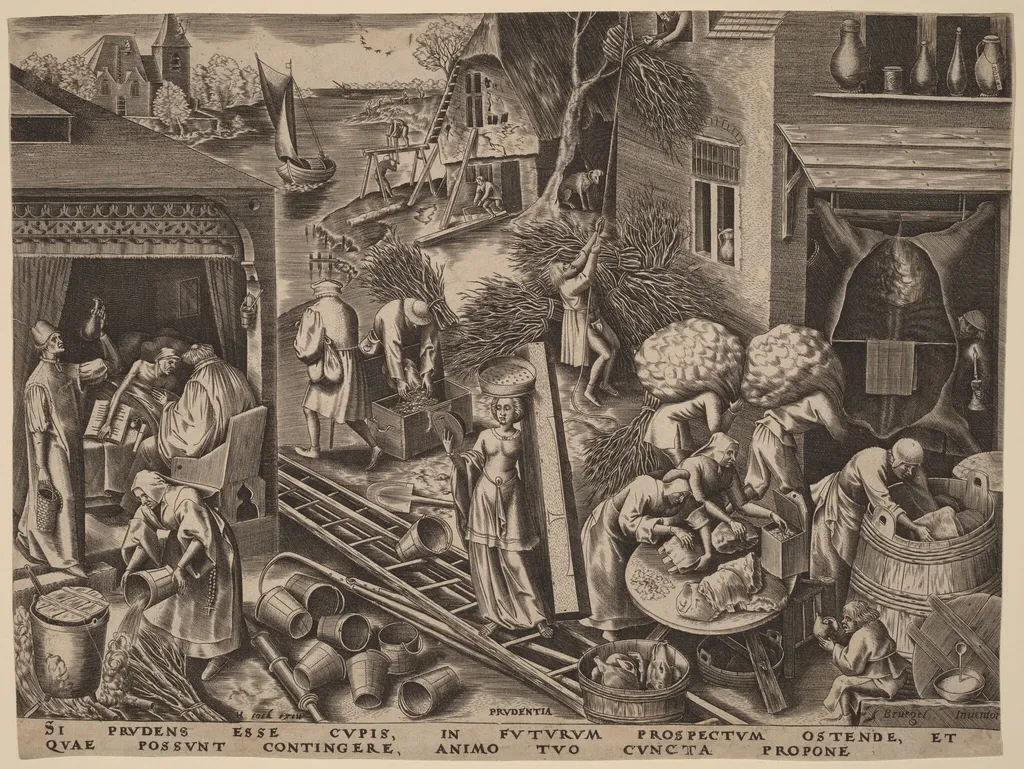
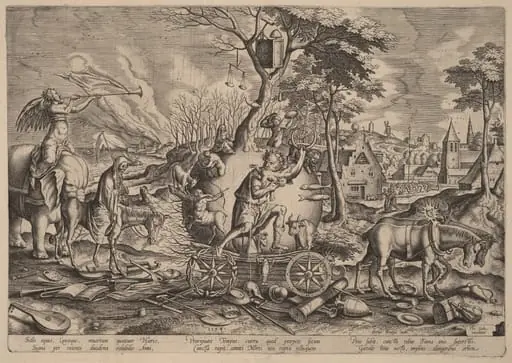
Prudence is an ink print by the Renaissance artist Philip Galle. It dates from 1559 and is held in the collection of the National Gallery of Art.
About this work
Overview
This work exemplifies his role in disseminating allegorical imagery through the medium of print, making complex visual ideas accessible beyond elite audiences.
Philip Galle’s 1559 engraving *Prudence* is a reproductive print created during the height of Northern European print culture. As a publisher and engraver based in the Low Countries, Galle specialized in translating existing artworks into detailed etchings for wider distribution. This work exemplifies his role in disseminating allegorical imagery through the medium of print, making complex visual ideas accessible beyond elite audiences.
Subject & Meaning
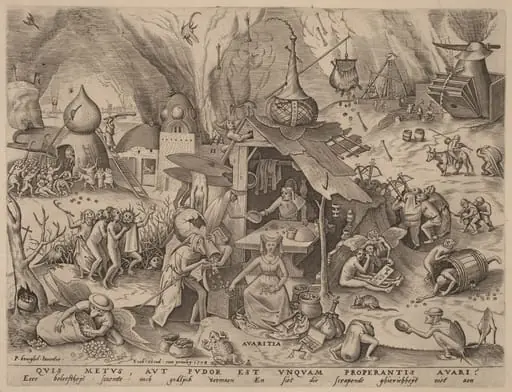
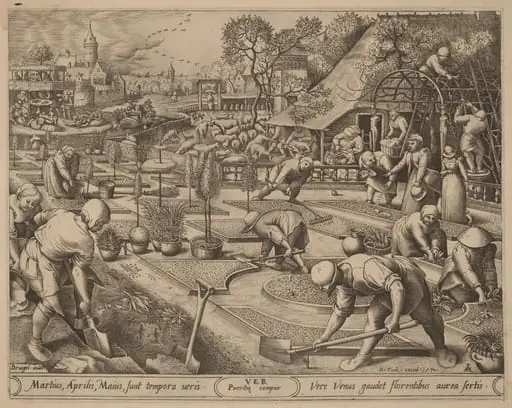
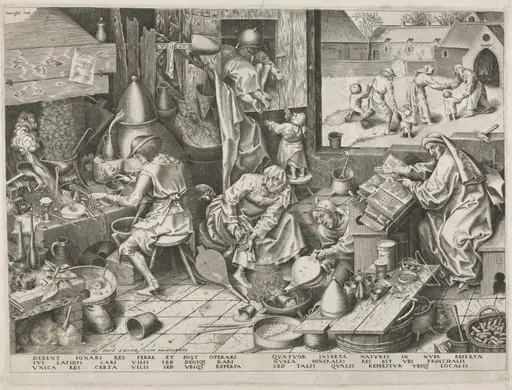
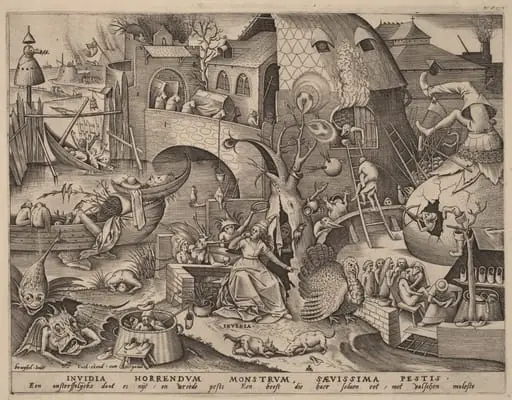
The central figure, a woman holding a mirror, embodies the virtue of Prudence, traditionally associated with foresight and careful judgment. Surrounding her are figures engaged in diverse labor—craftsmen, scholars, and laborers—suggesting that wisdom requires active, multifaceted engagement with the world. The inclusion of a ship, domestic architecture, and anthropomorphic clouds reinforces themes of navigation, stability, and divine oversight, all framed as essential to a prudent life.
Technique & Style
Galle employed fine, precise lines typical of engraving, using a burin to incise details into a copper plate. The composition is densely packed with minute elements—tools, containers, architectural fragments—each rendered with clarity. The contrast of dark, sharp strokes against the white paper enhances legibility, allowing complex symbolism to be read at a glance. The Latin inscription at the base anchors the image in humanist tradition, reinforcing its moral message.
History & Provenance
Created in 1559, the engraving was part of a broader series of allegorical prints produced by Galle’s workshop. It circulated widely across Europe, often collected by scholars and civic leaders interested in moral philosophy. While the original design source remains uncertain, Galle’s version became a standard reference for the visual representation of Prudence in print form during the late Renaissance.
Context
In mid-16th century Europe, printmaking enabled the rapid spread of humanist ideals and moral allegories. Galle’s work responded to growing demand for visual education tools, particularly among urban elites. The integration of classical virtues with contemporary labor reflects a cultural emphasis on practical wisdom. The inclusion of everyday activities alongside celestial imagery bridges the secular and spiritual, characteristic of Northern Renaissance thought.
Legacy
Galle’s *Prudence* contributed to a standardized visual language for moral virtues in print. Its compositional structure influenced later emblem books and educational imagery well into the 17th century. Though not attributed to a single famous painter, its endurance lies in its function: translating abstract ethics into a legible, repeatable format that shaped how generations understood virtue as an active, communal pursuit.
Artist & collection
Artist
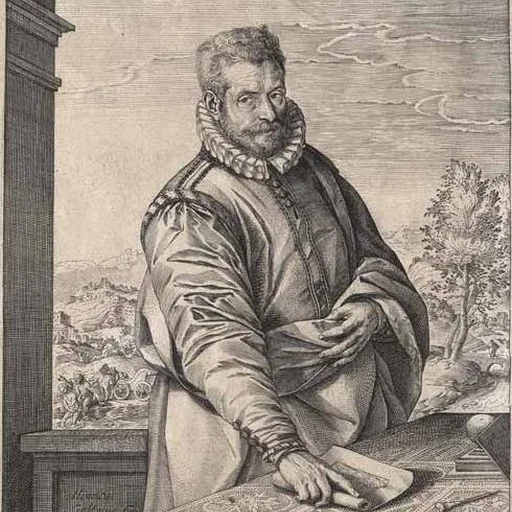
Philip (or Philips) Galle (1537 – March 1612) was a Dutch publisher, best known for publishing old master prints, which he also produced as designer and engraver. He is especially known for his reproductive engravings of paintings.

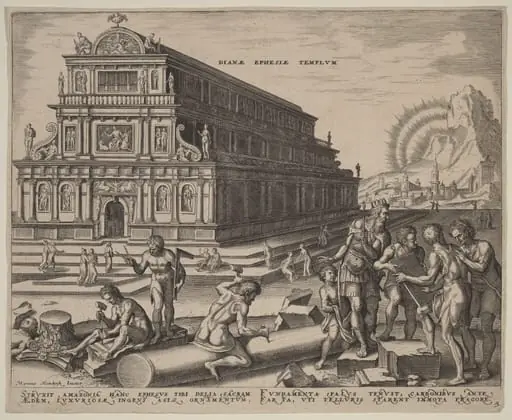 Dianae Ephesiae Templum (The Temple of Diana at Ephesus)
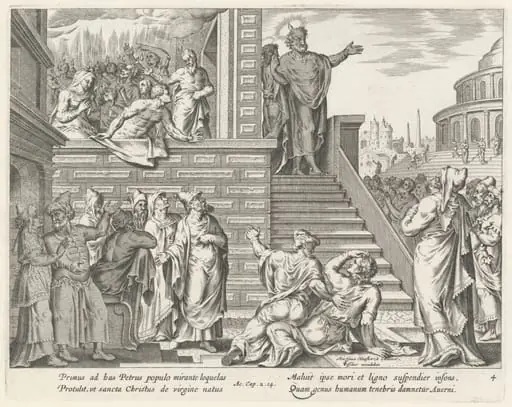 Saint Peter Speaks to the People about Christ
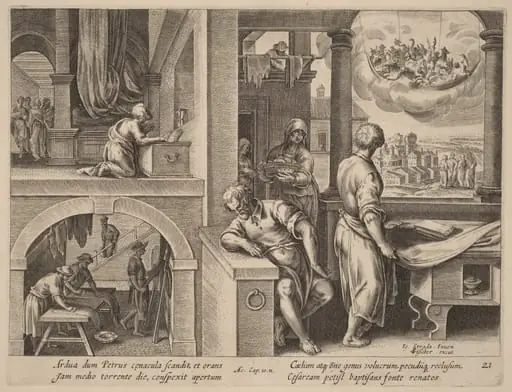 The Vision of Saint Peter
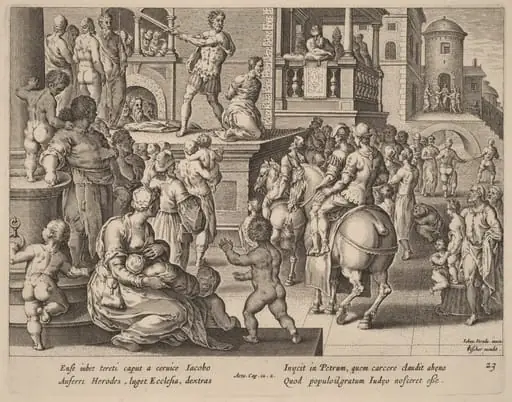 Beheading of Saint James
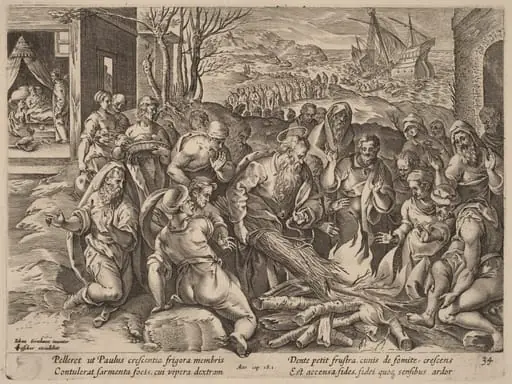 Saint Paul Shipwrecked on the Island of Melita
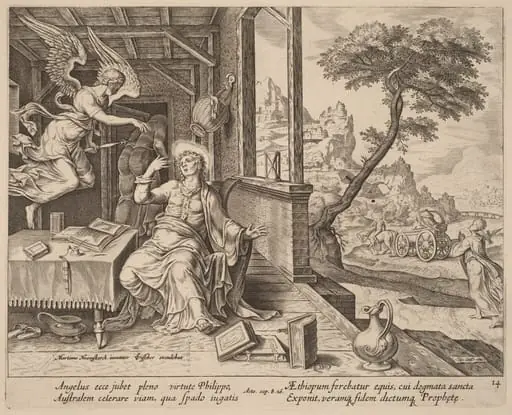 The Angel Orders Saint Philip to Accompany the Ethiopian Eunuch
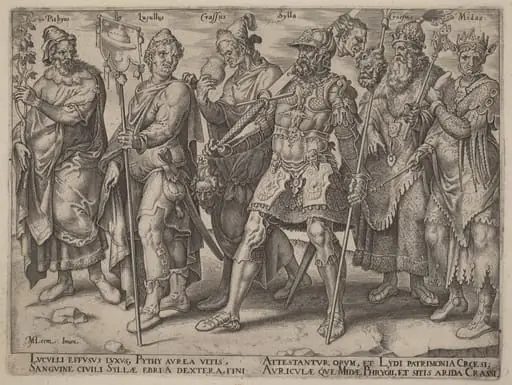 Notorious Examples of Wealth from Antiquity
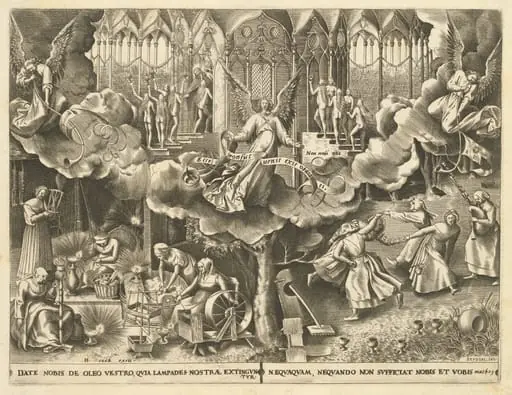 The Parable of the Wise and Foolish Virgins