Artwork
Malachias
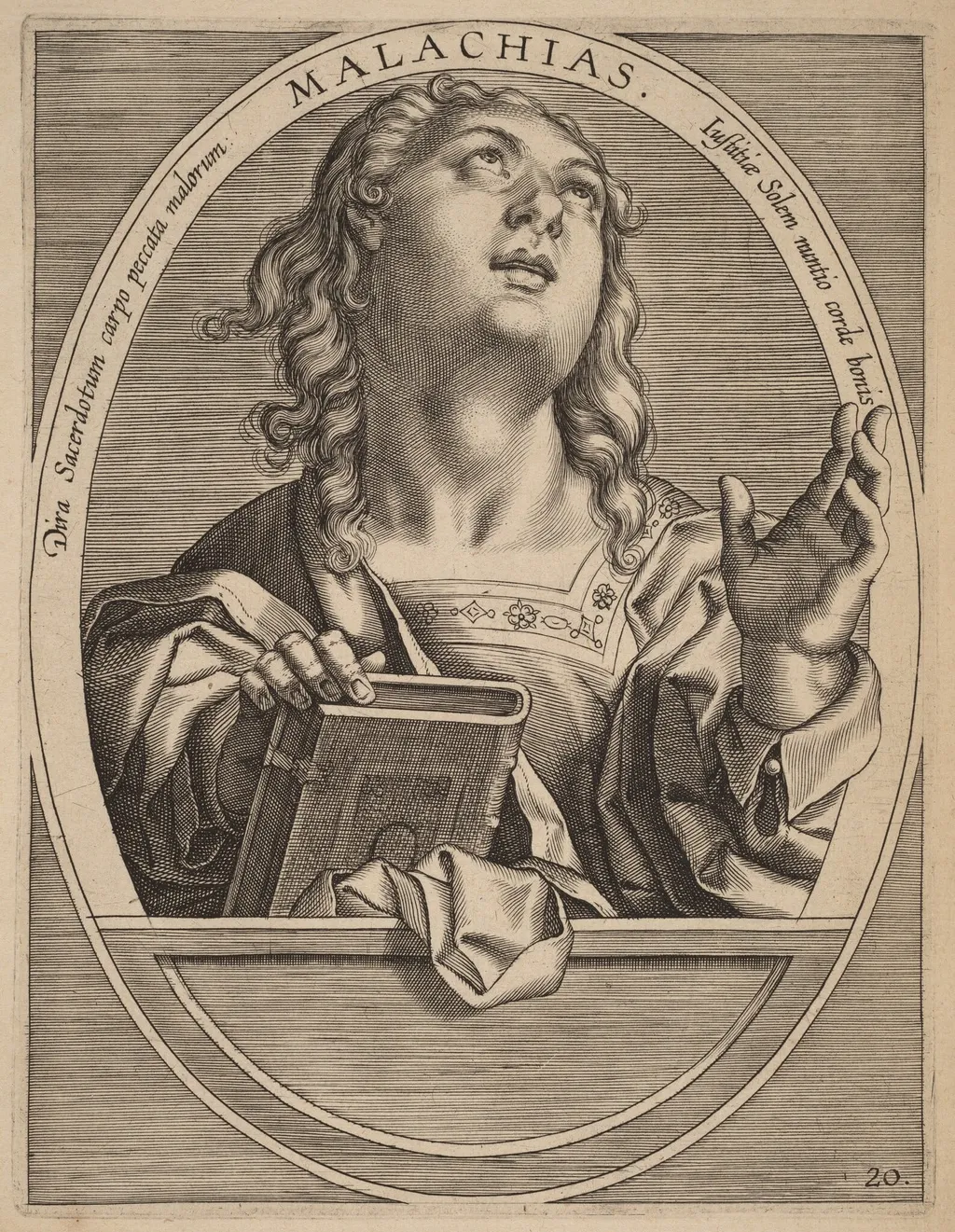
Malachias is an ink print by the Baroque artist Theodor Galle. It dates from 1613 and is held in the collection of the National Gallery of Art.
About this work
Overview
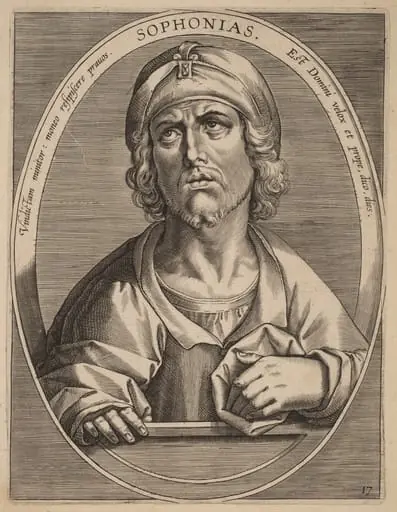
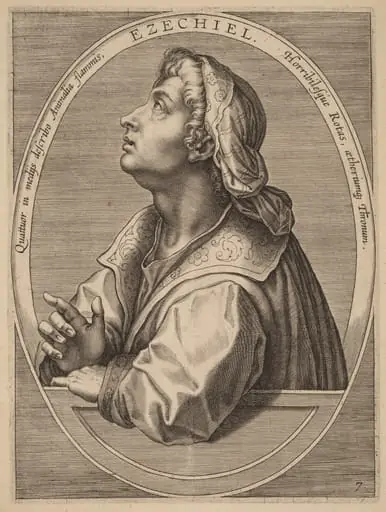
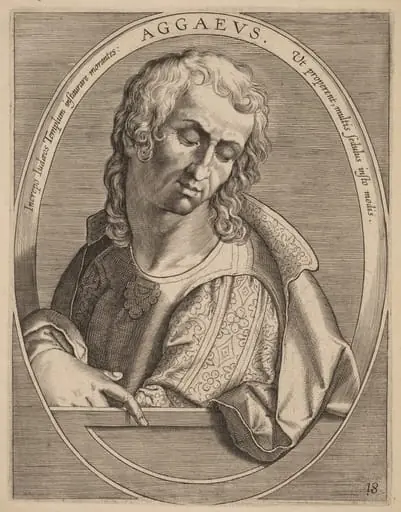
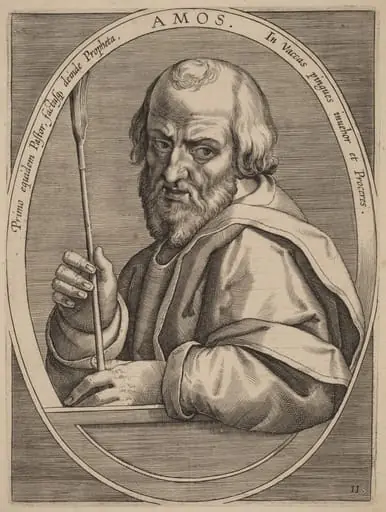
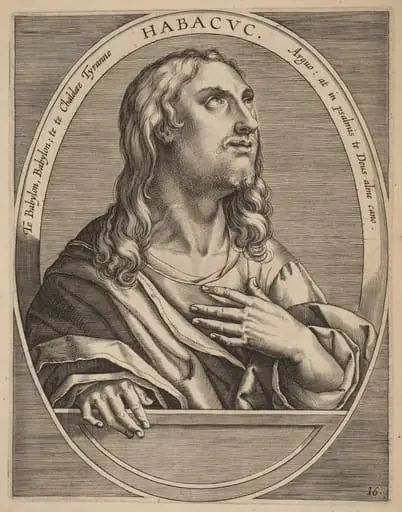
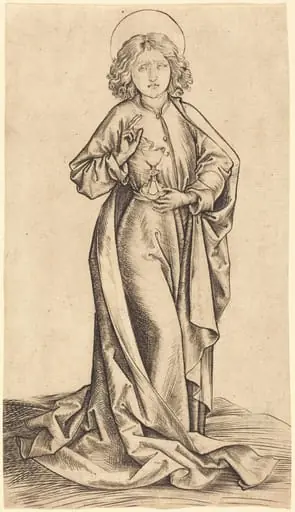
The work titled Malachias is a small-scale print executed as an engraving on laid paper. Produced in 1613 by the Flemish printmaker Theodor Galle, the image presents a solitary figure rendered with careful line work. The composition is modest in size yet conveys a distinct presence through its detailed rendering of facial features and attire.
Subject & Meaning
The central figure is identified as Malachias, depicted in modest, period clothing and a contemplative expression. The simplicity of the setting and the seriousness of his gaze suggest a portrait intended to convey personal character or moral gravitas, typical of early‑17th‑century portraiture that emphasized individual identity over narrative background.
Technique & Style
Galle employed the traditional copper‑plate engraving method, incising fine lines that translate into varied textures on the laid paper support. The precise hatching and cross‑hatching create subtle tonal gradations, especially in the rendering of flesh and fabric. This meticulous approach highlights the artist’s command of line to model volume within a limited monochrome palette.
History & Provenance
Created in 1613, the print belongs to the early phase of Galle’s career, when he was active in Antwerp’s vibrant print market. While specific ownership records are scarce, the work exemplifies the dissemination of portrait prints that circulated among collectors and patrons in the Low Countries during the early Baroque period.
Artist & collection