Artwork
Follow Me and I will Make You Fishers of Men
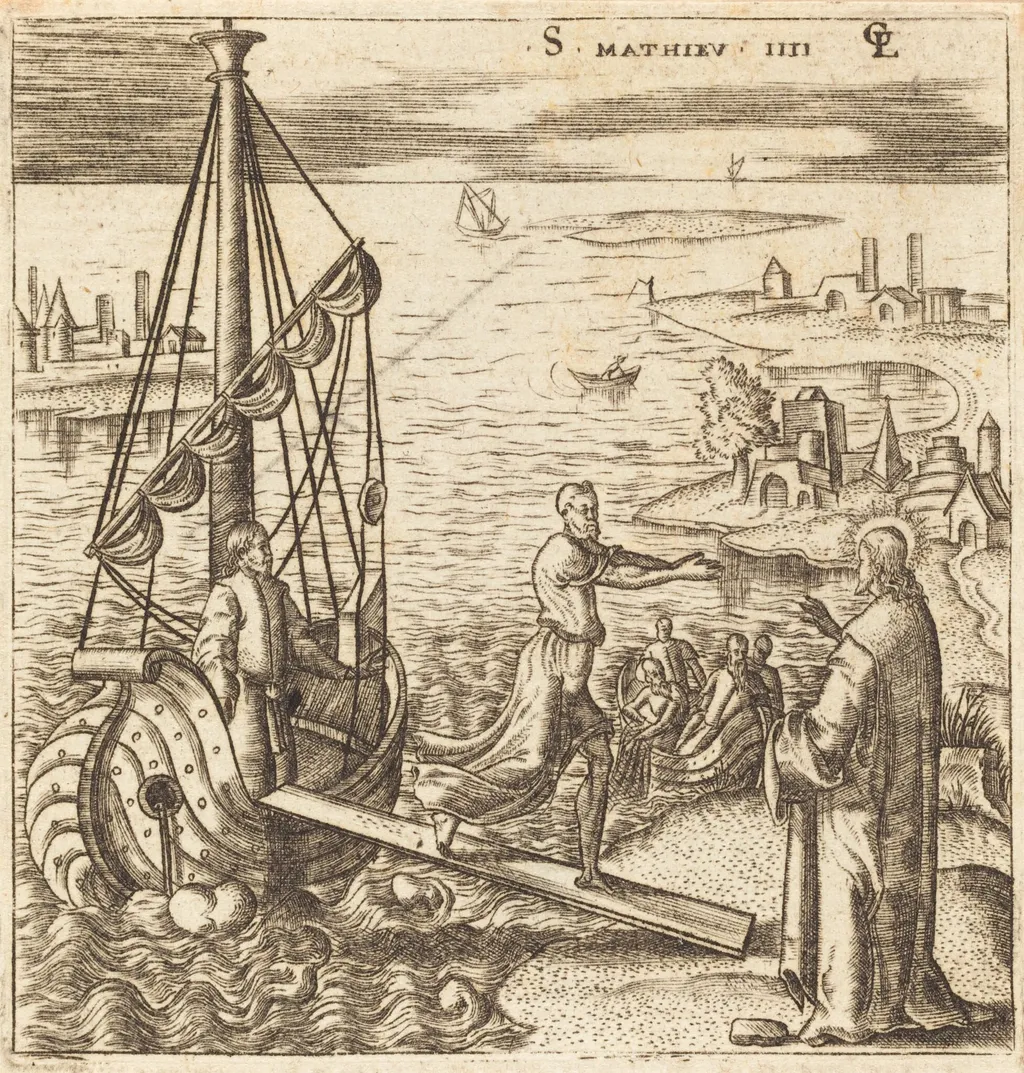
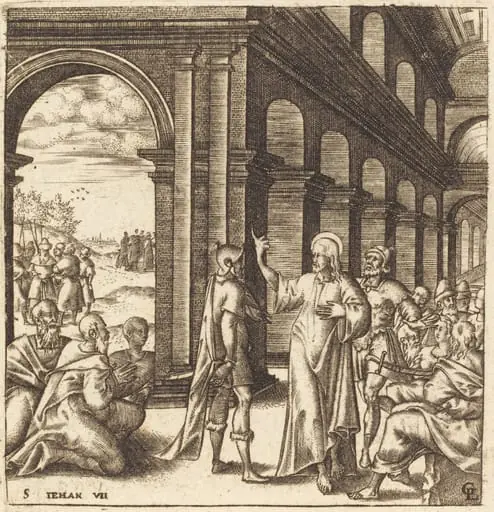
Follow Me and I will Make You Fishers of Men is an ink print by the Renaissance artist Léonard Gaultier. It dates from 1578 and is held in the collection of the National Gallery of Art.
About this work
Overview
Follow Me and I will Make You Fishers of Men is a 1578 engraving by Léonard Gaultier, a French artist born in Mainz around 1561 and active until his death in Paris in 1641. The work is characteristic of Gaultier's precise yet formally executed prints.
Subject & Meaning
The engraving illustrates a biblical scene, likely from the Gospel of Matthew, where Christ recruits fishermen to follow him, symbolizing their transformation into 'fishers of men'. The composition captures a moment of transition, with one fisherman kneeling in response and the other still engaged in his work.
Technique & Style
Gaultier employed the graver to create the engraving, utilizing cross-hatching to achieve deep shadows and contrasting light. The style bears resemblance to contemporaries Wierix and Crispyn van de Passe, though the figures' simple attire adds a note of everyday realism.
History & Provenance
Created around 1578, this engraving is part of Gaultier's body of work that included original designs for portraits and religious themes. Specific provenance details for this piece are not provided.
Context
Produced during the late 16th century, the engraving reflects the continued influence of religious themes in European art. Gaultier's choice of subject aligns with the religious revival and biblical illustration trends of his time.
Legacy
While specific impact of *Follow Me and I will Make You Fishers of Men* on later artists is not detailed, Gaultier's overall contribution to 16th- and 17th-century engraving, particularly in precise technique, remains notable. His works can be explored further through cataloged prints attributed to him.
Artist & collection
Artist
Léonard Gaultier, or, as he sometimes signed himself, Galter, a French engraver, was born at Mainz about 1561, and died in Paris in 1641.

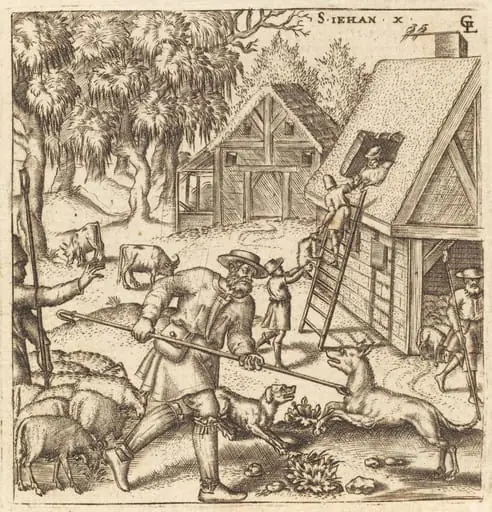
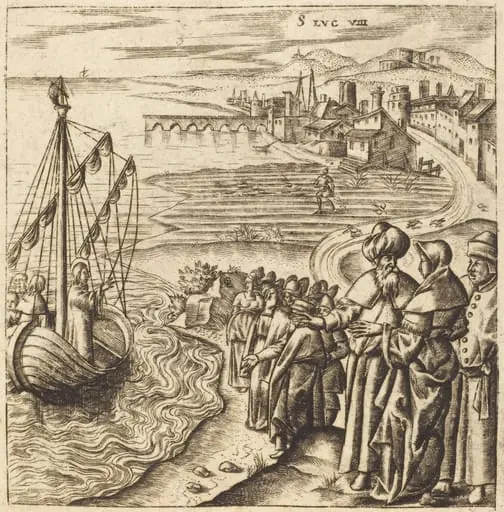 Christ on the Lake
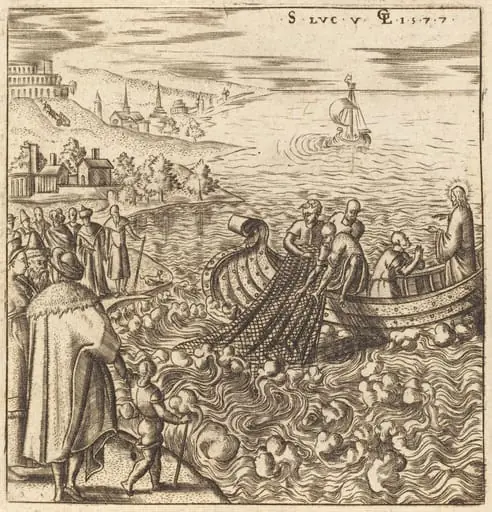 The Miraculous Draught of Fishes
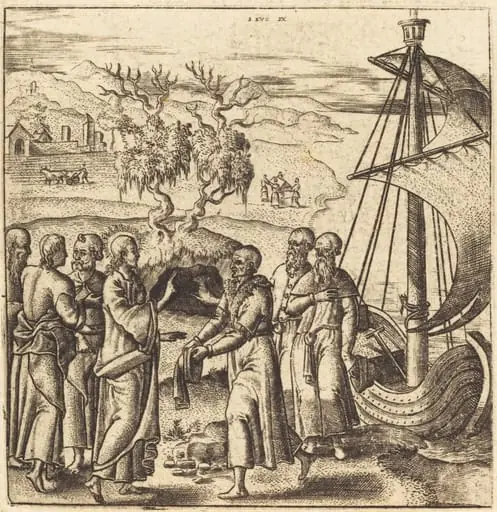 Christ the Teacher
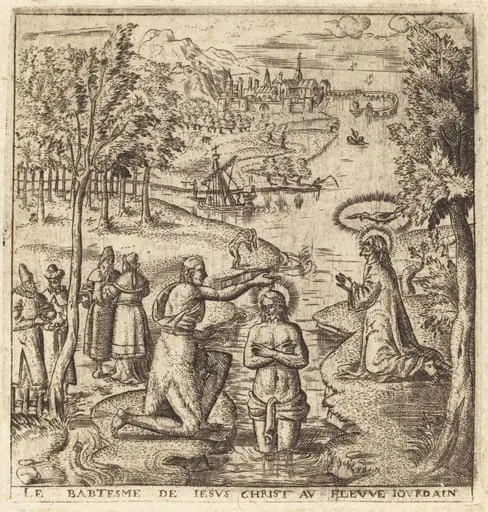 The Baptism of Christ
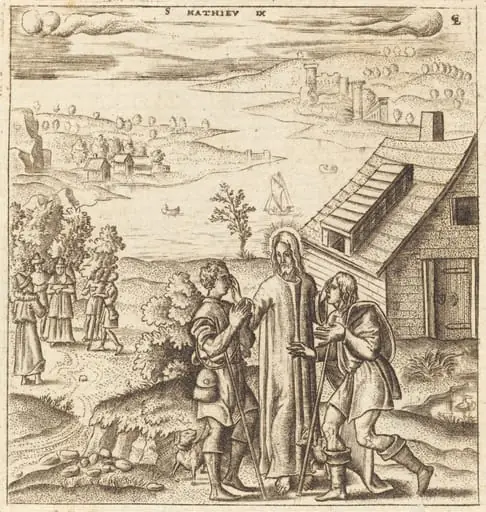 Christ Heals the Two Blind Men
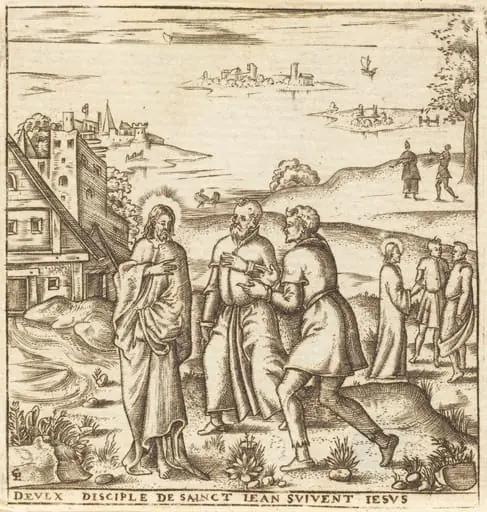 Christ Bids Two Disciples of John the Baptist to Follow Him
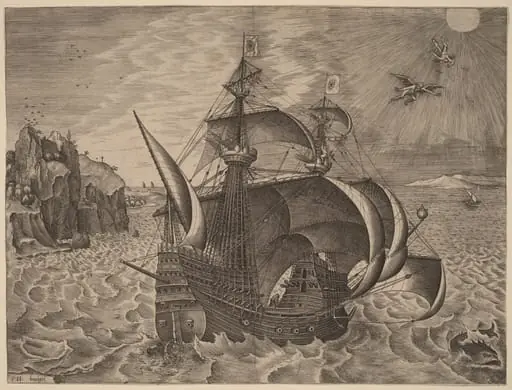 Armed Three-Master with Daedalus and Icarus in the Sky
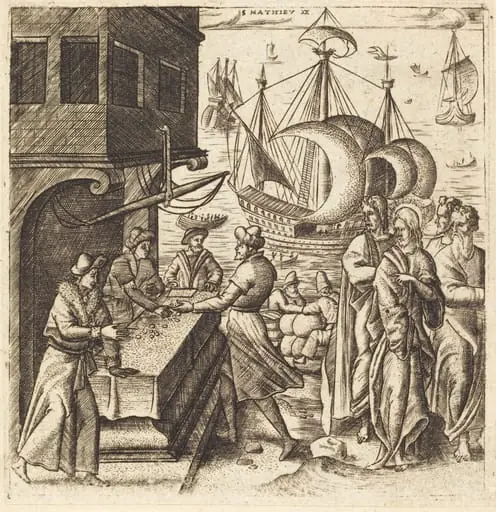 The Calling of Matthew
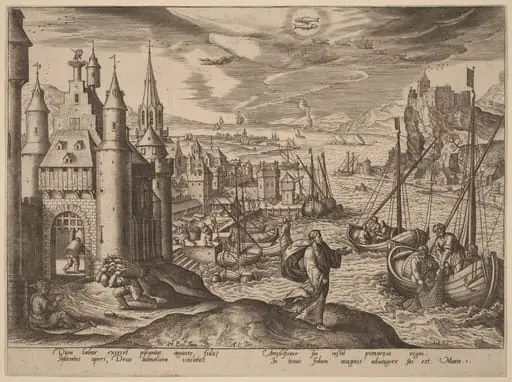 Jesus Calling the Apostles Among the Fishermen
 Papa, Carry Me—Take Me Up in Your Arms
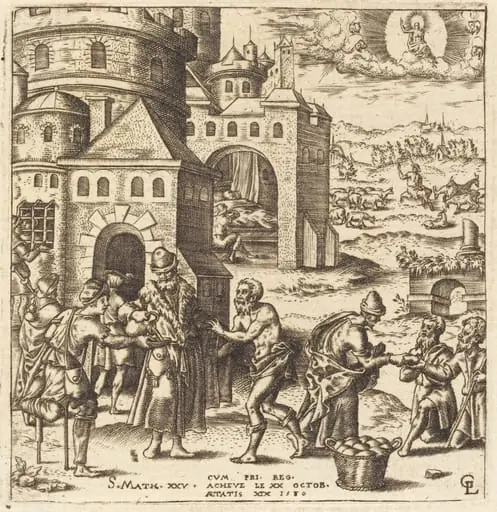 Teachings on the Coming of the Judgment