Artwork
Les Festes du mois d'Aoust (August: The Assumption)
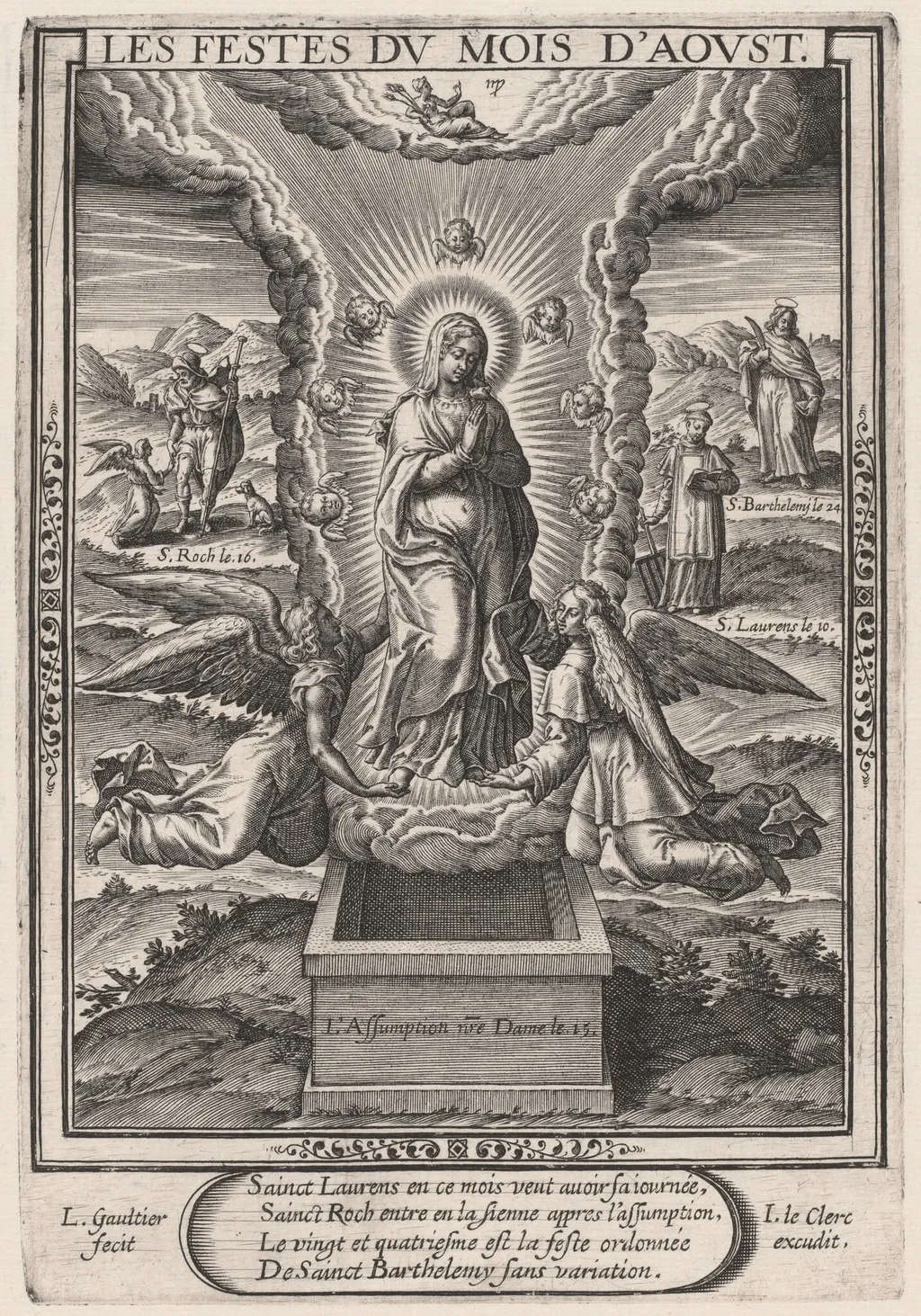
Les Festes du mois d'Aoust (August: The Assumption) is an ink print by the Baroque artist Léonard Gaultier. It dates from 1603 and is held in the collection of the National Gallery of Art.
About this work
You see a busy 1603 engraving of a crowded August feast.
The artist packed the scene with small figures eating, drinking, and dancing. Tiny details matter here—look for the dog under the table or the man fanning himself with a hat.
It’s an engraving, so check how the artist used fine lines to create shade and depth—this method is called cross-hatching.
Gaultier, Léonard
Overview
Les Festes du mois d'Aoust (August: The Assumption) is a 1603 engraving on laid paper, created by Léonard Gaultier and published by Jean Leclerc. The work measures 19 × 13 cm (plate) and 28.8 × 20.5 cm (sheet). It depicts a lively August feast scene.
Subject & Meaning
The engraving captures the vibrancy of a summer feast, teeming with small figures engaged in revelry—eating, drinking, and dancing. Minute details, such as a dog under a table and a man using his hat as a fan, add depth to the communal celebration, likely referencing the Assumption of the Virgin Mary.
Technique & Style
Gaultier employed cross-hatching, a technique utilizing fine, intersecting lines, to achieve shading and depth in the engraving. This method allowed for intricate textures and tonal variations, enhancing the overall visual richness of the crowded scene.
History & Provenance
Published in 1603 by Jean Leclerc, the engraving's provenance is not extensively detailed here, though its creation and publication context suggest it was part of the early 17th-century print market in Europe.
Context
Created during the early 17th century, Les Festes du mois d'Aoust reflects the artistic and cultural practices of its time, including the popularity of engraving as a medium for disseminating images of everyday and religious life.
Legacy
While specific lasting impacts or notable inclusions in later artistic movements are not highlighted in the provided information, the engraving remains a testament to Gaultier's skill in capturing dynamic scenes through detailed engravings.
Artist & collection
Artist
Léonard Gaultier, or, as he sometimes signed himself, Galter, a French engraver, was born at Mainz about 1561, and died in Paris in 1641.


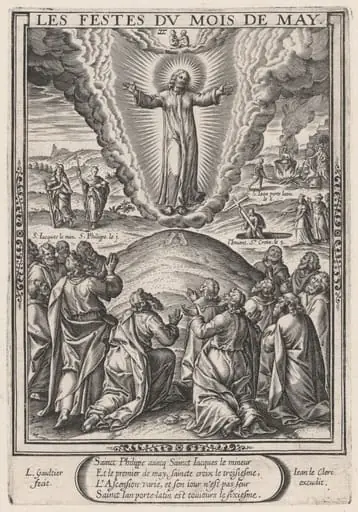 Les Festes du mois de Mai (May: The Ascension)
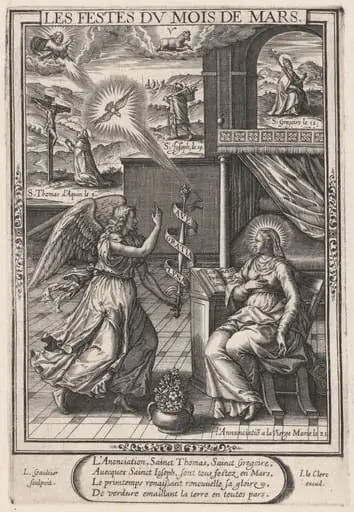 Les Festes du mois de Mars (March: The Annunciation)
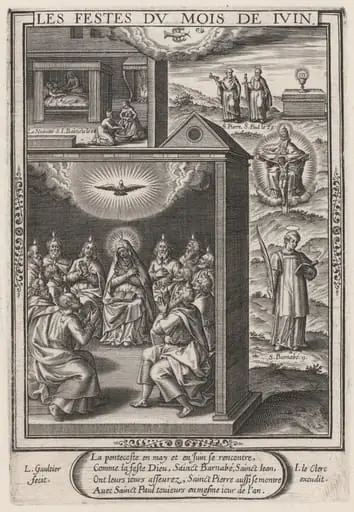 Les Festes du mois de Juin (June: The Pentecost)
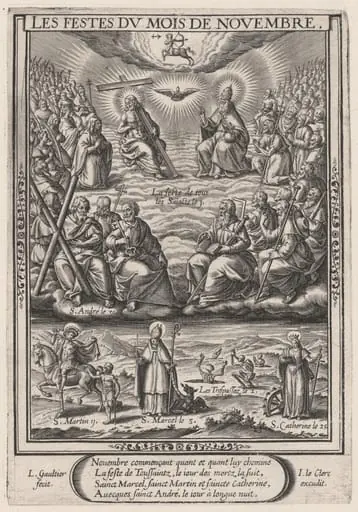 Les Festes du mois de November (November: All Saints)
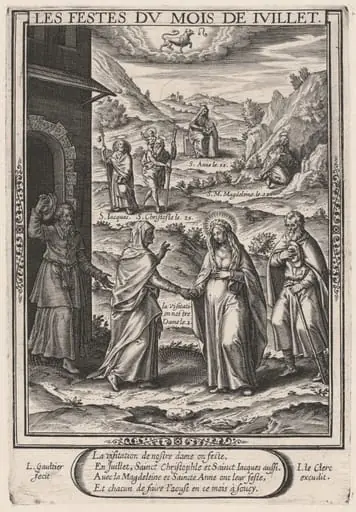 Les Festes du mois de Juillet (July: The Visitation)
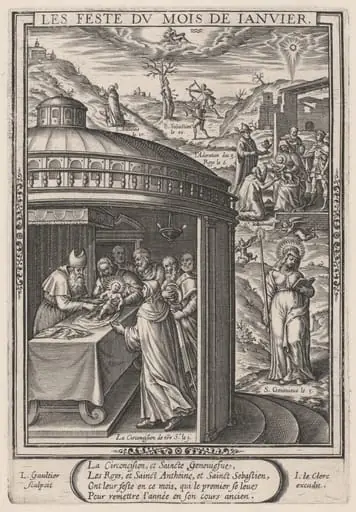 Les Feste du mois de Janvier (January: the Circumcision)
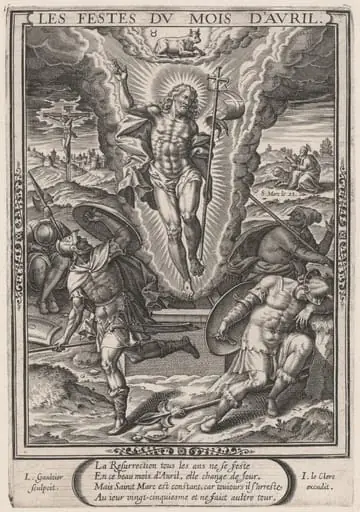 Les Festes du mois d'Avril (April: The Resurrection)
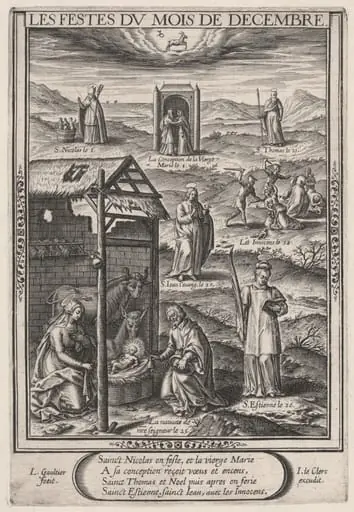 Les Festes du mois de Decembre (December: The Nativity)
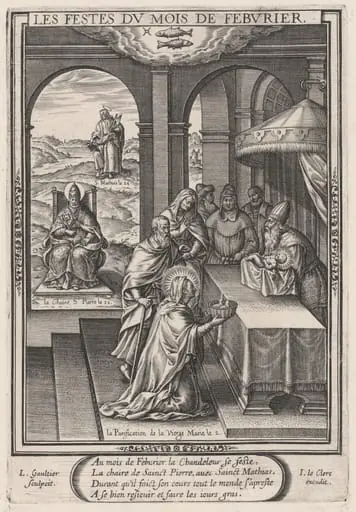 Les Festes du mois de Feburier (February: the Purification of the Virgin)