Artwork
Stephanus Paschinus
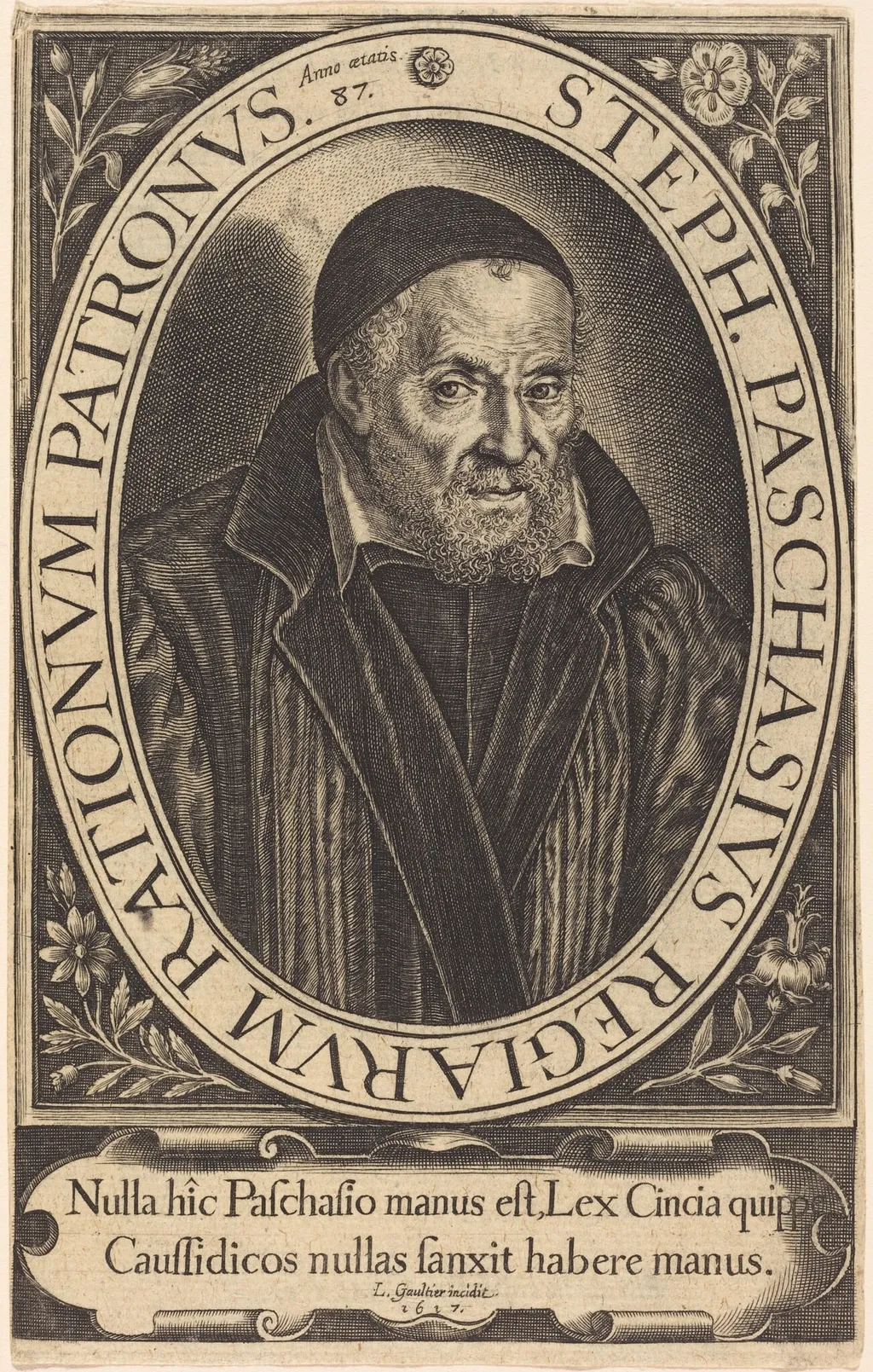
Stephanus Paschinus is an ink print by the Baroque artist Léonard Gaultier. It dates from 1617 and is held in the collection of the National Gallery of Art.
About this work
Overview
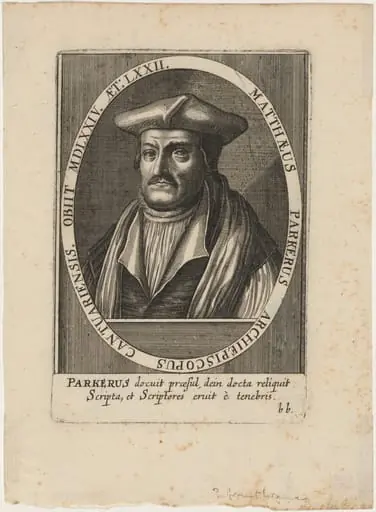
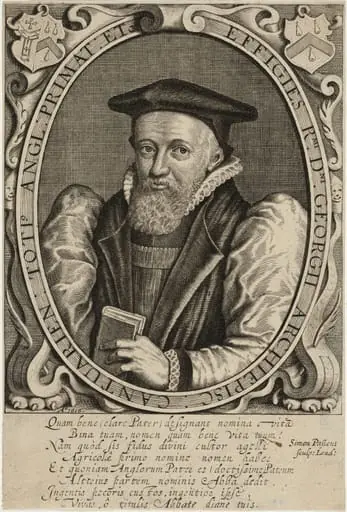
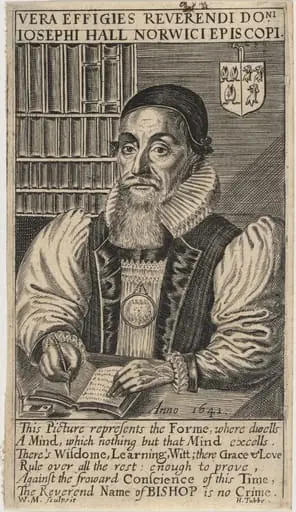
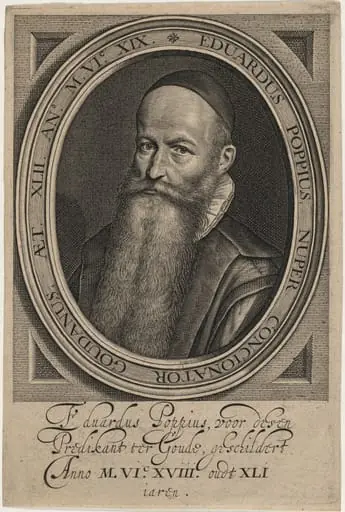
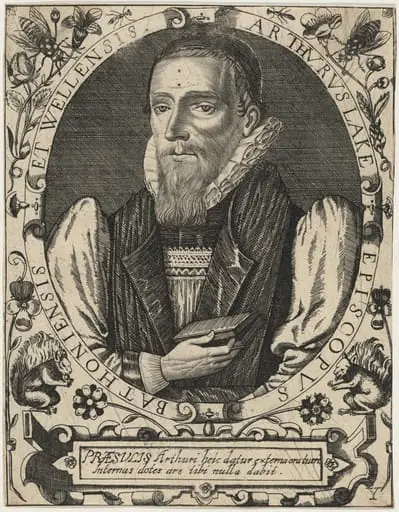
The print titled *Stephanus Paschinus* is a portrait engraving executed in 1617 by French intaglio artist Léonard Gaultier. It presents a bearded gentleman in a dark robe and hat, his gaze directed outward, framed by an oval border bearing his name. The image is rendered in fine, linear detail characteristic of early‑Baroque portraiture.
Subject & Meaning
The sitter, identified by the inscription as Stephanus Paschinus, appears in a solemn pose, suggesting a scholarly or clerical status. The austere expression, formal attire, and direct eye contact convey authority and intellectual gravitas, typical of portrait conventions intended to emphasize the subject’s learned reputation.
Technique & Style
Gaultier employed a pure graver technique, building form through dense cross‑hatching and parallel lines that produce subtle tonal variations. The engraving’s meticulous, almost mechanical precision reflects the influence of contemporary Northern printmakers such as the Wierix brothers and Crispyn van de Passe, while retaining a restrained, formal compositional balance.
History & Provenance
Born circa 1561 in Mainz, Gaultier settled in Paris, where he worked until his death in 1641. The *Stephanus Paschinus* plate was produced from his own design, a practice common in his oeuvre that included numerous portrait prints. The work circulated among collectors of early‑modern prints and remains documented in several European print catalogues.
Context
Created during the early Baroque period, the engraving reflects the era’s heightened interest in realistic representation and detailed surface treatment. While the overall composition remains formal, the intricate hatching aligns with the period’s broader move toward greater visual fidelity in printed portraiture.
Legacy
Gaultier’s prints, including this portrait, exemplify the transition from Renaissance engraving to the more elaborate Baroque aesthetic. The *Stephanus Paschinus* image continues to serve as a reference point for scholars studying the diffusion of Northern European print techniques within French artistic circles of the early seventeenth century.
Artist & collection
Artist
Léonard Gaultier, or, as he sometimes signed himself, Galter, a French engraver, was born at Mainz about 1561, and died in Paris in 1641.