Artwork
James Ussher, Archbishop of Armagh
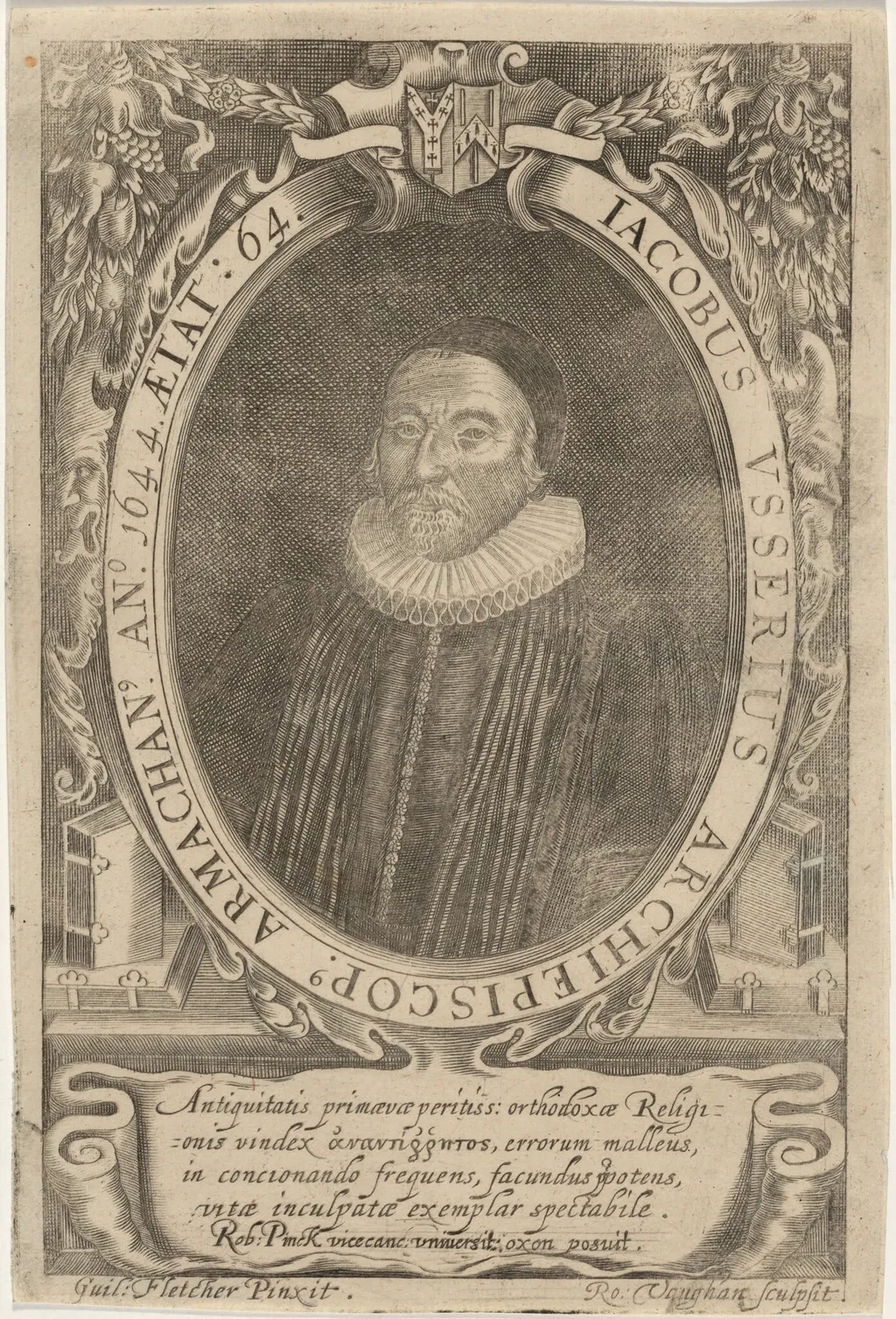
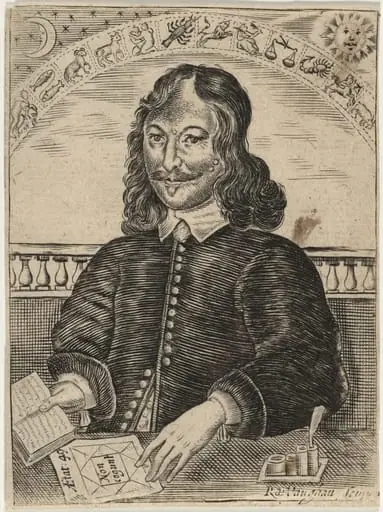
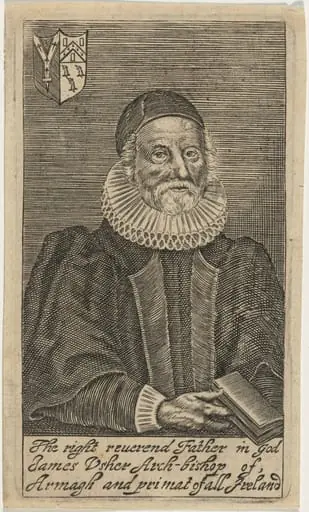
James Ussher, Archbishop of Armagh is an ink print by the Renaissance artist Robert Vaughan. It dates from 1640 and is held in the collection of the National Gallery of Art.
About this work
Overview
Robert Vaughan’s 1640 engraving presents James Ussher, the 17th‑century Archbishop of Armagh, in a formal portrait. Rendered in fine line work, the image captures the cleric’s aged visage, white collar, and flowing beard, set against an understated background that directs attention to his contemplative expression.
Subject & Meaning
The portrait depicts Ussher as a learned ecclesiastical figure, emphasizing his authority and intellectual bearing through a composed gaze and dignified attire. The restrained setting underscores his role as a leading churchman in early‑modern Ireland, inviting viewers to consider his theological influence.
Technique & Style
Vaughan employs delicate hatching and precise line engraving to model the folds of the robe and the texture of the collar. The subtle gradations of tone create a sense of volume, while the minimal background avoids distraction, allowing the intricate facial details to dominate the composition.
History & Provenance
Created in 1640, the print has been preserved within institutional collections and is presently held by the National Gallery of Art in Washington, D.C. Its survival in a major museum setting reflects its value as a documentary image of a prominent religious figure.
Context
Ussher’s tenure as Archbishop coincided with significant religious and political shifts in 17th‑century Ireland. Portraits such as Vaughan’s served both as personal commemoration and as visual affirmation of ecclesiastical authority during a period of contested confessional identities.
Artist & collection

 William Camden
 Diego Sarmiento de Acuna, Count of Gondomar
 Balthasarus ab Herden Med. Doctor
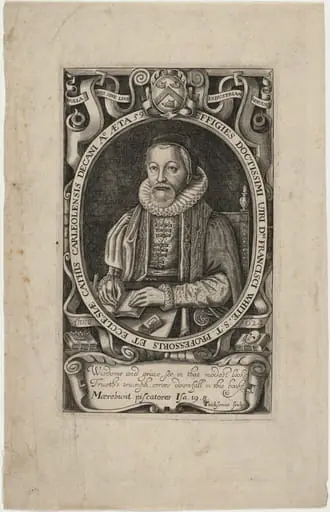 Francis White, Bishop of Ely
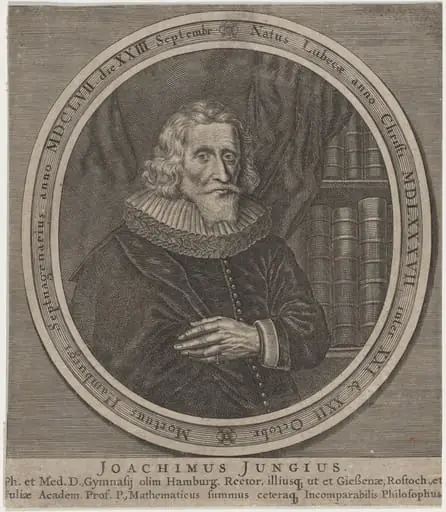 Joachim Jung
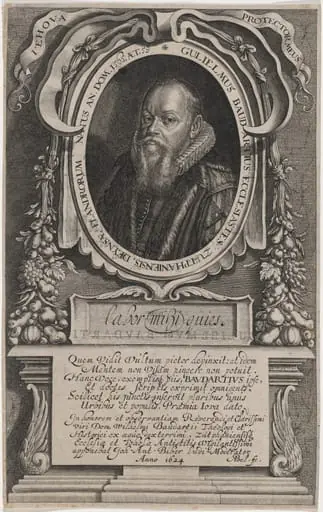 Gulielmus Baudartius, Theologian and Historian
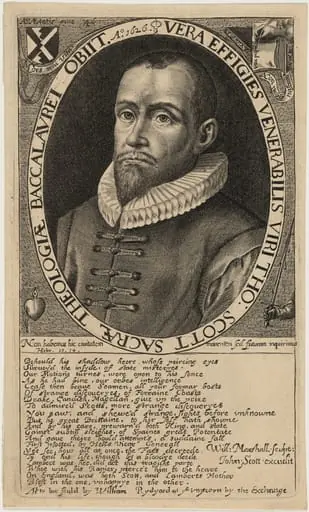 Thomas Scott, B.D., Political Writer
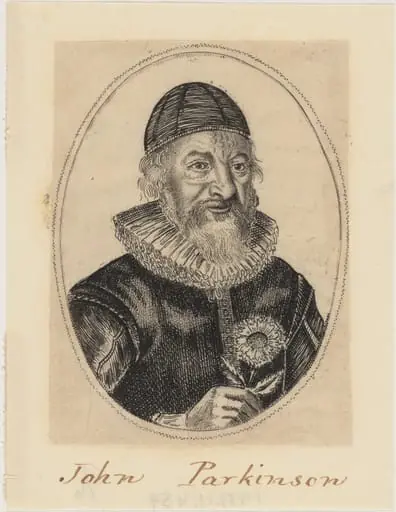 John Parkinson, Apothecary and Herbalist to James I
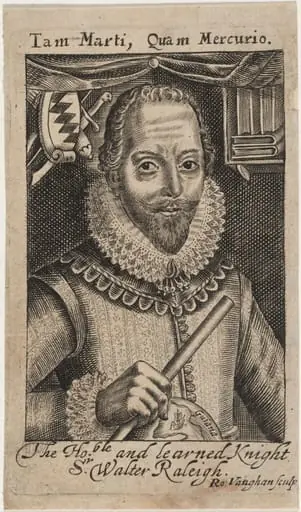
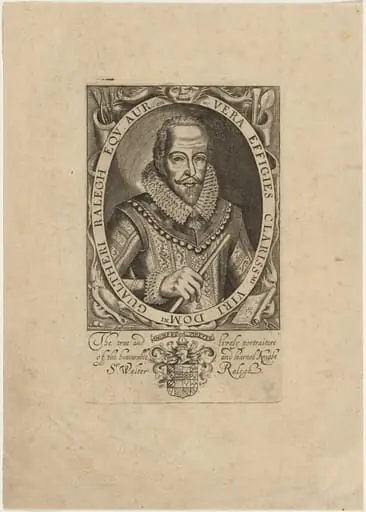 Sir Walter Raleigh
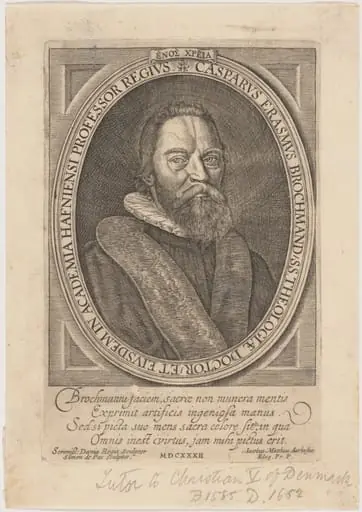 Jesper Rasmussen Brochmand
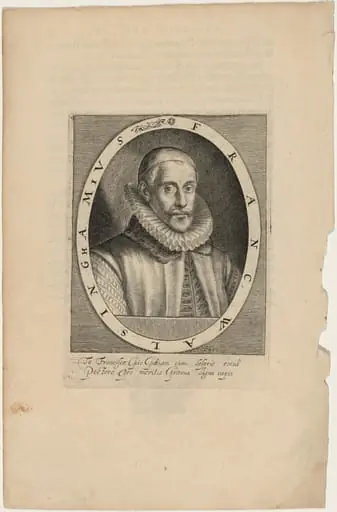 Sir Francis Walsingham
 James Ussher, Archbishop of Armagh