Artwork
The Parable of the Blind Man
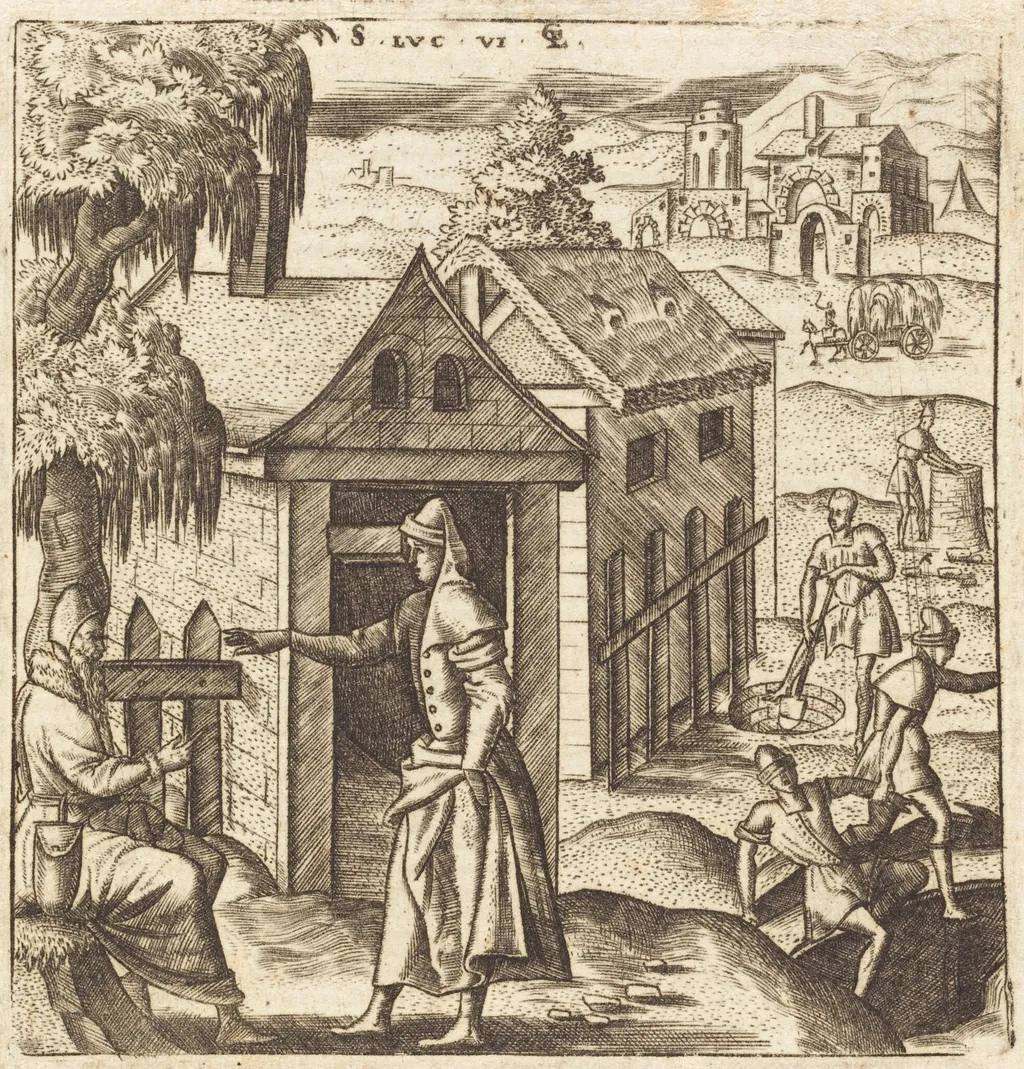
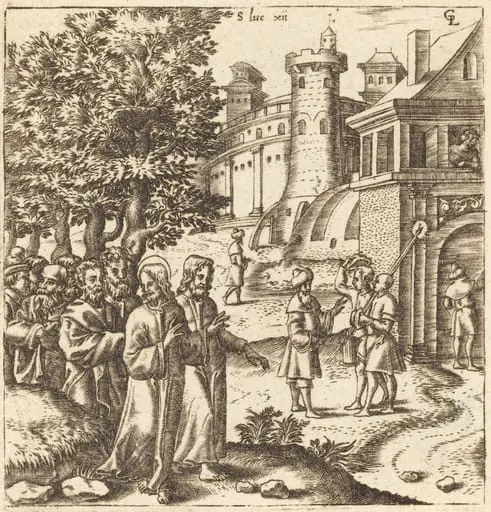
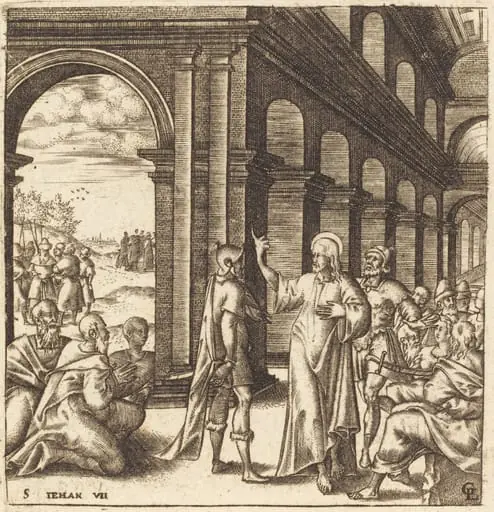
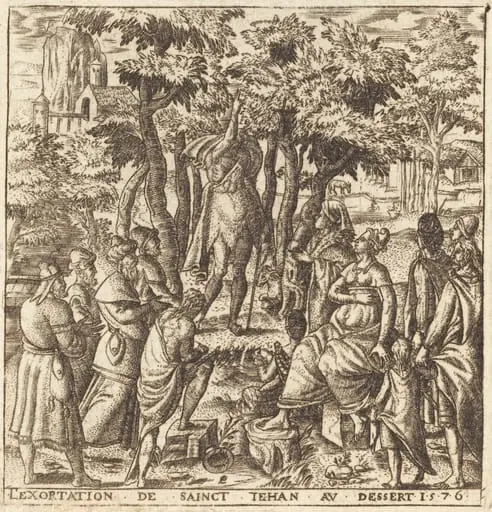
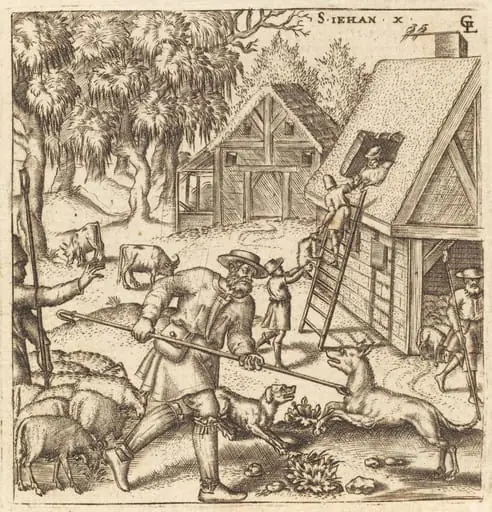
The Parable of the Blind Man is an ink print by the Renaissance artist Léonard Gaultier. It dates from 1578 and is held in the collection of the National Gallery of Art.
About this work
Overview
His work reflects the technical precision favored by French and Flemish engravers of the period, emphasizing clarity and detail over expressive flourish.
Léonard Gaultier, a French engraver active in Paris from the late 16th to early 17th century, produced this print around 1578 as part of a broader tradition of religious imagery in Renaissance printmaking. His work reflects the technical precision favored by French and Flemish engravers of the period, emphasizing clarity and detail over expressive flourish. The image is one of many biblical scenes he rendered for a literate, devotional audience.
Subject & Meaning
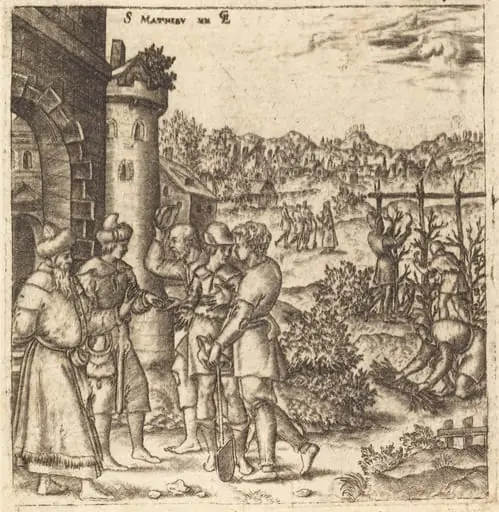
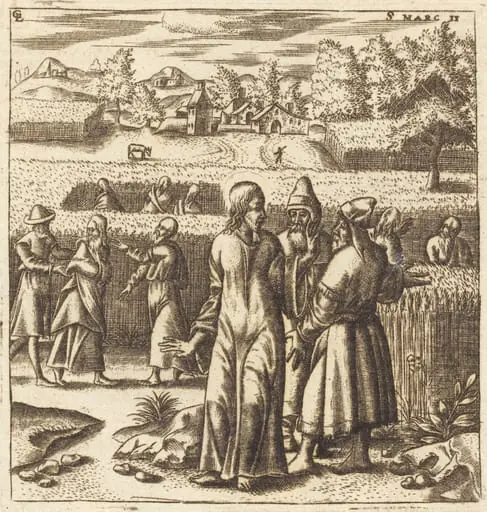
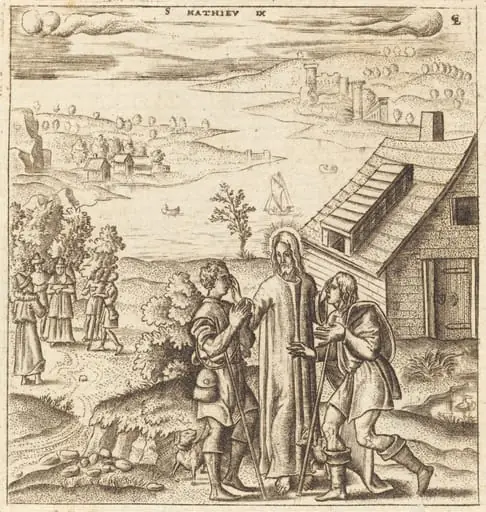
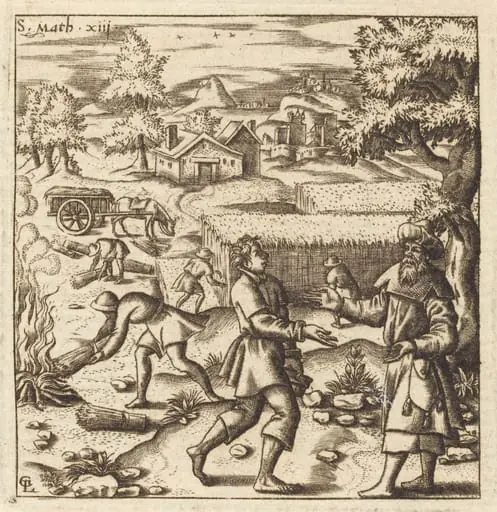
The scene illustrates the biblical parable of blind guides, in which those who lack spiritual insight lead others astray. A blind man, arms extended, is led by a companion who also appears to be visually impaired. Their mutual dependence underscores the theme of misguided leadership. The quiet, unadorned setting focuses attention on the figures’ vulnerability and the moral weight of their journey.
Technique & Style
Gaultier employed fine, controlled lines and layered cross-hatching to model form and suggest depth. The textures of clothing, foliage, and architecture are rendered with meticulous attention, typical of engraving’s capacity for detail. Unlike painterly approaches, the work relies on tonal gradations achieved through line density, creating a restrained realism that emphasizes structure over emotion.
History & Provenance
Gaultier, born in Mainz around 1561, settled in Paris and became a prolific printmaker, often working in collaboration with publishers. His prints circulated widely among collectors and religious institutions. While the exact early ownership of this engraving is undocumented, its survival in multiple institutional collections suggests it was reproduced and distributed during his lifetime and shortly after.
Context
In late 16th-century France, religious prints served both devotional and didactic roles amid ongoing theological tensions. Gaultier’s work aligns with a broader trend of translating biblical narratives into accessible visual forms, influenced by Northern European engravers like the Wierix family. His style reflects a synthesis of French refinement and Flemish precision, catering to an educated urban audience.
Legacy
Gaultier’s prints, including this one, contributed to the dissemination of religious iconography in early modern Europe. Though less celebrated than his contemporaries, his technical consistency and adherence to traditional subjects ensured his work remained in circulation for decades. His engravings are now studied as examples of how printmaking mediated faith and visual culture in Renaissance France.
Artist & collection
Artist
Léonard Gaultier, or, as he sometimes signed himself, Galter, a French engraver, was born at Mainz about 1561, and died in Paris in 1641.