Artwork
The Parable of the Laborers in the Vineyard
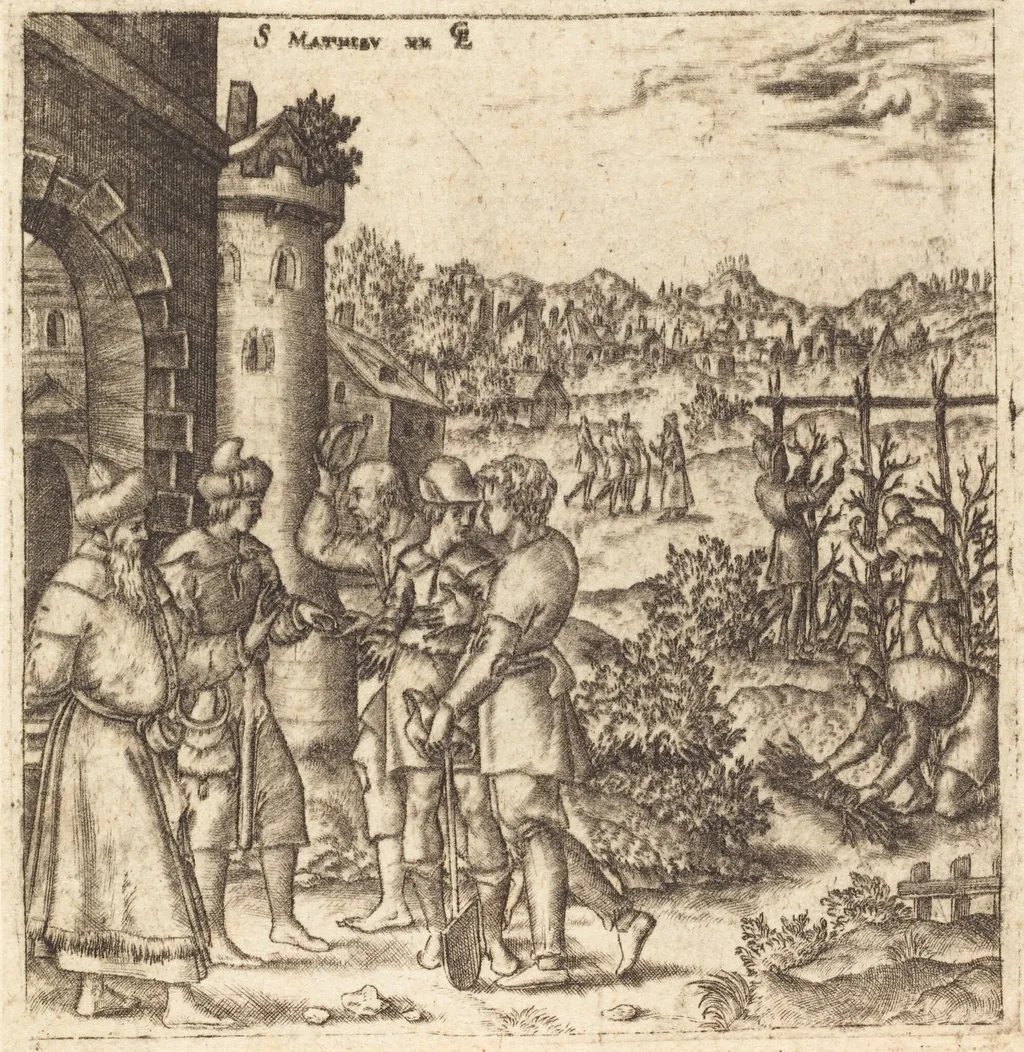
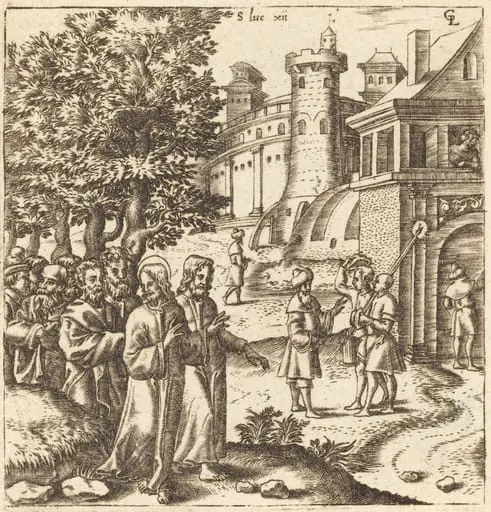
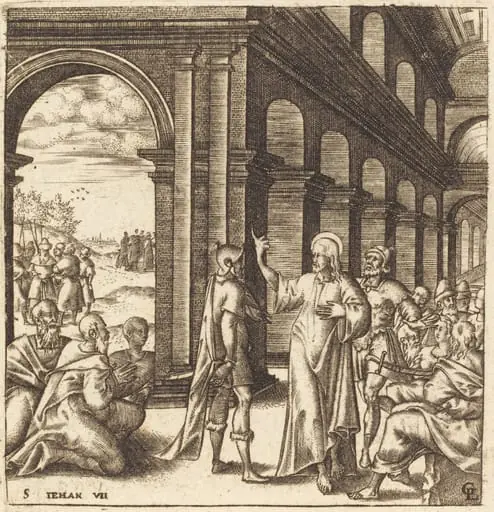
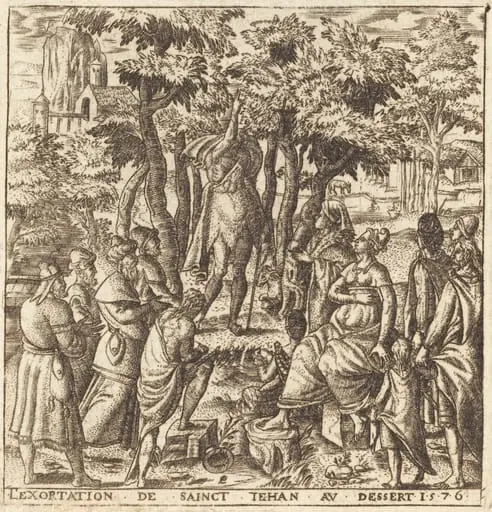
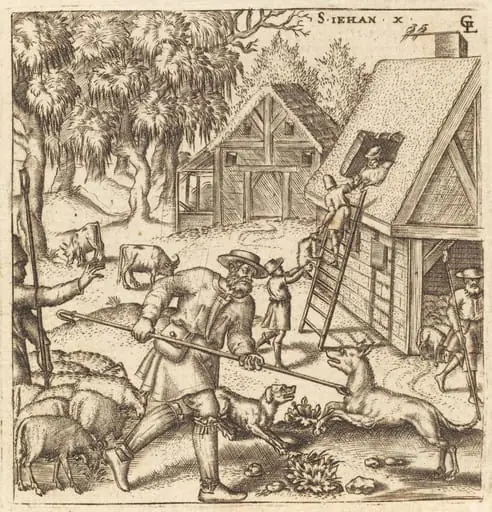
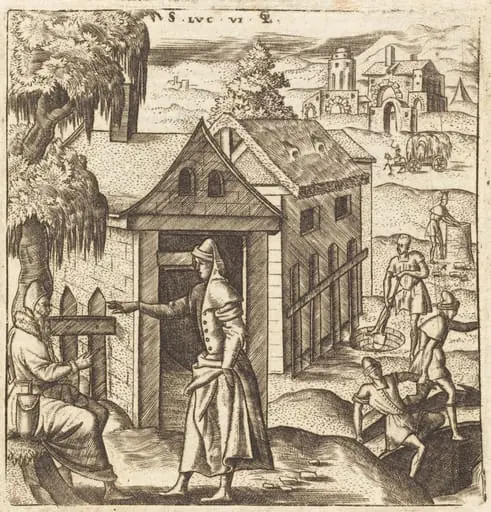
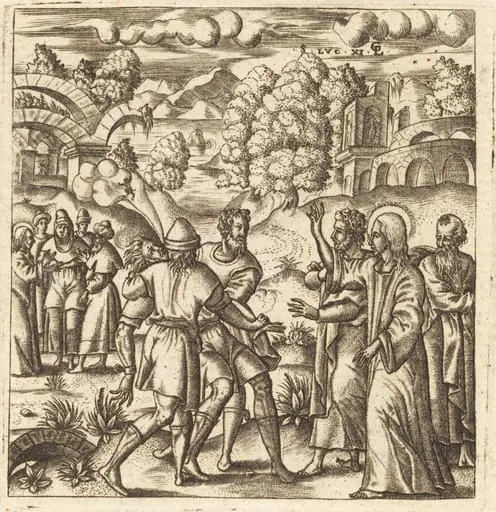
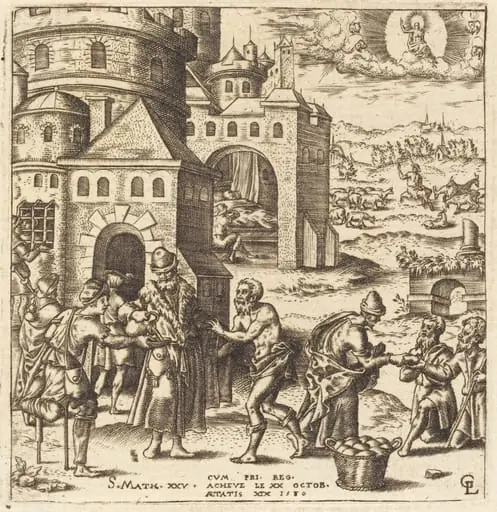
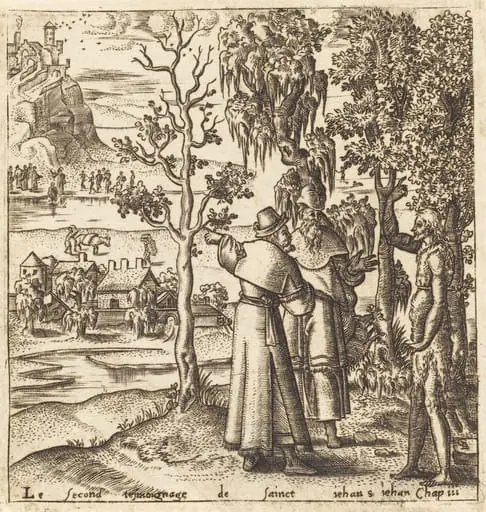
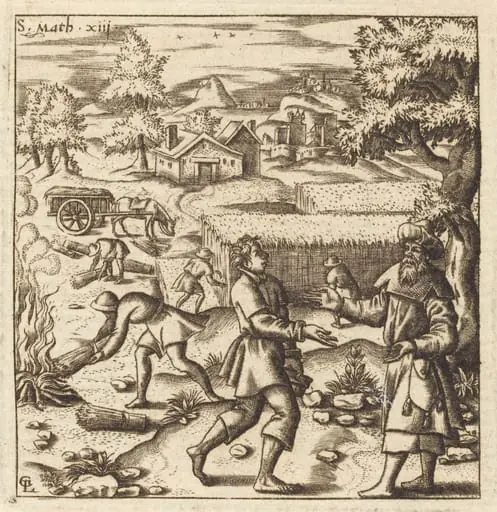
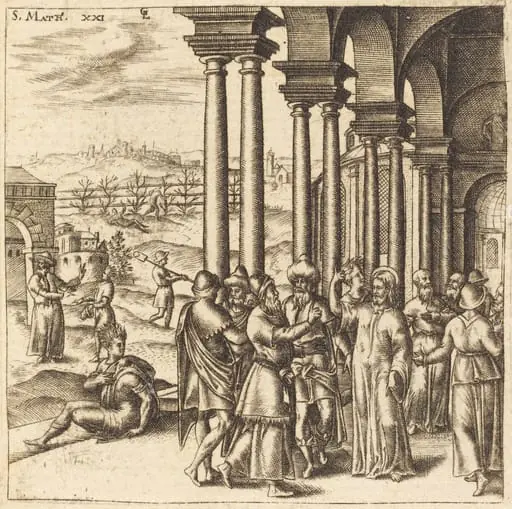
The Parable of the Laborers in the Vineyard is an ink print by the Renaissance artist Léonard Gaultier. It dates from 1578 and is held in the collection of the National Gallery of Art.
About this work
Overview
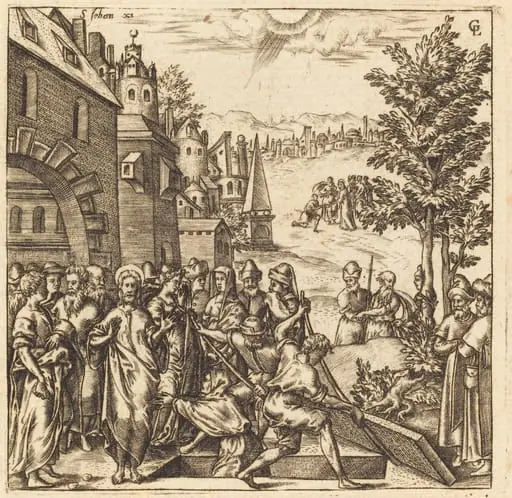
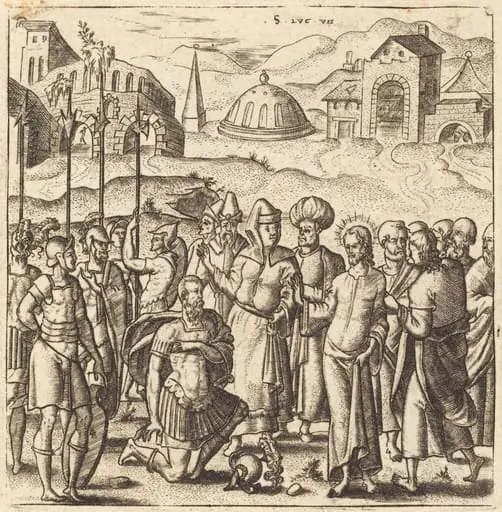
Created circa 1578, this engraving by Léonard Gaultier illustrates the biblical parable of workers paid equally regardless of when they began labor.
Created circa 1578, this engraving by Léonard Gaultier illustrates the biblical parable of workers paid equally regardless of when they began labor. Executed in Paris during the late Renaissance, the print exemplifies Gaultier’s disciplined approach to engraving, using fine lines and controlled shading to render a narrative scene with clarity and restraint. His technique reflects the dominant printmaking traditions of northern Europe at the time.
Subject & Meaning
The scene depicts Christ’s parable from the Gospel of Matthew, where vineyard owners hire laborers at various hours yet pay each the same wage, symbolizing divine grace beyond human notions of merit. Gaultier presents the moment of payment in the foreground, contrasting the varied postures of workers with the calm authority of the landowner. The composition underscores themes of equity and humility, central to the parable’s moral message.
Technique & Style
Gaultier employed traditional engraving tools to carve precise, interwoven lines into a copper plate, achieving subtle tonal gradations without wash or color. The figures and landscape are rendered with meticulous detail—tools, clothing, and architecture defined by fine hatching and cross-contouring. The style is orderly and restrained, avoiding dramatic flair in favor of structural clarity, aligning with the formal aesthetics of French engraving in the late 16th century.
History & Provenance
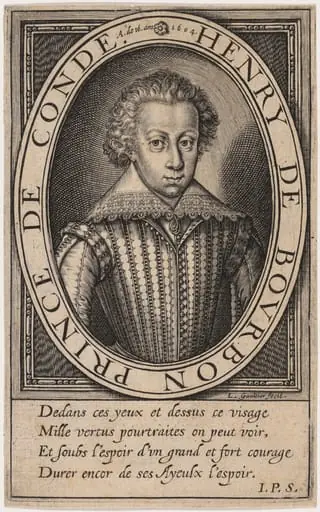
Léonard Gaultier, born in Mainz around 1561 and active in Paris until his death in 1641, produced hundreds of religious and portrait engravings for a broad market. This print belongs to a series of biblical illustrations circulated widely in France and beyond. Though specific early ownership records are scarce, its technical quality and subject matter suggest it was intended for private devotion or educational use among literate patrons.
Context
In late 16th-century France, religious imagery remained central to print culture despite growing tensions of the Reformation. Gaultier’s work responded to demand for accessible devotional content, often modeled on Flemish and German precedents. His adherence to detailed, linear engraving placed him within a network of printmakers like the Wierix and van de Passe families, who helped disseminate religious narratives through reproducible images.
Legacy
Gaultier’s engravings, including this one, contributed to the standardization of biblical illustration in early modern Europe. While not widely celebrated today, his precise technique influenced regional printmaking practices and preserved visual interpretations of scripture for generations. His work remains a reference for understanding how religious stories were translated into the visual language of print before the rise of mass media.
Artist & collection
Artist
Léonard Gaultier, or, as he sometimes signed himself, Galter, a French engraver, was born at Mainz about 1561, and died in Paris in 1641.