Artwork
Parable of Weeds in the Wheat
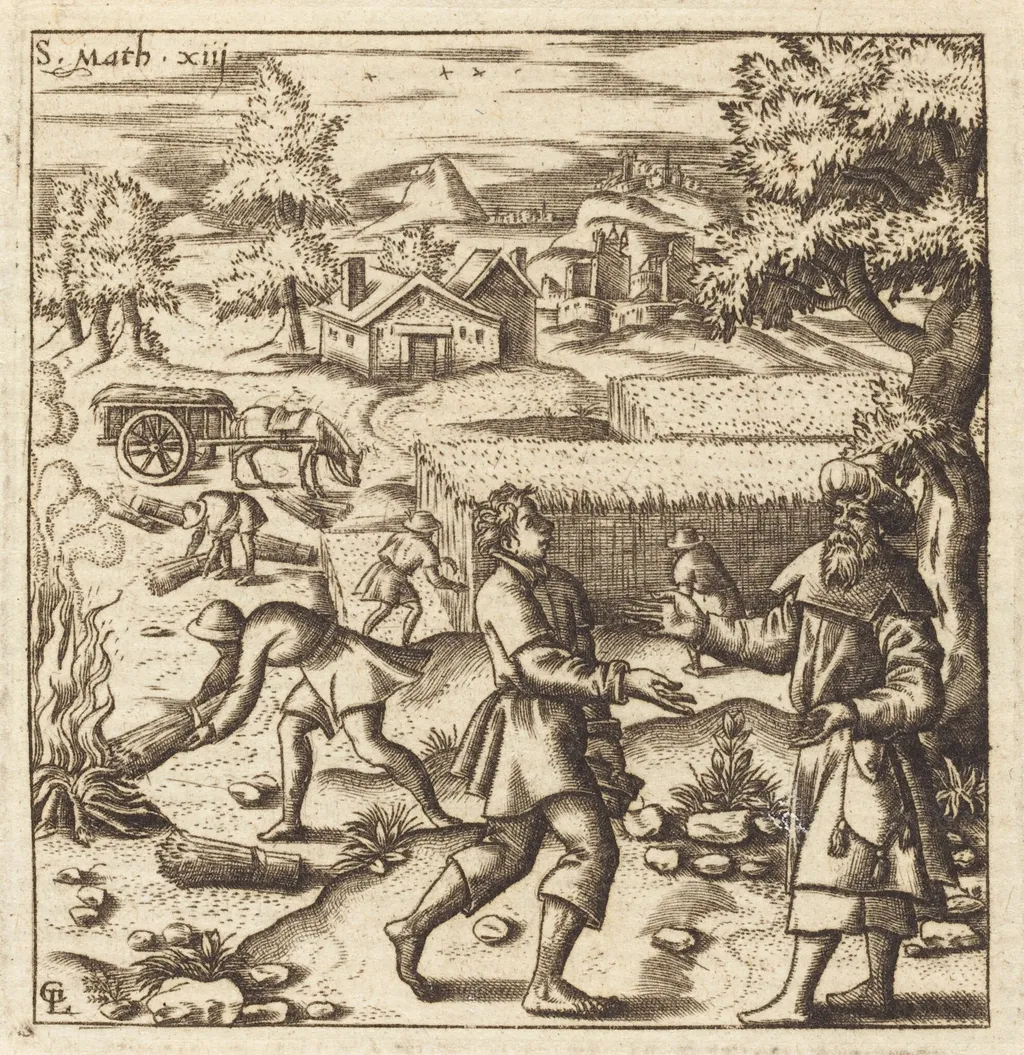
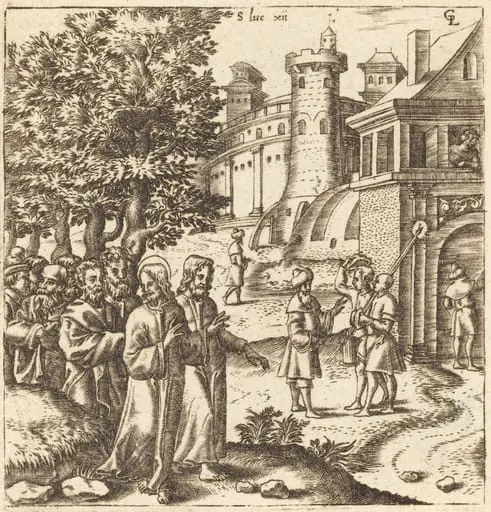
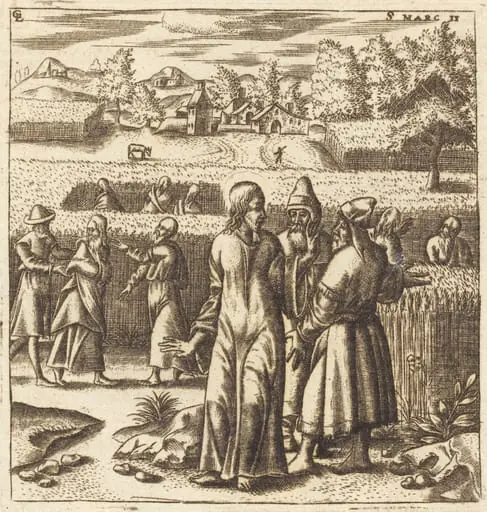
Parable of Weeds in the Wheat is an ink print by the Renaissance artist Léonard Gaultier. It dates from 1578 and is held in the collection of the National Gallery of Art. Created circa 1578, this copperplate engraving presents a divided agricultural scene that visualizes a biblical parable.
About this work
Overview
Created circa 1578, this copperplate engraving presents a divided agricultural scene that visualizes a biblical parable. One half of the field is populated by orderly wheat stalks, while the opposite side is overrun with tangled weeds. A figure in a broad-brimmed hat gestures toward the contrast, underscoring the moral division depicted in the image.
Subject & Meaning
The composition draws on the Gospel of Matthew’s teaching about allowing the righteous and the wicked to grow together until the final harvest, when they will be separated. By juxtaposing the cultivated grain with the invasive weeds, the print conveys a visual allegory of divine judgment and the eventual sorting of souls.
Technique & Style
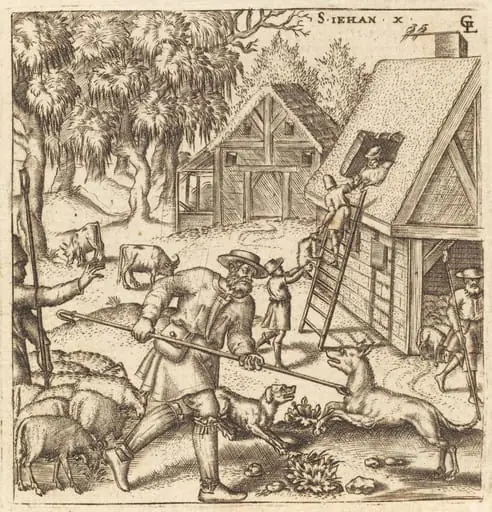
Executed with a burin, the artist employs dense cross‑hatching to model light and shadow, giving the foliage a tactile sense of volume. The lines are tight and somewhat rigid, reflecting the influence of the Wierix workshop and the early modern German‑French engraving tradition. The overall effect is a precise yet formal rendering of the narrative.
History & Provenance
The work is attributed to Léonard Gaultier, a French engraver of German origin who worked in Paris from the late sixteenth to early seventeenth century. Gaultier’s career was marked by a prolific output of religious scenes and portraiture, most of which he designed and cut himself. The print likely circulated among devotional book illustrations and private collections during his lifetime.
Artist & collection
Artist
Léonard Gaultier, or, as he sometimes signed himself, Galter, a French engraver, was born at Mainz about 1561, and died in Paris in 1641.