Artwork
David Beheads Goliath
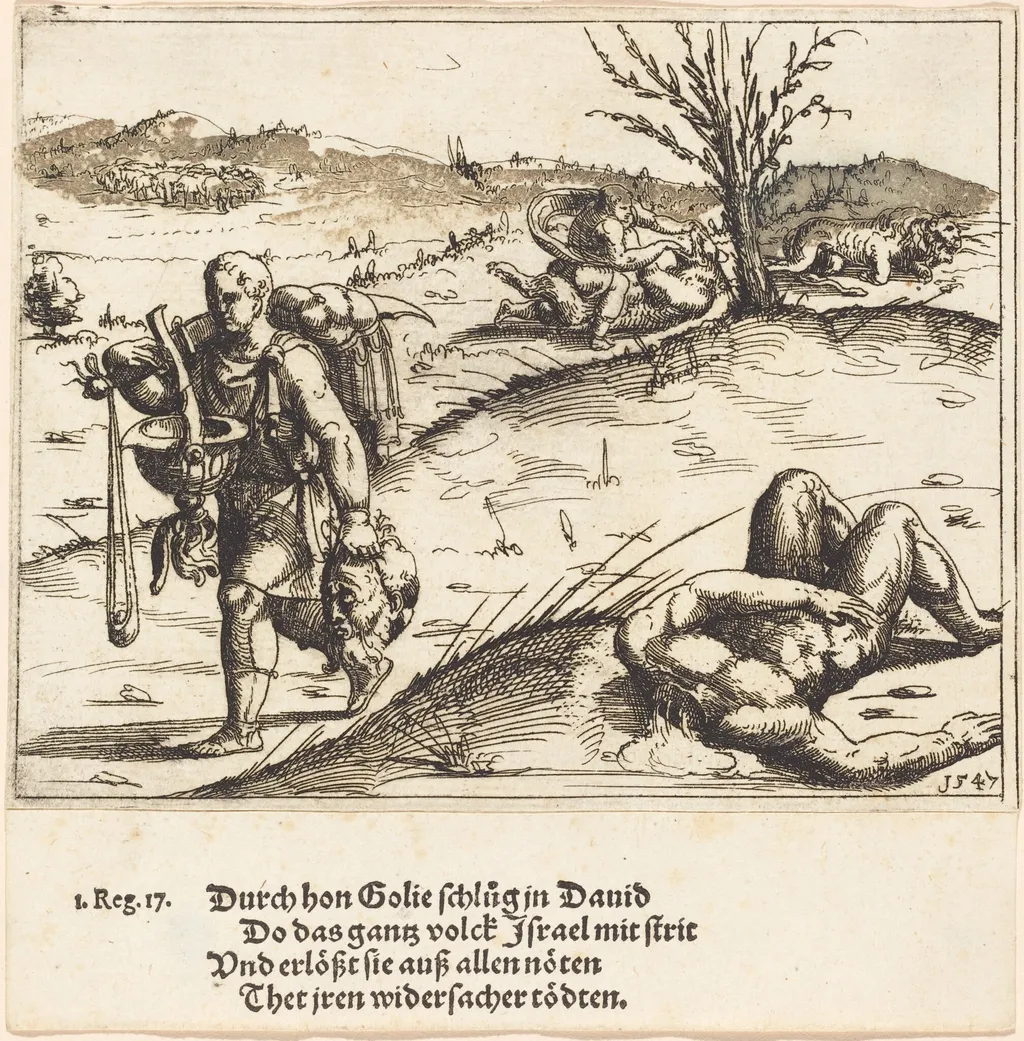
David Beheads Goliath is an ink print by the Renaissance artist Augustin Hirschvogel. It dates from 1547 and is held in the collection of the National Gallery of Art.
About this work
Overview
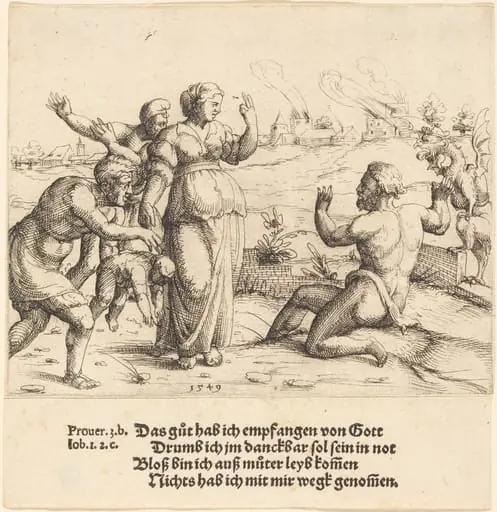
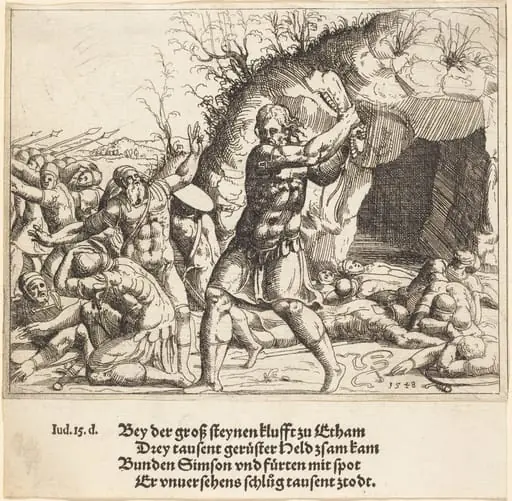
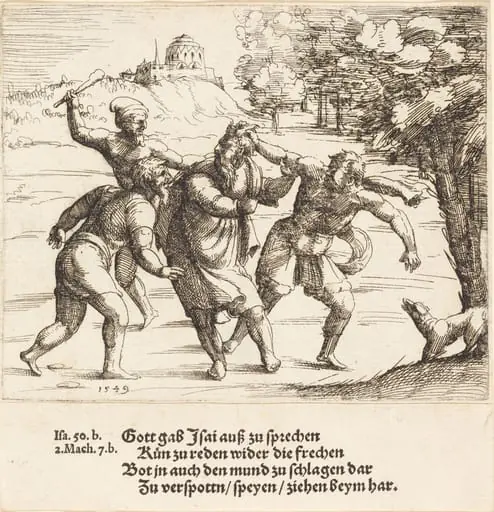
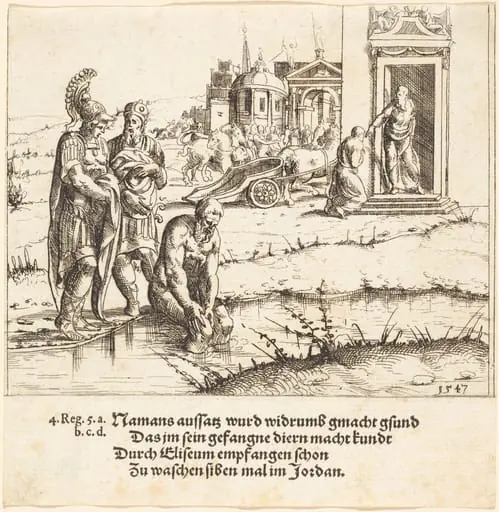
David Beheads Goliath is an etching created by Augustin Hirschvogel in 1547. It is a black-and-white print that showcases the artist's skill in capturing dramatic scenes.
Subject & Meaning
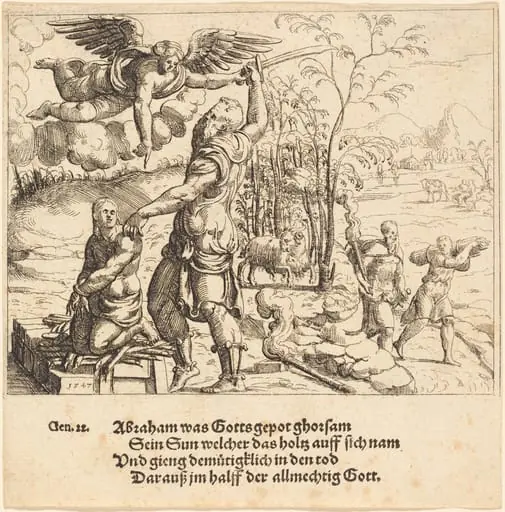
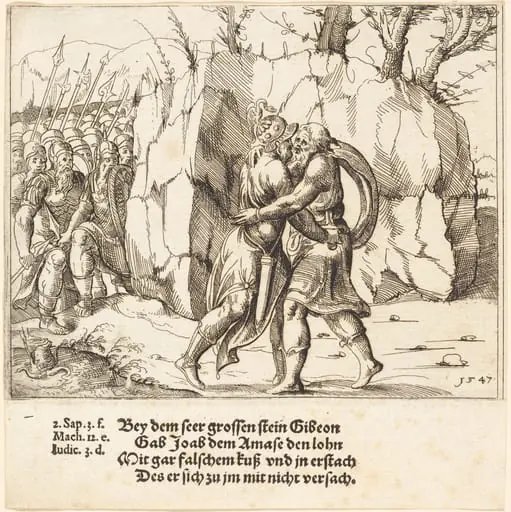
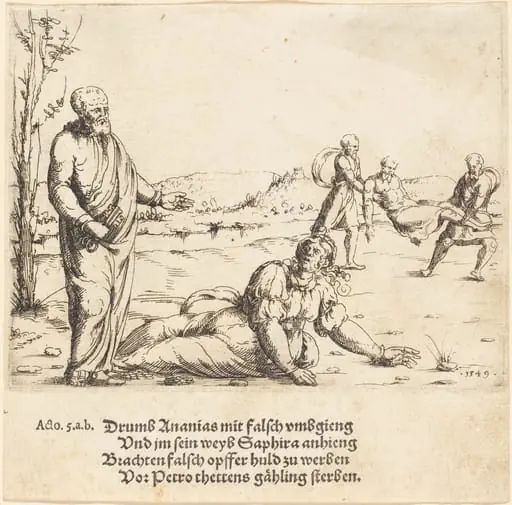
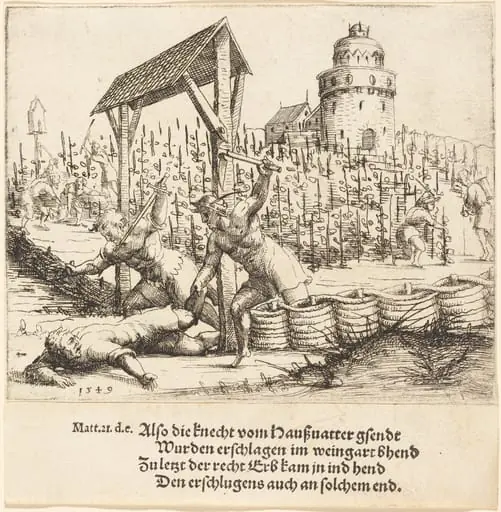
The etching depicts the biblical scene of David beheading Goliath, with a German inscription at the bottom describing the moment of victory. The image conveys a sense of action and drama through its composition and use of line.
Technique & Style
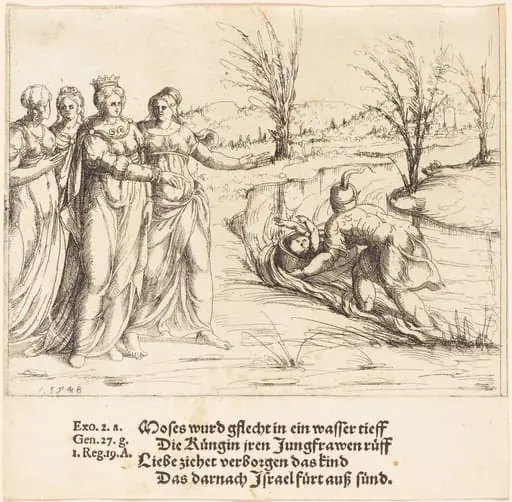
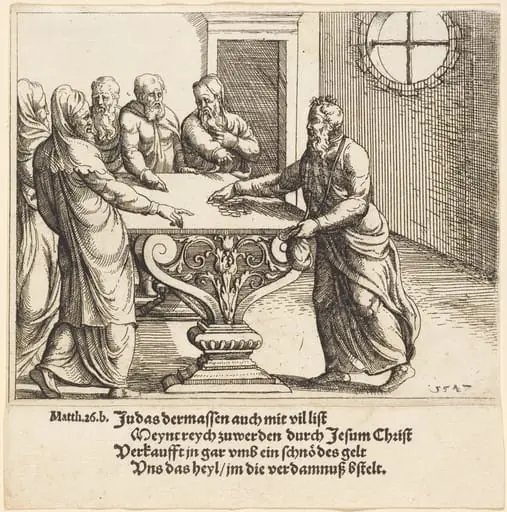
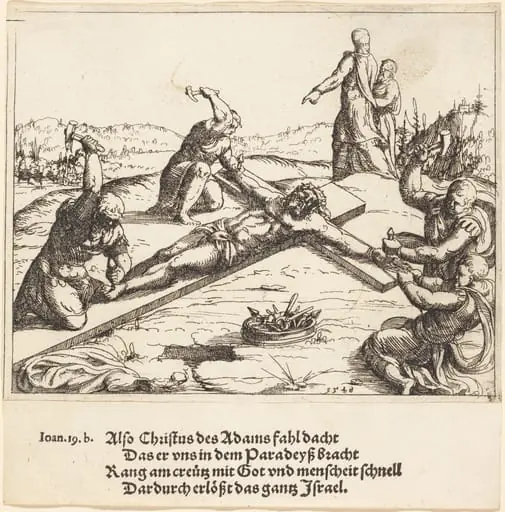
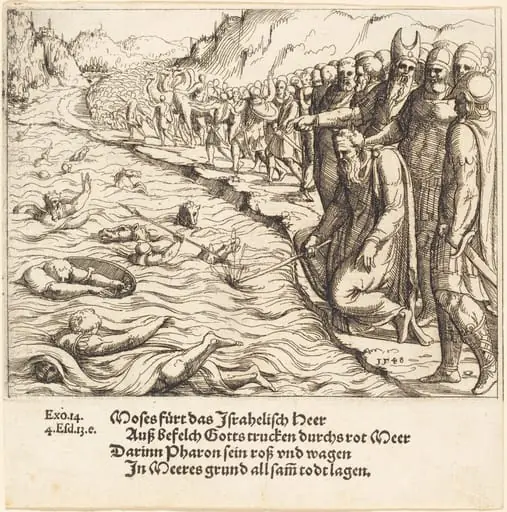
Hirschvogel's use of sharp lines and detailed rendering creates a dynamic scene, characteristic of his work as an etcher. The print is associated with the Danube School, known for its landscapes and expressive use of line.
History & Provenance
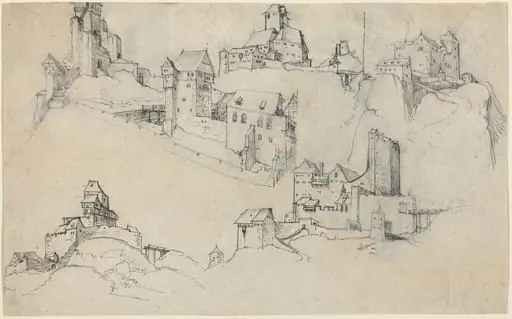
Created in 1547, David Beheads Goliath is part of a body of work by Hirschvogel that includes thirty-five small landscape etchings produced between 1545 and 1549.
Artist & collection
Artist
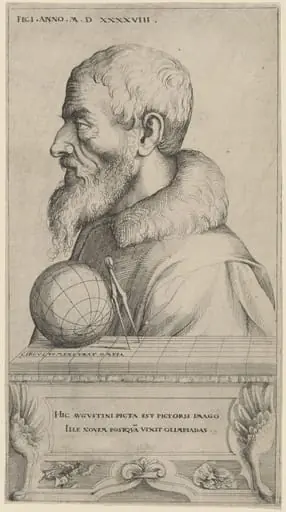
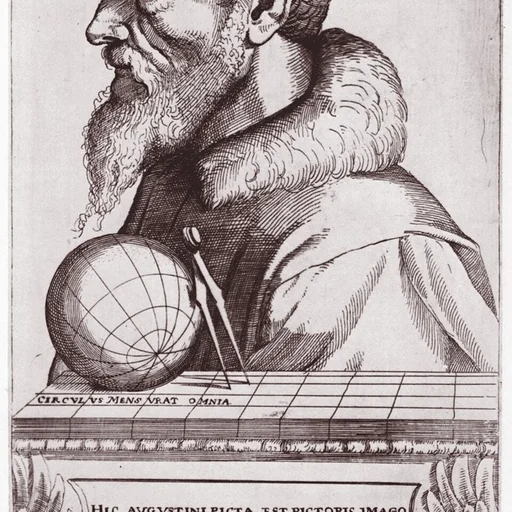
Augustin Hirschvogel (1503 – February 1553) was a German artist, mathematician, and cartographer known primarily for his etchings.