Artwork
Turkish sultans, sultanas and other historical figures
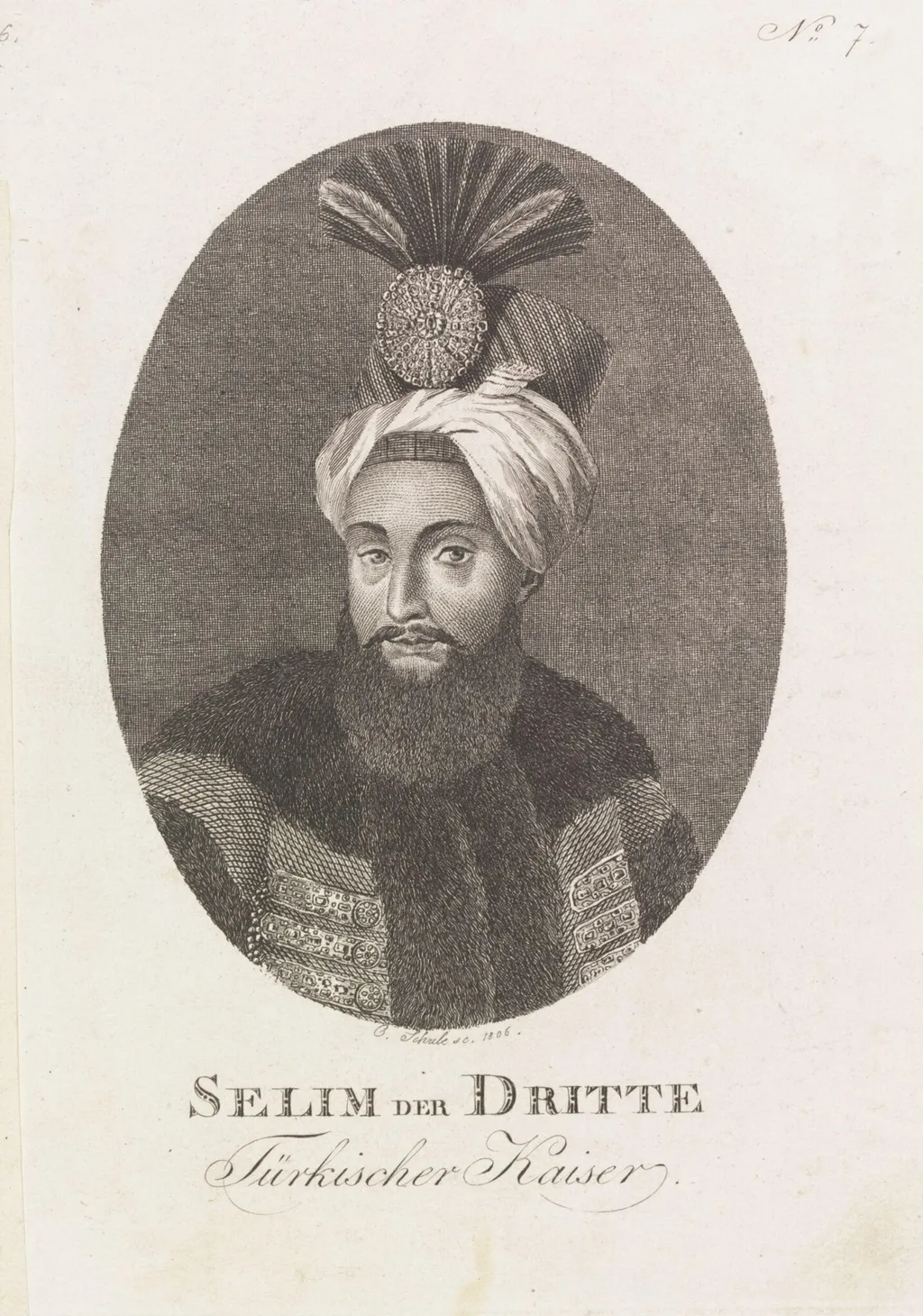
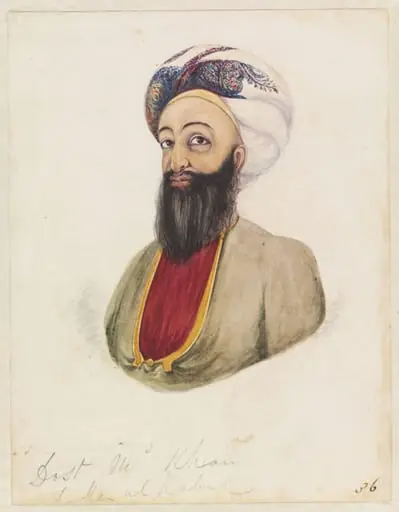
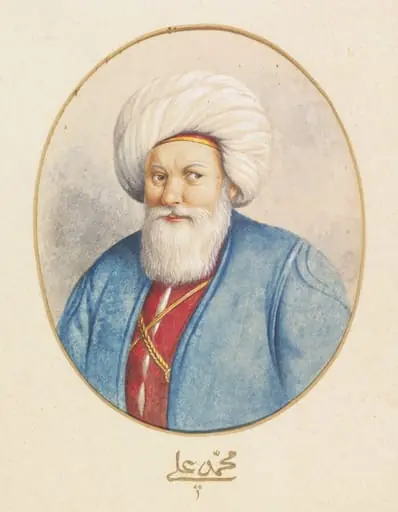
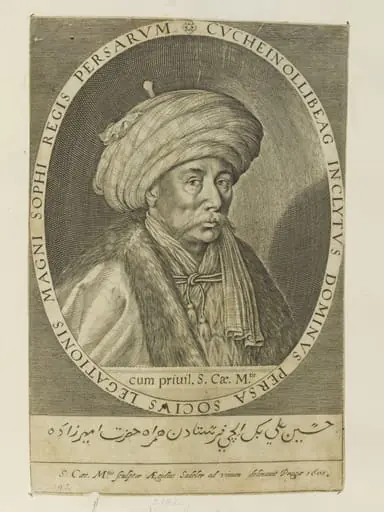
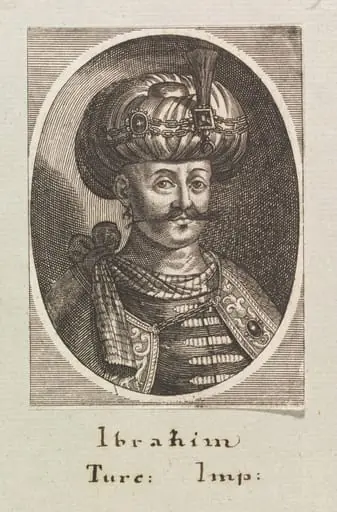
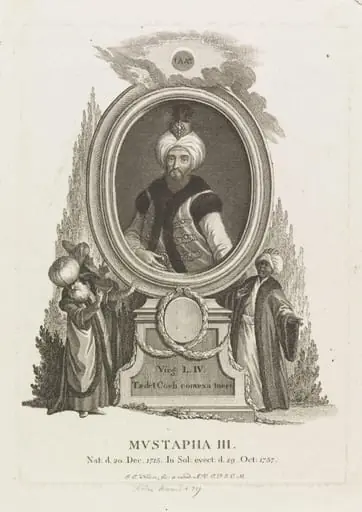
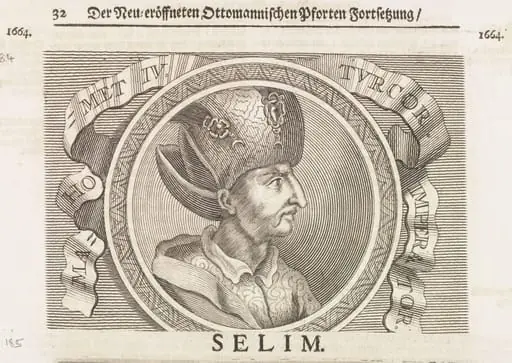
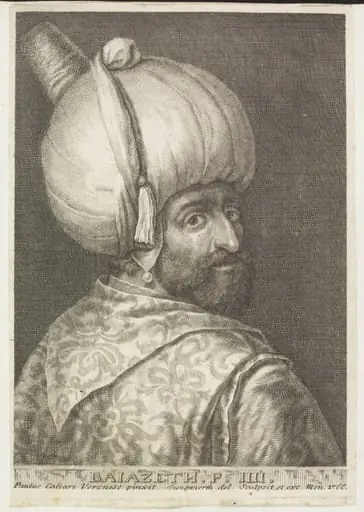
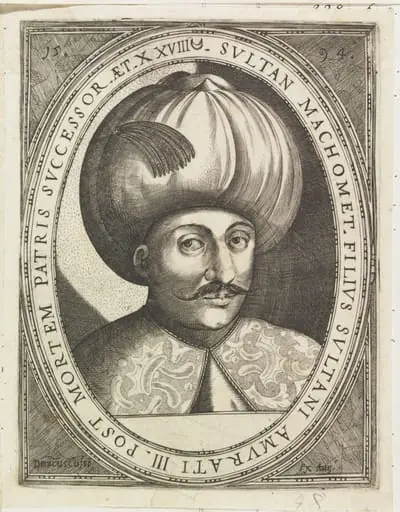
Turkish sultans, sultanas and other historical figures is a print by the Romanticist artist Georg Christian Schule. It dates from 1806 and is held in the collection of the Victoria and Albert Museum.
About this work
The text below says "Selim der Dritte Türkischer Kaiser," which means this is likely a print of a historical Ottoman leader.
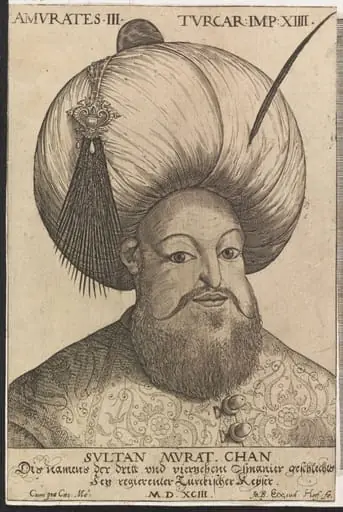
This is a black-and-white portrait of a man with a thick beard and a tall, decorated hat. His fur collar is detailed, and his head is framed by a round border. The print looks old, with fine lines showing the texture of his clothes and hair.
The text below says "Selim der Dritte Türkischer Kaiser," which means this is likely a print of a historical Ottoman leader. The artist, Georg Christian Schule, made it in 1806.
Look up the Victoria and Albert Museum to see more prints like this.
Overview
Georg Christian Schule’s 1806 print presents an assemblage of Ottoman dignitaries, centering on Sultan Selim III. The work is executed in black‑and‑white line engraving, featuring a detailed portrait of the sultan framed by a circular border. An inscription identifies the figure as “Selim der Dritte Türkischer Kaiser,” confirming the subject’s identity as the third Ottoman ruler named Selim.
Subject & Meaning
The composition groups Selim III with other members of the Ottoman court, including sultanas and notable historical personalities, suggesting a visual record of the empire’s elite during the early nineteenth century. By foregrounding the sultan’s regal attire—a tall, ornamented hat and fur collar—the image emphasizes his authority and the ceremonial aspects of Ottoman rulership.
Technique & Style
Schule employed fine linear engraving to render textures such as the sultan’s beard, the sheen of his hat, and the plushness of the fur collar. The delicate cross‑hatching creates tonal variation, while the circular frame isolates the figure, a common device in portrait prints of the period that directs focus to the sitter’s likeness.
History & Provenance
Created in 1806, the print reflects contemporary European interest in Ottoman subjects. It has been catalogued within collections of European prints documenting foreign courts, and examples are held by institutions such as the Victoria and Albert Museum, which preserve similar works for study of cross‑cultural representation in early nineteenth‑century printmaking.
Artist & collection
Artist

 Turkish sultans, sultanas and other historical figures
 Turkish sultans, sultanas and other historical figures
 Turkish sultans, sultanas and other historical figures
 Turkish sultans, sultanas and other historical figures
 Turkish sultans, sultanas and other historical figures
 Turkish sultans, sultanas and other historical figures
 Turkish sultans, sultanas and other historical figures
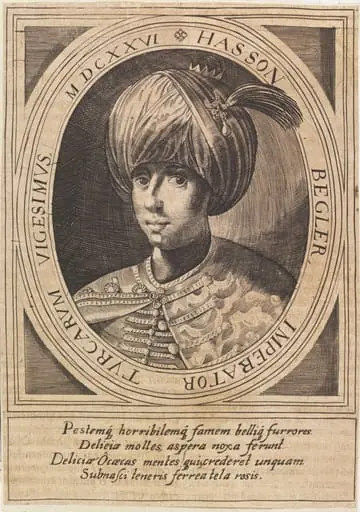 Turkish sultans, sultanas and other historical figures
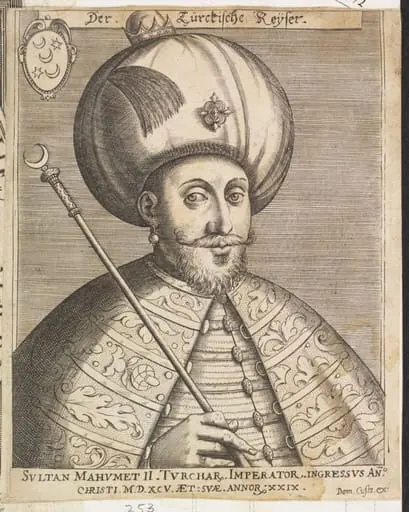 Turkish sultans, sultanas and other historical figures
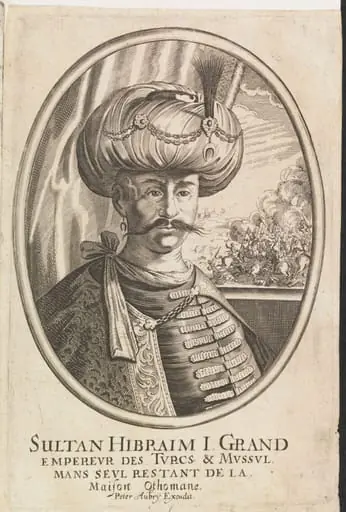 Turkish sultans, sultanas and other historical figures
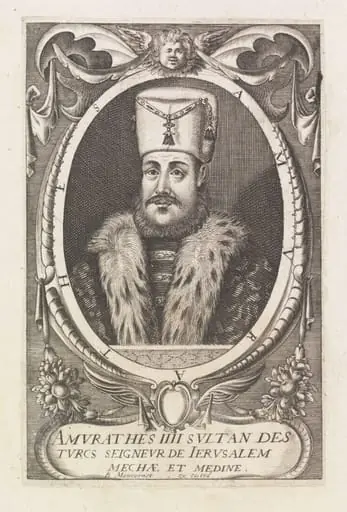 Turkish sultans, sultanas and other historical figures
 Turkish sultans, sultanas and other historical figures