Artwork
Husayn `Ali Beg
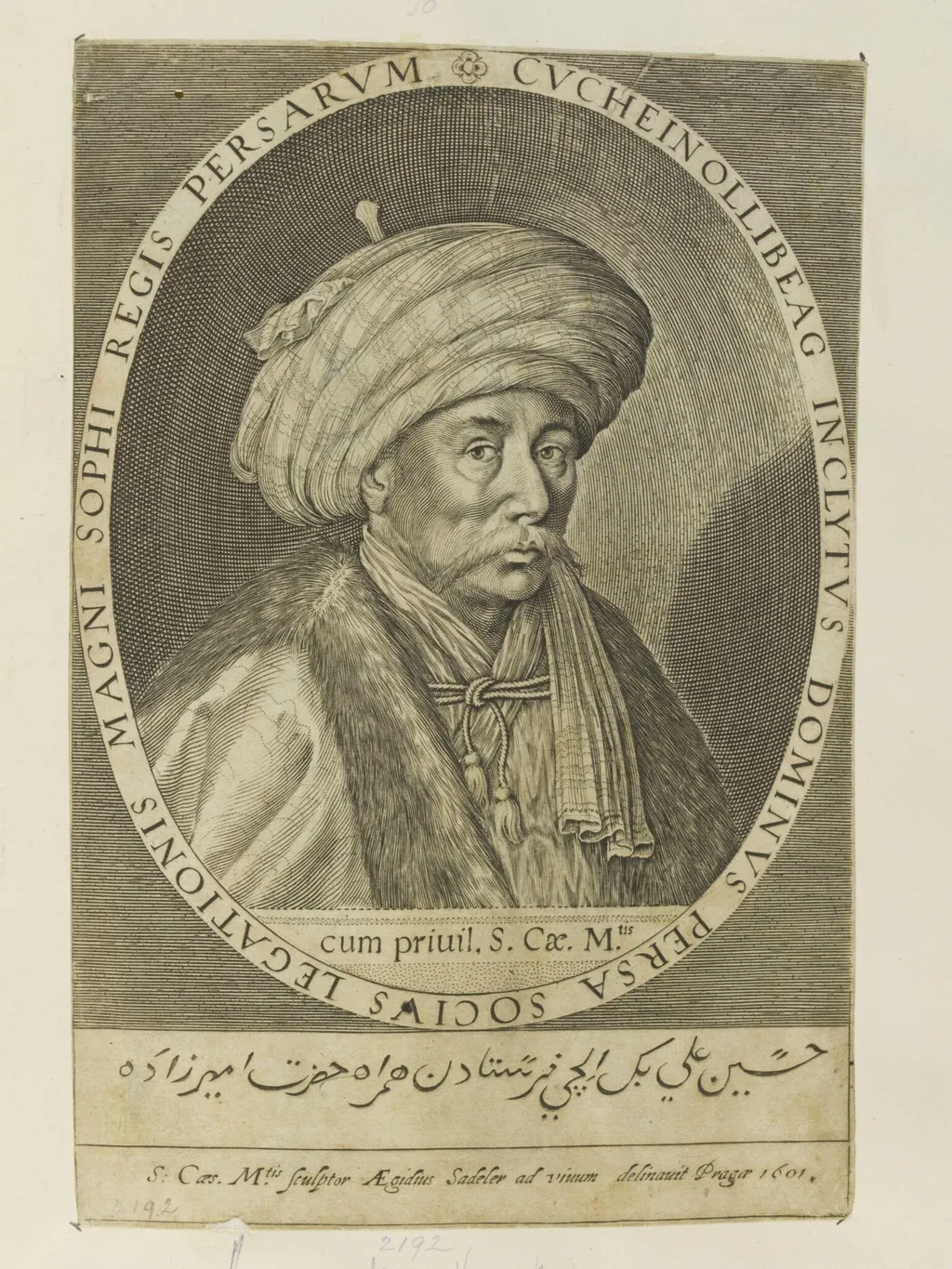
Husayn `Ali Beg is a print by the Baroque artist Aegidius Sadeler II. It dates from 1605 and is held in the collection of the Victoria and Albert Museum.
About this work
Overview
The print reflects the cross-cultural exchange between Persian and European artistic traditions in the early 17th century.
This black-and-white engraving portrays Husayn `Ali Beg, a diplomatic envoy from Safavid Iran to the Habsburg court. Executed on paper, the portrait is framed by a decorative border containing Latin and Arabic inscriptions. The composition is austere, with no background details, focusing attention on the figure’s attire and expression. The print reflects the cross-cultural exchange between Persian and European artistic traditions in the early 17th century.
Subject & Meaning
Husayn `Ali Beg served as an ambassador for Shah `Abbas I, representing Safavid Persia at the court of Emperor Rudolph II. His dignified posture and formal attire signal his high status. The Latin inscription, translating to 'Illustrious Lord of Persia,' underscores his role as a representative of a powerful non-European state. The inclusion of Arabic script reinforces his cultural identity, blending Persian heritage with European diplomatic conventions.
Technique & Style
The engraving employs fine, controlled lines to model form through subtle chiaroscuro, particularly in the folds of the fur-lined hat and the high collar. The shading creates volume without color, relying on tonal gradation to suggest texture and depth. The decorative border, with its Latin and Arabic texts, functions both as framing and as an informational layer, typical of early modern portraiture meant to convey authority and erudition.
History & Provenance
The print was likely produced in Europe during or shortly after Husayn `Ali Beg’s diplomatic mission to Prague around 1600. Its existence in multiple impressions, including one at the Metropolitan Museum of Art, suggests it was circulated among collectors or diplomatic circles. The work may have been commissioned to document or commemorate the ambassador’s presence in the Habsburg court, serving as a visual record of cross-cultural contact.
Context
In the early 1600s, Safavid Persia sought alliances with European powers to counter Ottoman influence. Diplomatic missions like Husayn `Ali Beg’s were accompanied by exchanges of gifts, letters, and visual representations. This engraving reflects how European printmakers adapted their techniques to depict foreign dignitaries, blending Renaissance portraiture with the symbolic language of Persian courtly identity.
Legacy
The print remains a rare visual document of early modern Persian-European diplomacy. Its preservation in major collections highlights its value as an artifact of cultural encounter. While not widely known today, it contributes to broader studies of how non-European figures were represented in Western art, offering insight into perceptions of power, identity, and difference during the age of global diplomacy.
Artist & collection
Artist
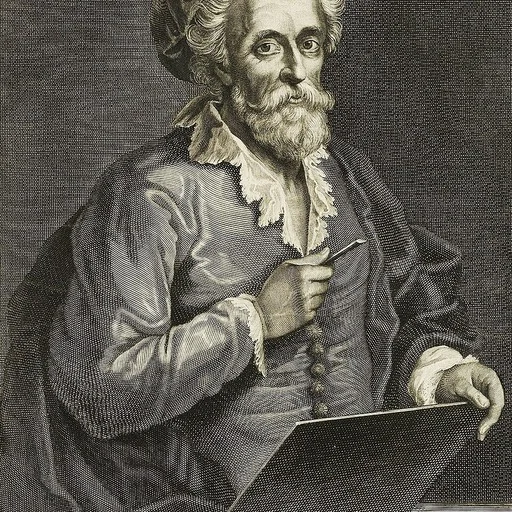
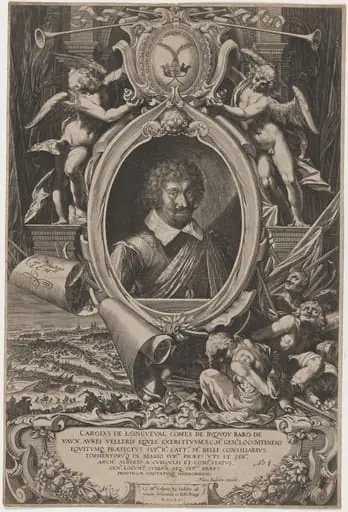
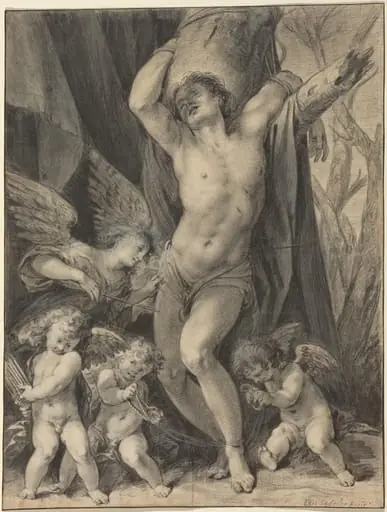
Aegidius Sadeler or Aegidius Sadeler II (1570–1629) was a Flemish engraver who was principally active at the Prague court of Rudolf II, Holy Roman Emperor and his successors.

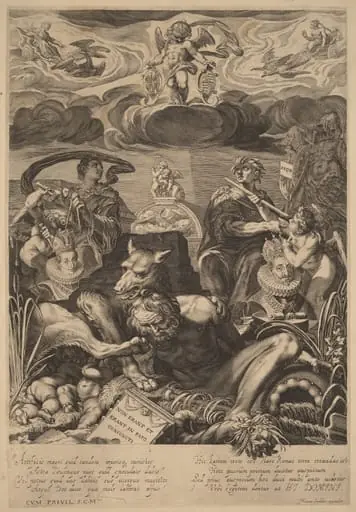
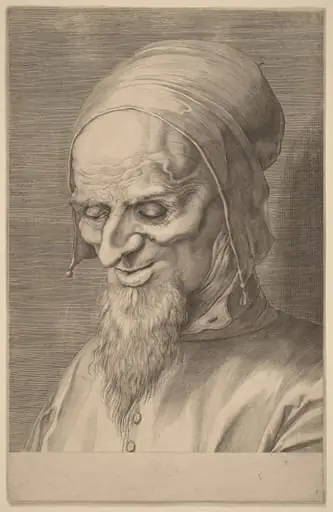
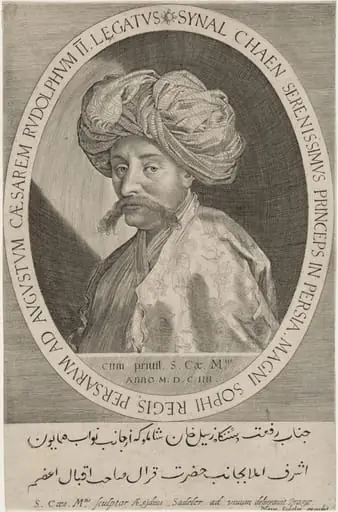 Synal Chaen, Persian Ambassador to Court of Rudolph II
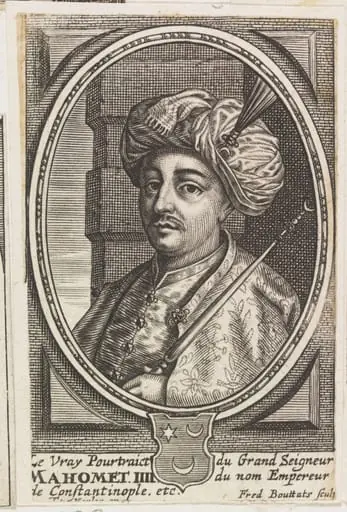 Turkish sultans, sultanas and other historical figures
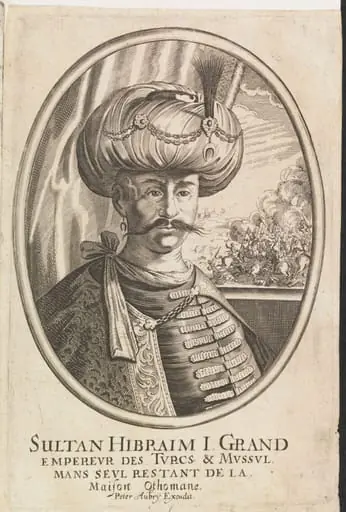 Turkish sultans, sultanas and other historical figures
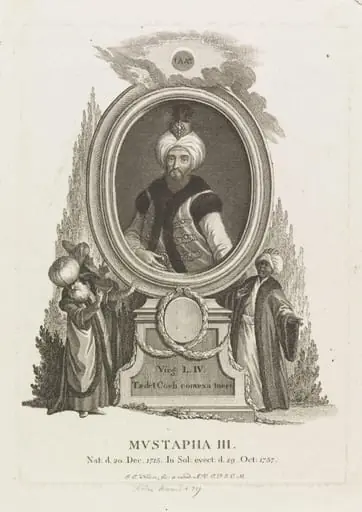 Turkish sultans, sultanas and other historical figures
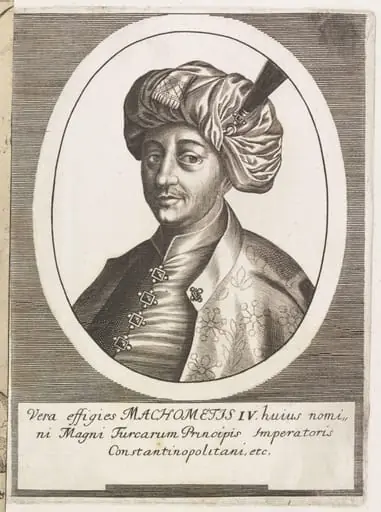 Turkish sultans, sultanas and other historical figures
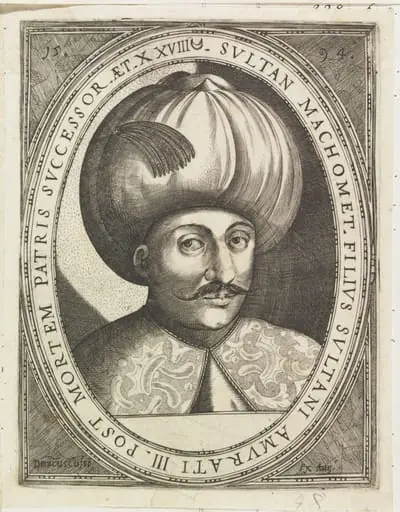 Turkish sultans, sultanas and other historical figures
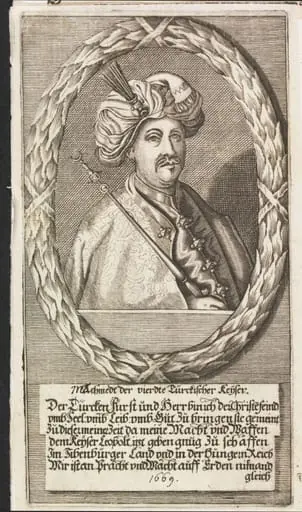 Turkish sultans, sultanas and other historical figures
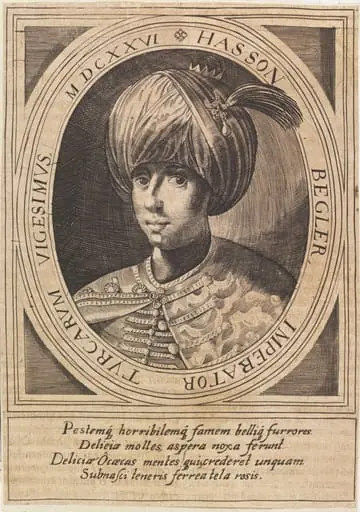 Turkish sultans, sultanas and other historical figures
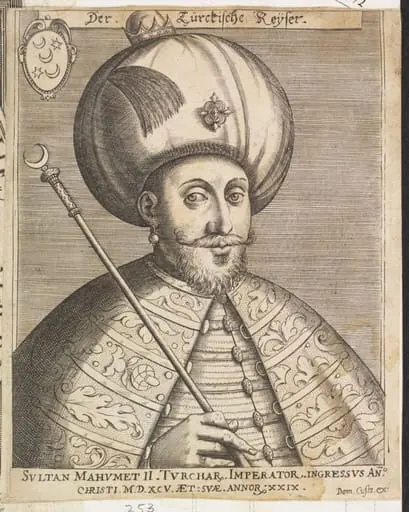 Turkish sultans, sultanas and other historical figures
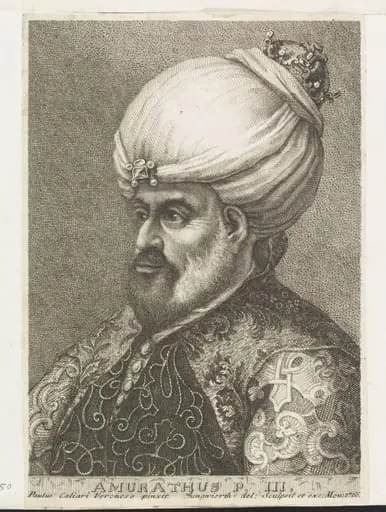 Turkish sultans, sultanas and other historical figures
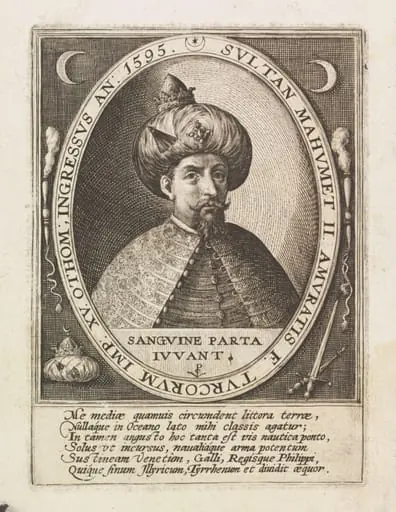 Turkish sultans, sultanas and other historical figures
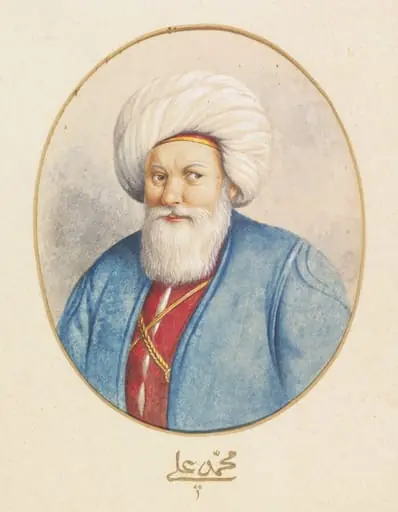 Portrait of Muhammad Ali