Artwork
Jonah
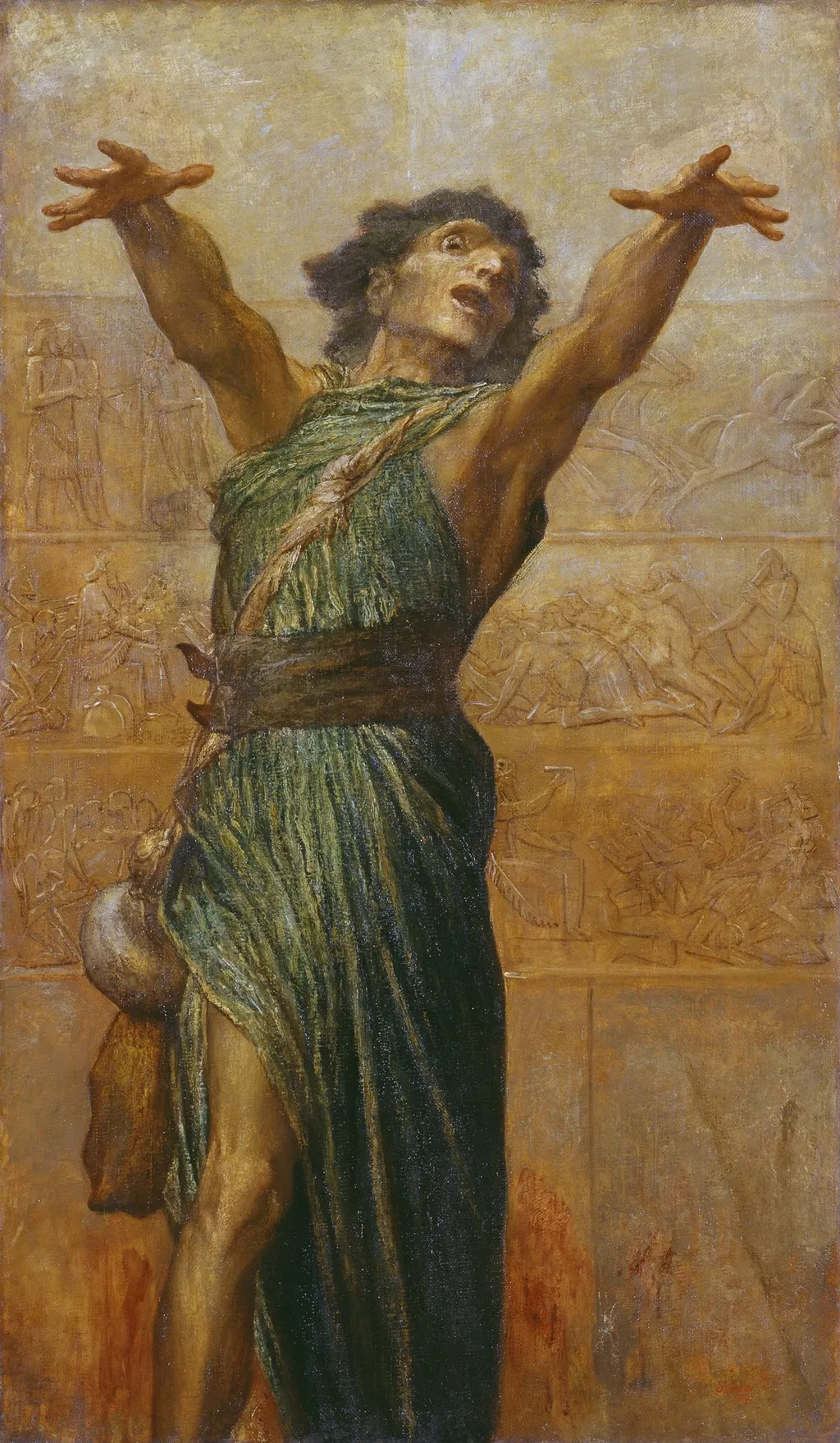
Jonah is an oil painting by the Post-Impressionist artist George Frederic Watts. It dates from 1898 and is held in the collection of the National Gallery.
About this work
Overview
George Frederic Watts completed the oil painting *Jonah* in 1898. The work shows a solitary figure in a green tunic, arms lifted, positioned before a richly carved wall. The composition conveys a sense of kinetic energy, drawing the eye to the central, vocalized man amid the ambiguous reliefs behind him.
Subject & Meaning
The central figure is presented as a prophetic or biblical Jonah, captured in a moment of proclamation. His outstretched arms and open mouth suggest an act of shouting or singing, while the surrounding carved motifs hint at narrative layers that complement the allegorical intent typical of Watts’s symbolic oeuvre.
Technique & Style
Executed in oil on canvas, the painting employs a post‑Impressionist palette with strong contrasts of green, dark belt tones, and the muted stone of the background. Watts’s brushwork emphasizes movement, particularly in the figure’s hair and drapery, while the carved wall is rendered with finer, more detailed strokes that recede into abstraction.
History & Provenance
*Jonah* entered the collection of Tate Britain, where it remains on display. It was created during the later phase of Watts’s career, a period when he was producing works intended for his ambitious “House of Life” series, a symbolic cycle exploring universal themes.
Context
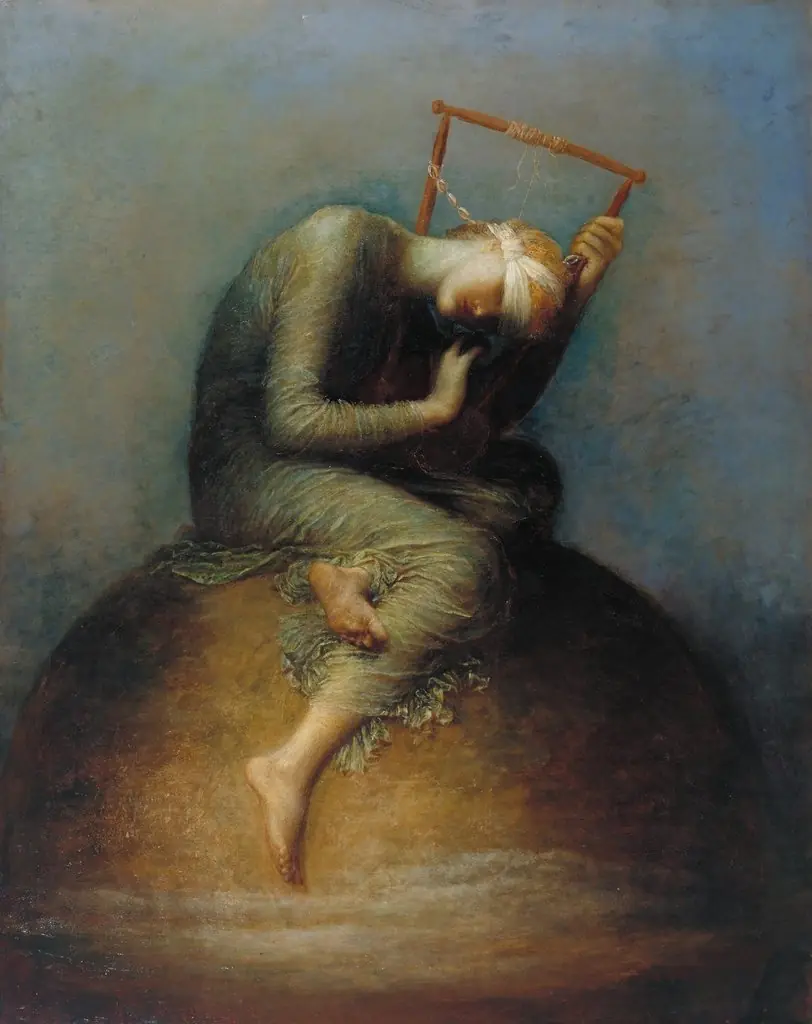
The painting belongs to Watts’s broader engagement with allegorical subjects, alongside works such as *Hope* and *Love and Life*. By the late 19th century, Watts was aligning with Symbolist tendencies, using mythic and biblical figures to express deeper philosophical ideas rather than literal narratives.
Artist & collection
Artist
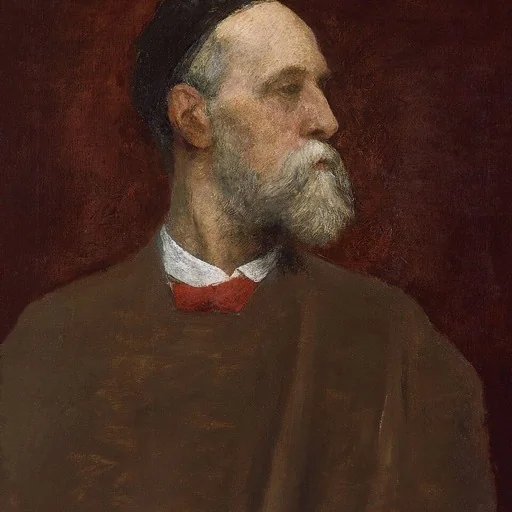
George Frederic Watts (23 February 1817 – 1 July 1904) was a British painter and sculptor associated with the Symbolist movement.

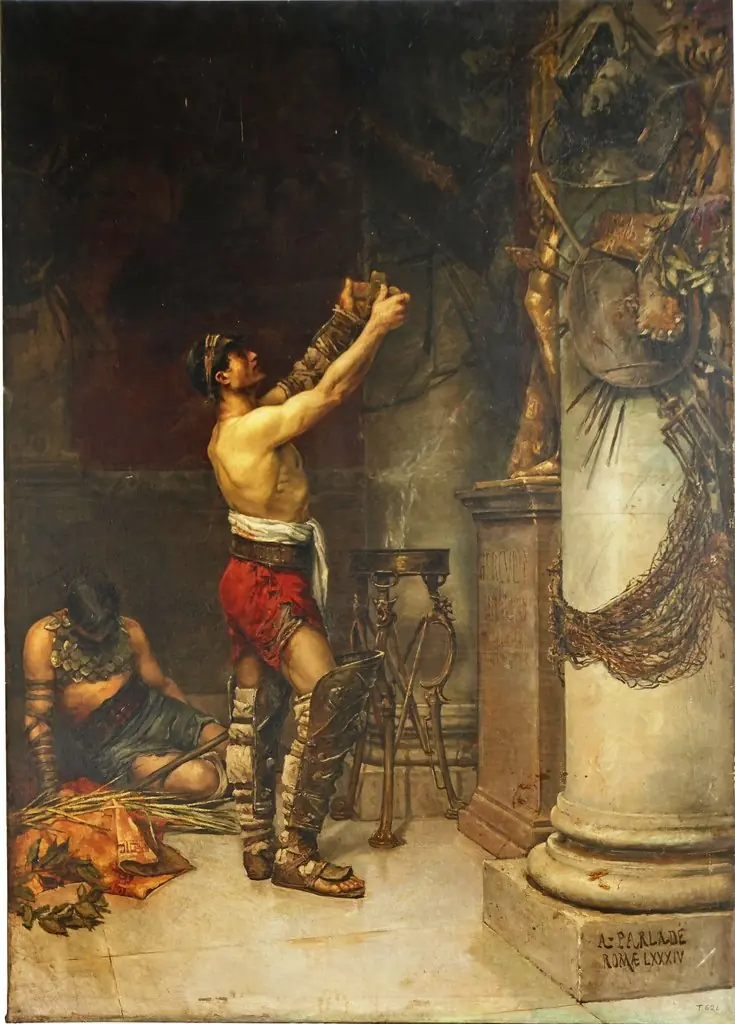 Gladiadores victoriosos ofreciendo las armas a Hércules guardián
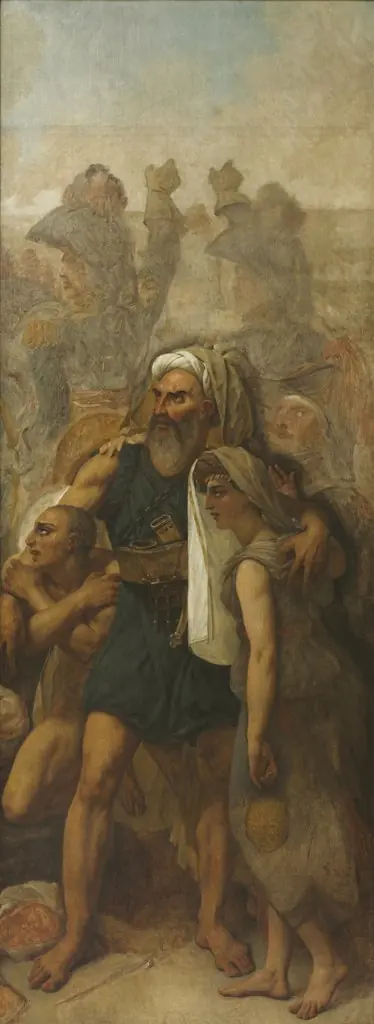 Egyptian Family (Sketch for "The Battle of the Pyramids")
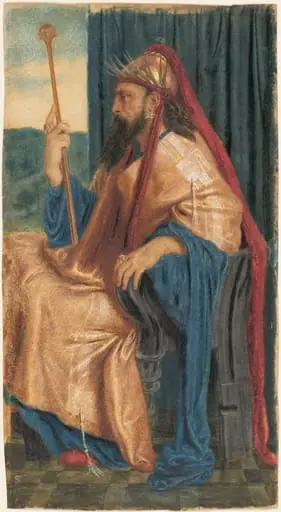 King Solomon
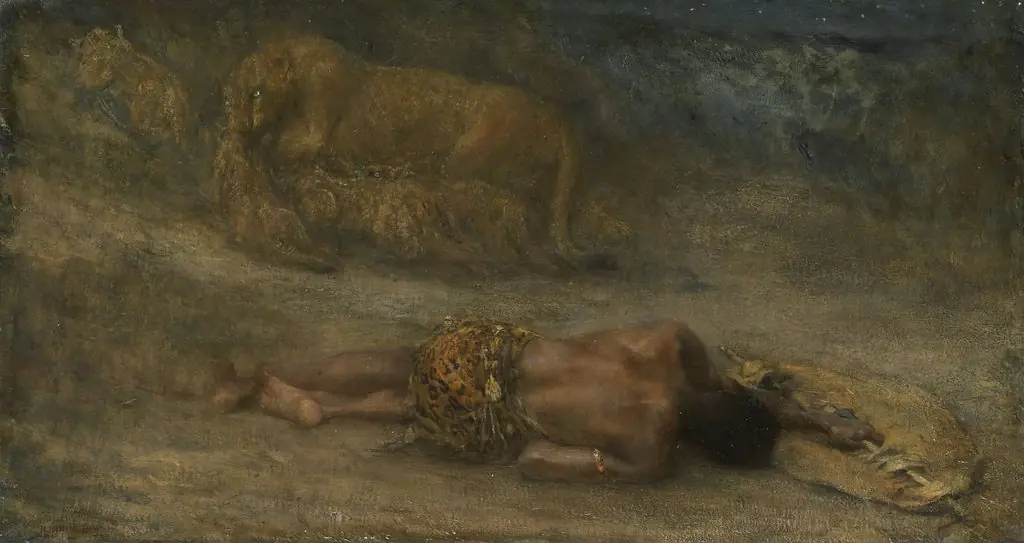 A lioness with her cubs near a dead black man called 'Nemesis'
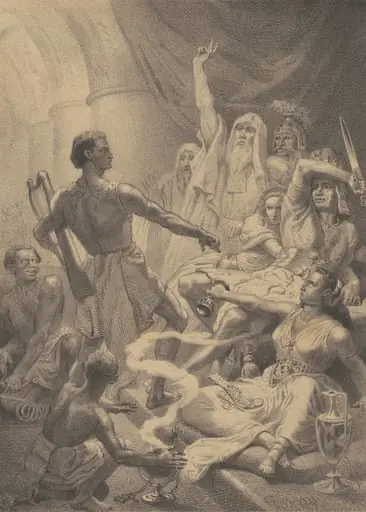 David Playing before Saul
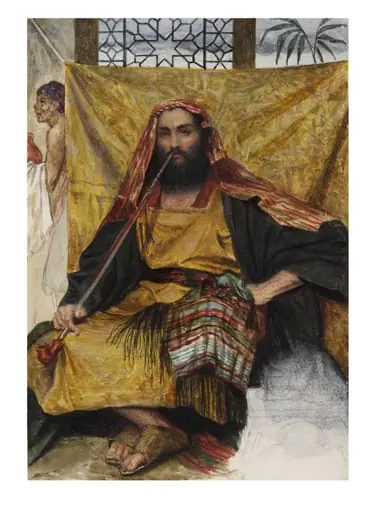 Man in Arab Costume, Seated and Smoking
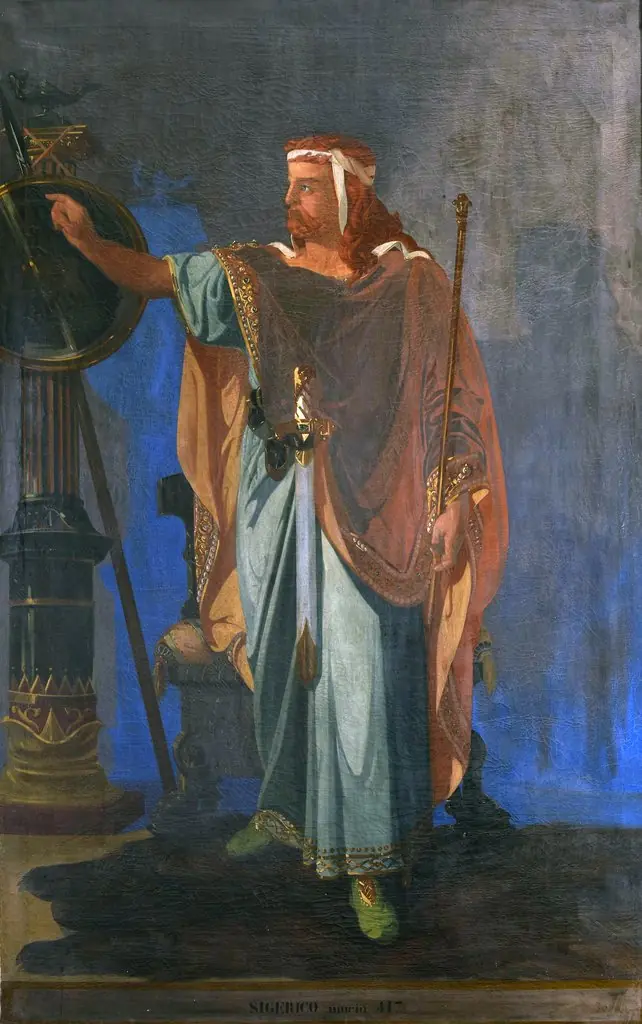 Sigerico
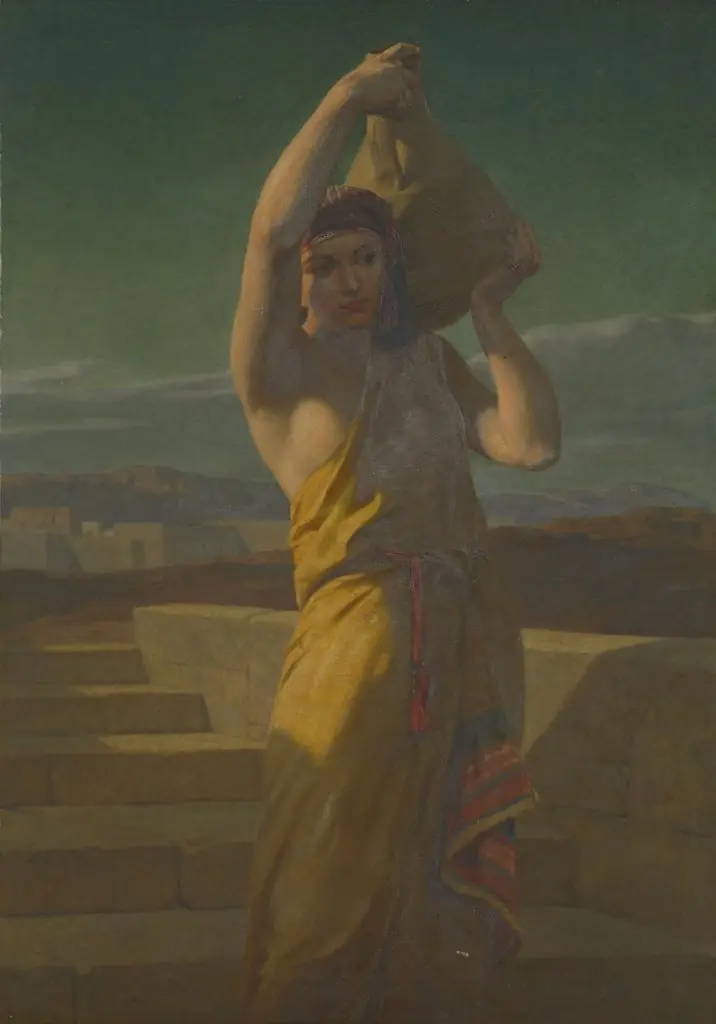 Rachel
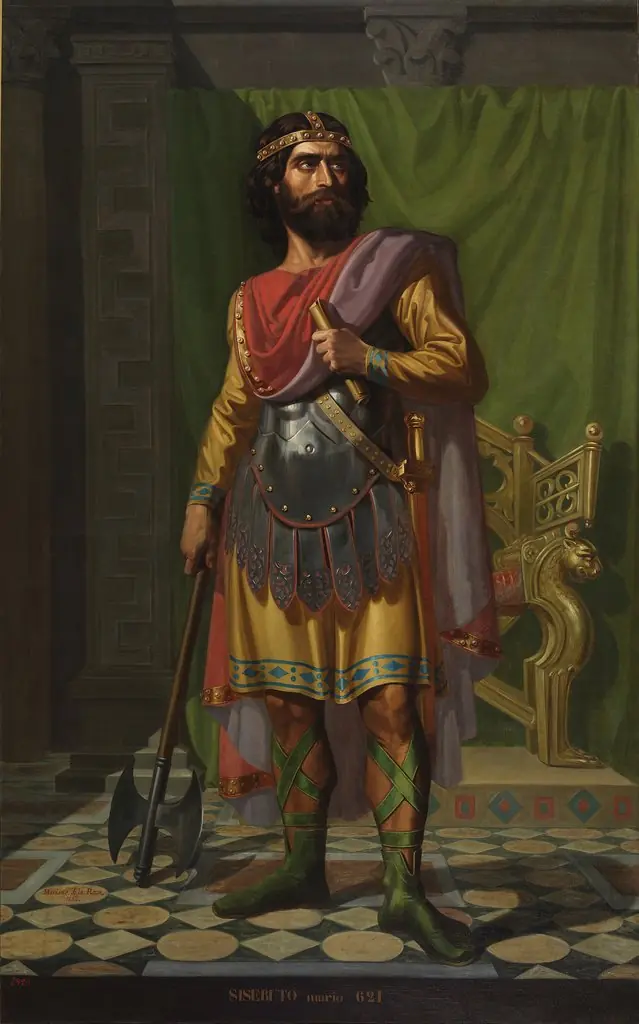 Sisebuto
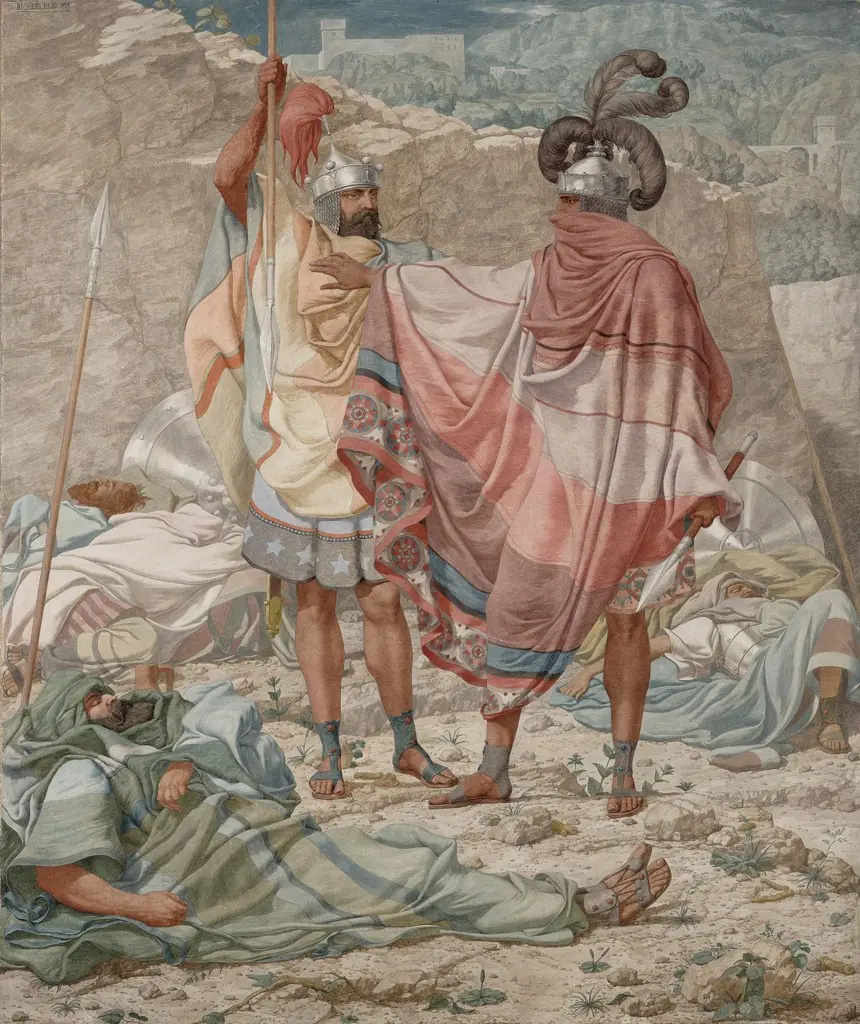 Mercy: David Spareth Saul's Life
 Recovery of Wounded Warriors
 Samson in Chains