Artwork
The Ideal
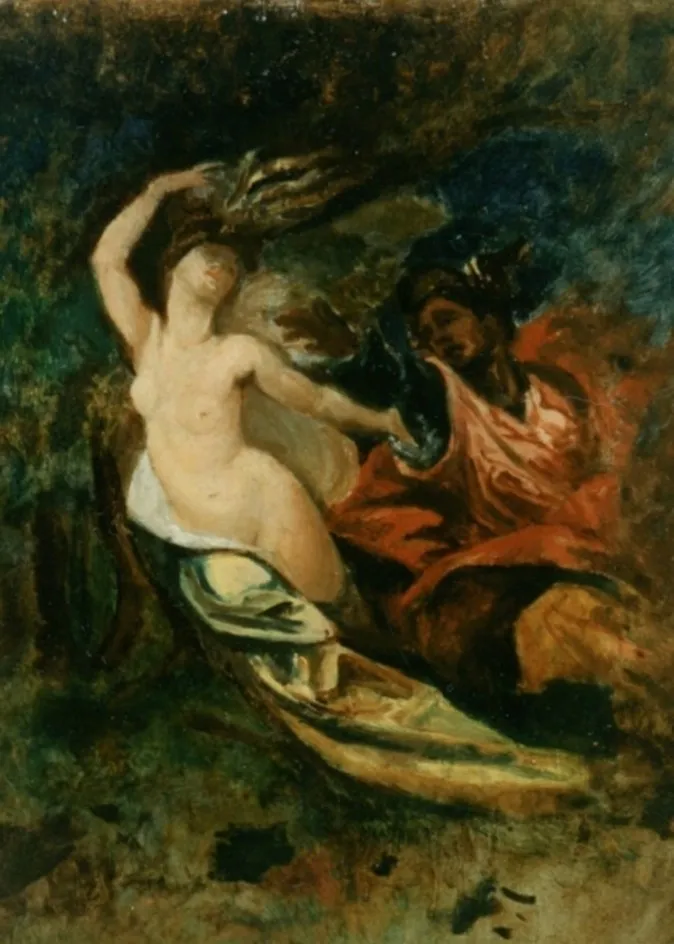
The Ideal is an unspecified painting by George Frederic Watts. It dates from 1867 and is held in the collection of the Ashmolean Museum.
About this work
Overview
The Ideal is a painting by George Frederic Watts, a British artist associated with the Symbolist movement, created around 1867.
Subject & Meaning
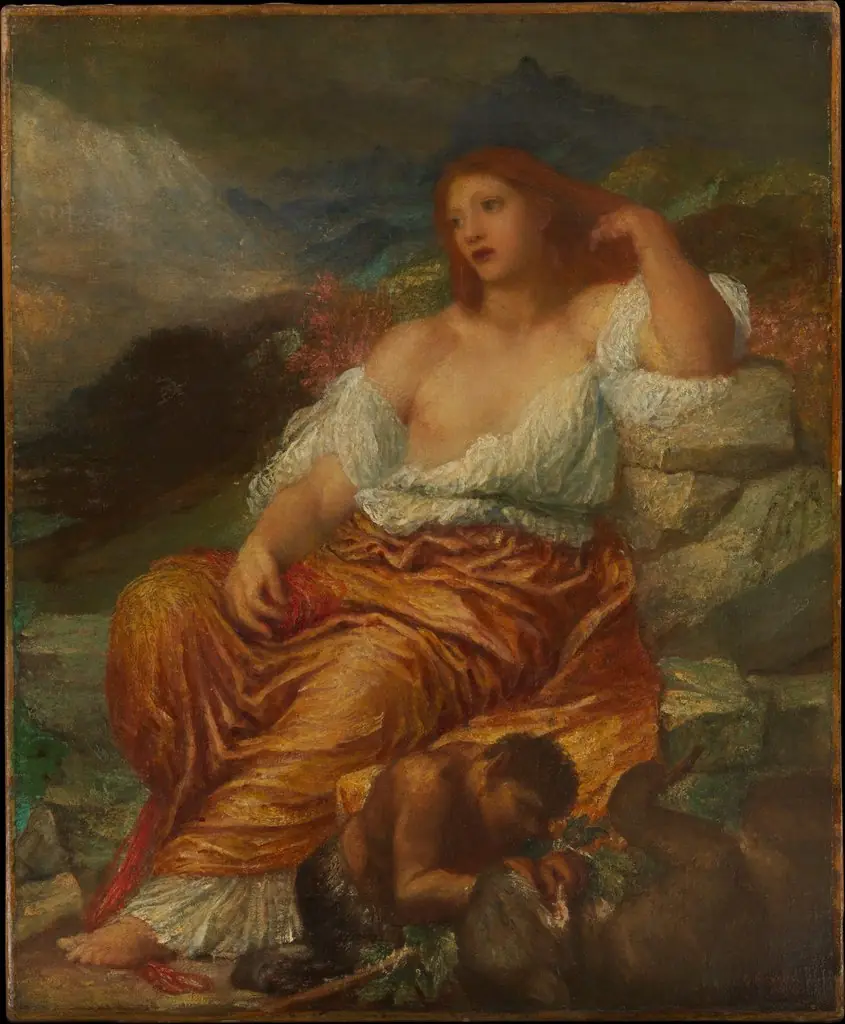
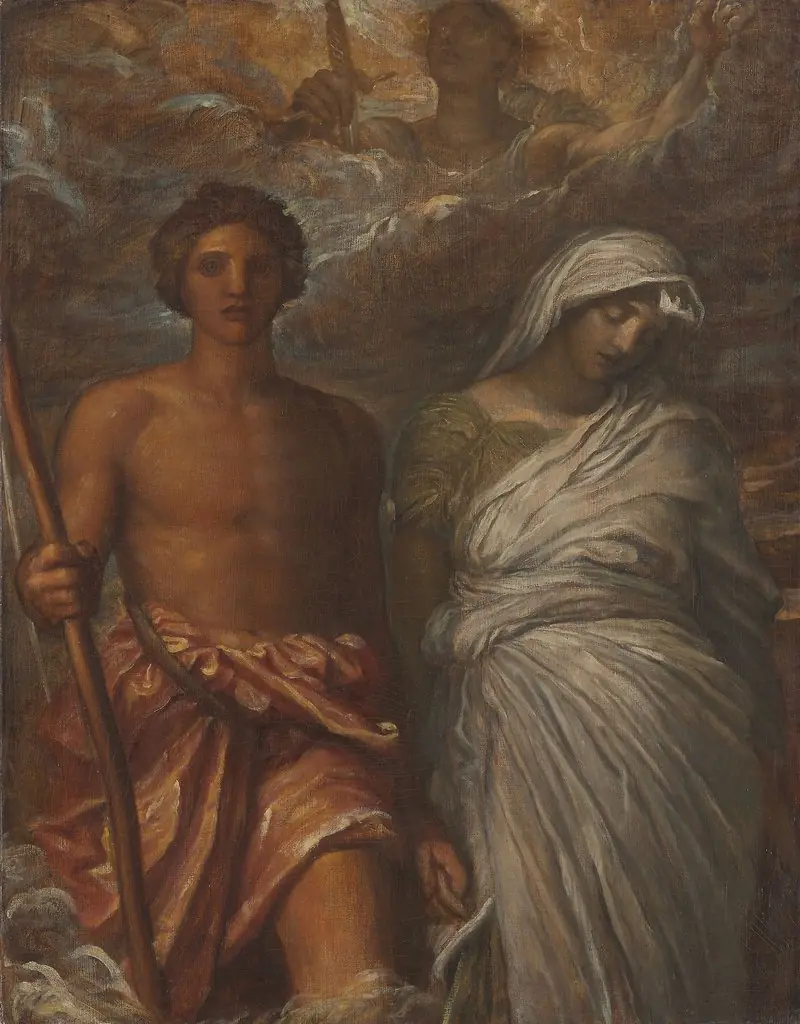
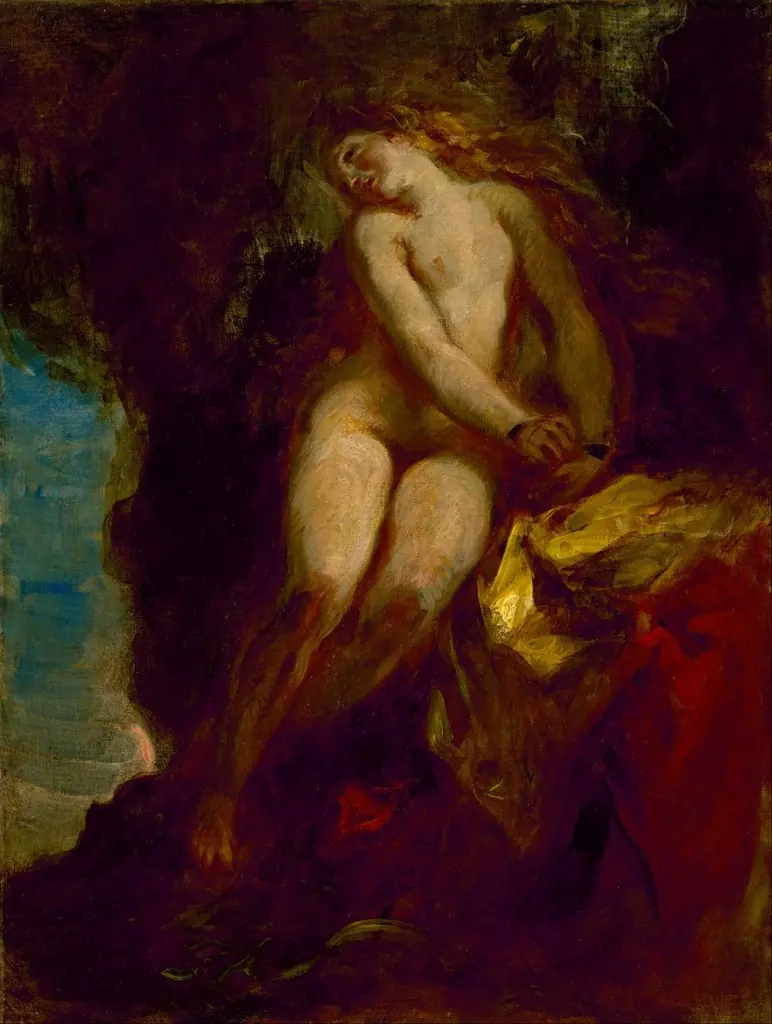
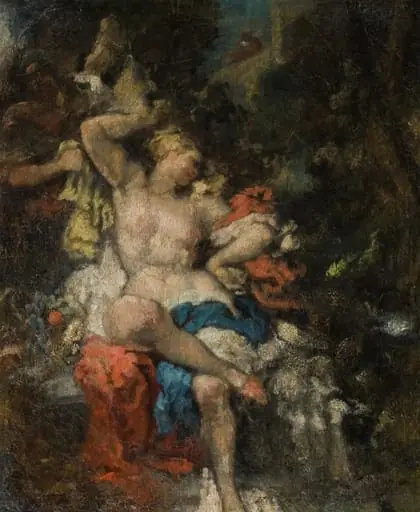
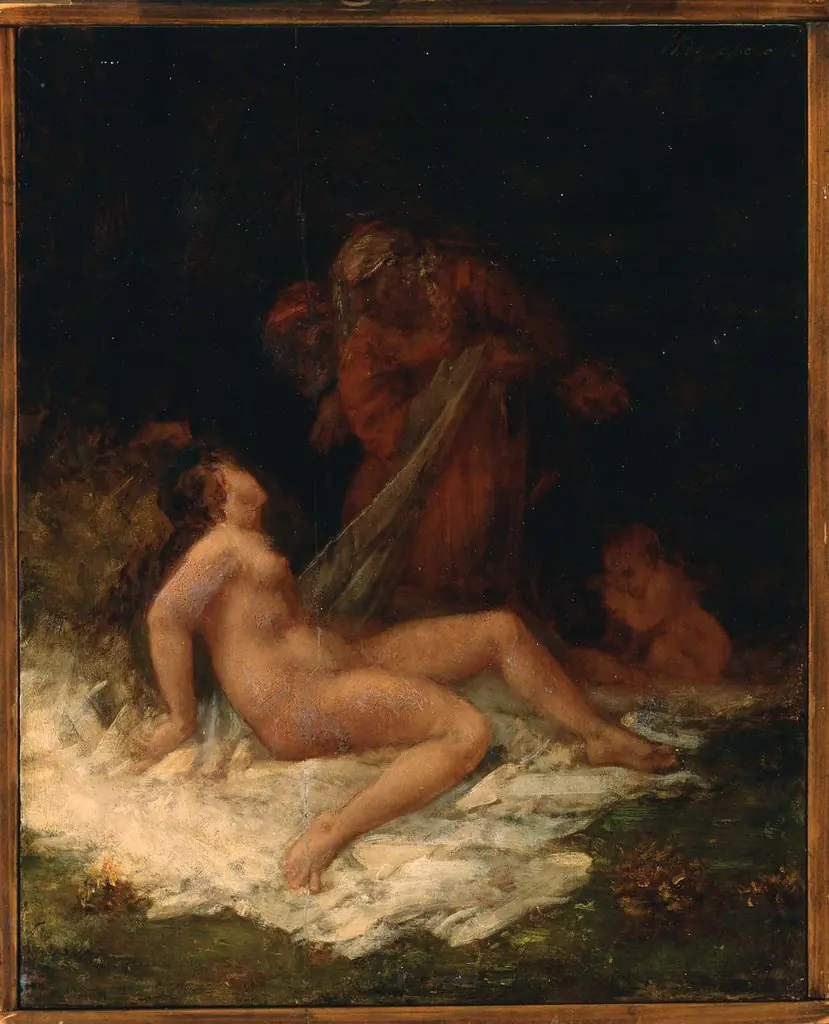
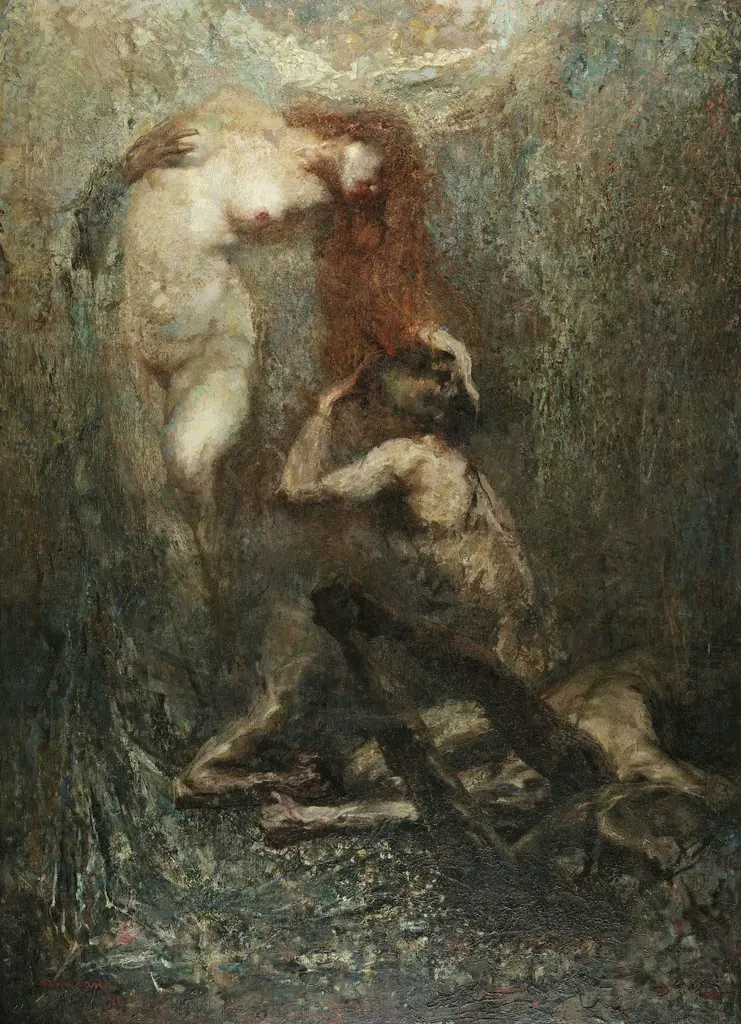
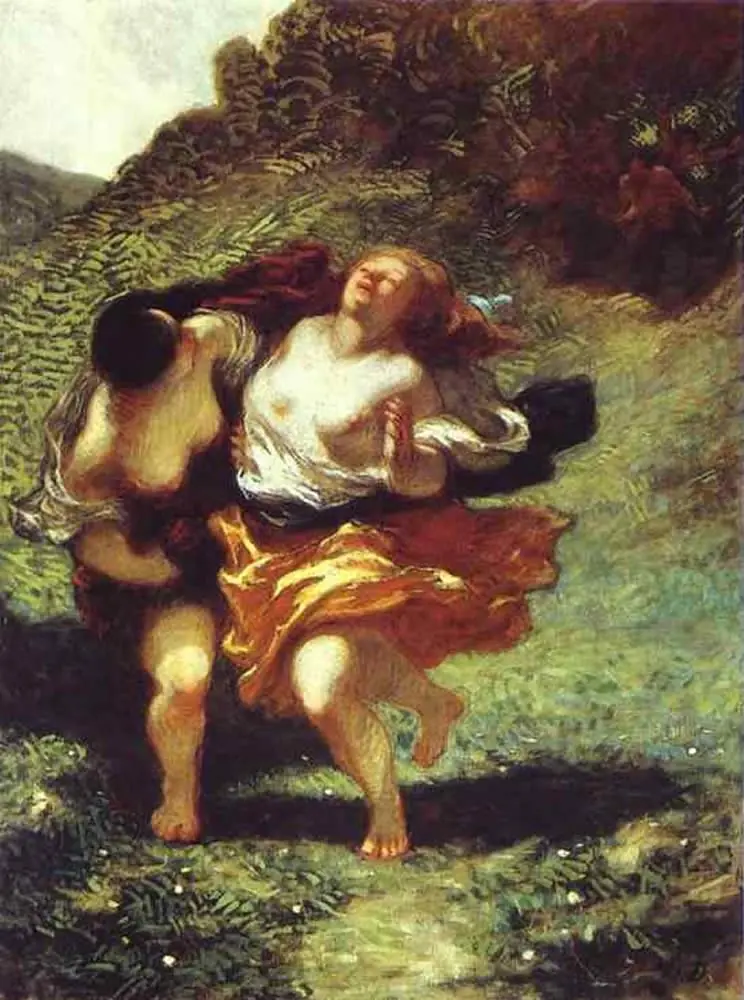
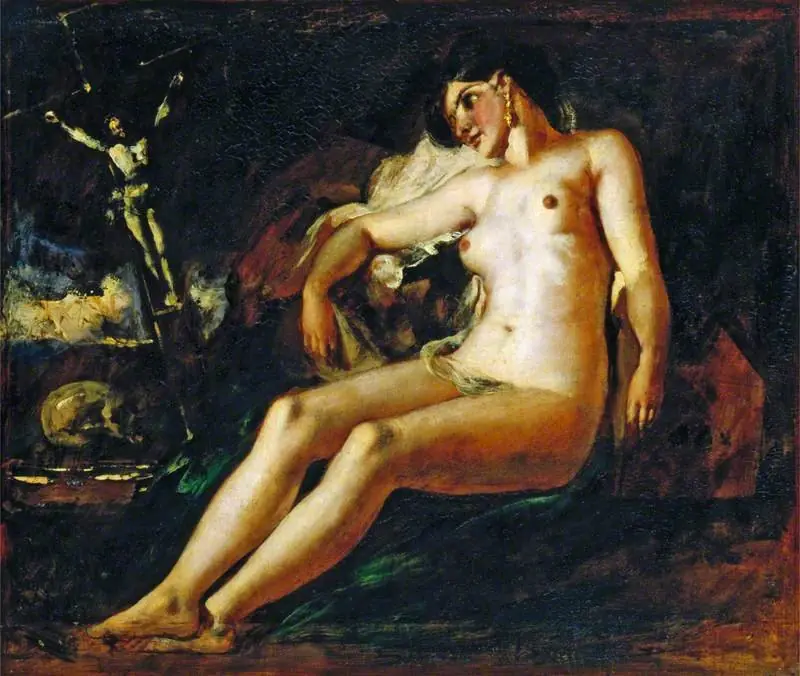
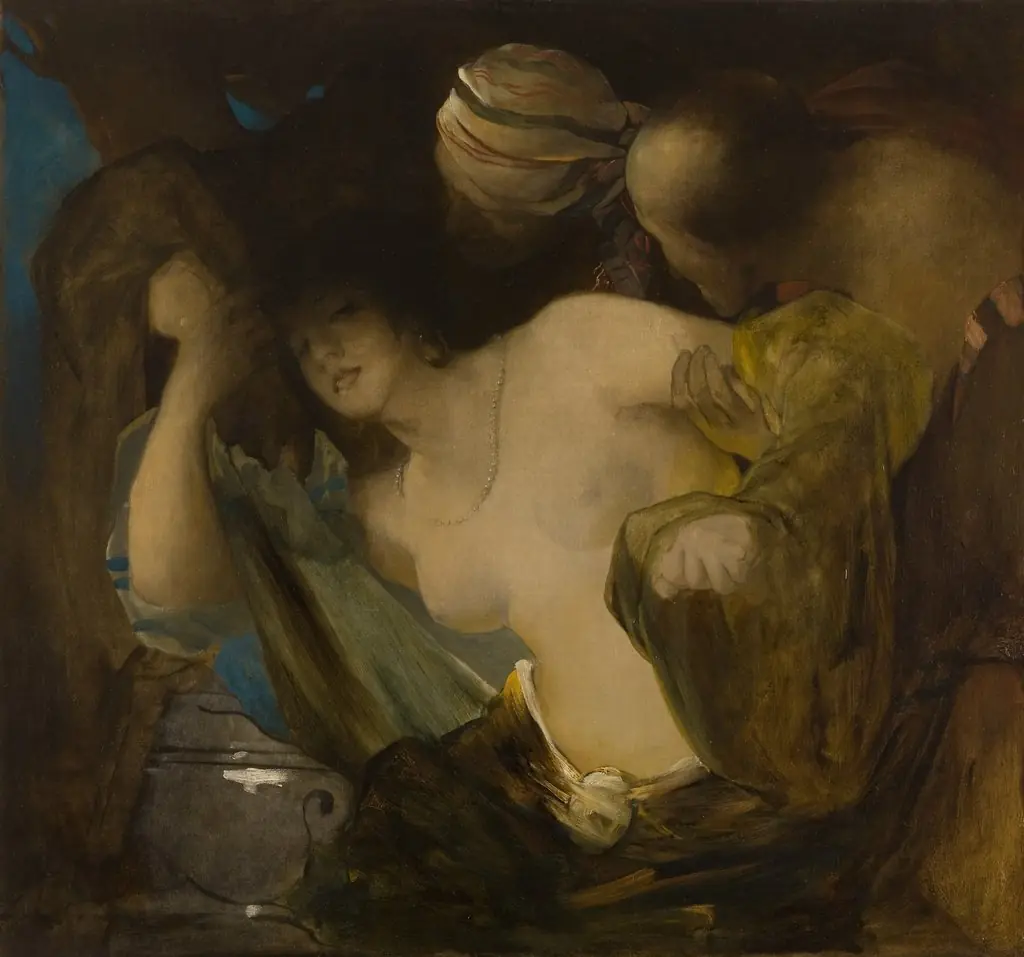
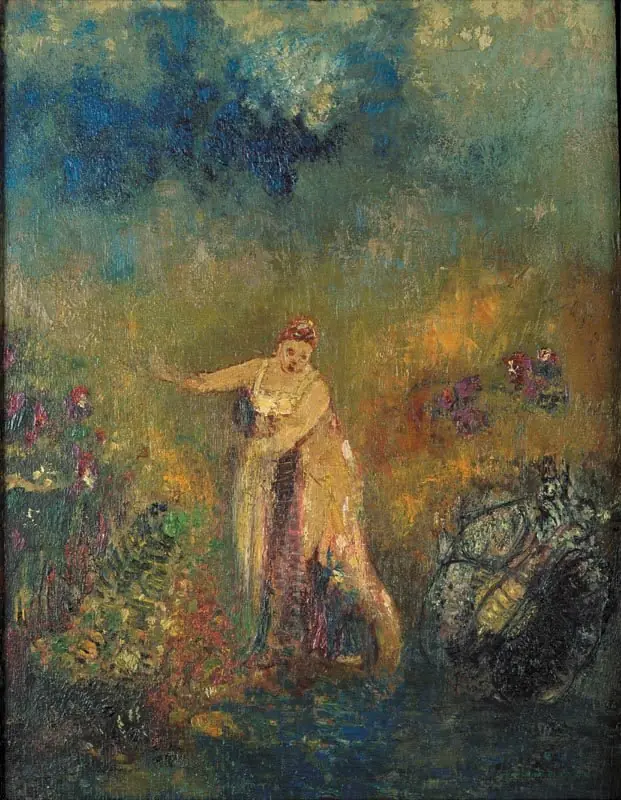
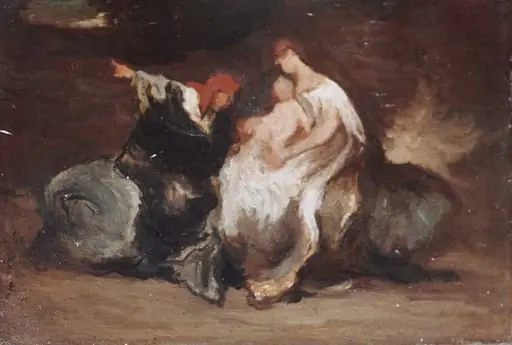
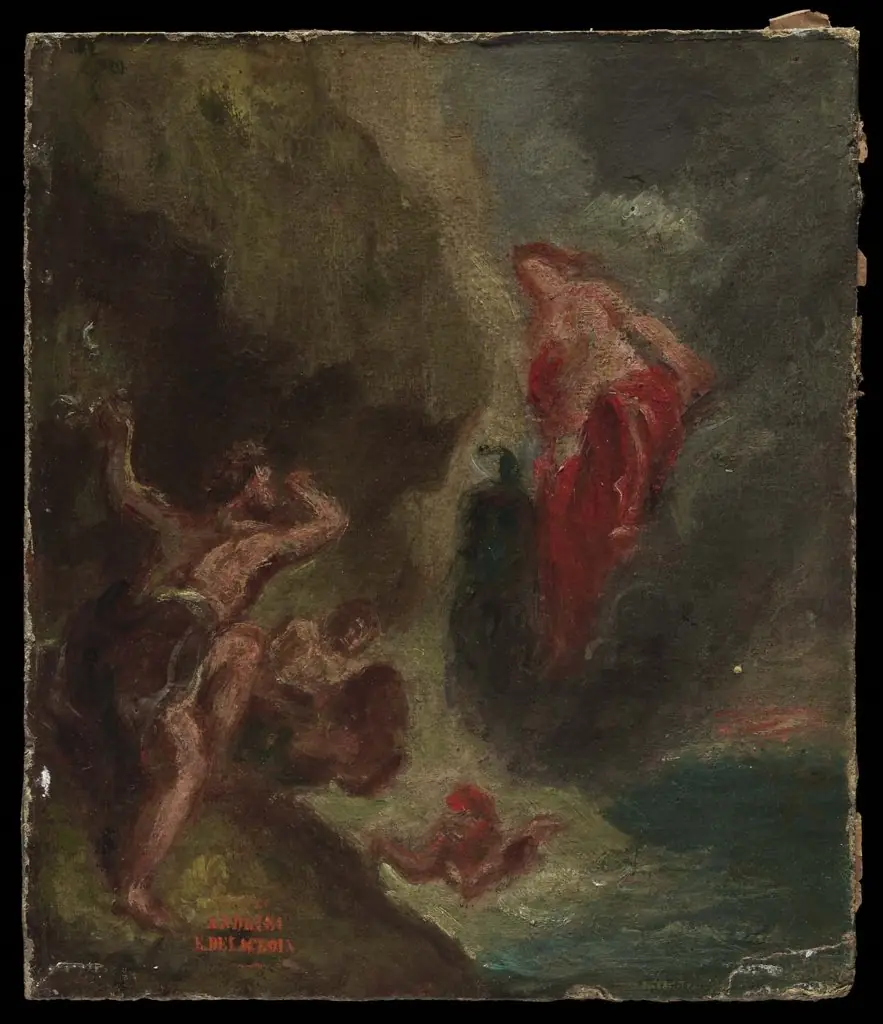
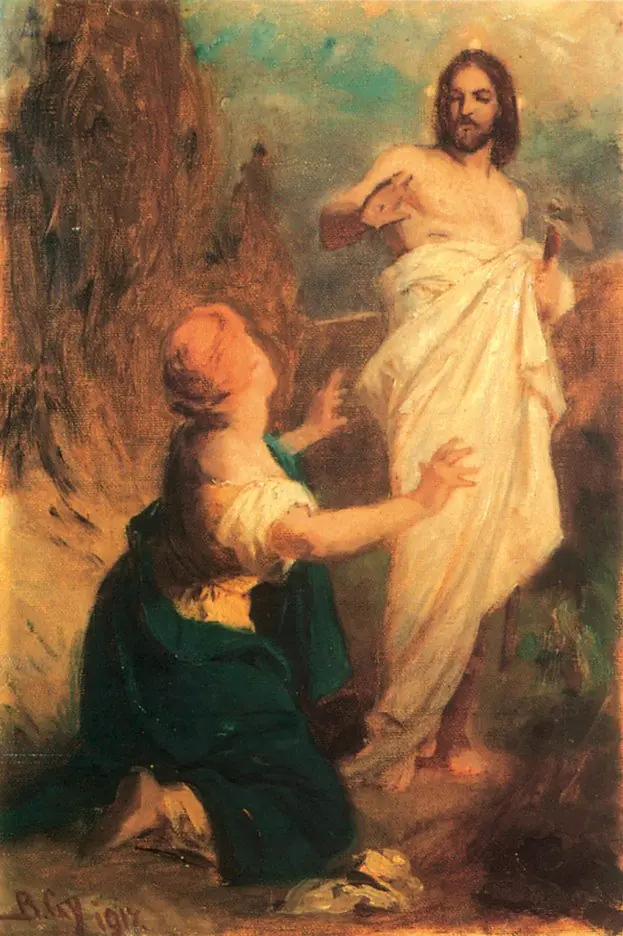
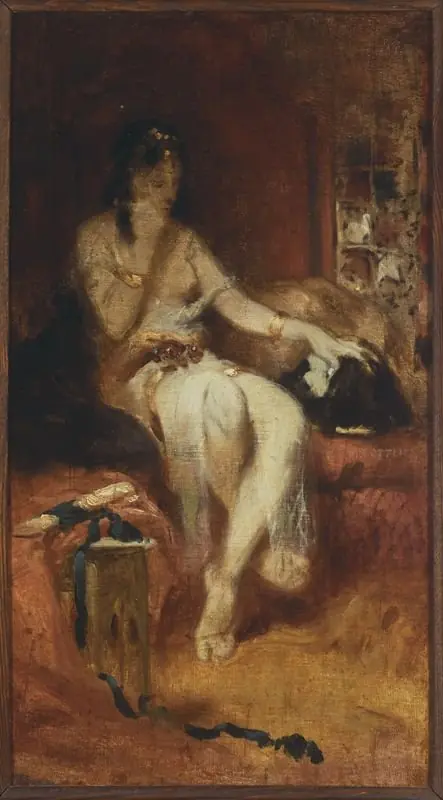
The painting depicts a woman in a flowing white garment, her arms outstretched, conveying a sense of freedom and joy. The dark, shadowy background adds depth and mystery, suggesting the representation of human emotions and aspirations through universal symbols.
Technique & Style
Watts employed chiaroscuro, using strong contrasts between light and dark to create a dynamic effect. The woman's white garment stands out against the dark background, emphasizing her movement and energy.
Context
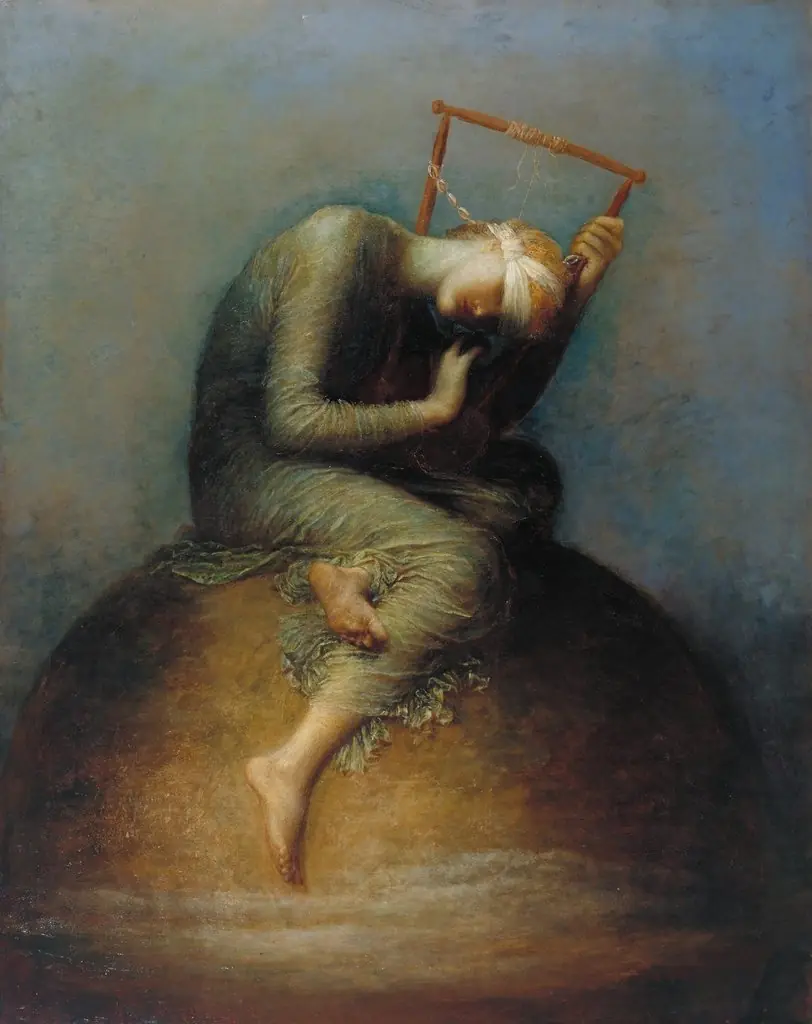
The Ideal was part of Watts' ambitious 'House of Life' series, a collection of allegorical works aiming to represent human emotions through symbolic imagery, alongside other works like Hope and Love and Life.
Artist & collection
Artist
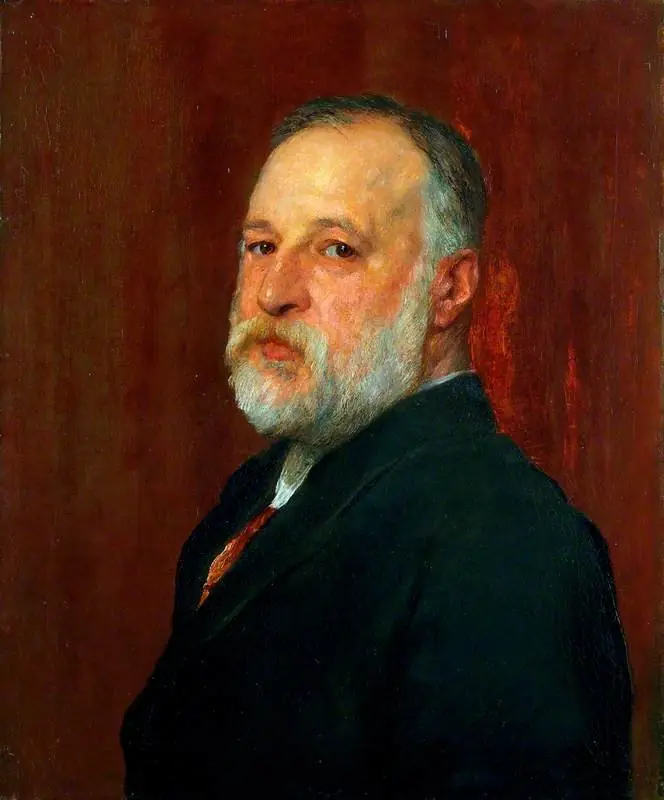
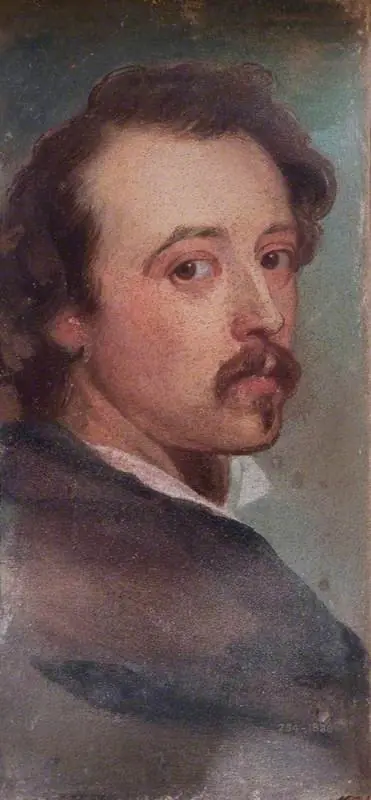
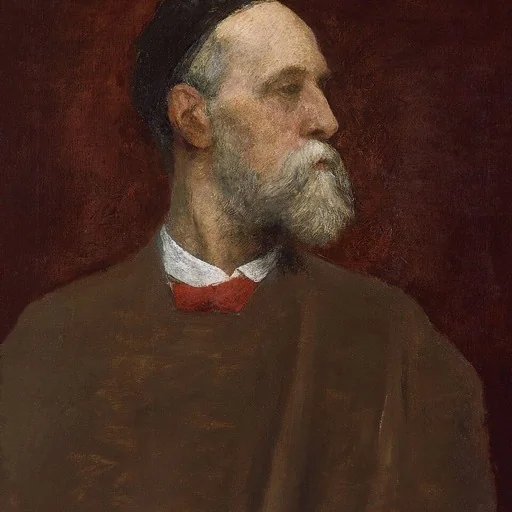
George Frederic Watts (23 February 1817 – 1 July 1904) was a British painter and sculptor associated with the Symbolist movement.