Artwork
Battlefield of New Hope Church, Georgia, No. 2
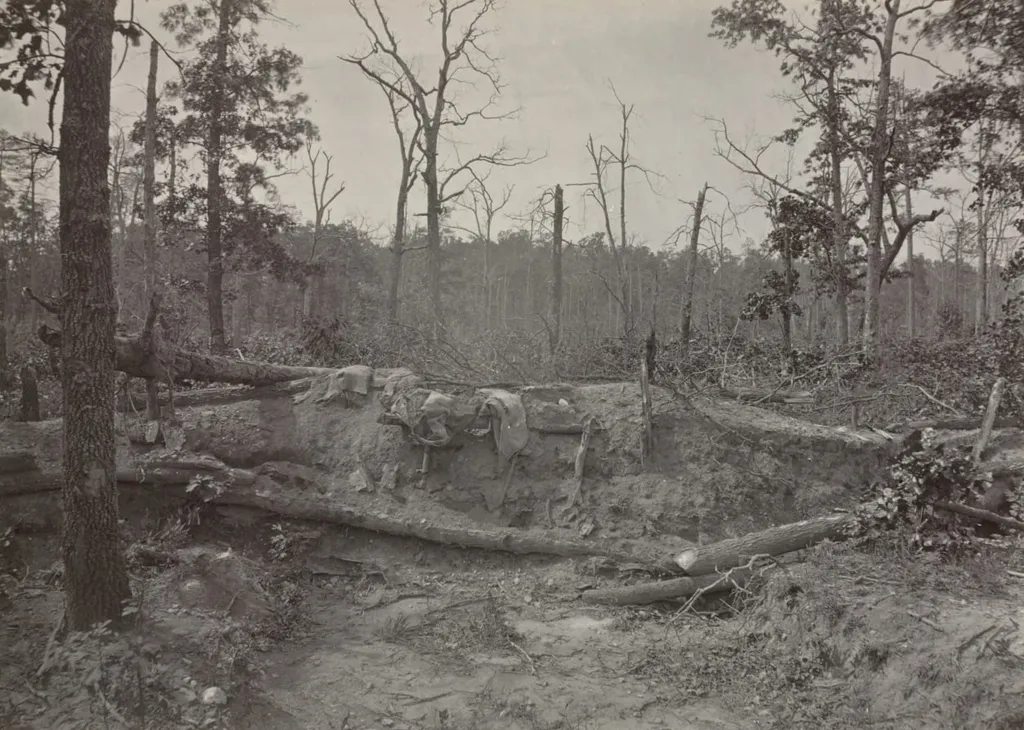
Battlefield of New Hope Church, Georgia, No. 2 is a photography by the Impressionist artist George N. Barnard. It dates from 1866 and is held in the collection of the Cleveland Museum of Art. Battlefield of New Hope Church, Georgia, No.
About this work
This painting shows a wide battlefield with smoke, broken fences, and scattered debris.
This painting shows a wide battlefield with smoke, broken fences, and scattered debris. It’s a photograph made huge—over four feet tall—so every detail pops off the page. Barnard took it in 1865 after a fight near New Hope Church where thousands died.
The odd thing? In the 1860s, photos this big were brand-new. Most people only saw tiny prints tucked inside albums. But this one was meant to shock viewers with its size and ruin.
Look up George N. Barnard (American, 1819–1902) for more Civil War photos like it.
Overview
Battlefield of New Hope Church, Georgia, No. 2 is a large-format photograph taken by George N. Barnard in 1865. The image measures over four feet tall and captures the aftermath of a Civil War battle.
Subject & Meaning
The photograph depicts a devastated battlefield with smoke, broken fences, and scattered debris, conveying the scale of destruction and loss of life.
Technique & Style
The image is a gelatin silver print, an innovative format for its time. Its unusually large size was intended to convey the intensity of the scene, making details starkly visible.
History & Provenance
Taken in the aftermath of a battle near New Hope Church, the photograph is part of Barnard's documentation of the Civil War. Barnard was an American photographer active from the mid-19th century.
Context
The photograph's large size was groundbreaking for its era, deviating from the typical small, intimate prints commonly found in albums and homes.
Artist & collection

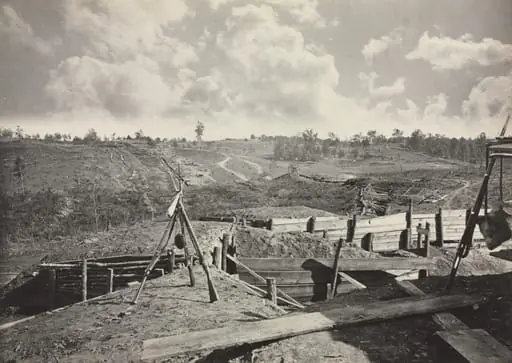 Rebel Works in front of Atlanta, Georgia, No. 5
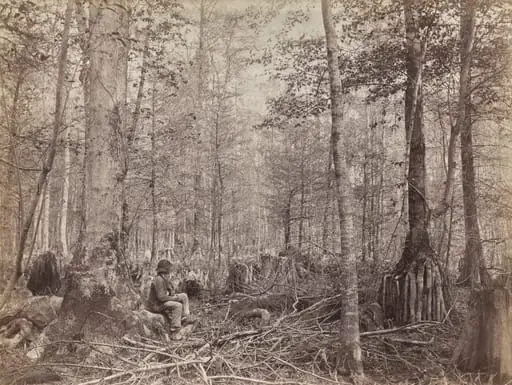 Great Dismal Swamp, Virginia
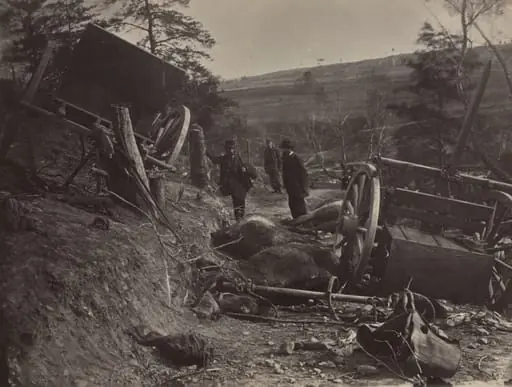 Effects of a Shell Explosion, Fredericksburg, VA.
 Lysning i Nordskoven ved Jægerspris
 Lysning i Nordskoven ved Jægerspris
 Battery, Malakoff
 Angle of Taku Fort at which the French entered
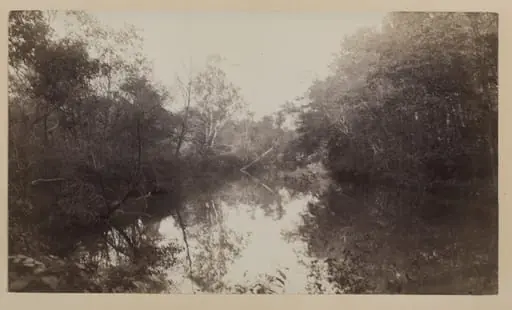 Avondale
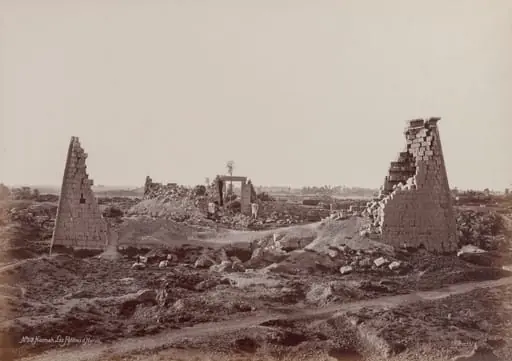 Karnak, Les Pylônes d'Horus
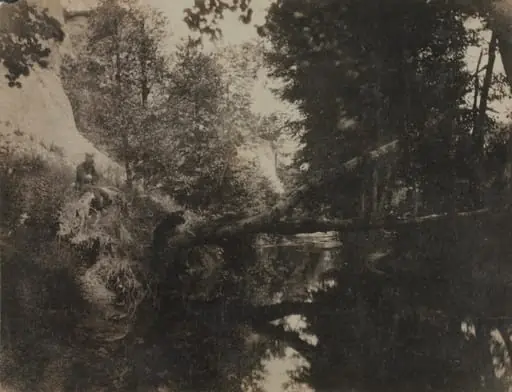 Landscape with Seated Figure on Stream Bank
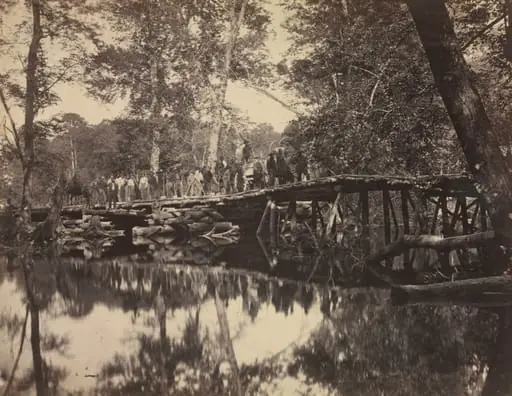 Military Bridge, Across the Chickahominy, Virginia
 How the Horses Died for Their Country at Santiago