Artwork
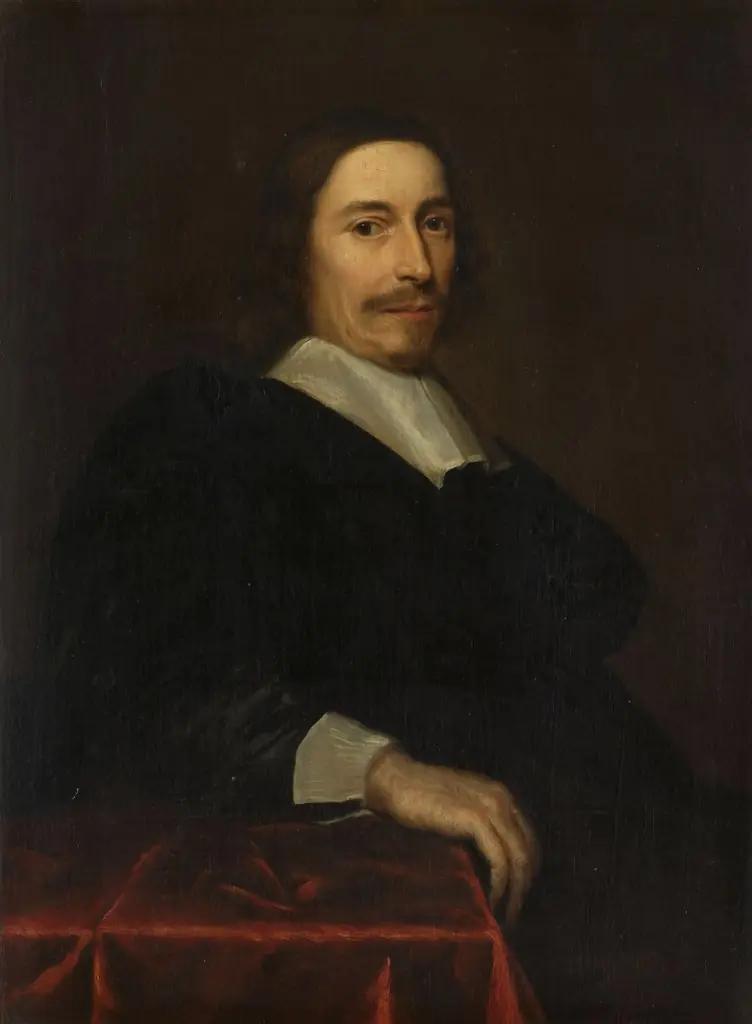
Portrait of an unknown man
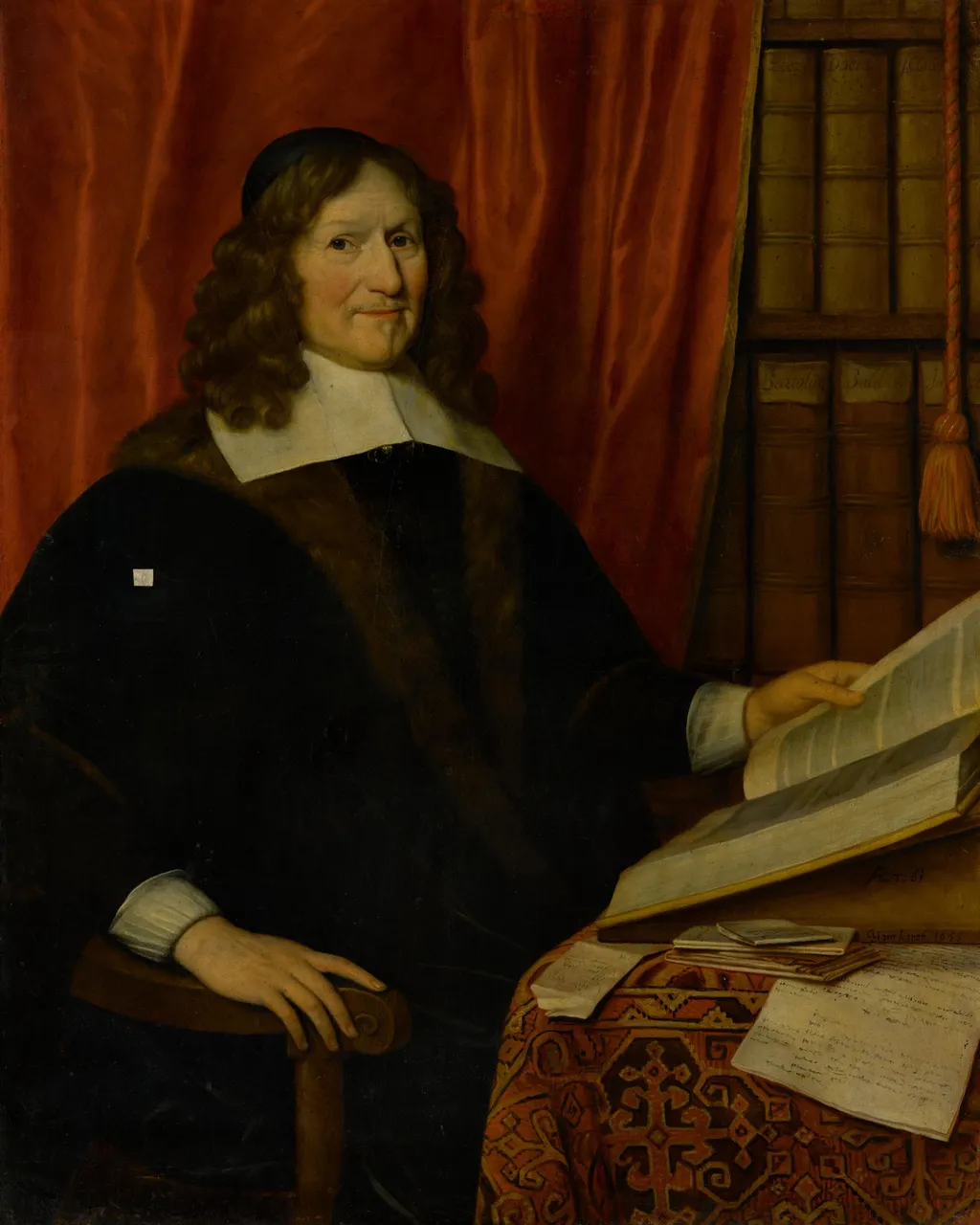
Portrait of an unknown man is a paint painting by the Dutch Golden Age artist Gerard van Honthorst. It dates from 1655 and is held in the collection of the Gemäldegalerie Berlin.
About this work
Overview
The painting is part of the Gemäldegalerie Berlin’s collection, representing the Dutch Golden Age’s focus on psychological depth in individual representation.
Painted in 1655 by Gerard van Honthorst, this portrait captures a seated man in quiet repose, holding a book. Executed in oil on canvas, the work reflects the artist’s synthesis of Italian chiaroscuro techniques and Northern European portraiture. Though the sitter’s identity remains unknown, the composition conveys introspection through controlled lighting and restrained color. The painting is part of the Gemäldegalerie Berlin’s collection, representing the Dutch Golden Age’s focus on psychological depth in individual representation.
Subject & Meaning
The figure, dressed in dark clothing with a crisp white collar, appears absorbed in thought, his direct gaze inviting the viewer into a moment of private reflection. The book in his hand suggests intellectual engagement, while the absence of identifying symbols or attributes preserves his anonymity. His curled hair and composed posture evoke a sense of learned calm, aligning the portrait with contemporary ideals of scholarly dignity rather than social status or profession.
Technique & Style
Van Honthorst employs chiaroscuro to model the man’s face and hands, drawing attention to subtle expressions and the texture of fabric. The deep red curtain behind him enhances the warmth of the lighting and frames the figure without distraction. Brushwork is precise yet unobtrusive, favoring naturalism over ornamentation. The interplay of light and shadow creates volume without theatricality, reflecting the artist’s training under Caravaggio’s followers and his adaptation of those methods to Dutch sensibilities.
History & Provenance
The painting entered the Gemäldegalerie Berlin’s collection in the 19th century, likely through acquisitions from private German or Dutch holdings. Its attribution to van Honthorst has been consistently supported by stylistic analysis and archival records. Unlike many portraits of the period, it lacks inscriptions or documented ownership history, leaving the sitter’s identity unresolved. The work has remained in public institutions since its acquisition, with no known major exhibitions prior to the 20th century.
Context
Created during the height of the Dutch Golden Age, the portrait reflects a cultural shift toward individualism and the value of quiet intellect. While grand historical or religious themes still held sway elsewhere in Europe, Dutch artists increasingly turned to intimate, secular subjects. Van Honthorst, having spent years in Italy, brought back a refined use of light that resonated with Dutch patrons seeking both realism and emotional nuance in portraiture.
Legacy
Though not among van Honthorst’s most widely reproduced works, this portrait exemplifies his mature style: a balance between Italianate lighting and Northern restraint. It contributes to the broader understanding of how Caravaggesque techniques were localized in the Netherlands, influencing later portraitists who prioritized psychological presence over external display. The painting remains a quiet testament to the era’s fascination with the inner life of the individual.
Artist & collection
Artist
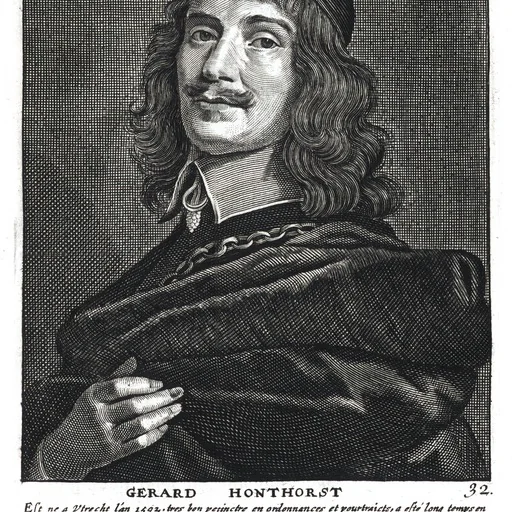
Gerard "Gerrit" van Honthorst (4 November 1592 – 27 April 1656) was a Dutch Golden Age painter who became known for his depiction of artificially lit scenes, eventually receiving the Italian nickname Gherardo delle Notti ("Gerard of the…

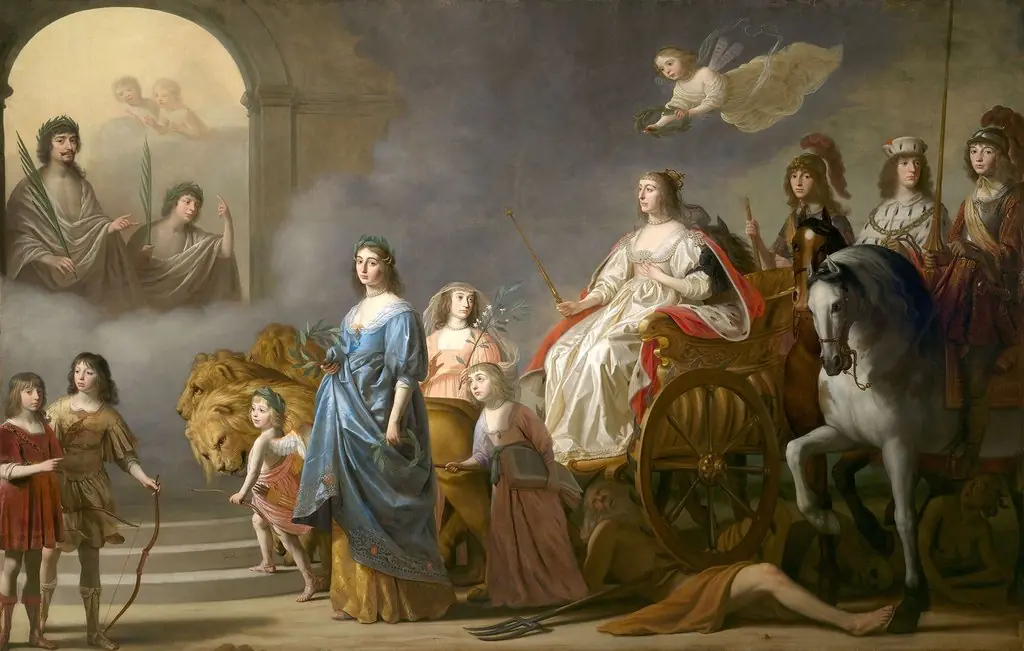 The Triumph of the Winter Queen: Allegory of the Just
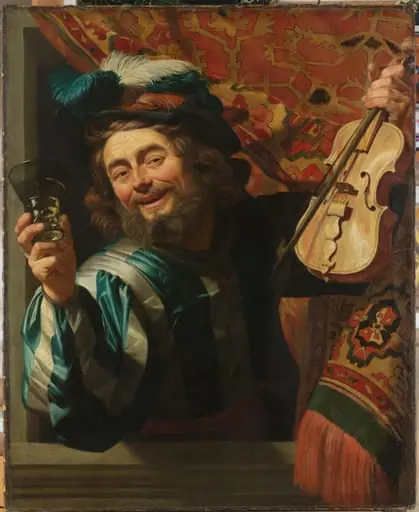 Een vrolijke vioolspeler
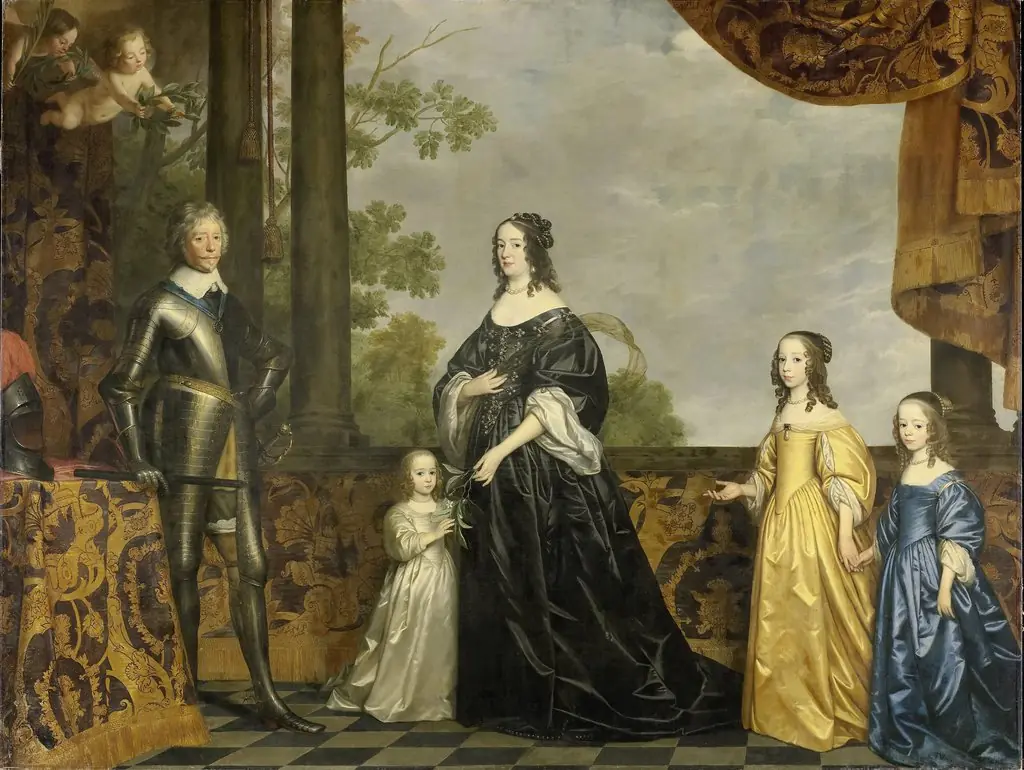 Frederik Hendrik (1584-1647), Prince of Orange, his wife Amalia van Solms (1602-75) and their three youngest daughters, Albertina Agnes (1634-96), Henrietta Catharina (1637-1708) and Maria (1642-88)
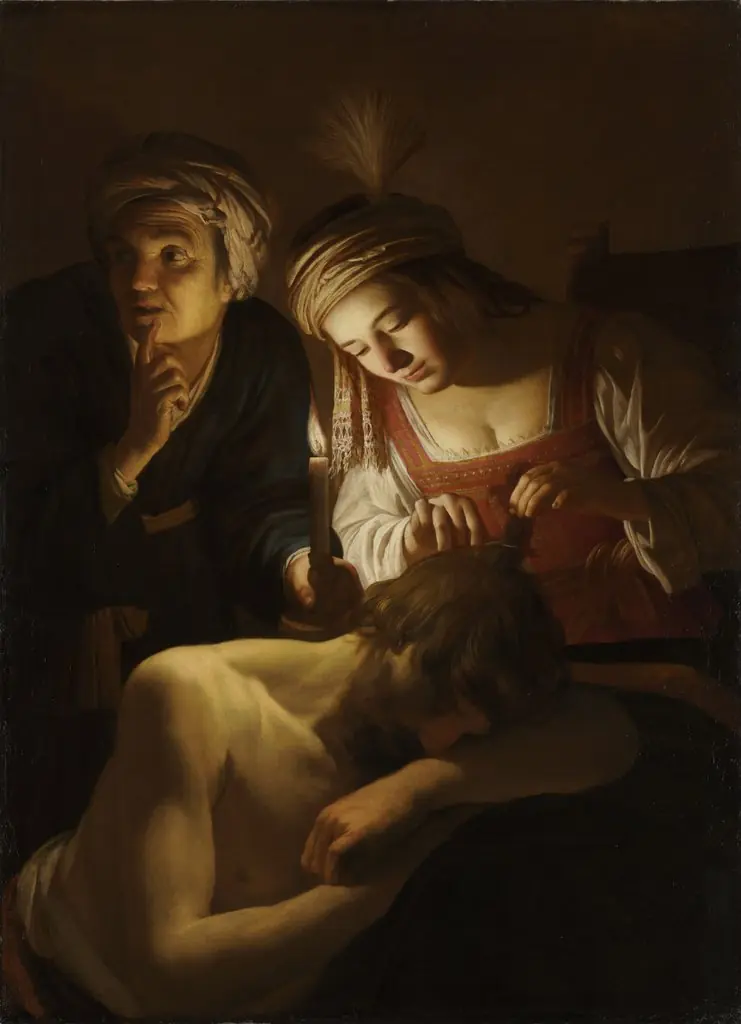 Samson and Delilah
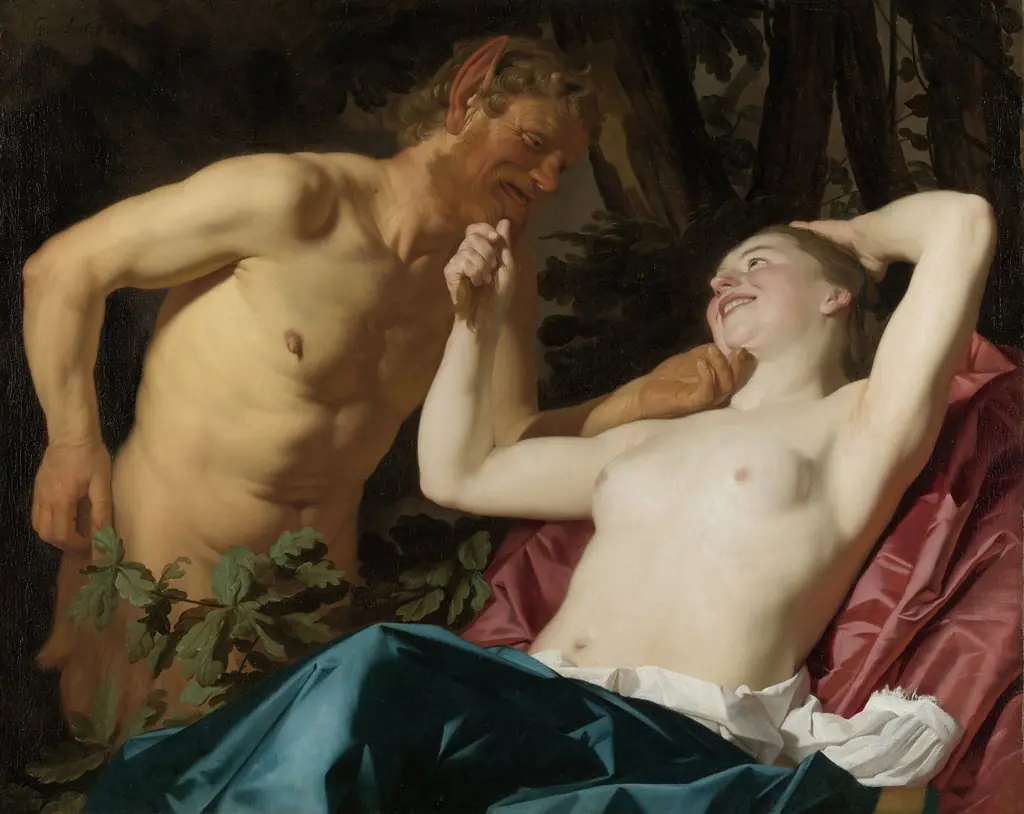 Satyr and Nymph
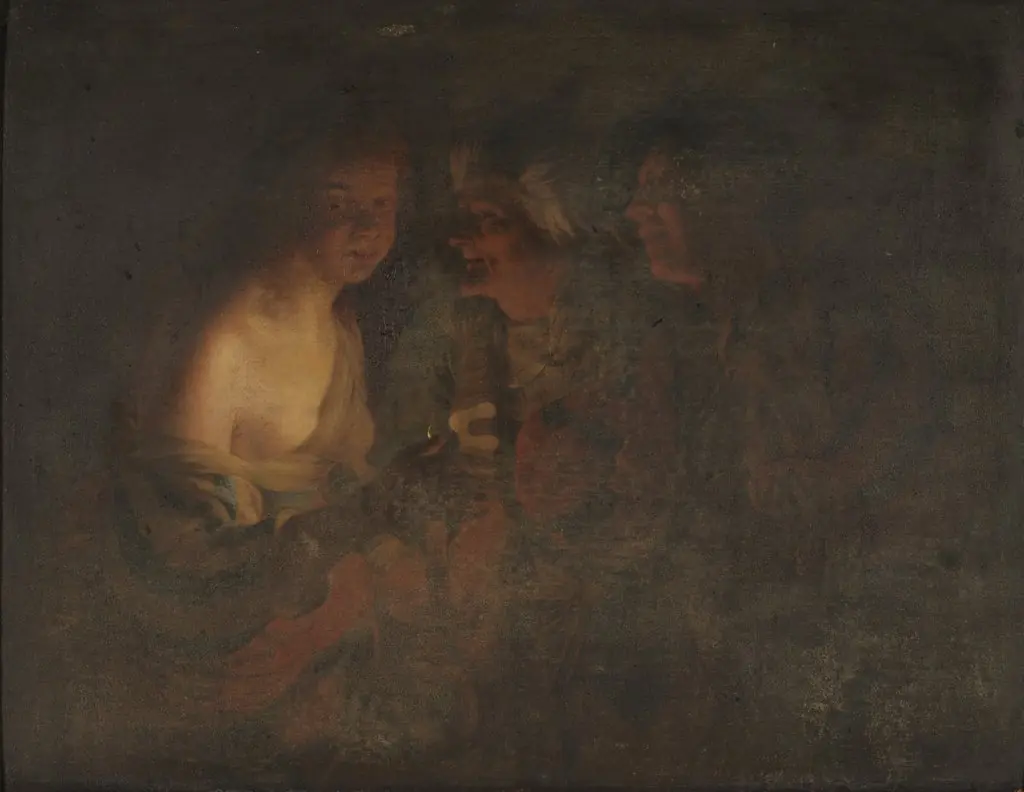 Young Woman with a Candlestick, Old Woman and a Violin Player
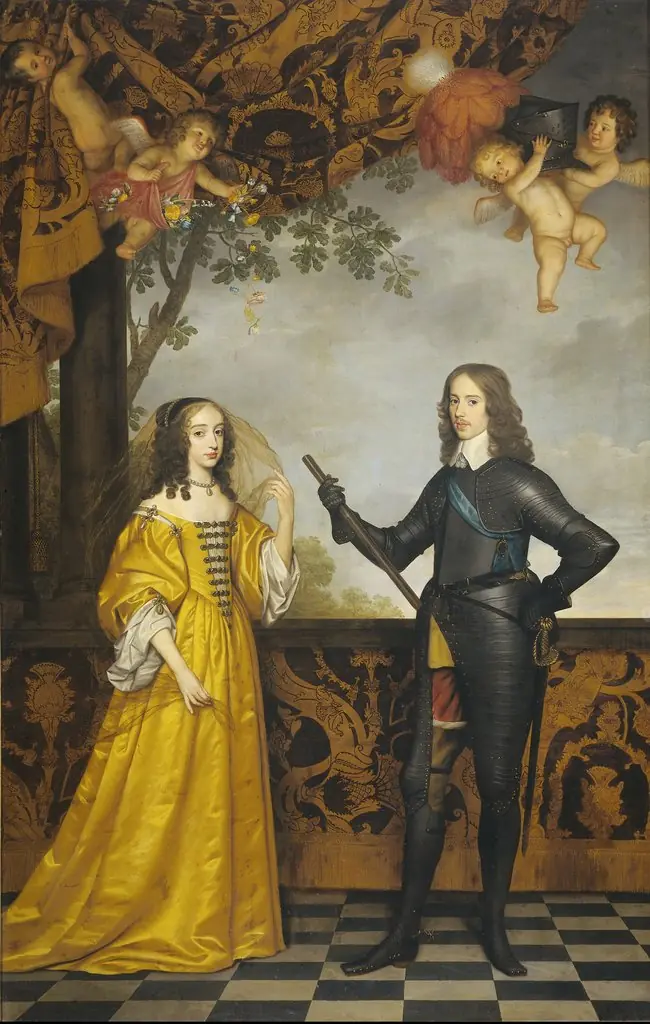 Willem II (1626-50), Prince of Orange, and his wife Maria Stuart (1631-60)
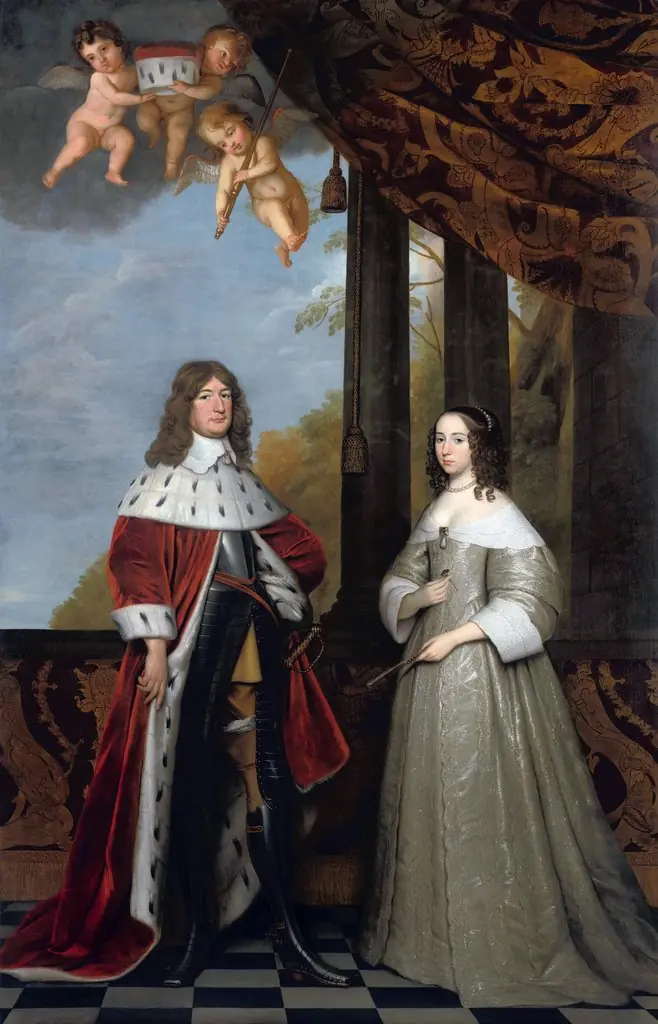 Friedrich Wilhelm (1620-88), Elector of Brandenburg, and his wife Louise Henriette (1627-67), Countess of Orange-Nassau
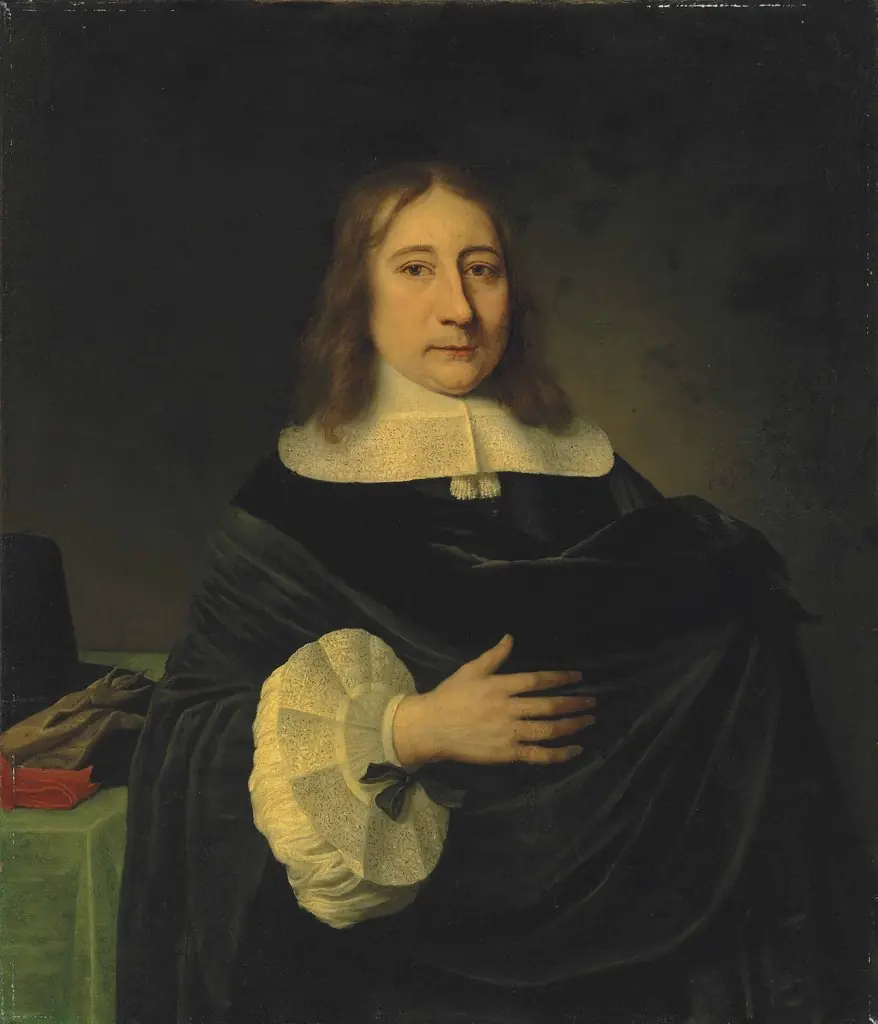 Portrait of one of the brothers Van der Burch, probably Arent van der Burch (1621-1691), 1656
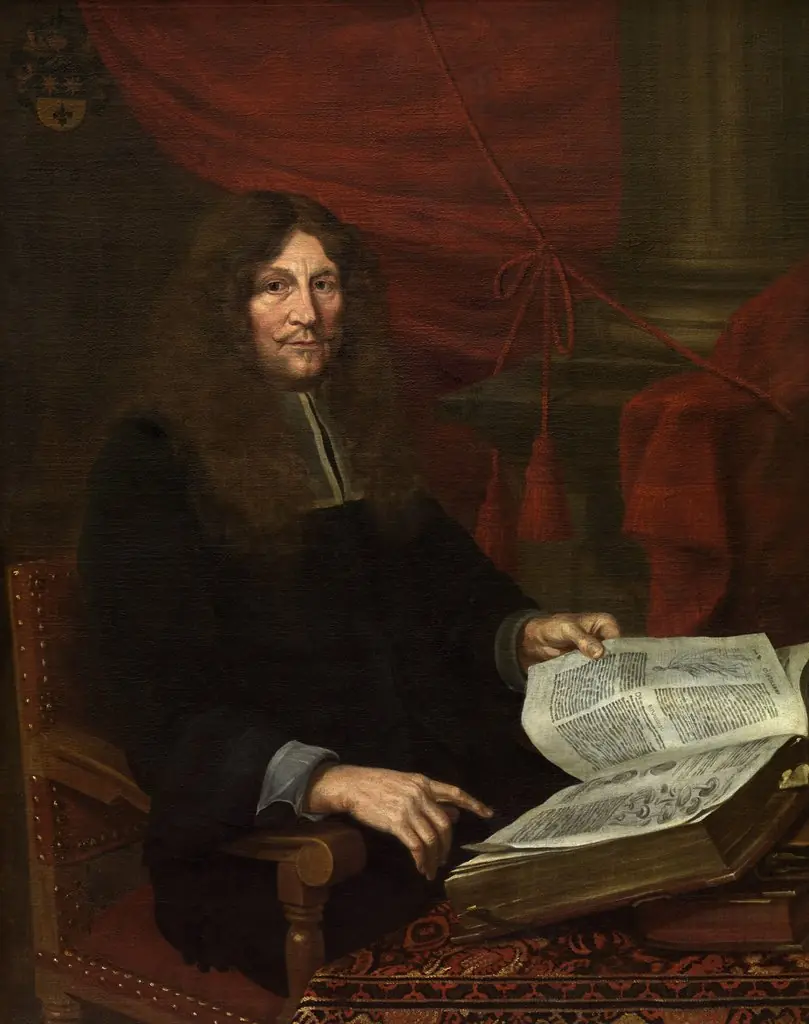 Johannes Franciscus Van Sterbeeck
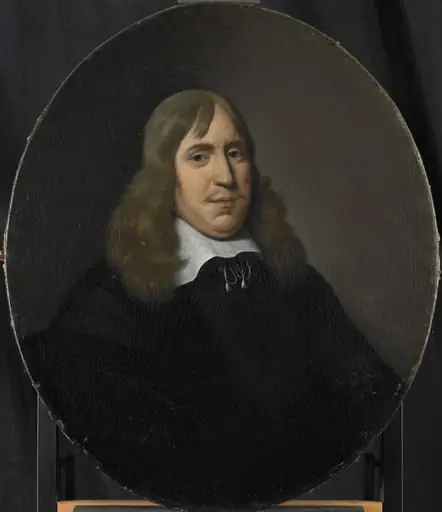 Portrait of Willem Hartigsvelt, Director of the Rotterdam Chamber of the Dutch East India Company, elected 1657
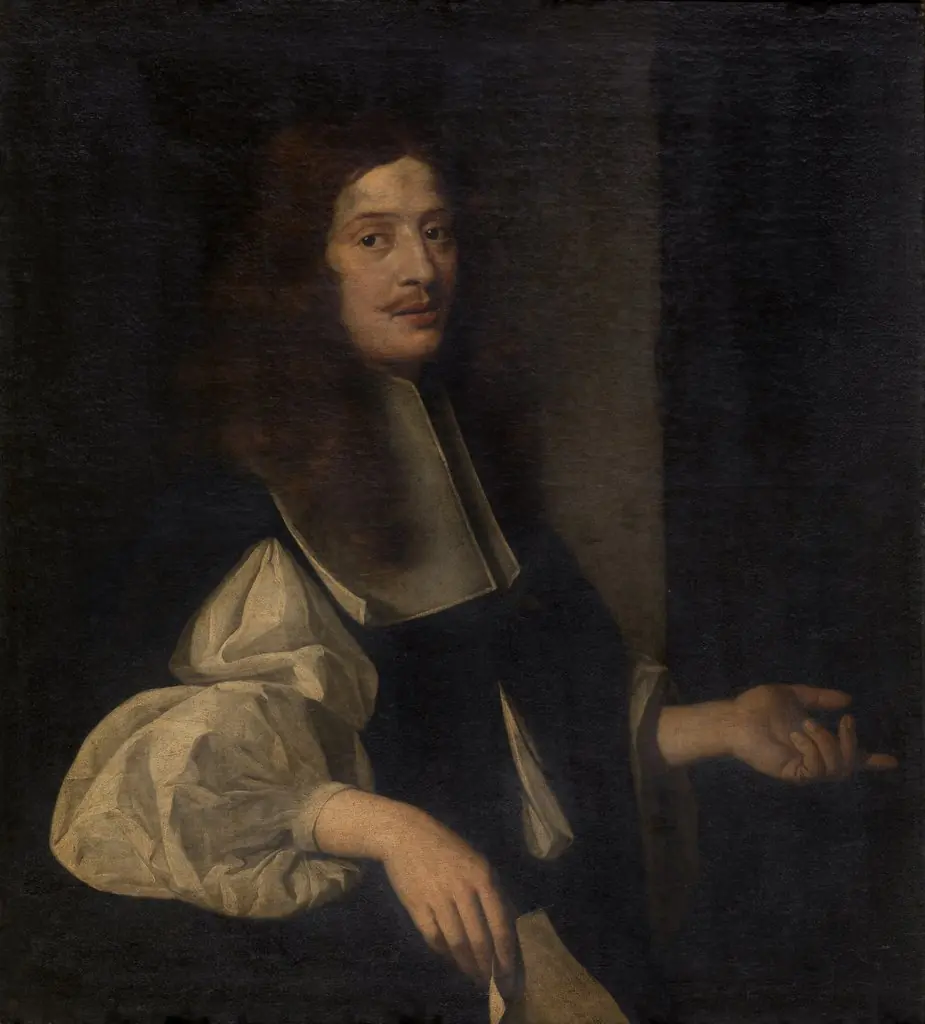 Portrait of a Man
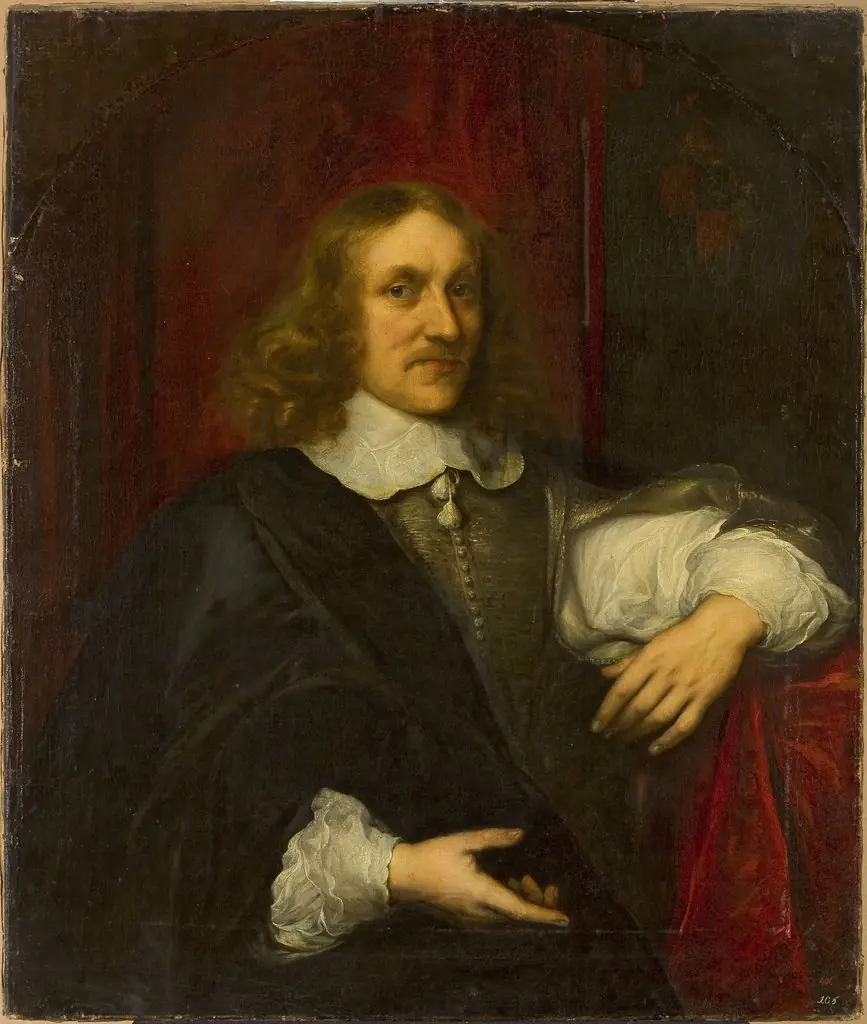 Portrait of a man
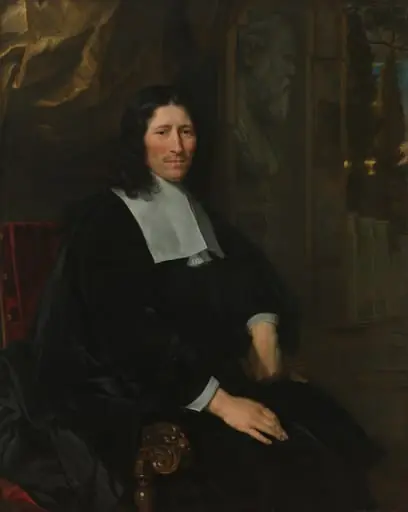 Portrait of Pieter de la Court
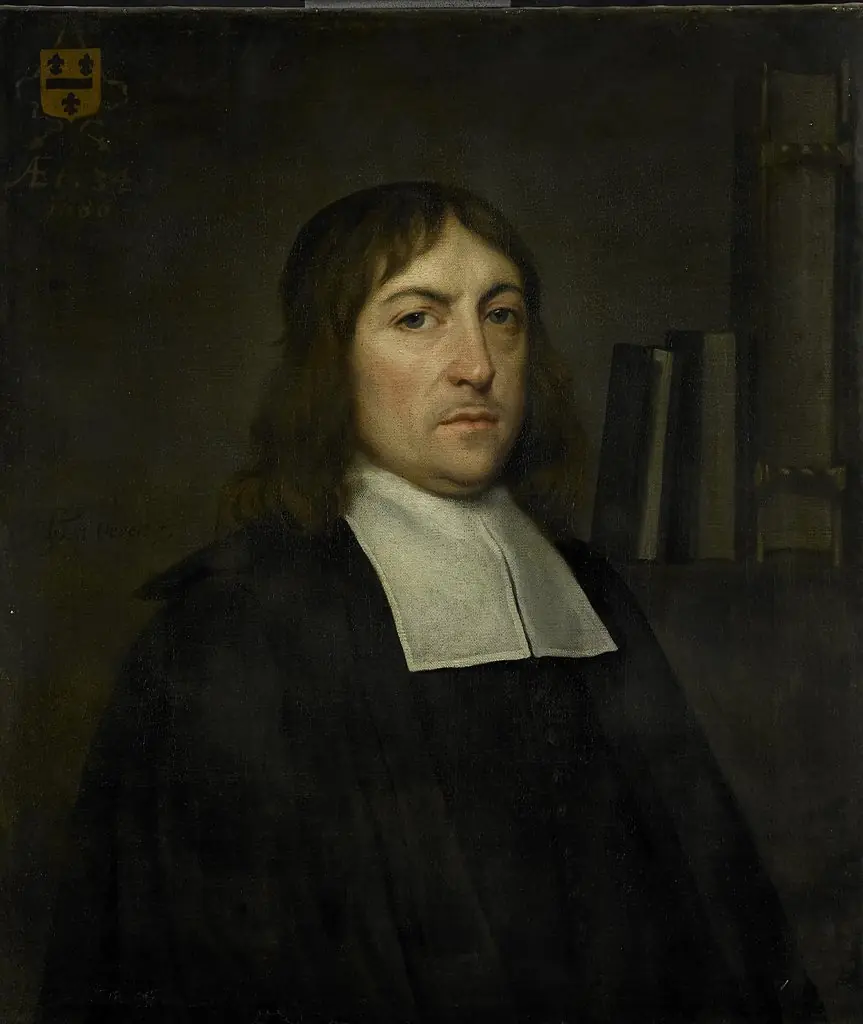 Portrait of Barend Hakvoort (1652-1735), bookseller, church reader and catechism master in Zwolle
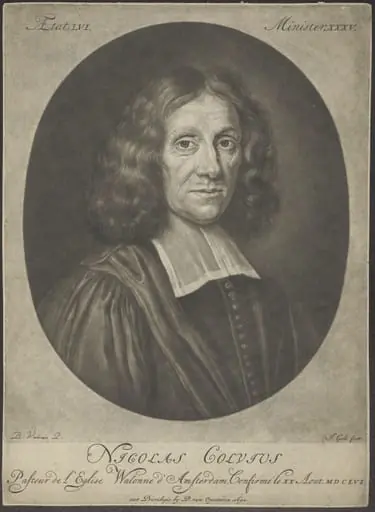 Portrait of Nicolas Colvius, Walloon minister in AmsterdaM
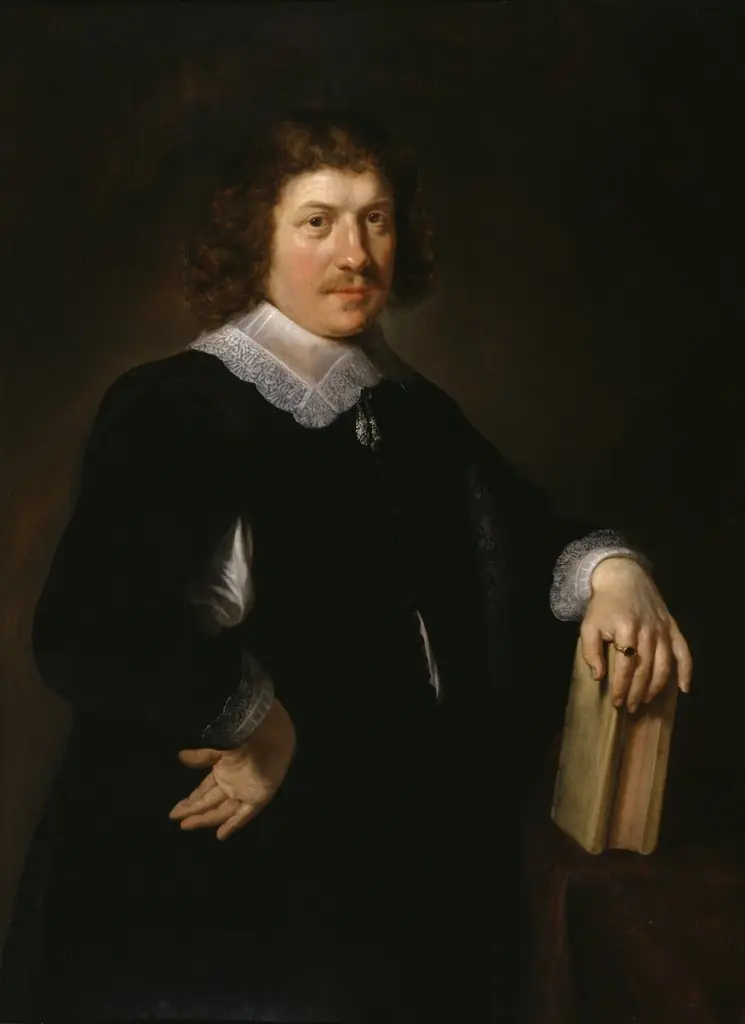 Portrait of a Husband
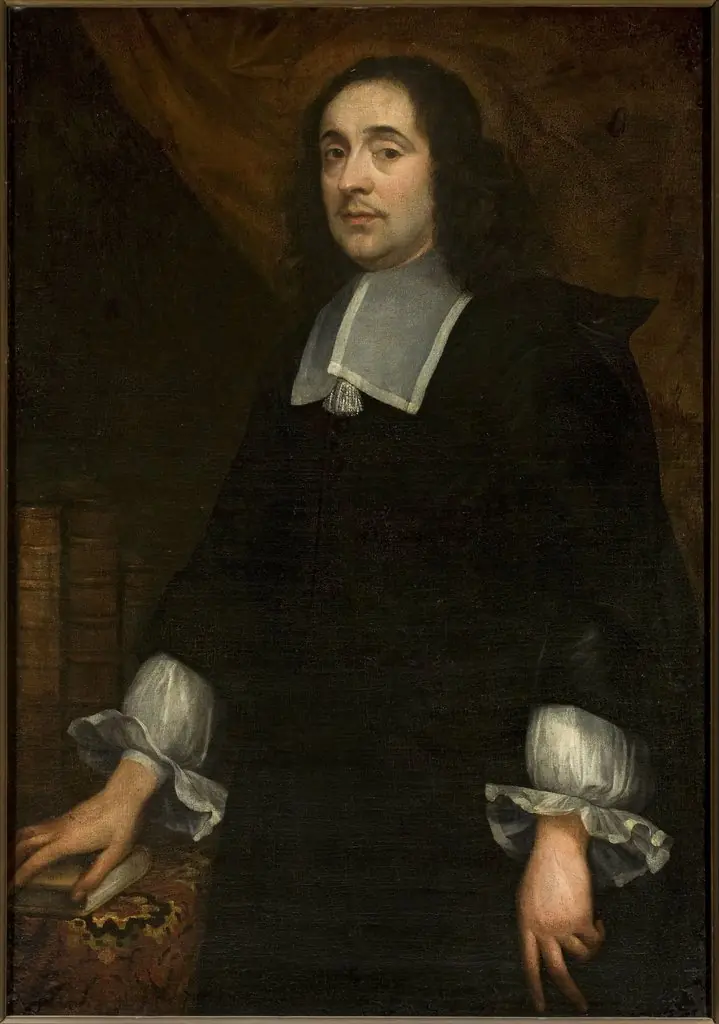 Portrait of a man at the table covered with a carpet
 Jacob de Witt (1589-1674)
 Portrait of Mr. Jan Bernd Schaep (1633-1666)