Artwork
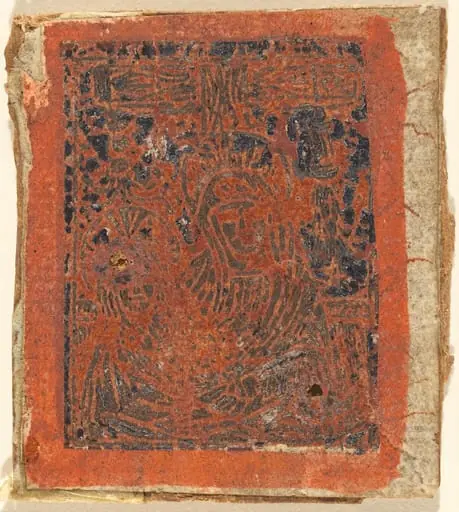
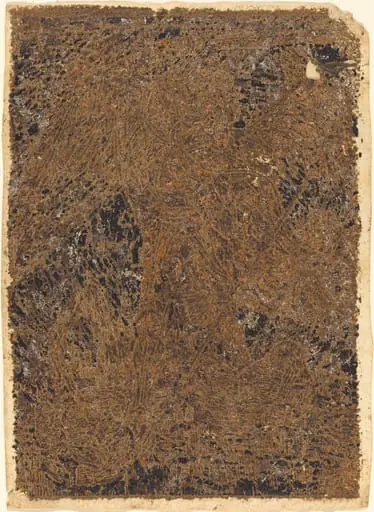
Christ Carrying the Cross
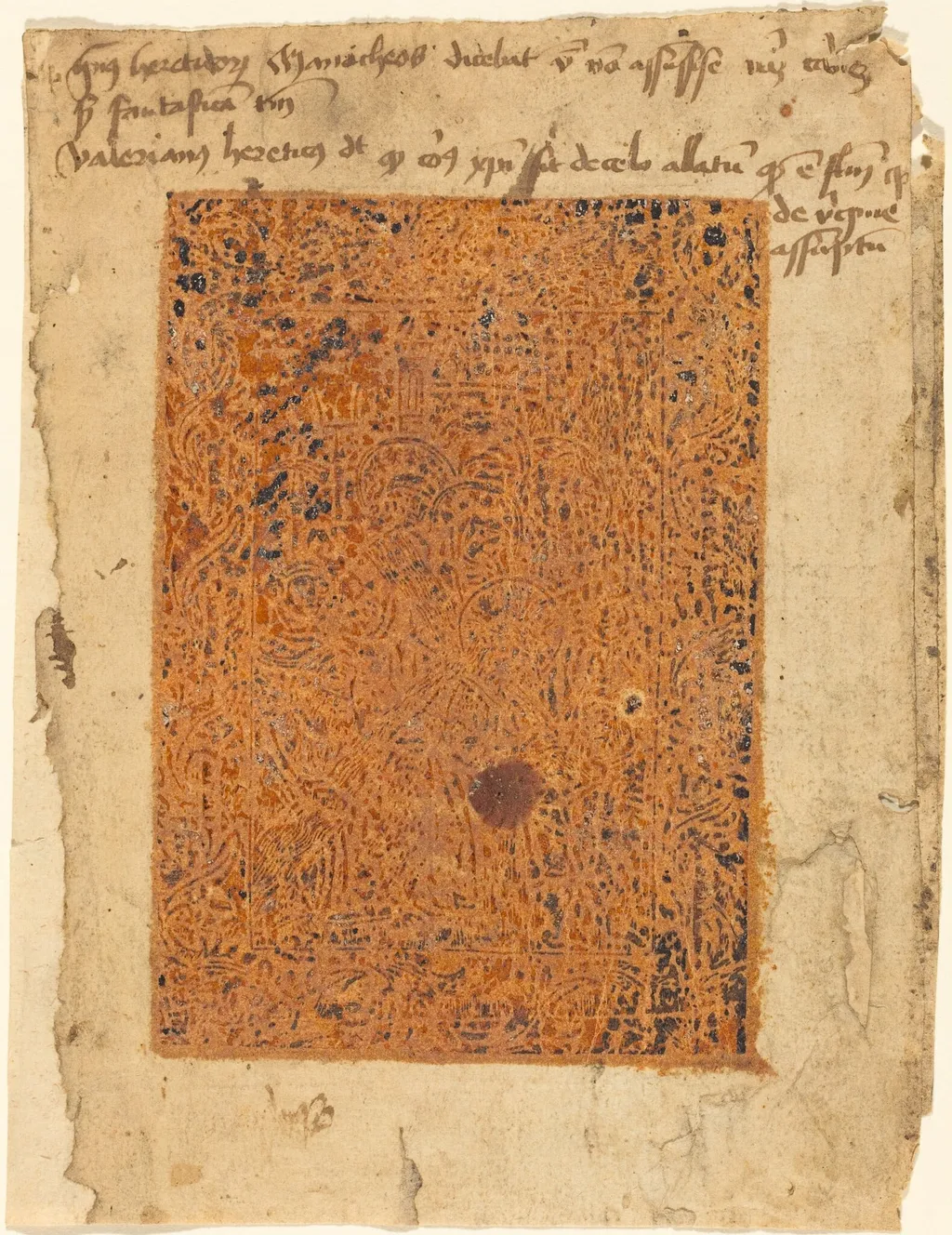
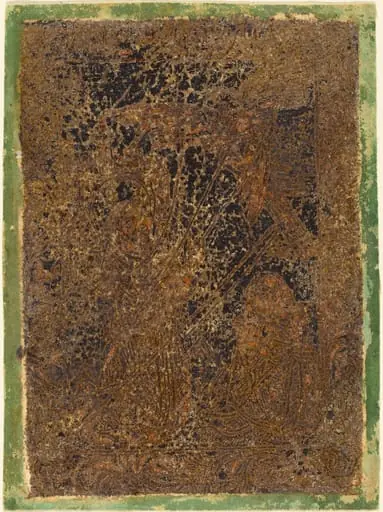
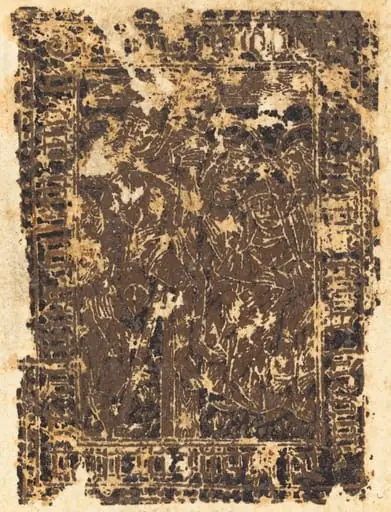
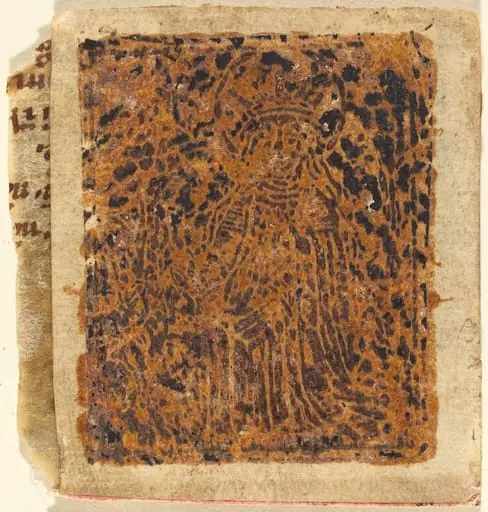
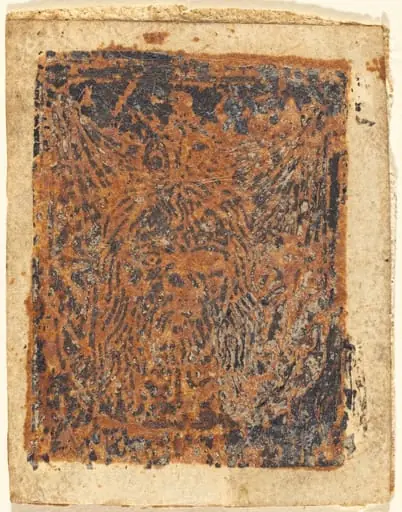
Christ Carrying the Cross is a print by the Renaissance artist German 15th Century. It dates from 1480 and is held in the collection of the National Gallery of Art. This is a woodcut print on laid paper, created during the Renaissance period.
About this work
Overview
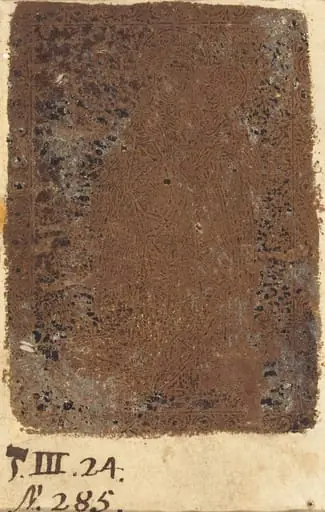
The paper is yellowed, with handwritten annotations along the margins, suggesting it was once owned or studied by an individual.
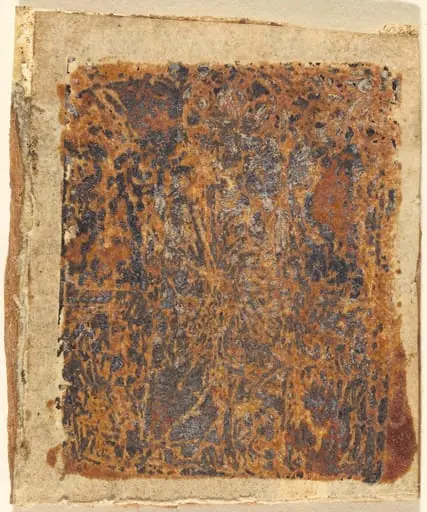
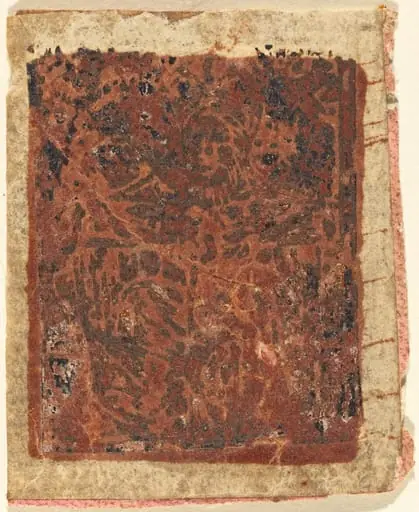
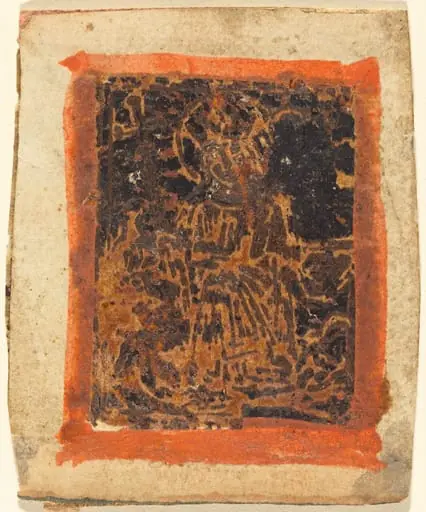
This is a woodcut print on laid paper, created during the Renaissance period. The image depicts Christ bearing the cross, rendered in a simplified, monochromatic style. The print’s brownish tones and faded condition reflect its age and the limitations of early printing techniques. The paper is yellowed, with handwritten annotations along the margins, suggesting it was once owned or studied by an individual.
Subject & Meaning
The scene portrays Christ carrying the cross toward Calvary, a common devotional subject in Christian art. The figure is draped in a long robe, his posture conveying exhaustion and solemnity. The lack of detailed facial expression or emotional intensity reflects a focus on the ritual act rather than individual suffering, aligning with devotional practices that emphasized contemplation over drama.
Technique & Style
Executed as a woodcut, the image was made by carving lines into a wooden block, inking the surface, and pressing it onto paper. The background is filled with dense, irregular strokes that suggest a rugged landscape without defining it clearly. This economical style prioritized reproduction over detail, allowing the image to be widely distributed at low cost, typical of popular religious prints of the time.
History & Provenance
The print’s handwritten marginalia and worn condition indicate it was handled and possibly used in private devotion. Its survival suggests it was valued by its owner despite its modest production. Such prints were often kept in homes or carried as portable aids for prayer, circulating among laypeople who lacked access to painted altarpieces or manuscripts.
Context
Produced during the Renaissance, this woodcut reflects the growing demand for affordable religious imagery outside elite circles. While major artists were refining perspective and anatomy, this print represents a parallel tradition of mass-produced devotion. Its crude execution contrasts with contemporary panel paintings but reveals how religious narratives reached broader audiences through print.
Legacy
This print exemplifies the democratization of religious imagery through print technology. Though artistically unrefined, it played a role in shaping popular piety by making sacred scenes accessible. Its survival offers insight into how ordinary people engaged with faith, preserving a visual culture that often went unrecorded in formal art histories.
Artist & collection

Artist
This 15th-century German artist carved vivid religious scenes into metal and wood, then hand-painted them in bright, symbolic colors.

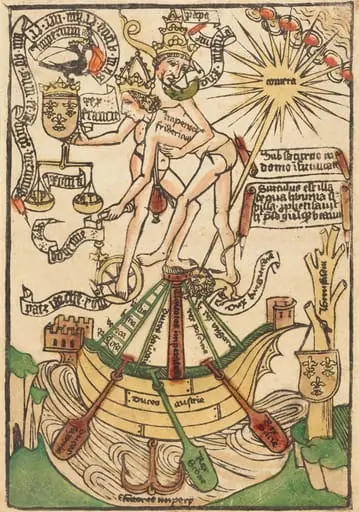 Allegory of the Meeting of Pope Paul II and Emperor Frederick III
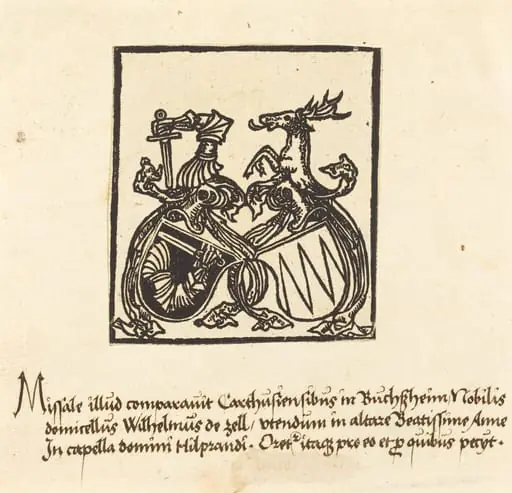 Bookplate of Wilhelm von Zell
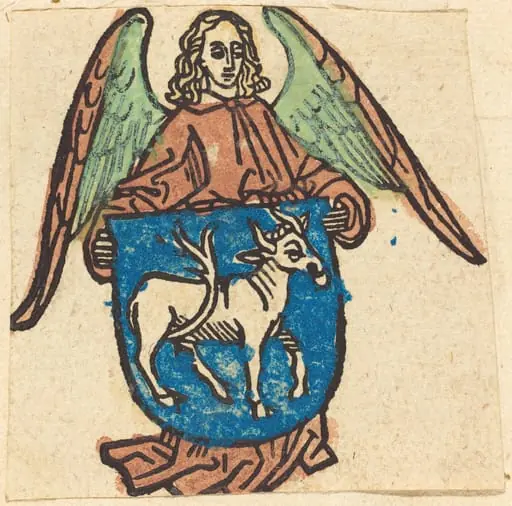 Bookplate of Hilprand Brandenburg of Bibrach
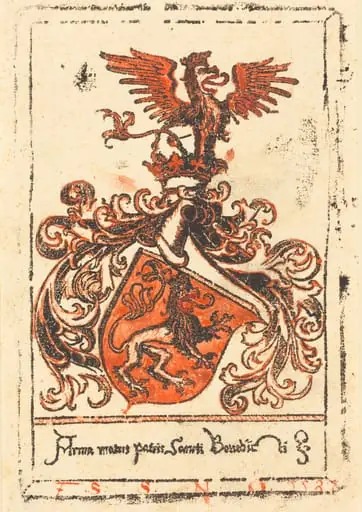 Bookplate of the Abbey of Ottobeuren
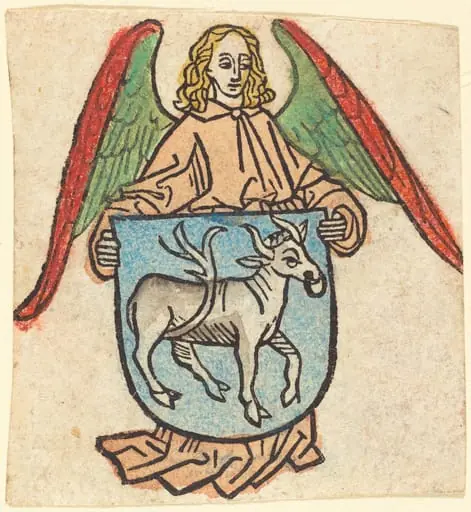 Bookplate of Hilprand Brandenburg of Bibrach
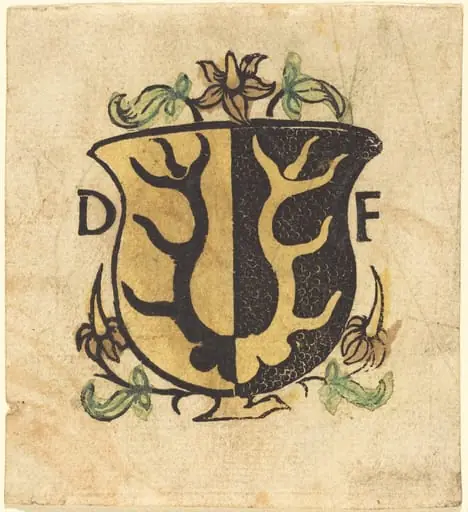 Bookplate of Dominicus Frauenfelder
![Studies for Six Figures (sheet from a model book) [recto], by German 15th Century](https://artifactworldgallery.com/img/german-15th-century--studies-for-six-figures-sheet-from-a-model-book-recto--4837429e0755bc3f-w320.webp) Studies for Six Figures (sheet from a model book) [recto]
Studies for Six Figures (sheet from a model book) [recto]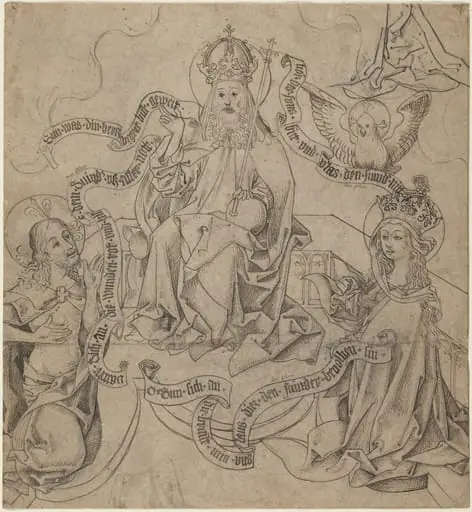 Christ and Mary Interceding with God the Father