Artwork
Saint Michael
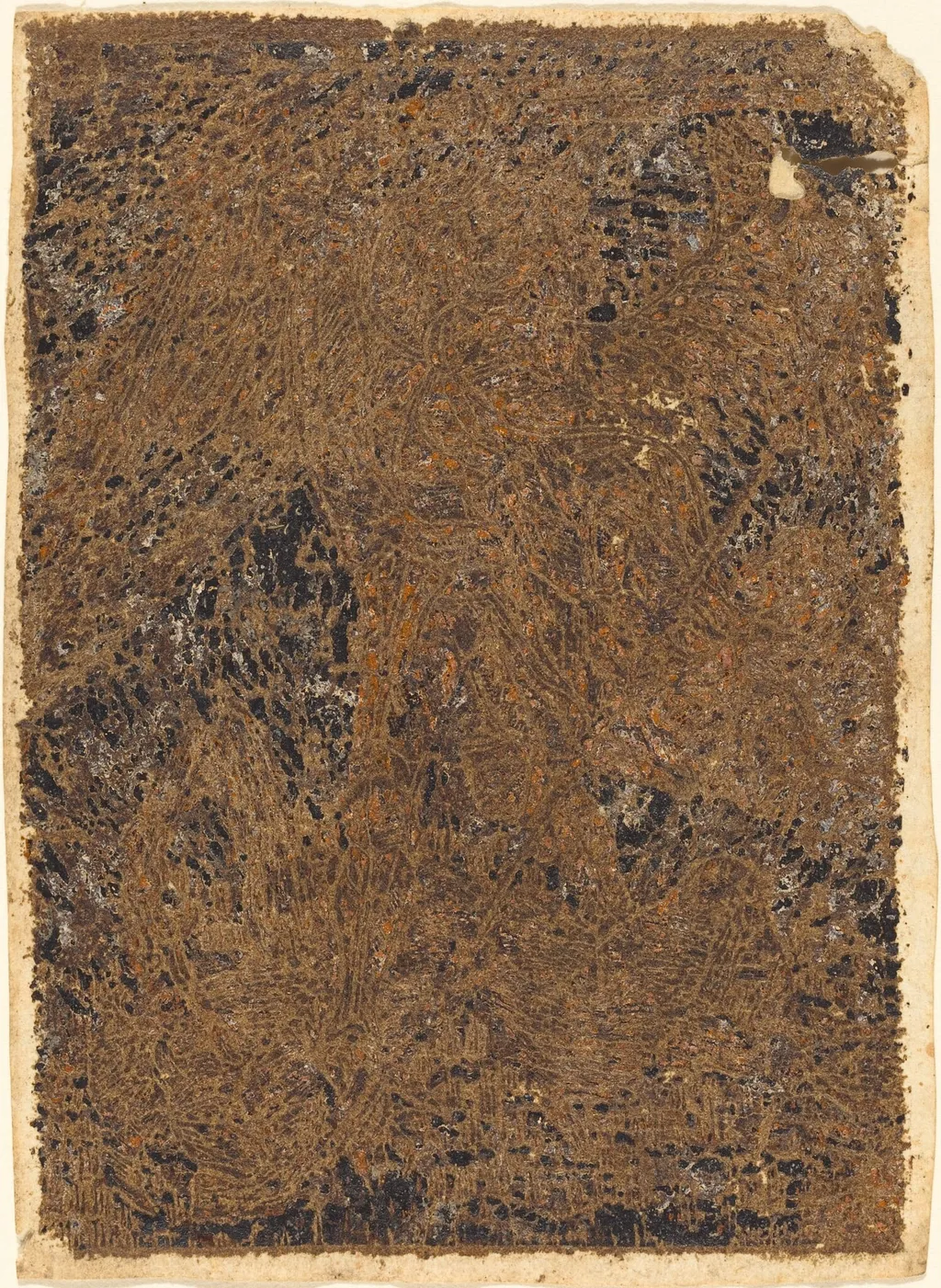
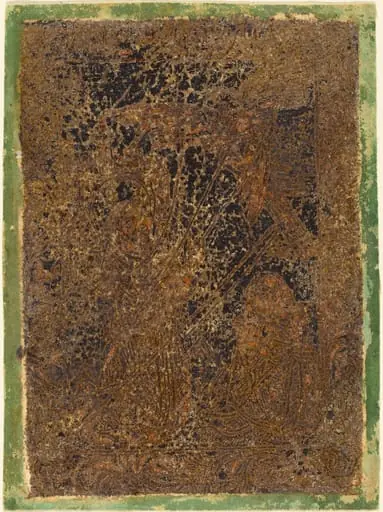
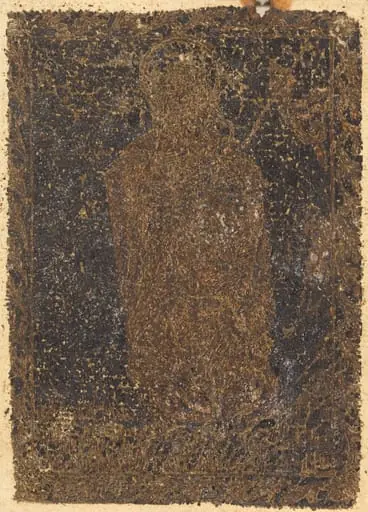
Saint Michael is a print by the Renaissance artist German 15th Century. It dates from 1480 and is held in the collection of the National Gallery of Art.
About this work
Overview
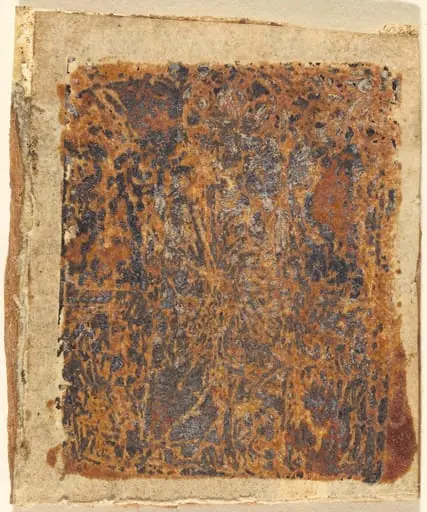
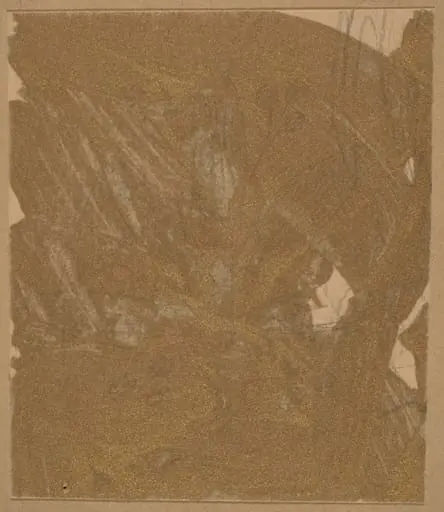
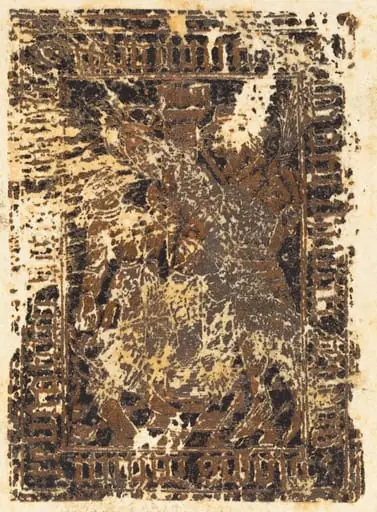
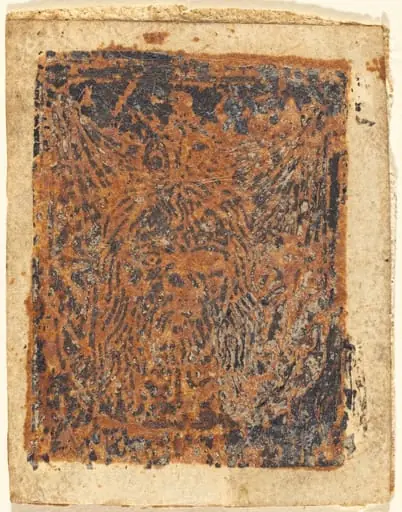
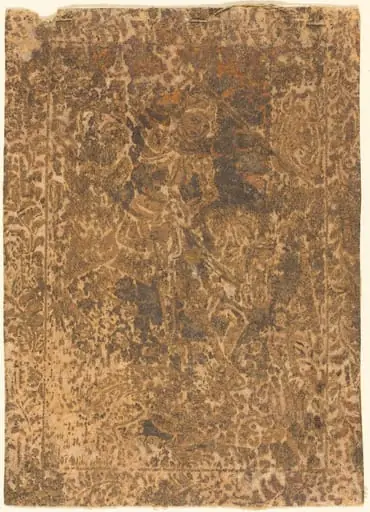
Saint Michael is a print executed with a paste technique on laid paper. The work presents a heavily textured surface composed of fine brown and black fragments, giving the image a grainy, uneven appearance. A thin, pale border frames the composition, reminiscent of aged paper edges.
Subject & Meaning
The piece depicts the archangel Michael, traditionally shown as a celestial warrior. The stark contrast between light and dark areas emphasizes the figure’s dramatic presence, suggesting a narrative of spiritual conflict and triumph.
Technique & Style
Created by pressing pigmented paste into a design and transferring it onto paper, the print displays a tactile, almost stamp‑like quality. The artist employs chiaroscuro, using pronounced light and shadow to heighten depth and tension within the composition.
History & Provenance
The work is catalogued as a paste print, a method that saw limited use in the late nineteenth and early twentieth centuries. Details of its creation date, artist, or ownership history are not recorded in the available documentation.
Context
Paste printing emerged as an experimental alternative to traditional intaglio and lithography, allowing for a more spontaneous, textured effect. Saint Michael aligns with this experimental spirit, using the medium’s inherent roughness to convey a sense of immediacy.
Artist & collection

Artist
This 15th-century German artist carved vivid religious scenes into metal and wood, then hand-painted them in bright, symbolic colors.

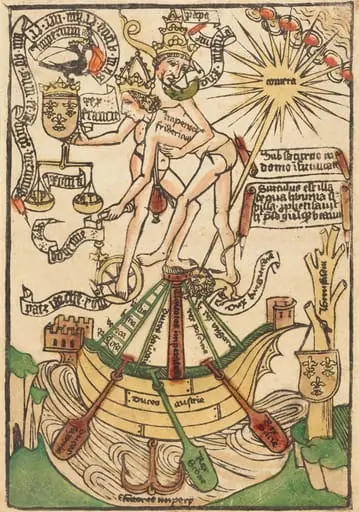 Allegory of the Meeting of Pope Paul II and Emperor Frederick III
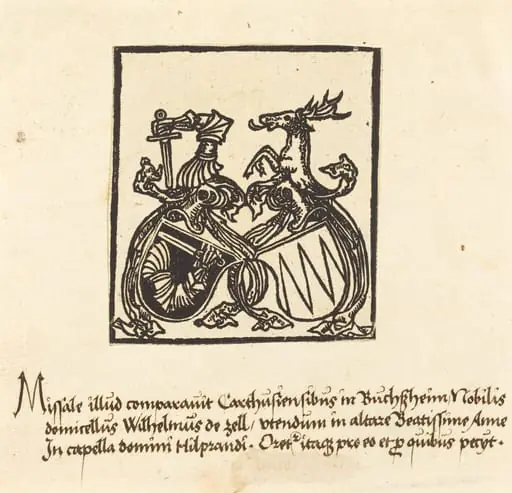 Bookplate of Wilhelm von Zell
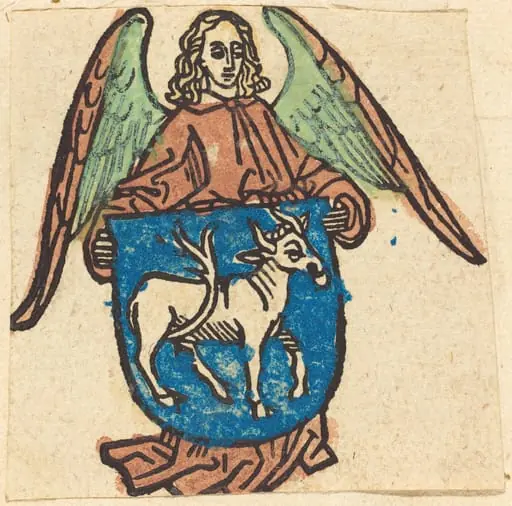 Bookplate of Hilprand Brandenburg of Bibrach
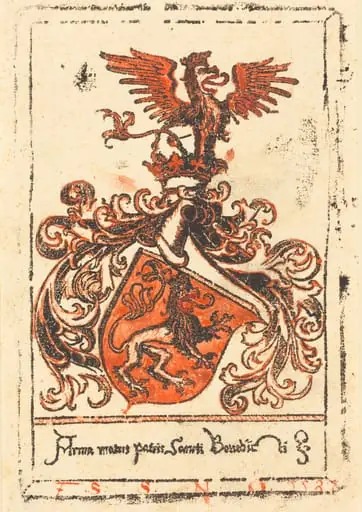 Bookplate of the Abbey of Ottobeuren
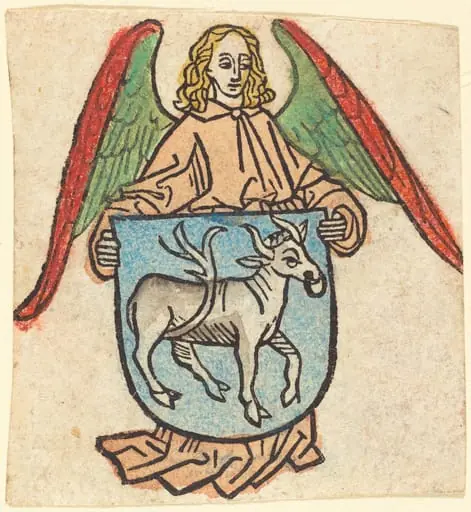 Bookplate of Hilprand Brandenburg of Bibrach
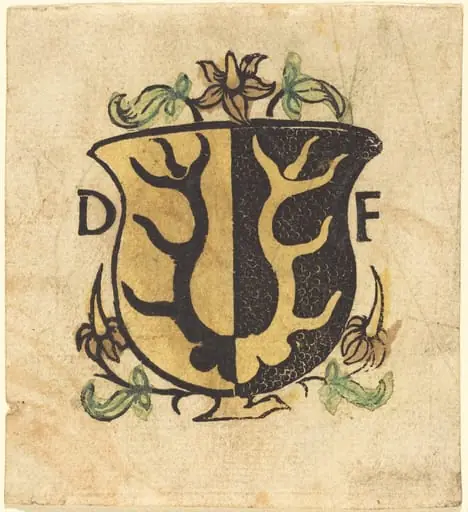 Bookplate of Dominicus Frauenfelder
![Studies for Six Figures (sheet from a model book) [recto], by German 15th Century](https://artifactworldgallery.com/img/german-15th-century--studies-for-six-figures-sheet-from-a-model-book-recto--4837429e0755bc3f-w320.webp) Studies for Six Figures (sheet from a model book) [recto]
Studies for Six Figures (sheet from a model book) [recto]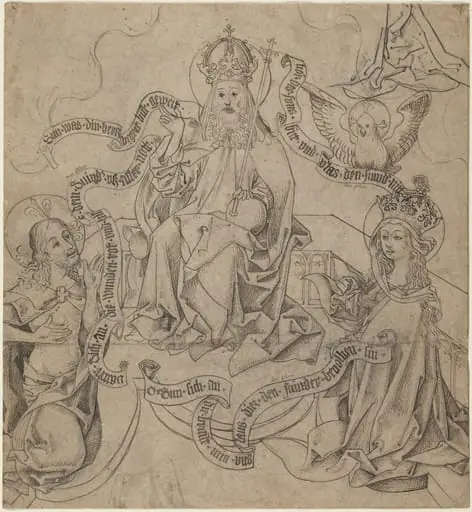 Christ and Mary Interceding with God the Father