Artwork
Crucifixion
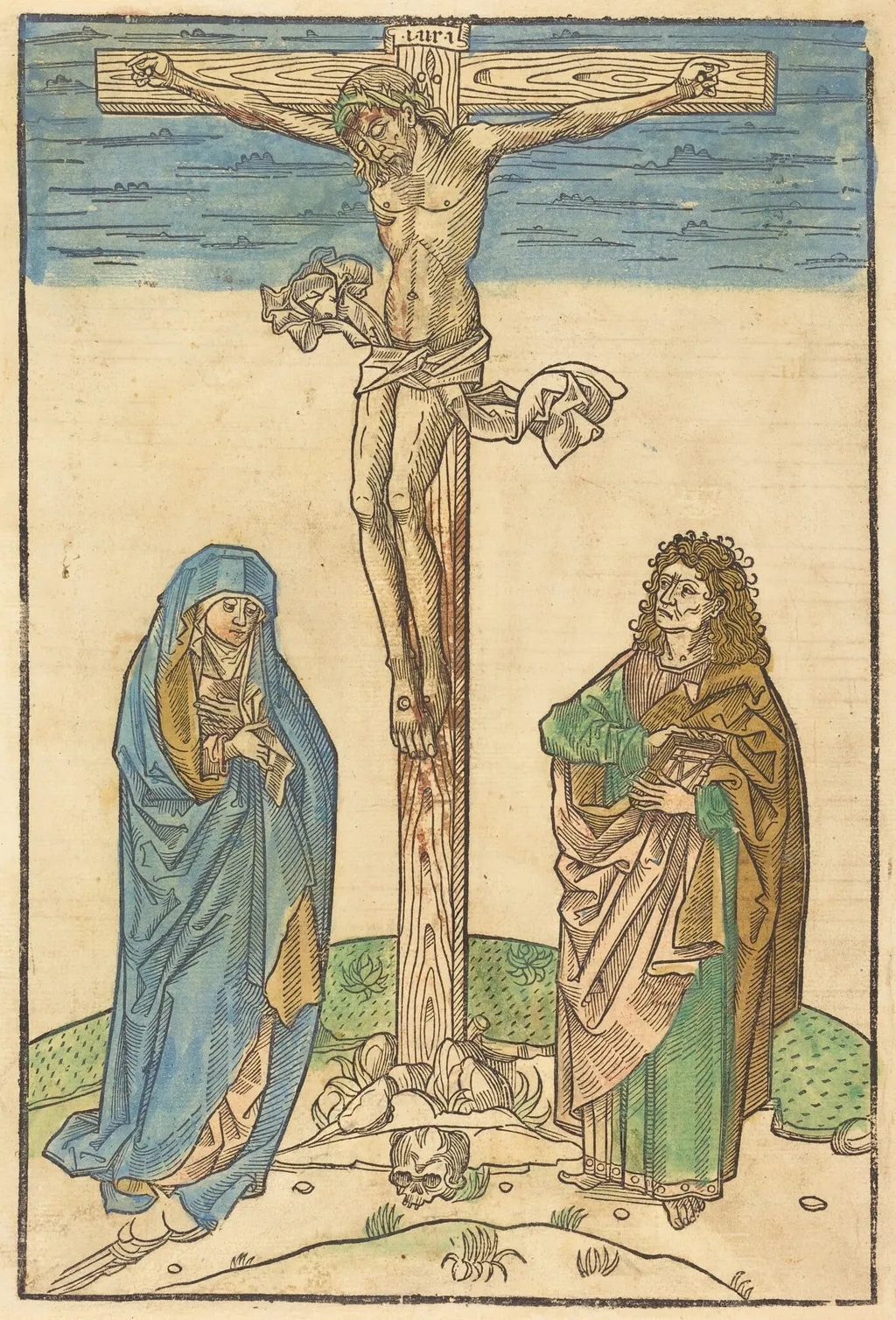
Crucifixion is an ink print by the Renaissance artist German 15th Century. It dates from 1483 and is held in the collection of the National Gallery of Art. The work is a hand‑coloured woodcut printed on laid paper, dated to 1483.
About this work
This painting shows a crucifixion scene with Jesus on the cross, a woman in a blue robe to the left, and a man in a green robe to the right.
This painting shows a crucifixion scene with Jesus on the cross, a woman in a blue robe to the left, and a man in a green robe to the right. The background is a blue sky with a few clouds.
The woman is looking down, while the man is looking up at Jesus. The cross is made of wood and has a small sign at the top with the letters "INRI". The scene is set in a barren landscape with a few rocks and weeds.
The painting is a hand-colored woodcut on laid paper, created in 1483. It is an example of Renaissance art. To learn more about this style, look up the Renaissance.
Overview
The work is a hand‑coloured woodcut printed on laid paper, dated to 1483. It depicts a crucifixion set against a clear blue sky, with a barren foreground of rocks and sparse vegetation. The central figure of Christ is mounted on a wooden cross bearing the inscription INRI, flanked by two standing figures in contrasting robes.
Subject & Meaning
On the left, a woman dressed in a blue garment gazes downward, while on the right a man in green looks upward toward the crucified figure. Their opposing gestures suggest a narrative of mourning and reverence, framing the central Christian theme of sacrifice and redemption within a simple, contemplative composition.
Technique & Style
The image was produced by carving a design into a wooden block, inking it, and pressing it onto laid paper. After printing, the artist applied hand‑applied colour to enhance details. The work reflects early Renaissance sensibilities, combining linear clarity with a modest use of colour to convey depth and emotion.
History & Provenance
Created in the late 15th century, the print belongs to the period when woodcut printing was expanding as a medium for religious illustration. While specific ownership records are scarce, the piece exemplifies the spread of devotional imagery across Europe during the Renaissance, likely circulating among private collectors and ecclesiastical patrons.
Artist & collection

Artist
This 15th-century German artist carved vivid religious scenes into metal and wood, then hand-painted them in bright, symbolic colors.

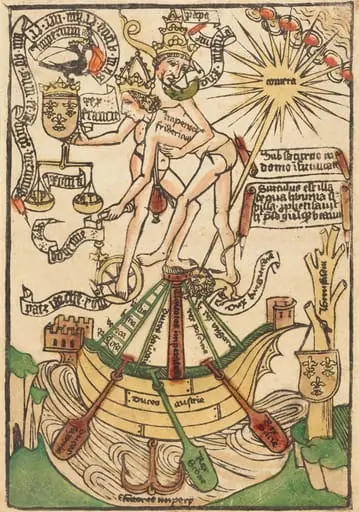 Allegory of the Meeting of Pope Paul II and Emperor Frederick III
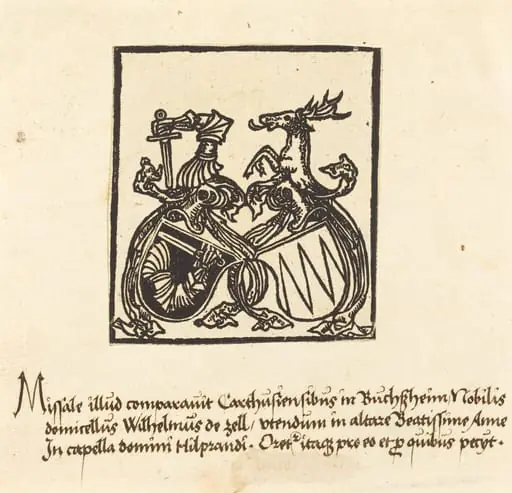 Bookplate of Wilhelm von Zell
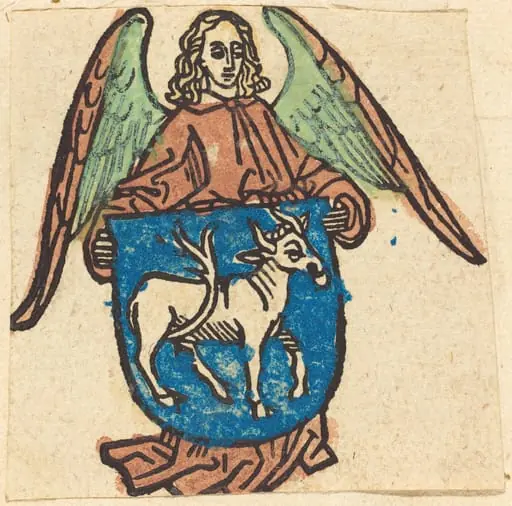 Bookplate of Hilprand Brandenburg of Bibrach
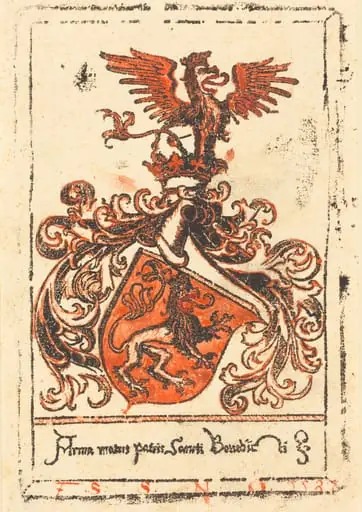 Bookplate of the Abbey of Ottobeuren
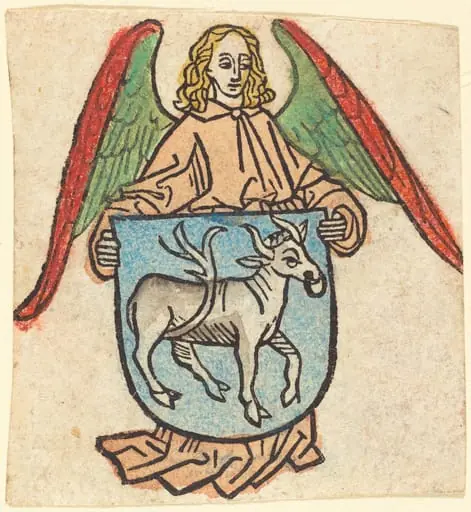 Bookplate of Hilprand Brandenburg of Bibrach
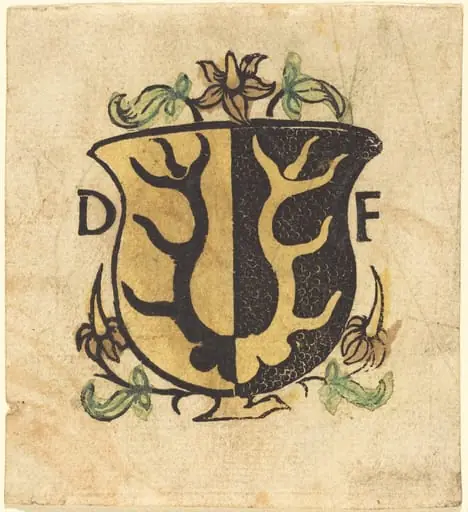 Bookplate of Dominicus Frauenfelder
![Studies for Six Figures (sheet from a model book) [recto], by German 15th Century](https://artifactworldgallery.com/img/german-15th-century--studies-for-six-figures-sheet-from-a-model-book-recto--4837429e0755bc3f-w320.webp) Studies for Six Figures (sheet from a model book) [recto]
Studies for Six Figures (sheet from a model book) [recto]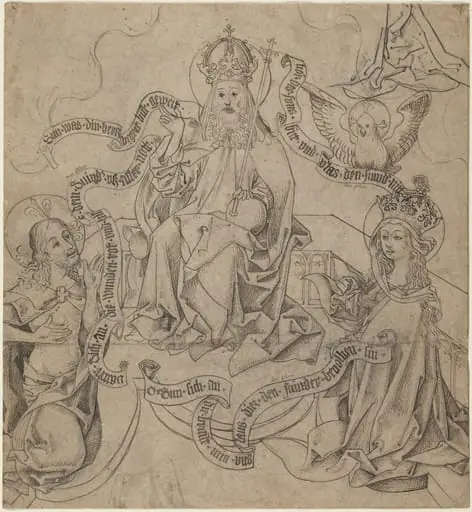 Christ and Mary Interceding with God the Father
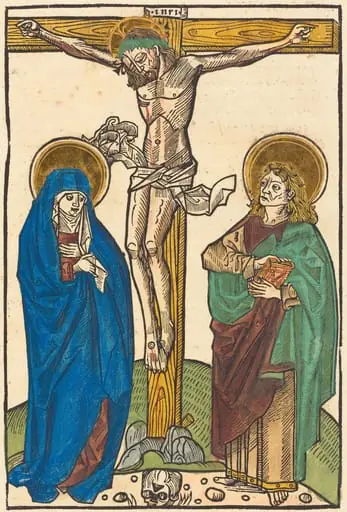 Christ on the Cross
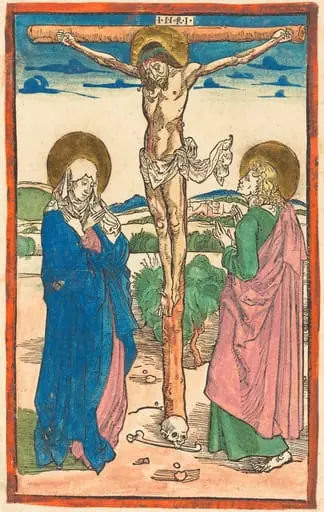 Christ on the Cross Between the Virgin and Saint John
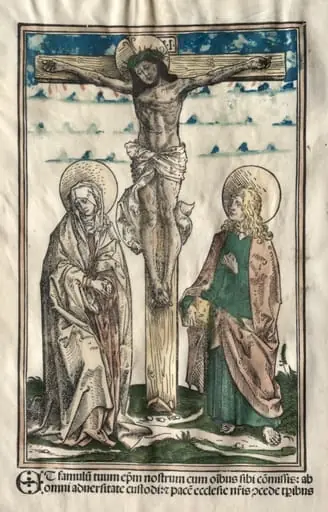 Christ on the Cross between Mary and John
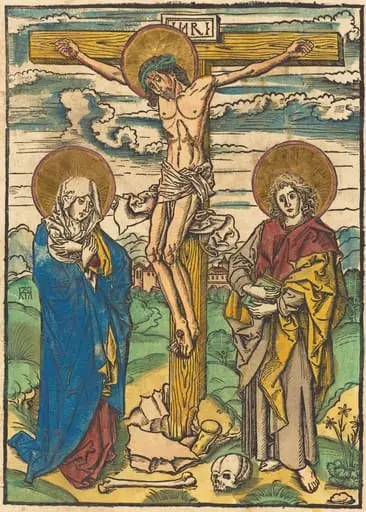 Christ on the Cross
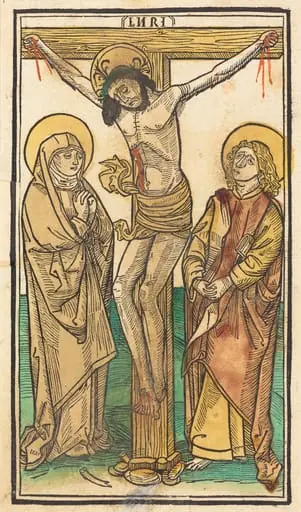 Christ on the Cross
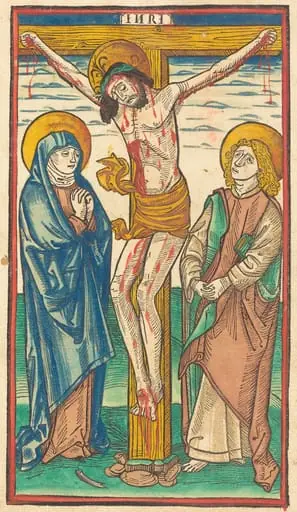 Christ on the Cross
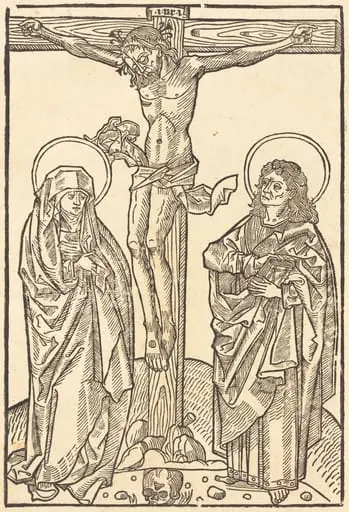 Christ on the Cross
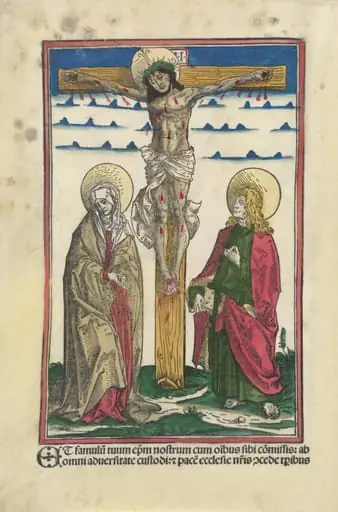 Christ on the Cross with the Virgin and Saint John
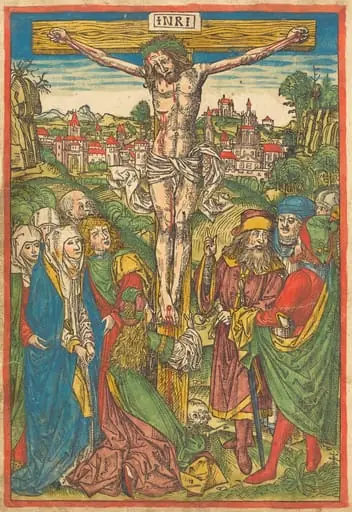 The Crucifixion with Saint Mary Magdalene
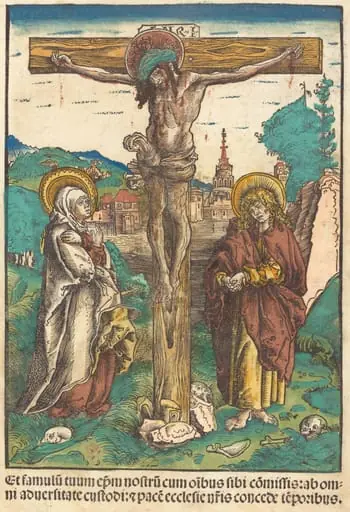 Christ on the Cross Between the Virgin and Saint John
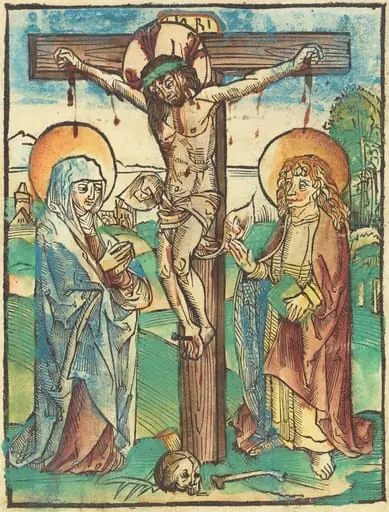 Christ on the Cross
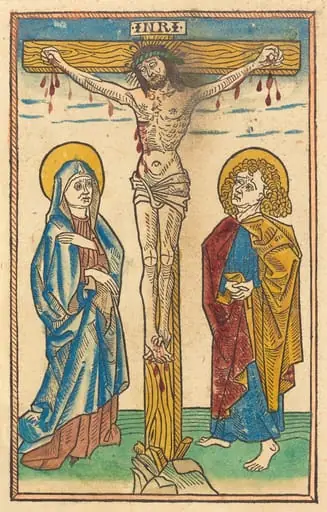 Christ on the Cross