Artwork
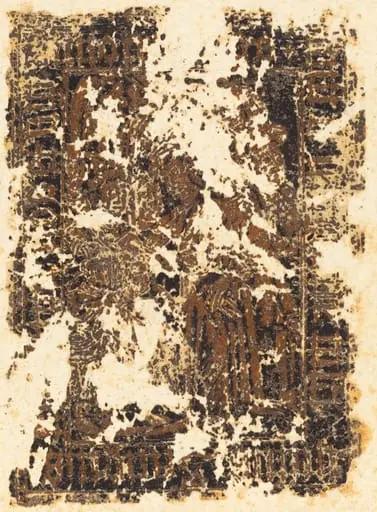
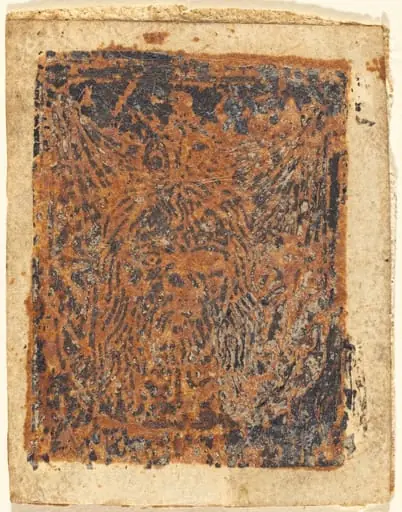
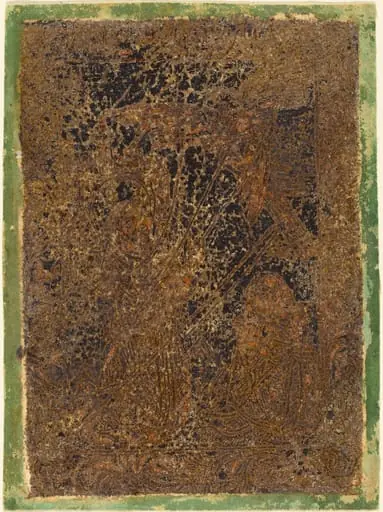
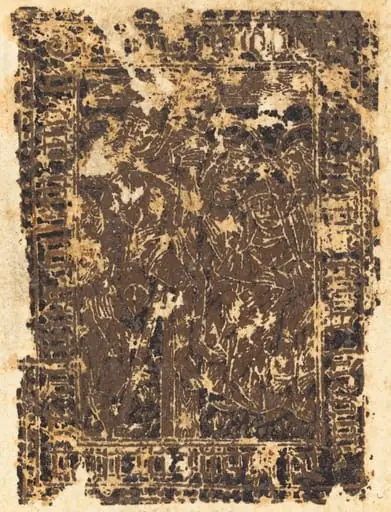
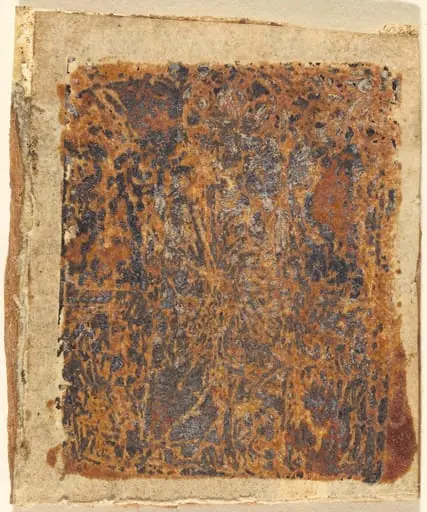
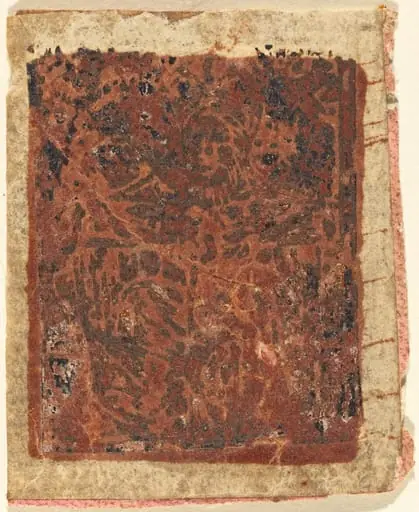
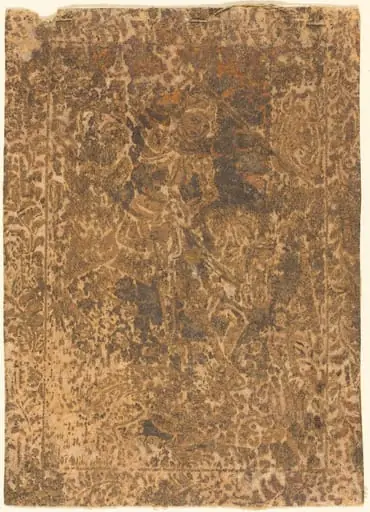
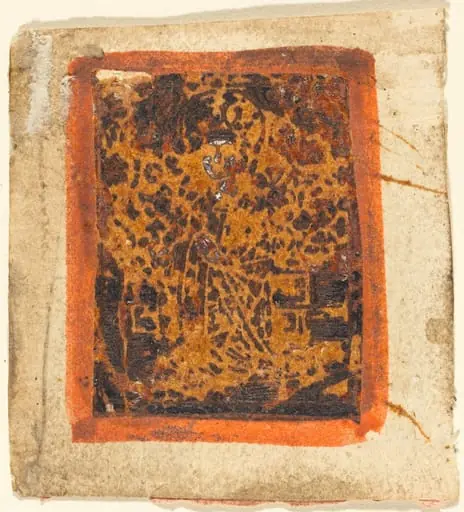
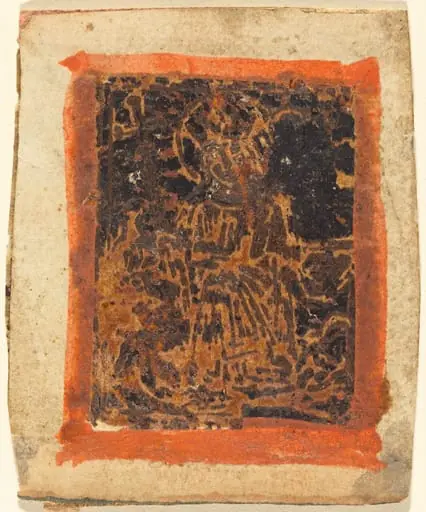
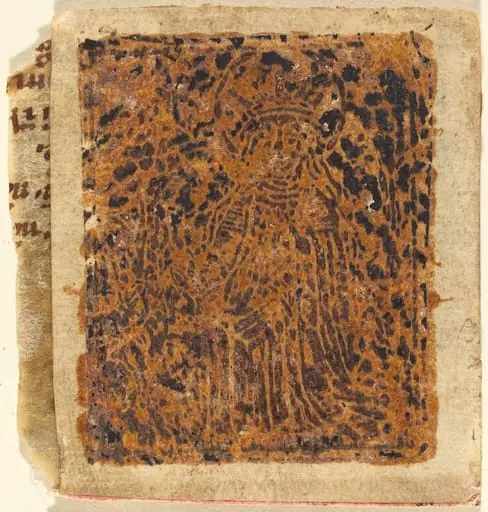
The Flagellation of Christ
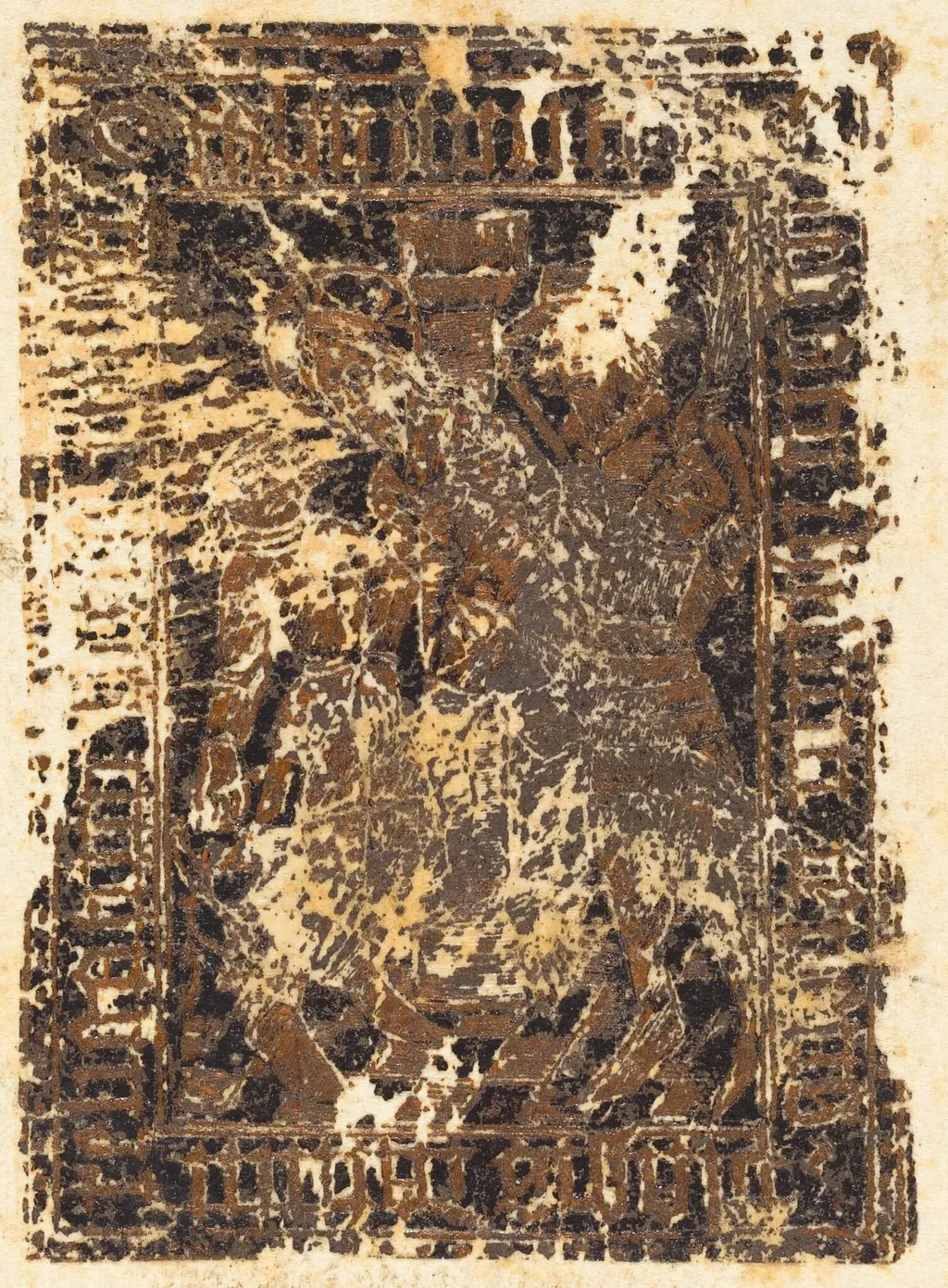
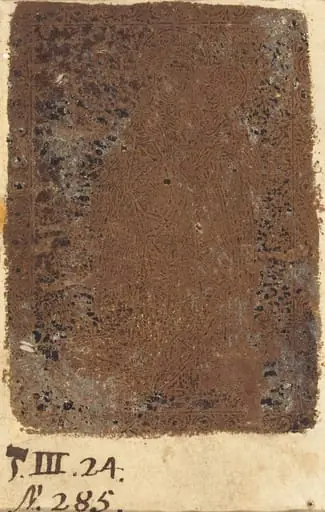
The Flagellation of Christ is a print by the Renaissance artist German 15th Century. It dates from 1484 and is held in the collection of the National Gallery of Art.
About this work
Overview
The work titled “The Flagellation of Christ” is a print executed on laid paper using a paste‑print technique. Its palette is limited to muted browns and creamy tones, giving the image a weathered appearance. The composition depicts a dimly lit interior where several figures are arranged in both standing and kneeling postures, creating a solemn and tense atmosphere.
Subject & Meaning
The scene represents the biblical episode of Christ’s flagellation, a moment traditionally invoked for contemplation of suffering and redemption. The arrangement of the figures, with the central figure of Christ subjected to blows, underscores themes of sacrifice and divine endurance, inviting devotional reflection typical of late medieval and early Renaissance religious imagery.
Technique & Style
Created with a paste‑print process on laid paper, the image retains a sketch‑like quality, suggesting a rapid execution possibly intended as a study or devotional aid. Strong chiaroscuro contrasts between light and shadow define the forms, a hallmark of the period’s religious prints, while the textured surface of the paper contributes to the work’s tactile, aged look.
History & Provenance
The print belongs to a broader corpus of religious reproductions circulated in the early modern era for private worship and instruction. Although specific ownership records are lacking, its material and stylistic traits align it with workshop productions that were widely distributed across Europe, serving both liturgical and personal devotional functions.
Artist & collection

Artist
This 15th-century German artist carved vivid religious scenes into metal and wood, then hand-painted them in bright, symbolic colors.

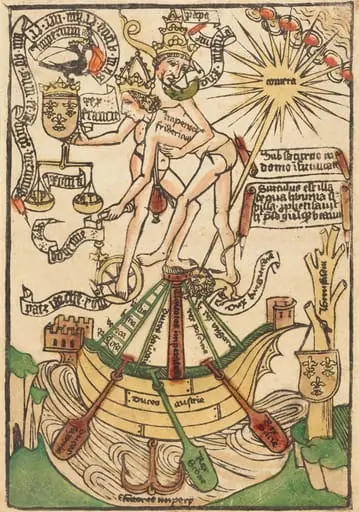 Allegory of the Meeting of Pope Paul II and Emperor Frederick III
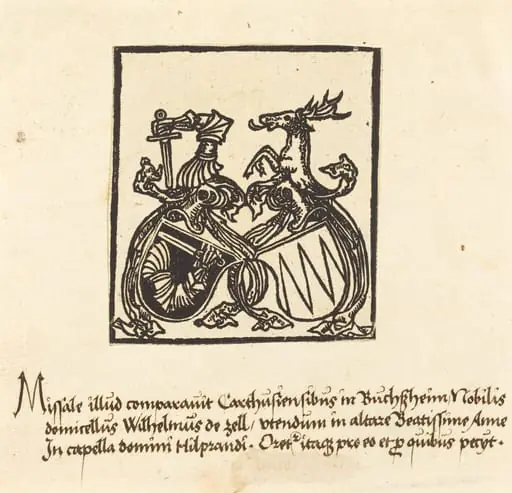 Bookplate of Wilhelm von Zell
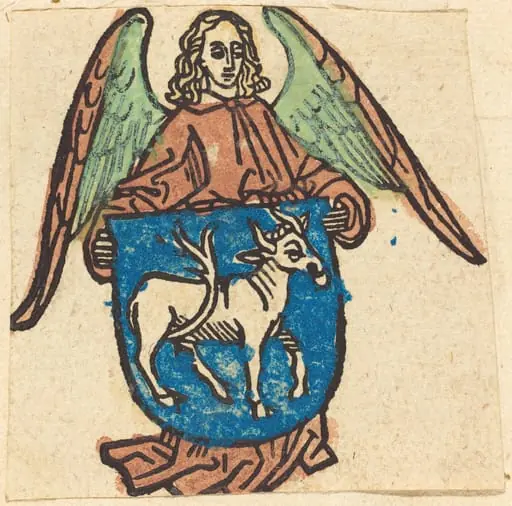 Bookplate of Hilprand Brandenburg of Bibrach
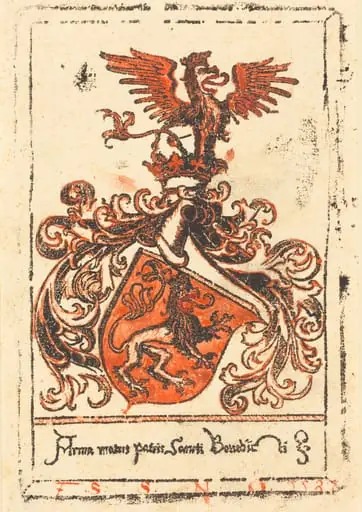 Bookplate of the Abbey of Ottobeuren
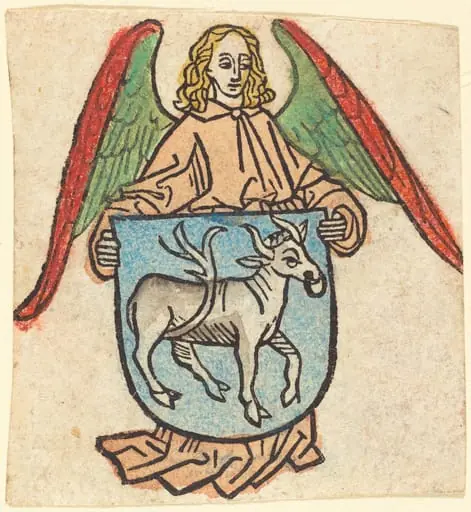 Bookplate of Hilprand Brandenburg of Bibrach
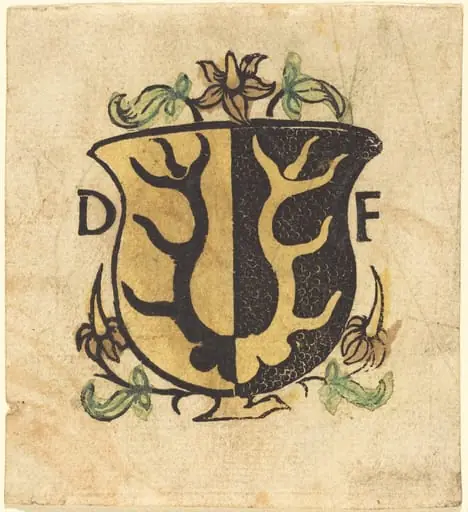 Bookplate of Dominicus Frauenfelder
![Studies for Six Figures (sheet from a model book) [recto], by German 15th Century](https://artifactworldgallery.com/img/german-15th-century--studies-for-six-figures-sheet-from-a-model-book-recto--4837429e0755bc3f-w320.webp) Studies for Six Figures (sheet from a model book) [recto]
Studies for Six Figures (sheet from a model book) [recto]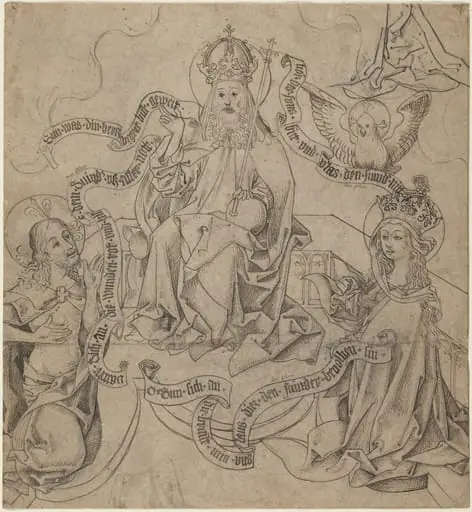 Christ and Mary Interceding with God the Father