Artwork
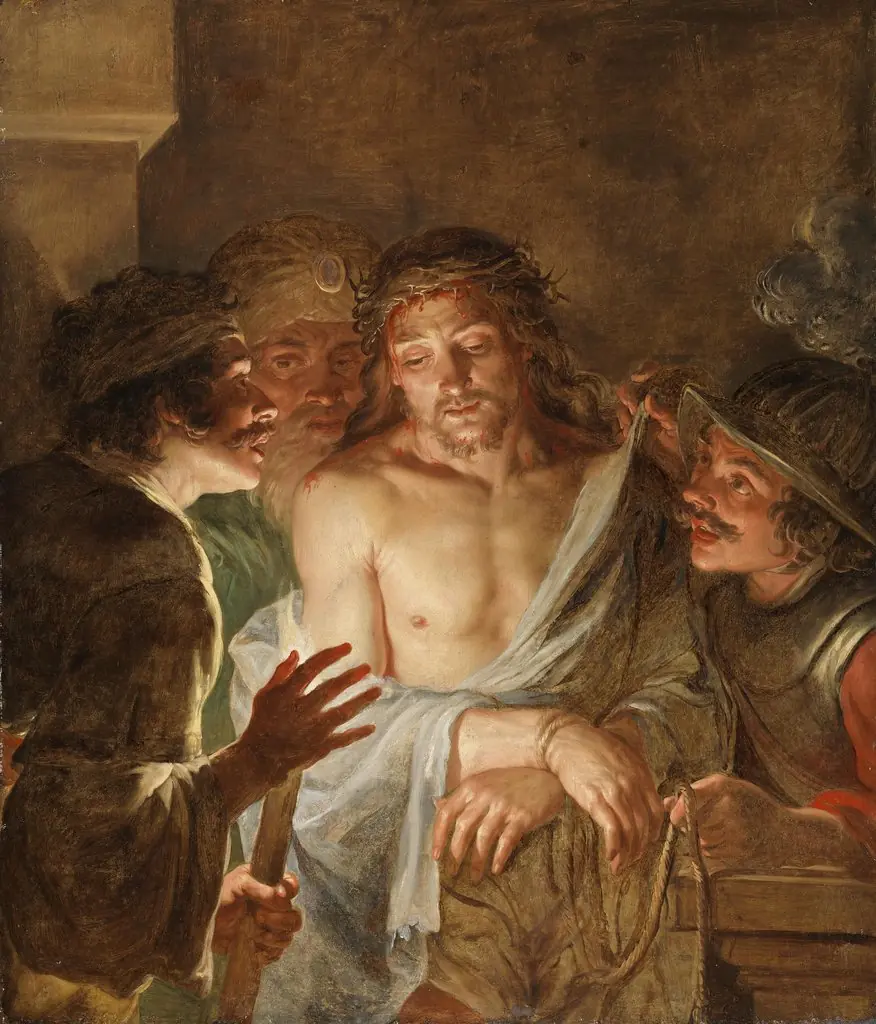
Ecce Homo
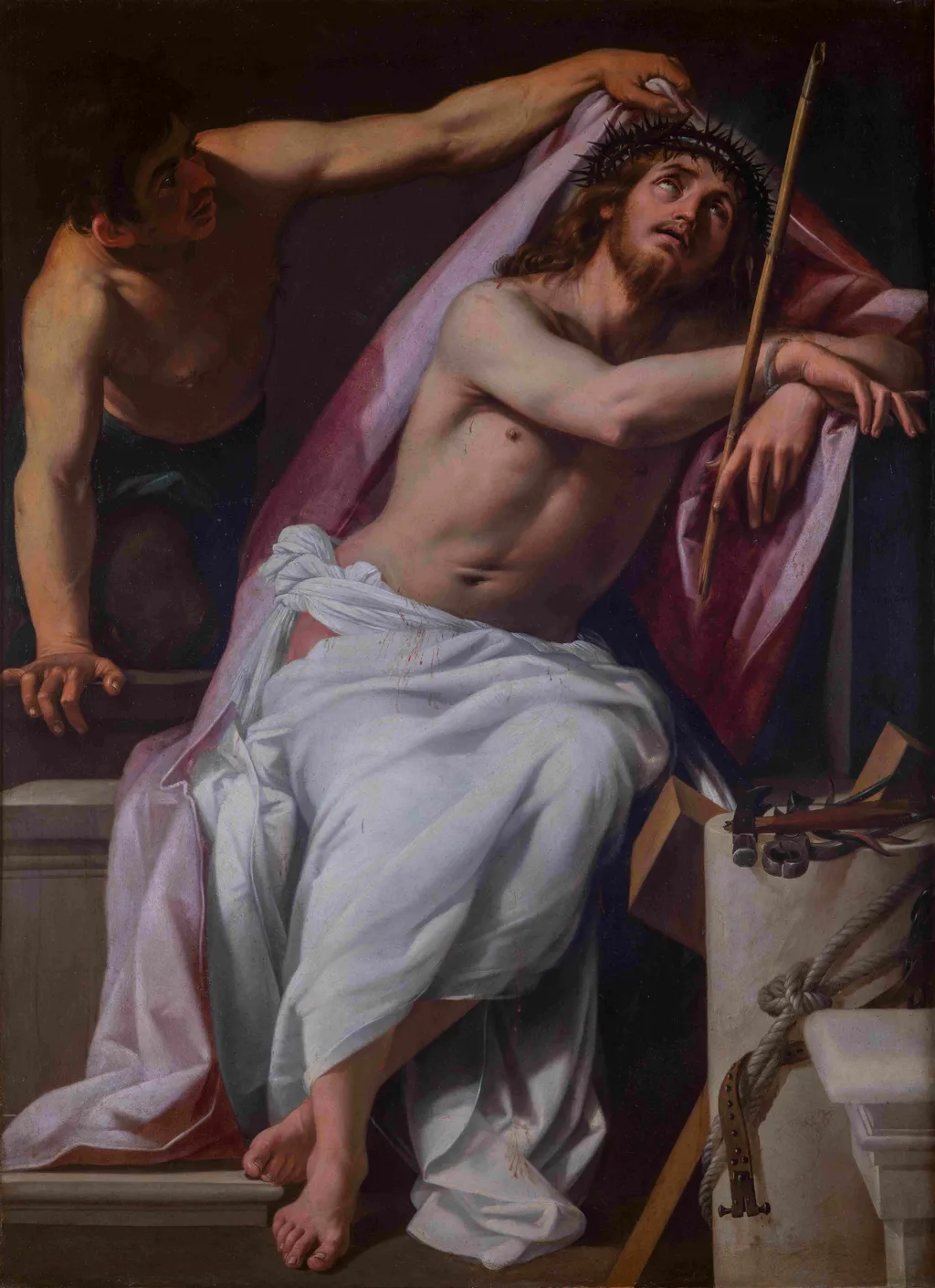
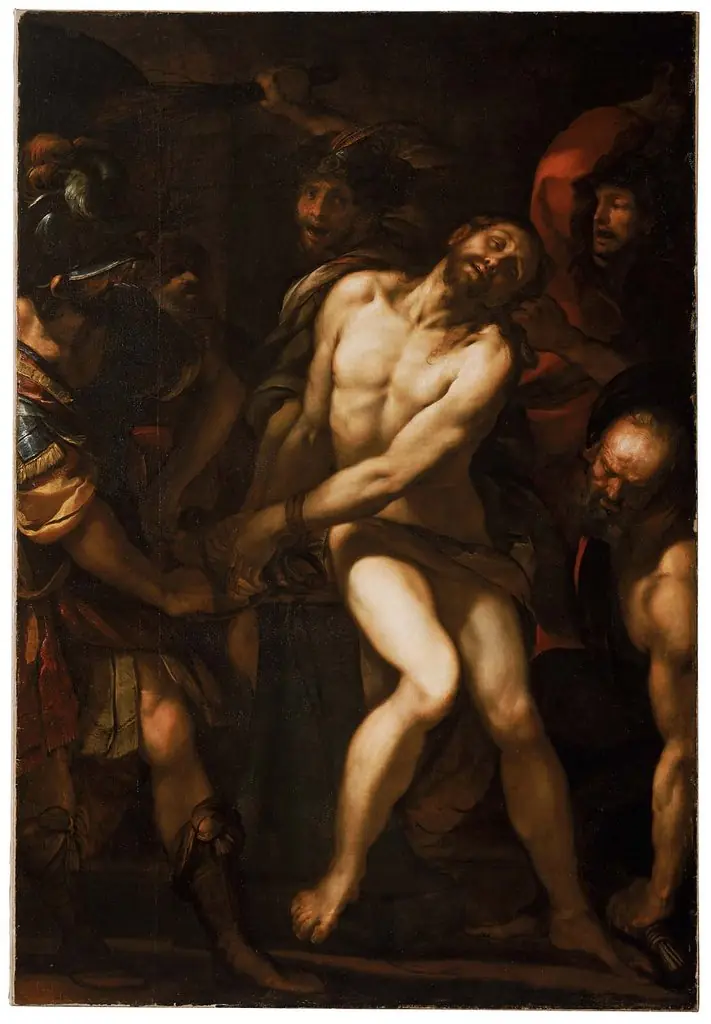
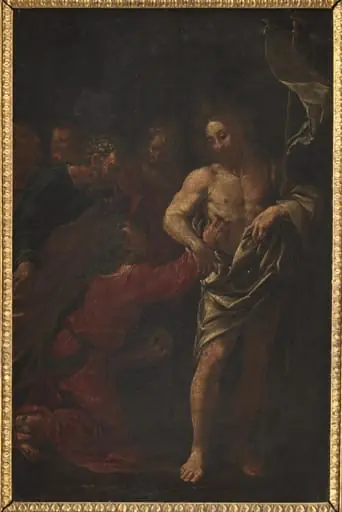
Ecce Homo is an oil painting by the Early Baroque Italian artist Giovanni Baglione. It dates from 1606 and is held in the collection of the Galleria Borghese.
About this work
Overview
Ecce Homo is a 1606 oil painting by Giovanni Baglione, an Italian artist active in the transition from Late Mannerism to Early Baroque. The work is part of the Galleria Borghese collection.
Subject & Meaning
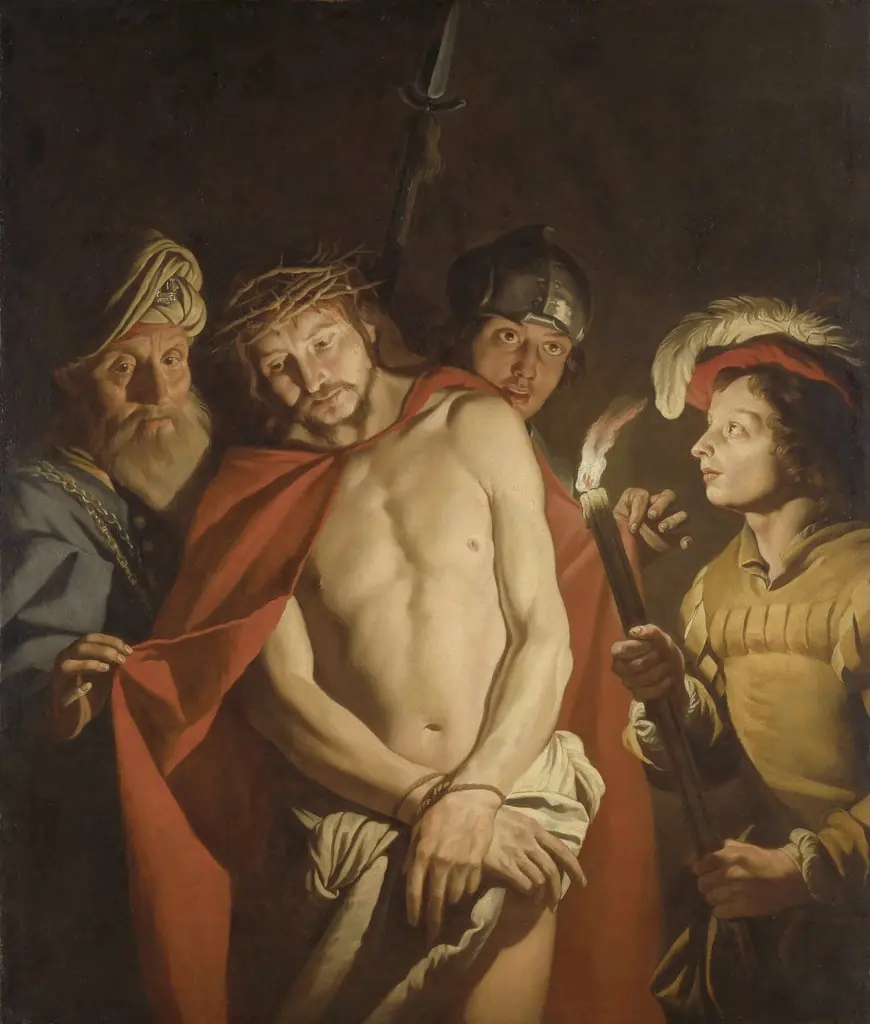
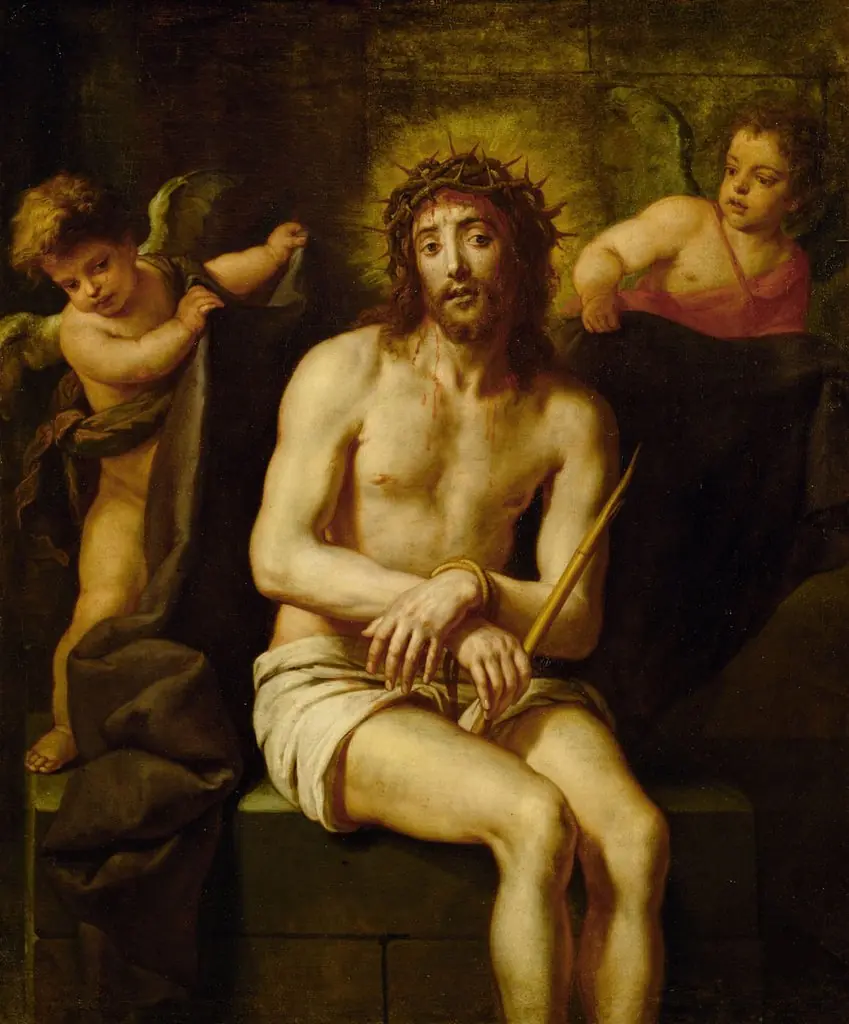
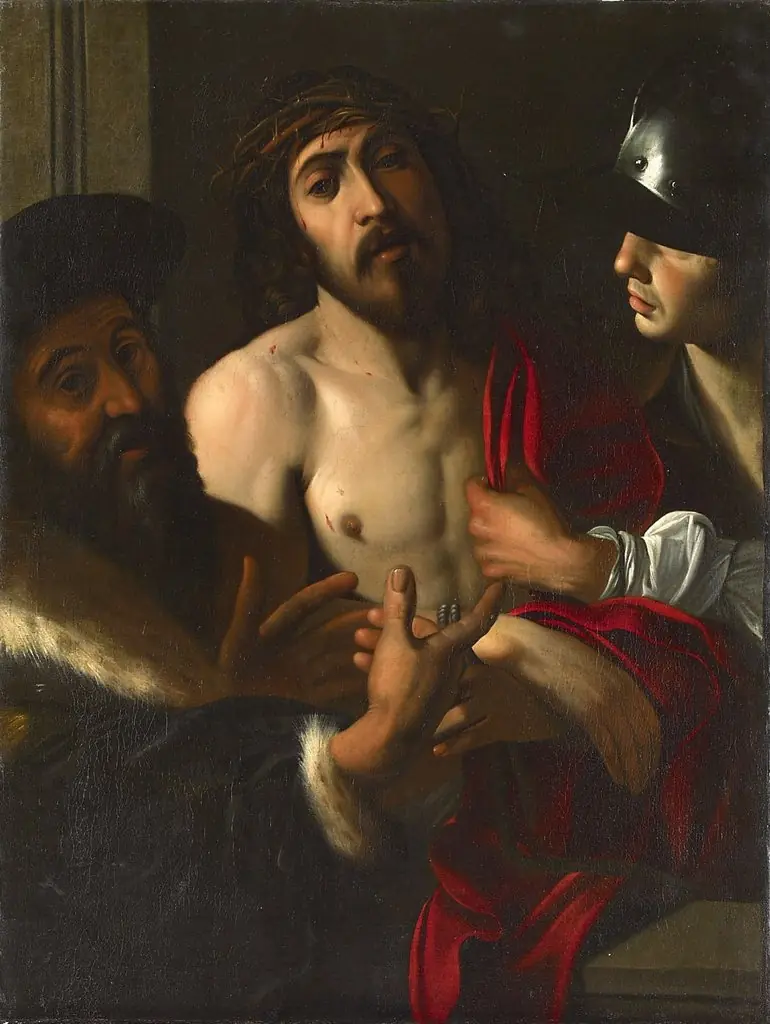
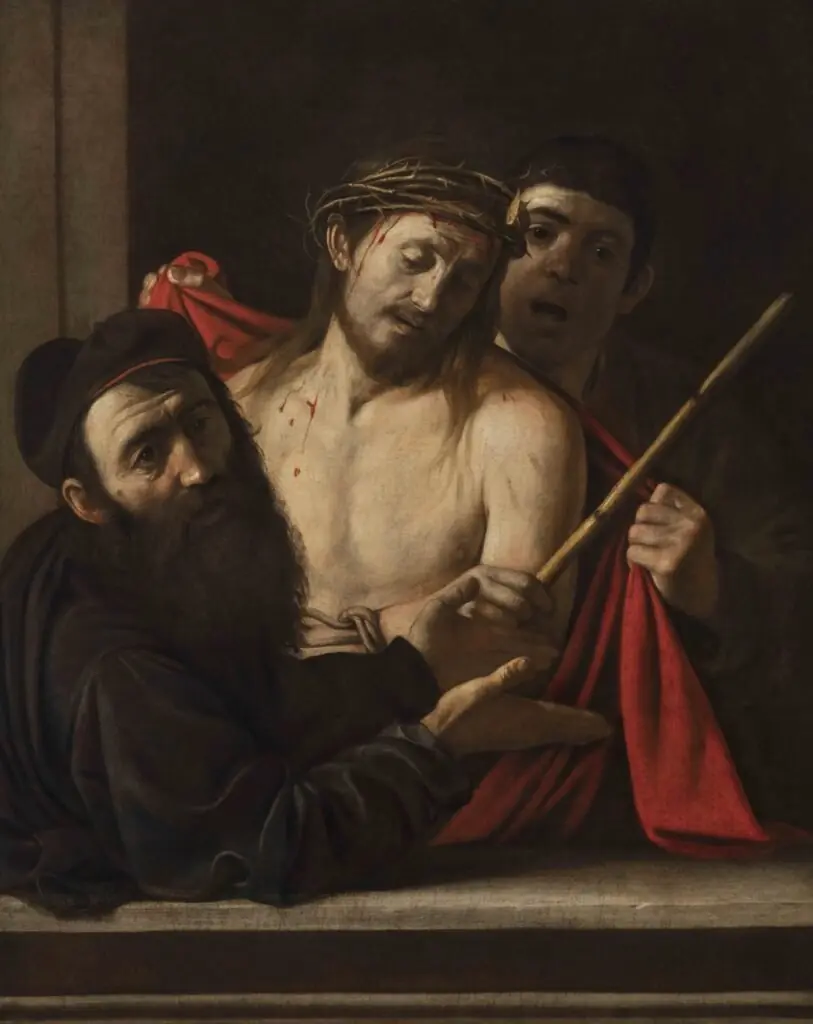
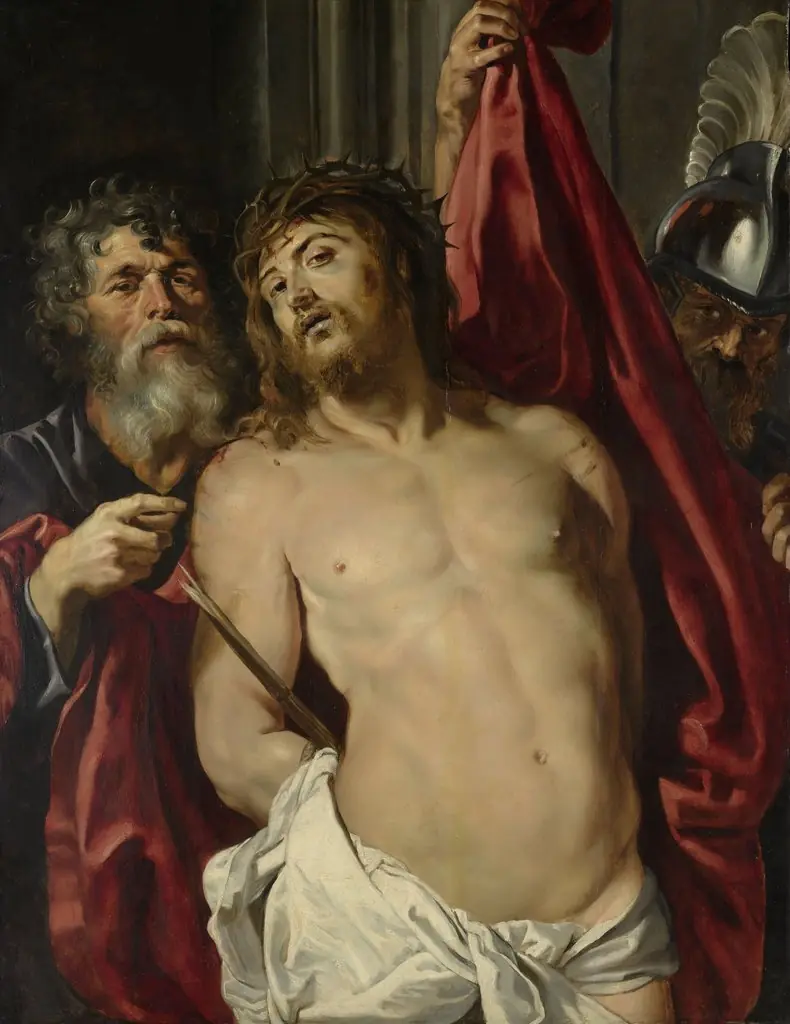
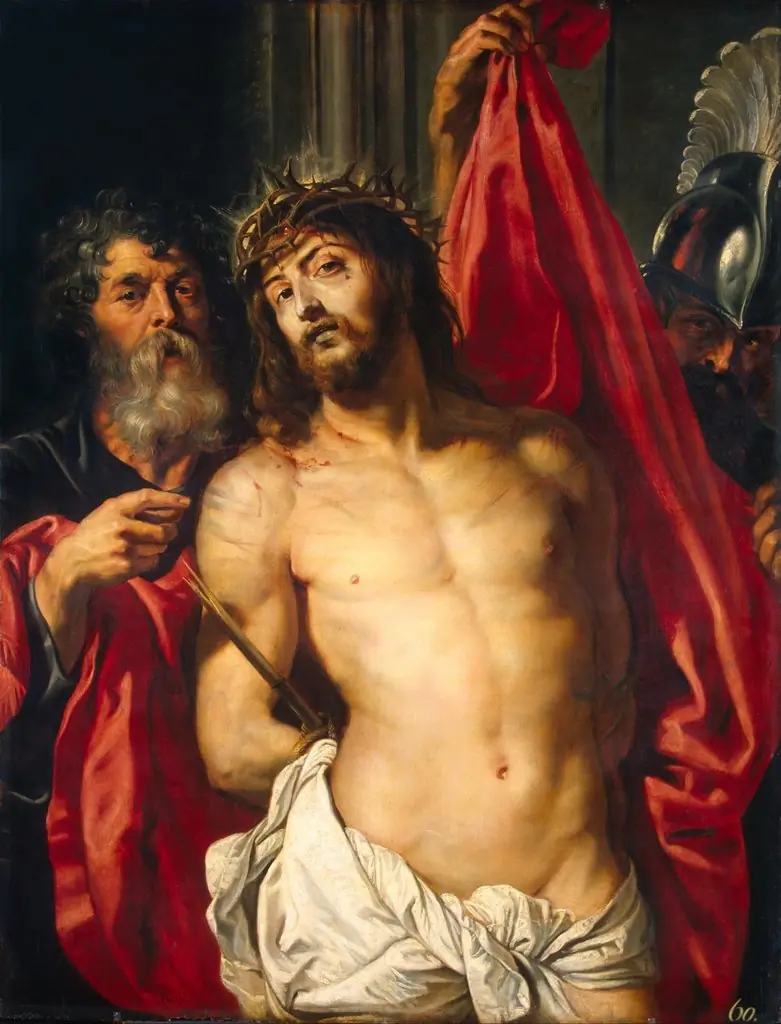
The painting depicts a poignant scene of Christ, identified by the crown of thorns, sitting on a stone step in a simple white loincloth. A figure behind Him holds a pink cloth over His head, while Christ looks upward, conveying a moment of contemplation or resignation. The sparse, dark background emphasizes the solemnity of the scene.
Technique & Style
Executed in oil paint, Ecce Homo reflects early Baroque stylistic tendencies, characterized by dramatic yet restrained composition and emotive lighting, contrasting with the more elaborate ornamentation of Mannerism.
History & Provenance
Created in 1606, the painting has been part of the Galleria Borghese's collection, indicating its value within Italian Baroque art collections from an early period.
Context
Painted during the Roman Baroque's emergence, Ecce Homo situates Baglione within a broader artistic shift towards more emotionally intense and accessible religious themes, appealing to the Counter-Reformation's emphasis on devout imagery.
Legacy
While not Baglione's most celebrated work, Ecce Homo contributes to the understanding of the transitional artistic period it represents, offering insights into the evolution of Baroque religious painting in early 17th-century Rome.
Own this work as a print
Artist & collection
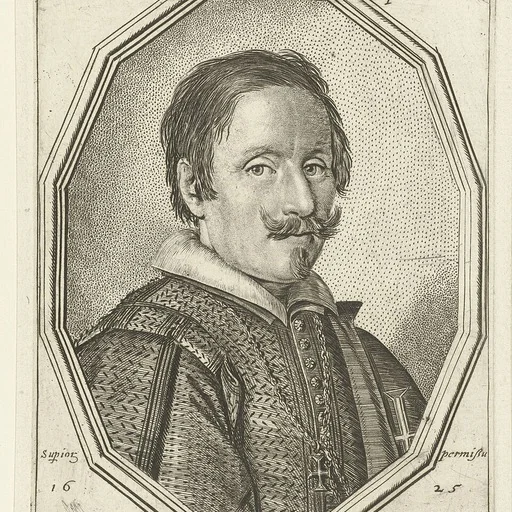
Artist
Giovanni Baglione (Italian: ; 1566 – 30 December 1643) was an Italian Late Mannerist and Early Baroque painter and art historian.